


 Most Popular

AquaSense 2 Ultra
AI Mastermind 5-in-1 Cleaner
Sora 70
Total Clean. From Depth to Surface.
AquaSense X
AI-Powered. Self-Cleaning. Zero-effort.
Beatbot iSkim
Twice the Clean. Proven Trust. Sora Series
Sora 70
Total Clean. From Depth to Surface.
Sora 30
Cleaning Power, Unlimited.
Sora 30 & iSkim
Total Pool Care System
Sora 10
Pure Potency. Free In Motion. AquaSense Series
AquaSense X
AI-Powered. Self-Cleaning. Zero-effort.
AquaSense 2 Ultra
AI Mastermind 5-in-1 Cleaner
AquaSense 2
Intelligent 3-in-1 Cleaner Skimmer & Bundle
Beatbot iSkim
Twice the Clean. Proven Trust.
AquaSense 2 & iSkim
3D Pool Cleaning System
Sora 30 & iSkim
Total Pool Care System Retail Edition
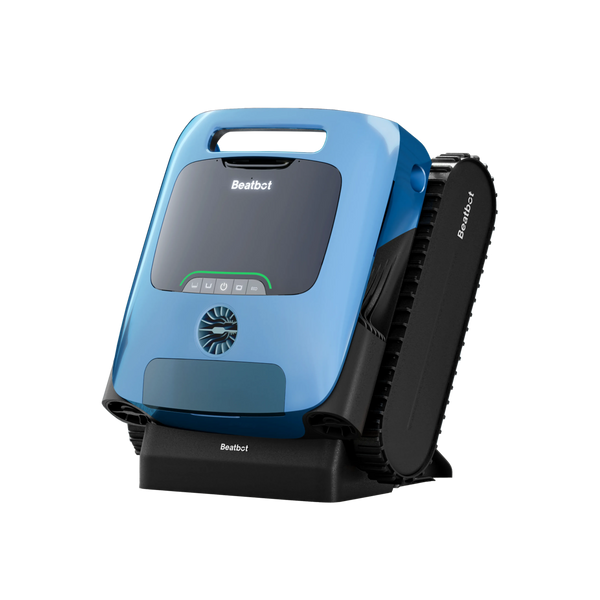
Beatbot A100 Pro
Offline Exclusive
Beatbot P300 Ultra
Offline Exclusive
Beatbot P300 Pro
Offline Exclusive
Beatbot P300
Offline Exclusive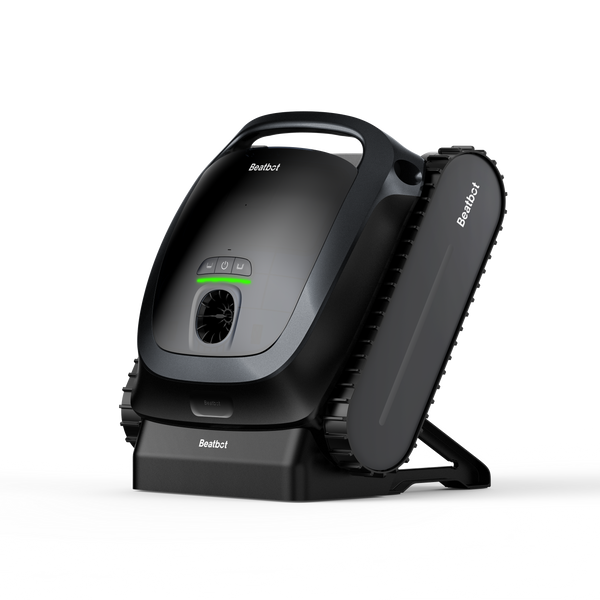
Beatbot A100
Offline Exclusive Accessories
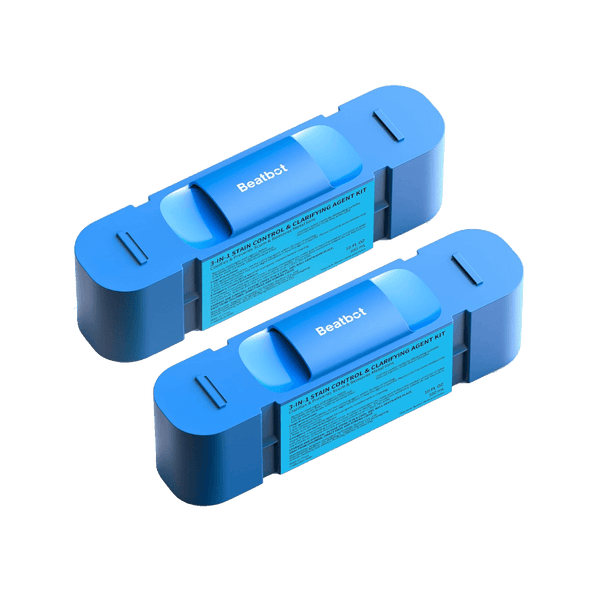
Beatbot AquaRefine™ Kit- 3-in-1 Clarifier

Beatbot Standard Adapter for iSkim

Beatbot Ultra-Fine Filter Basket (Sora 10)

Beatbot Ultra-Fine Dual Filter Basket (Sora 70)

Beatbot Ultra-Fine Dual Filter Basket (Sora 30)

Beatbot Pool Cleaner Caddy


They save hours of manual cleaning, reduce the need for pool services, and with proper care, deliver consistent performance for 3–5 years or more.


Tired of cleaners that miss stains? The Beatbot Aquasense 2 Ultra scrubs your pool’s walls, floors, and waterline, providing a deep clean without the manual effort.

Before buying a robotic pool cleaner, new owners often ask: cost, performance, safety, and value. Learn the key questions to decide if it’s worth it.

Cyanuric acid, or pool conditioner, shields chlorine from UV breakdown. Pools need it to reduce chemical loss, improve sanitation, and control algae.

Robotic swimming pool cleaners provide strong cleaning, save time, and improve water clarity, but they cost more and require regular maintenance.

Looking for the best above ground pool vacuum cleaner? Beatbot delivers premium results, Polaris offers dependable cleaning, and Aiper fits tight budgets.

