Most Popular


 Sora Series


 AquaSense Series

 Skimmer & Bundle

 Retail Edition


 Accessories


Free chlorine and total chlorine show up on the same pool test, but they answer different questions. Free chlorine (FC) is what's actively sanitizing the water. Total chlorine (TC) is the overall chlorine reading, including chlorine that has already reacted with contaminants. Once you know the difference between free vs total chlorine, it's easier to spot why water turns dull, why the pool smells off, and why adding more chlorine sometimes doesn't help.
Free Chlorine vs Total Chlorine: What's the Real Difference?
Free chlorine is the sanitizer doing the work. It helps kill germs and prevents algae from getting established.
Total chlorine includes free chlorine plus chlorine that has already reacted. That reacted portion is combined chlorine (CC), commonly called chloramines.
Total Chlorine = Free Chlorine + Combined Chlorine
If total chlorine is noticeably higher than free chlorine, combined chlorine is likely building up.
Why the Difference Matters More Than You Think
A lot of pool frustration comes from seeing a chlorine number and assuming the water is fine. What matters most is whether you have enough active sanitizer.
Free chlorine is what keeps water sanitary. If FC is steady, you're usually in good shape. Total chlorine can look fine even when the pool feels off. When FC is low and TC is higher, much of that chlorine may be tied up as combined chlorine. And when there's a larger gap between FC and TC, it often shows up as odor, irritation, or flat-looking water.
That strong pool smell is not always from too much free chlorine. In many cases, it's tied to chloramines.
What Combined Chlorine (Chloramines) Means in Plain English
Combined chlorine forms when free chlorine binds to contaminants such as sweat, sunscreen, and body oils; ammonia-based contaminants; leaves, pollen, and other organic debris; or early algae growth you can't easily see yet.
When combined chlorine rises, the pool can feel worse even though a test still shows chlorine present. Common signs include a stronger smell than normal, burning eyes or irritated skin, and water that looks flat, hazy, or stubbornly dull.
The goal is not to chase a high total chlorine number. The goal is effective free chlorine and low combined chlorine.
How to Test Chlorine Accurately and Avoid Common Mistakes
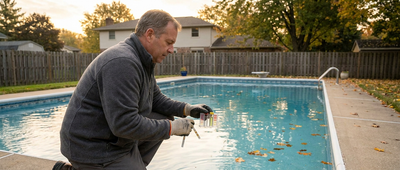
Before you treat the water, make sure your readings are real. A lot of supposed chemistry problems turn out to be testing problems.
Pick the Right Test for the Situation
Test strips are quick and convenient, but they're less precise and easier to misread. Drop-based kits (DPD / FAS-DPD) are better for troubleshooting because they're more accurate. Digital testers can be consistent too, but only when you use clean sampling and keep up with proper maintenance.
Quick Reality Check When Results Look Wrong
If you get a result that doesn't add up, retest before adjusting anything. Use a clean container with no soap residue, take the sample from elbow depth away from returns and skimmers, follow the timing on the instructions, and store strips and reagents properly (replacing anything expired). Then retest once to confirm.

How to Read Chlorine Test Results the Right Way
Don't look at FC and TC separately. Compare them and you'll usually see what's going on.
|
What you see on the test |
What it usually means |
What to do next |
|
FC is steady and TC ≈ FC |
Normal; little to no combined chlorine |
Keep your routine: test, dose, skim, filter |
|
TC is higher than FC |
Combined chlorine is building |
Improve circulation and filtration; consider oxidation or shock if it persists |
|
FC is near zero but TC isn't |
Chlorine is tied up or getting consumed fast |
Retest, then address chlorine demand: clean and treat |
|
FC drops fast day after day |
Sun plus organics, sometimes algae or poor circulation |
Check stabilizer (CYA), clean, run the pump longer, retest |
|
FC > TC |
Usually a testing or sampling error |
Retest carefully with a more reliable method |
In a well-maintained pool, total chlorine and free chlorine usually stay close. A growing gap is an early sign something is changing.
The Most Common Cases and the Best Fix
Total Chlorine Is High, but Free Chlorine Is Low
This often means a lot of your chlorine is tied up as combined chlorine.
You have chlorine in the water, but less of it is available as active sanitizer. Skim, empty baskets, and vacuum if needed. Brush the pool, especially steps, corners, and behind ladders.
Run the pump longer so the water mixes well and the filter can help, then retest FC and TC after the pool has circulated. If the gap stays large and the pool still smells harsh or feels irritating, oxidation or shock may be the next step.
Free Chlorine Is Zero, but You Just Added Chlorine
When FC hits zero quickly, the pool usually has high chlorine demand.
Common reasons include a heavy debris load or cloudy water, lots of swimmers, early algae growth, a dirty filter or short run time, or sunlight burn-off—especially with low stabilizer.
Clean first, because removing organics lowers chlorine demand. Confirm circulation and filtration are doing their job, then retest. If FC still won't hold, raise FC and keep it there until the demand drops.
The Pool Smells Like Chlorine
A strong smell is often tied to combined chlorine, not unusually high free chlorine.Compare TC and FC and look for a larger-than-normal gap. Improve circulation and filtration, and clear out organics. If combined chlorine stays elevated, oxidation or shock can help reset the water.
Free Chlorine Keeps Disappearing Overnight
If FC drops a lot overnight, when sunlight isn't the main factor, it can point to organics or algae consuming chlorine, buildup in hard-to-see spots such as steps, light niches, or ladders, or simply not enough circulation time.
Brush thoroughly, keep the filter maintained, and hold FC steady. Most of the time, that works faster than occasional heavy dosing.
When Should You Shock the Pool?
Shocking is not something you need to do on a schedule. It's most useful when combined chlorine will not clear or when chlorine demand is unusually high.
Shocking is often helpful when TC stays higher than FC and doesn't improve with normal maintenance, when water is cloudy and FC won't hold, after heavy use or contamination, or when you're dealing with algae—even early on.
Shocking is often unnecessary when FC is stable and TC is close to FC, when water is clear, odor-free, and comfortable, or when the issue is mechanical—such as a dirty filter, not enough run time, or poor circulation.
A Straightforward Shock Workflow
Always follow your product label and dose for your pool volume.
-
Clean first: skim, brush, vacuum.
-
Check basics: extreme pH can make chlorine less effective.
-
Treat in the evening: you lose less chlorine to sunlight.
-
Keep water moving: run the pump so treatment distributes evenly.
-
Retest FC and TC: give it time, then confirm with a proper test.
-
Repeat only if needed: if FC won't hold, focus on what's driving demand: debris, algae, filtration.
If you're shocking constantly, the real fix is usually routine cleaning, proper filtration, and steadier chlorine maintenance.

The Quiet Factors That Control Chlorine Effectiveness
Two pools can have the same total chlorine reading and behave very differently. These details usually explain why.
pH: Chlorine Struggles When pH Swings
When pH is far out of range, chlorine becomes less efficient and the pool can feel harsh. Keeping pH steady often makes FC easier to maintain.
Stabilizer (CYA): Helps Protect Chlorine From Sun, but Changes How It Behaves
Too little CYA means FC burns off quickly in sunlight. Too much CYA can make chlorine feel slower, so FC needs closer management.
If FC disappears during sunny stretches, checking CYA is often more useful than adding extra chemicals at random.
Circulation and Filtration: Dead Spots Create Problems Fast
Stagnant areas make it easier for algae to start and harder for chemicals to distribute evenly. Adequate pump run time and a clean filter make both water quality and test results more predictable.
Common Myths That Lead Pool Owners Astray
High Phosphates Mean Chlorine Won't Work
Phosphates can contribute to algae growth, but they don't automatically make chlorine ineffective. Most of the time, maintaining effective FC, brushing, and filtration solves the real issue.
A Strong Chlorine Smell Means You Added Too Much Chlorine
Often it's combined chlorine. Chloramines can smell strong even when FC is low.
Total Chlorine Is the Main Number to Watch
Total chlorine is useful for context. Free chlorine is what keeps your pool sanitary. Total chlorine matters most when you compare it to free chlorine and watch the gap.
A Simple Routine to Keep Free Chlorine Stable
Steady habits beat dramatic chemical swings.
Test consistently, and try to test around the same time of day. Skim and brush regularly to reduce chlorine demand. Keep filtration maintained—baskets, filter cleaning, and backwashing when needed. Adjust chlorine in smaller, steadier steps, and use the FC–TC difference as an early warning signal.
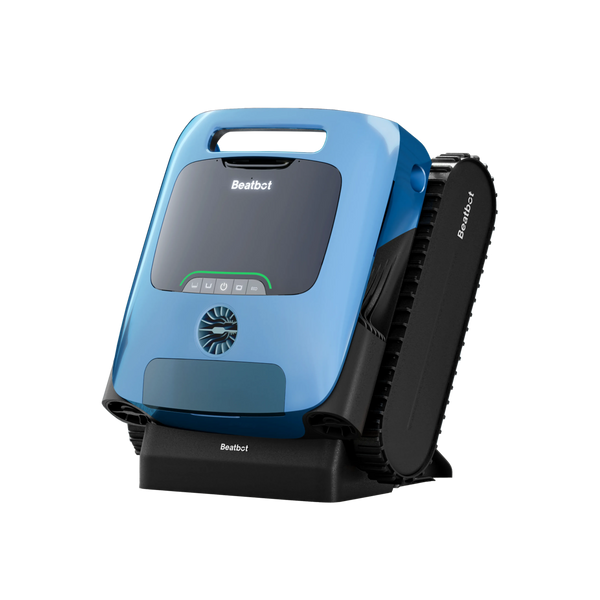
If you want to make the clean first part easier to stay on top of, a robotic pool cleaner can help reduce the fine debris and buildup that burns through chlorine.
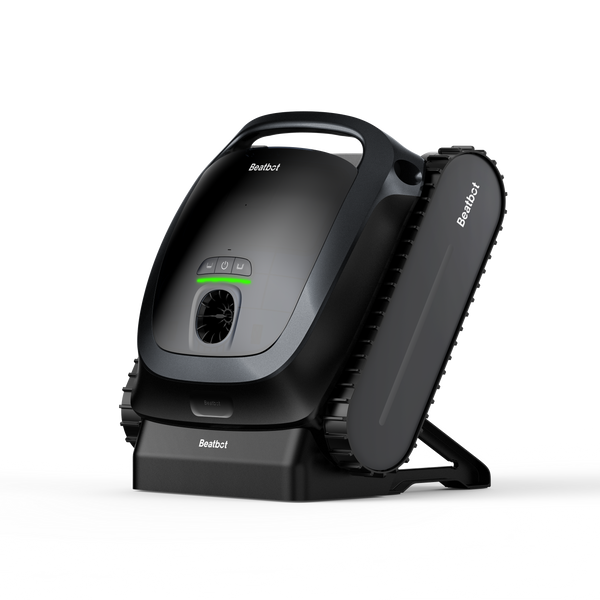
Beatbot AquaSense 2 is cordless, cleans the floor, walls, and waterline, and uses a 150 micron filter with a top access basket. It runs up to 4 hours on floor cleaning, which is enough time to pull a lot of the day-to-day mess out of the water so your free chlorine has less to fight.
When FC stays stable, most problems don't get a chance to snowball.
FAQs
Is Free Chlorine or Total Chlorine More Important?
Free chlorine is more important because it's the active sanitizer. Total chlorine helps you spot combined chlorine issues when you compare it to free chlorine.
Why Is My Total Chlorine Higher Than My Free Chlorine?
Usually because combined chlorine is present, often after heavy use, debris, or early algae. Clean first, improve circulation, and shock only if the gap persists.
Can Free Chlorine Be Higher Than Total Chlorine?
No. If FC reads higher than TC, it's almost always a testing or sampling issue. Retest with careful timing and fresh supplies.
What's a Healthy Difference Between Total and Free Chlorine?
In a healthy pool, total chlorine should be close to free chlorine most of the time. A larger gap suggests combined chlorine is rising.
How Often Should I Test Chlorine Levels?
Test often enough to keep FC steady, and test more frequently during hot weather, storms, heavy swimming, or when you're troubleshooting. That way you can correct small issues before water turns cloudy.