Hot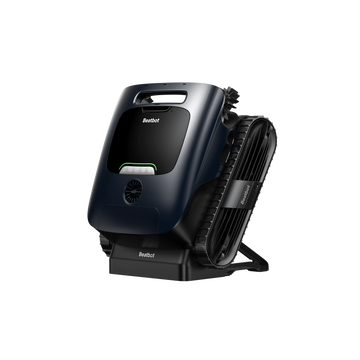
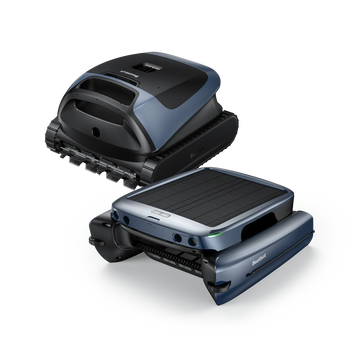
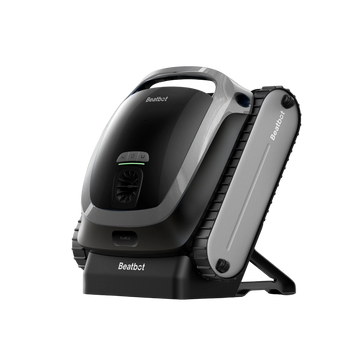
AquaSense 2 Ultra
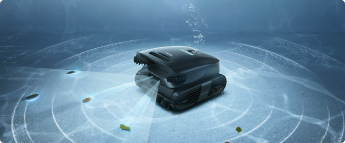
The World's First AI-Powered 5-in-1 Robotic Pool Cleaner
Learn More

Our Most Advanced Pool Cleaning Innovations
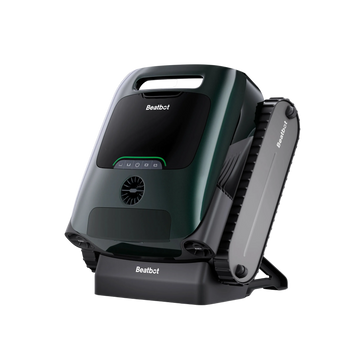
Powerful Superior-Cleaning Performer
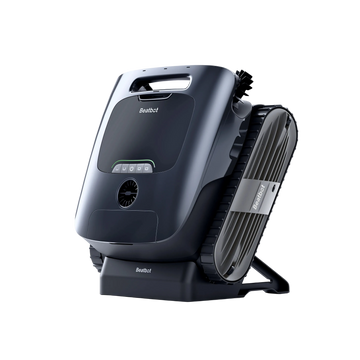
Comprehensive Pool-Coverage Intelligent Cleaning Flagship
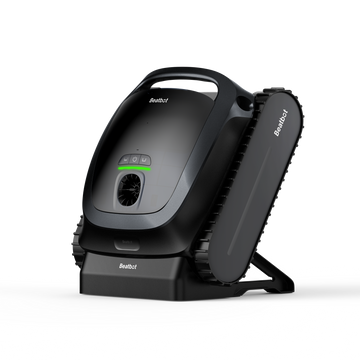
Intelligent Surface Cleaning Specialist
Our Most Advanced Pool Cleaning Innovations
The World's First AI-Powered 5-in-1 Robotic Pool Cleaner
Learn More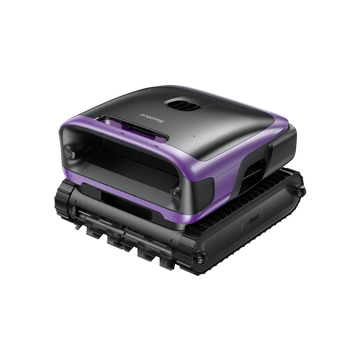
4-in-1 All-Purpose AI High-Efficiency Pool Cleaning Robot
Learn More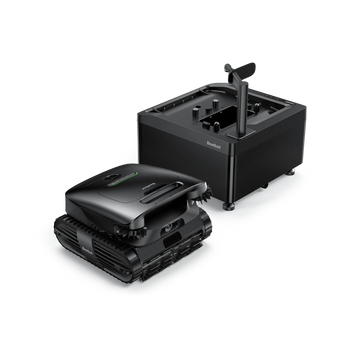
The AI Mastermind of Pool Cleaning with Intelligent Self-Cleaning
Learn MoreComprehensive Pool-Coverage Intelligent Cleaning Flagship
The AI Mastermind of Pool Cleaning with Intelligent Self-Cleaning
Learn MoreThe World's First AI-Powered 5-in-1 Robotic Pool Cleaner
Learn More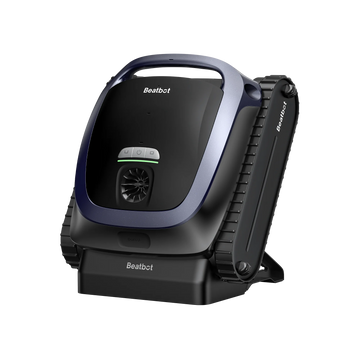
The World's First 3-in-1 Robotic AI Pool Cleaner
Learn MoreAccessories for your Beatbot products
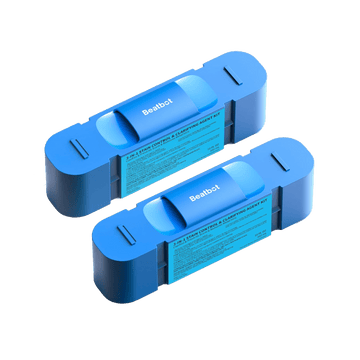
Natural, Skin-Safe & Eco-Conscious: Made from recycled and biodegradable ingredients like crab shells and other c...
Learn More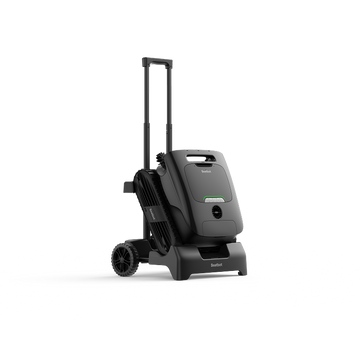
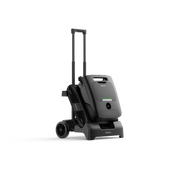
Used for transporting Beatbot main device (except iSkim and iSkim Ultra), reducing the burden of manual lifting. - On...
Learn More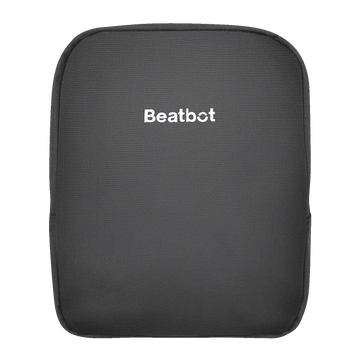
【The Greatest All-Inclusive Weather Protection】This high-quality cover shields your Beatbot robotic pool cleaner from...
Learn More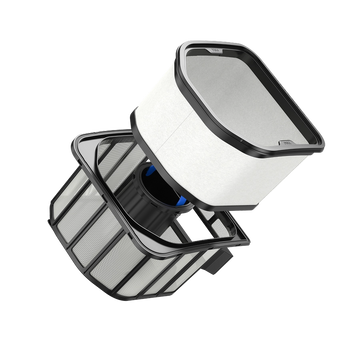
Compatible with Sora 70 only. Not intended for surface cleaning. Designed as a supplement for handling extremely fi...
Learn More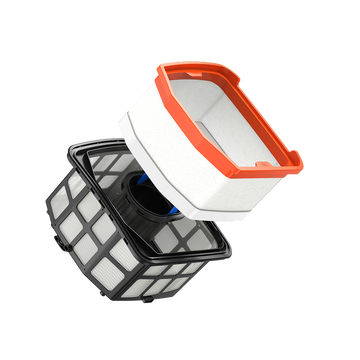
Compatible with Sora 30 only, designed as a supplement for handling extremely fine dust that the original dustbin can...
Learn MoreAccessories for your Beatbot products
Natural, Skin-Safe & Eco-Conscious: Made from recycled and biodegradable ingredients like crab shells and other c...
Learn MoreUsed for transporting Beatbot main device (except iSkim and iSkim Ultra), reducing the burden of manual lifting. - On...
Learn More【The Greatest All-Inclusive Weather Protection】This high-quality cover shields your Beatbot robotic pool cleaner from...
Learn MoreCompatible with Sora 70 only. Not intended for surface cleaning. Designed as a supplement for handling extremely fi...
Learn MoreCompatible with Sora 30 only, designed as a supplement for handling extremely fine dust that the original dustbin can...
Learn More

AI-Powered Flagship Evolve Forward
Defining the Threshold of Intellgence Clean

Intelligent innovation for effortless pool care.
HybridSense® AI Pool Mapping | 5-in-1 Complete Coverage | AI-Powered Debris Detection

Advanced JetPulse™ Surface Cleaning | 4-in-1 Complete Coverage | 6,800 GPH Suction

Automatic Filter Cleaning with AstroRinse™ | Advanced HybridSense® AI Perception | 5-in-1 Complete Coverage

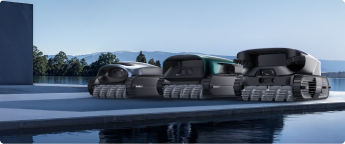
Different strengths. Intelligent care for your pool.Different strengths. Intelligent care for your pool.

4-in-1 All-Purpose AI High-Efficiency Pool Cleaning Robot


The AI Mastermind of Pool Cleaning with Intelligent Self-Cleaning

The World's First AI-Powered 5-in-1 Robotic Pool Cleaner


Shop direct and unlock premium benefits.

Free & Fast Shipping
Fast, reliable delivery with free shipping in 3–7 days.
Learn More
Up to 3-Year Warranty
Submit a claim for a hassle-free replacement.
Learn More
30-Day Free Return
Try risk-free with our 30-day return policy.
Learn More
30-Day Price Match
Contact our customer service to claim the difference.
Learn More


See What the Publications Say


By combining vision, sensor fusion, intelligent navigation, debris recognition, autonomous recovery, and system-level design, the company is moving pool robotics beyond automated motion and toward intelligent coverage. This shift brings the category closer to a future in which pool care is not simply easier, but more precise, more dependable and more intelligently managed. And BEATBOT is setting the course for what comes next.


BEATBOT redefines intelligent pool robotics as a part of a broader vision of contemporary luxury—where AI, architecture, and lifestyle converge into a quieter, more effortless ownership experience.


Performance-wise, it delivers exactly what you’d expect from a premium robot. It climbs walls effectively, covers the pool floor in efficient paths, and leaves everything looking noticeably cleaner after each run.


With the Beatbot Sora 30 and iSkim, you can expect premium engineering that delivers dependable cleaning with remarkably little effort. All at a very reasonable price.


Beatbot AquaSense X robot itself is excellent. Suction is great, the best waterline scrubbing I’ve seen from the brand, smart debris-targeting navigation, and coverage of surfaces and ledges that rivals do not even try to do. But robots that clean well are no longer rare. What’s rare is the AstroRinse station, which is a luxury product that eliminates some of the dirty work.


See What the Pros Say


Jon Rettinger
1.6M YouTube Subscribers
Smart pool robots save time, until you have to clean them, and after a year with Beatbot’s AquaSense 2 Ultra, I know that chore well. At CES 2026, Beatbot demoed a new system: a robot that cleans the pool and a dock that cleans the robot. This is Beatbot AquaSense X - let me show you what it does, what it gets right, and what I still want to see when I get one home. Plus, let me also show you other goodies from Beatbot coming soon! AquaSense X: The future-oriented Al pool-cleaning robotic solution with the world's first self-cleaning station for autonomous pool care.


Shark Numbers
1.96M YouTube Subscribers
I tested Beatbot’s $1,500 Sora 70 and $4,250 AquaSense X pool robots in my own pool to see what the extra money actually buys you. The Sora 70 is the brawn: serious suction, full pool coverage, surface cleaning, ultrasonic navigation, and a large debris basket. The AquaSense X is the brains: AI vision, real-time pool mapping, autonomous cleaning decisions, platform cleaning, and the AstroRinse station that cleans the filter automatically. In this video, I’ll show you: • Real pool cleaning tests with both robots • Floor, wall, surface, step, and platform cleaning • How the Sora 70 handles debris with JetPulse surface cleaning • How the AquaSense X uses AI vision and real-time mapping • What the AstroRinse self-cleaning station actually does • Which robot makes more sense depending on your budget and maintenance needs Performance Overview: • Beatbot Sora 70: $1,499 • Beatbot AquaSense X: $4,250 • Sora 70 suction: 6,800 gallons per hour • Sora 70 debris basket: 6 liters • Sora 70 runtime: up to 5 hours on floor / up to 7 hours on surface • AquaSense X: AI-driven cleaning, live 2D mapping, HybridSense AI Vision, and self-cleaning dock • AstroRinse station: 3-minute filter cleaning and large debris drawer What Makes These Pool Robots Interesting: • The Sora 70 brings surface cleaning to a price range where most robots ignore it • The AquaSense X feels closer to an autonomous pool vehicle than a regular cleaner • Both robots clean the floor, walls, surface, and platforms • The biggest difference is not just cleaning power — it is how much maintenance you still have to do yourself Built For: • Pool owners tired of manual cleaning • People comparing premium robotic pool cleaners • Anyone deciding between a powerful pool robot and a fully automated AI pool cleaning system • Homeowners who want to reduce pool maintenance without hiring a pool service


ManShed
221K YouTube Subscribers
The Beatbot AquaSense X doesn’t just clean your pool — it cleans its own filter, flushes debris into a massive 22L debris station, and gets ready for the next run automatically. After testing it in my 30x16 plaster pool with a 7-foot deep end and steps, this feels like a completely different type of robotic pool cleaner. The self-cleaning AstroRinse station, upgraded HybridSense AI system, wall climbing, surface skimming, waterline scrubbing, and automatic clarifier system make this one of the most advanced pool cleaning systems I’ve tested so far. The new HybridSense AI system has been upgraded from recognizing 20 debris types to 40, allowing the AquaSense X to better identify leaves, bugs, and fine particles while optimizing its cleaning paths throughout the pool. One of the biggest upgrades here is the AstroRinse self-cleaning station. Instead of manually rinsing filters after every cleaning cycle, the station automatically flushes debris from the robot’s filter into a 22L debris container that can hold around 3000 leaves and typically only needs to be emptied every 1–2 months. I also walk through the full setup process including water inlet and outlet installation, power setup, app pairing, and network connection so you can see exactly how the system works from start to finish. The AquaSense X recently received an iF Design Award and after using it, I can definitely see why. Check the links in the description for current pricing and more details on the Beatbot AquaSense X.


Myks Garage
35.4K YouTube Subscribers
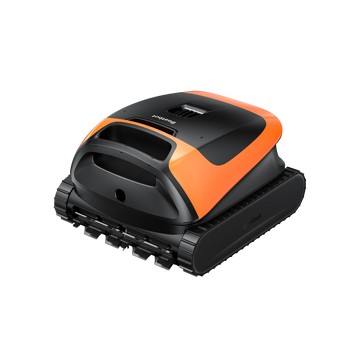
This is a review of the Beatbot Sora 30 Pool cleaning robot in the Orange color This is an amazing pool cleaning robot vacuum! This is The Beatbot Anniversary 2026 Promotion and Features include: Complete 4-Zone Coverage: Cleans the pool floor, walls, waterline, and shallow platforms (down to 8 inches) without getting stuck 6,800 GPH Suction Power: Features a center-mounted pump that delivers professional-grade suction to easily vacuum up heavy leaves, debris, and stubborn algae Smart Water-Surface Parking: Automatically floats to the surface and parks against the pool edge when the cycle is complete or the battery runs low, saving you from deep-water retrieval. 5-Hour Battery Life: Powered by a 10,000mAh battery that provides up to 5 hours of continuous floor cleaning or 4.5 hours of combined floor, wall, and waterline cleaning 6L Extra-Large Debris Basket: It comes with a 150-micron filter for daily debris Dual-Group Roller Brushes: Equipped with front and back brushes that deliver strong traction, tighter turns, and wider coverage for quick, obstacle-free cleaning. Smart App Integration: Connect via the Beatbot app to switch between 3 cleaning modes, monitor water temperature, track cleaning history, and perform over-the-air firmware updates
Explore Insights from Beatbot Explore Insights from Beatbot
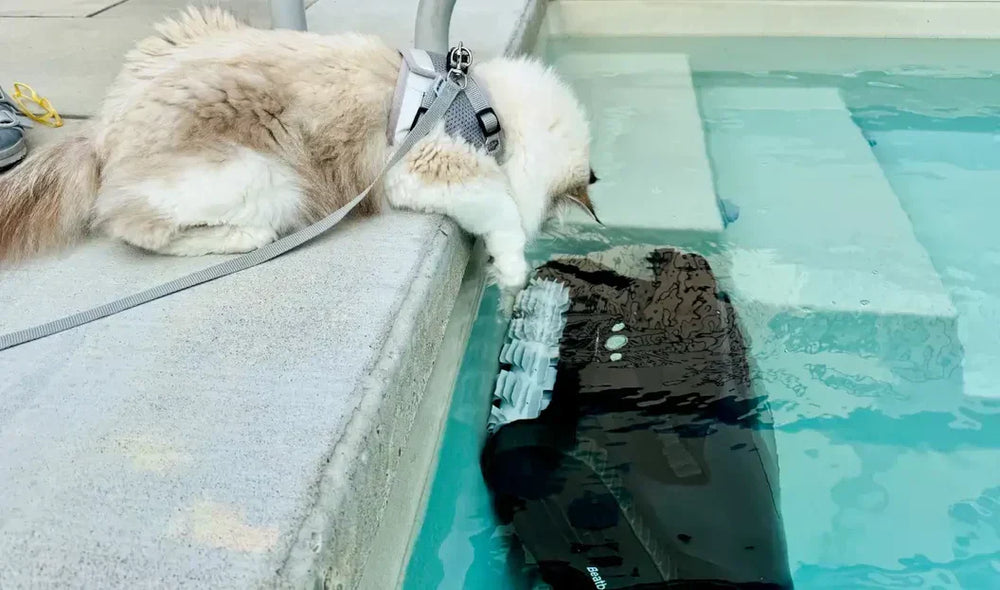
The Beatbot AquaSense series is a line of cordless robotic pool cleaners that covers four distinct models: the Beatbot AquaSense X, AquaSense 2 Ultra, AquaSense 2 Pro, and AquaSense 2. Each model targets a different set of pool-owner priorities, from the AquaSense 2's straightforward floor-to-waterline cleaning to the AquaSense X's fully automated self-cleaning station. Choosing between them is not just a question of budget. It is a question of which capabilities your pool actually requires and how much daily involvement you want in the maintenance cycle. AquaSense Series: Model Comparison at a Glance The table below covers the most decision-relevant differences across all four models. Use it alongside the model-specific sections above, which explain why each difference matters in practice. Feature AquaSense 2 AquaSense 2 Pro AquaSense 2 Ultra AquaSense X Cleaning Coverage Floor, walls, waterline Floor, walls, waterline, surface Floor, walls, waterline, surface Floor, walls, waterline, surface Water Surface Cleaning No Yes Yes Yes ClearWater No Yes Yes Yes AI Camera No No Yes Yes AI Debris Detection No No Yes Yes Night Cleaning No No Yes Yes Side Brushes No No Yes Yes Motors 4 9 11 Not listed Sensors 16 22 27 29 Suction Power Not listed 5,500 GPH 5,500 GPH 6,800 GPH Self-Cleaning Station No No No Yes (AstroRinse) Smart Home Integration No No No Yes Surface Runtime N/A Up to 11 hours Up to 10 hours Up to 10 hours Floor Runtime Up to 4 hours Up to 5 hours Up to 5 hours Up to 5 hours Filter Layers 1 layer, 150 μm 2 layers, 150 μm + 250 μm 2 layers, 150 μm + 250 μm Not listed Pool Size 300 m² / 3,230 ft² 360 m² / 3,875 ft² 360 m² / 3,875 ft² Not listed Warranty 3-year replacement 3-year replacement 3-year replacement Not listed The table shows the structural differences clearly. What it cannot show is which differences will actually affect your pool. A pool surrounded by dense foliage will benefit from the AI debris detection and AI Quick Mode of the AquaSense 2 Ultra in a way that a pool in an enclosed yard will not. A pool owner who cleans daily may find the AquaSense 2's filter basket sufficient. A pool owner who runs weekly sessions will benefit more from the 22L station basket of the AquaSense X. How to Choose Between the Four Models The AquaSense 2 suits pools where floor-to-waterline cleaning is the only regular requirement. It handles standard debris, works across all pool shapes and materials, and covers pools up to 300 square meters. If surface debris is not a consistent problem and water clarity stays manageable through standard chemical treatment, the AquaSense 2 delivers solid 3-in-1 coverage without unnecessary complexity. The AquaSense 2 Pro is the step up for pools that regularly accumulate floating debris or where water clarity has been a recurring issue. Its surface cleaning capability and ClearWater clarification system handle both in a single cleaning session. The app-controlled surface navigation adds manual control when precision matters, and the 11-hour surface runtime is the longest in the series. It fits pools with moderate debris loads and owners who want an all-in-one solution without AI-assisted mapping. The AquaSense 2 Ultra is the right fit when the pool layout is complex, debris types are varied, or the cleaning schedule runs overnight. The AI camera and pool mapping system reduce coverage gaps in irregular pool shapes. The AI Quick Mode means high-density debris zones get addressed before they spread. Night Cleaning with LED headlights makes it possible to run the robot during off-peak hours without sacrificing cleaning quality. The dual side brushes improve wall-floor edge cleaning in a way that sensor-only navigation cannot replicate. The AquaSense X is worth considering when filter maintenance frequency is the deciding factor. If manually emptying and rinsing the filter after each session is the main friction point, the AstroRinse station solves it. The 22L station basket and 6,800 GPH suction also make it well-suited for pools with high debris volume. Smart-home voice integration is a bonus for households already using Alexa, Google Home, or Siri for home automation. What All Four Models Share Despite their differences, the AquaSense series has a consistent foundation across all four models. All are cordless. All charge via a wireless magnetic dock. All connect via WiFi and Bluetooth to the Beatbot app. All receive OTA software updates. All support cleaning history and scheduling via the app. All are compatible with above-ground and in ground pools in concrete, ceramic tile, vinyl, and fiberglass. All use MultiZone Mode to handle multi-level pool geometries. This shared base means that any model in the series will handle the core cleaning routine reliably. The choice between them is about which additional capabilities justify the step up for a specific pool and a specific routine. What Is the Beatbot AquaSense Series? The AquaSense series sits at the top of Beatbot's product lineup. All four models share a cordless design, WiFi and Bluetooth app connectivity, OTA software updates, and a wireless magnetic dock for charging. They are built to handle above-ground and in ground pools across a wide range of shapes and materials: rectangular, round, kidney, and freeform; concrete, ceramic tile, vinyl, and fiberglass. Where they differ is in cleaning coverage, sensor count, motor count, navigation intelligence, and post-cleaning convenience. The AquaSense 2 cleans the floor, walls, and waterline. The AquaSense 2 Pro and AquaSense 2 Ultra add water-surface skimming and a clarification system. The AquaSense 2 Ultra adds an AI camera with organic debris detection. The AquaSense X replaces manual filter maintenance with an automated self-cleaning station. Each step up changes the ownership experience in a way that matters for specific pool situations. Beatbot AquaSense 2: The 3-in-1 Entry Point The Beatbot AquaSense 2 robotic pool cleaner covers the pool floor, walls, and waterline: a 3-in-1 cleaning scope. It does not clean the water surface, and it does not include the ClearWater clarification system. For pools that do not accumulate heavy surface debris and where water clarity is managed separately, those omissions are not a problem. The AquaSense 2 uses 4 motors, 16 smart sensors, and a single 150 μm polyester filter with a 2L basket. Its runtime reaches up to 4 hours for floor cleaning and up to 3.5 hours for combined floor, walls, and waterline cleaning. After each session, it surfaces near the pool edge and can be called back via the Beatbot app. It does not support manual remote navigation while on the surface. When it parks, the app offers one-button retrieval, not directional control. The AquaSense 2 is recommended for pools up to 300 square meters / 3,230 square feet. Its MultiZone Mode can handle large steps and multi-level platforms, which makes it viable for pools with more complex geometry even at this tier. It carries a 3-year full machine replacement warranty. The AquaSense 2 is the right choice when you need reliable floor-to-waterline coverage without the added cost of surface skimming or clarification, and when manual filter cleaning after each session is not a burden. Beatbot AquaSense 2 Pro: Adding Surface Cleaning and Clarification The Beatbot AquaSense 2 Pro robotic pool cleaner expands the cleaning scope to 5-in-1: floor, walls, waterline, water surface, and water clarification via the ClearWater system. These two additions, surface skimming and clarification, are the most meaningful upgrades over the AquaSense 2, and they change the ownership experience rather than just the spec sheet. Water-surface cleaning means the AquaSense 2 Pro can remove floating debris (pollen, leaves, dust film) before it sinks. Pools surrounded by trees or in areas with significant airborne debris benefit more from this than pools in sheltered environments. The Pro runs up to 11 hours of continuous surface cleaning on a single charge, alongside up to 5 hours of floor cleaning and 5 hours of wall and waterline work. The ClearWater system uses a natural clarifier derived from chitosan, a material sourced from recycled crab shells. One 300ml kit is included in the box. Each kit is claimed to treat up to 99,000 gallons and remain effective for about one month with weekly use. Additional kits are sold separately. The ClearWater system does not replace filtration. It works alongside the dual-layer filter (150 μm outer, 250 μm inner) to help the water stay clearer between chemical treatments. The AquaSense 2 Pro uses 9 motors, 22 smart sensors, and supports app-controlled water-surface navigation. When the robot is on the surface, you can steer it manually from the Beatbot app, which is useful for directing it to specific areas with high debris concentration. It does not have an AI camera. Path planning and navigation are sensor-based, not vision-based. For pools that regularly deal with surface debris or where water clarity is a recurring concern, the AquaSense 2 Pro handles both in a single cleaning session. The step up from the AquaSense 2 is justified when those two functions would otherwise require separate tools or manual effort. Beatbot AquaSense 2 Ultra: AI Camera and Smarter Debris Detection The Beatbot AquaSense 2 Ultra automated pool cleaner is the most technologically advanced model in the AquaSense 2 family. It covers the same 5-in-1 cleaning scope as the AquaSense 2 Pro (floor, walls, waterline, water surface, and clarification) and adds several capabilities the Pro does not have: an AI camera, AI organic debris detection, AI Quick Mode, Night Cleaning, and dual side brushes. The AI camera, paired with dual TOF sensors, enables HybridSense Pool Mapping. The AquaSense 2 Ultra builds a real-time floor map during cleaning, which allows it to optimize coverage and reduce missed areas. The AI camera also identifies organic debris types (leaves, seeds, berries, and nuts) within a 90-degree recognition range at 0.5 to 1.5 meters. When it detects a high-density debris zone, it can trigger AI Quick Mode to concentrate cleaning effort there before continuing the full session. Night Cleaning is another capability not found on the AquaSense 2 Pro. The Ultra's dual 1,500 Lx front LED headlights allow it to operate after dark without any reduction in detection accuracy. This matters for pool owners who prefer to run cleaning cycles overnight. The dual side brushes, each 93 mm in diameter with 16 bristles, improve contact at the junction between walls and the pool floor, an area where debris tends to accumulate and where a single bottom-brush robot can leave gaps. The AquaSense 2 Ultra uses 11 motors compared to the Pro's 9, and 27 smart sensors compared to the Pro's 22. The quad-core Cortex-A7 1.8GHz CPU and Beatbot OS handle real-time processing entirely on the device; the AI camera stores no personal data and operates fully offline. Runtime matches the AquaSense 2 Pro: up to 10 hours of surface cleaning, up to 5 hours of floor cleaning, and up to 5 hours of wall and waterline cleaning. ClearWater clarification is included, and the filter uses the same dual-layer polyester setup with a 150 μm outer layer and 250 μm inner layer. The AquaSense 2 Ultra is the right choice when pool complexity, debris variety, or schedule flexibility (including overnight operation) makes AI-assisted navigation genuinely useful. Pools with freeform layouts, frequent organic debris, or users who want maximum coverage certainty without manual adjustments will get the most from it. Beatbot AquaSense X: Self-Cleaning, Zero Manual Filter Work The Beatbot AquaSense X robotic pool cleaner introduces a capability the AquaSense 2 family does not offer: a self-cleaning station that handles filter rinsing automatically after each session. It is designed for pool owners who want the most hands-off maintenance experience available. The AquaSense X docks with the AstroRinse Cleaning Station, which rinses the robot's filter in about 3 minutes without any manual intervention. Debris collected during cleaning is transferred to the station's 22L basket rather than requiring the user to empty the 5L robot basket after every session. The station basket is claimed to hold approximately 3,000 leaves per cycle, which means far less frequent manual emptying overall. The AquaSense X covers water surface, waterline, walls, and floor. It uses 29 sensors and generates 6,800 GPH of suction power, the highest in the AquaSense lineup. Detection covers 40 debris types across both the floor and water surface. Runtime is up to 10 hours of surface cleaning, up to 5 hours of floor cleaning, and up to 5 hours of wall and waterline cleaning. One feature the AquaSense X uniquely provides is smart-home integration with Google Home, Amazon Alexa, and Apple Siri. Voice commands can initiate station filter cleaning and water-surface cleaning. Underwater cleaning cycles cannot be started by voice; those require the app. The AquaSense X does not include the ClearWater clarification system based on current available documentation. It does not list temperature monitoring in the latest reviewer guide. The AI camera and organic debris classification found in the AquaSense 2 Ultra are not part of the AquaSense X feature set as currently documented. The AquaSense X is the right choice when filter maintenance after each session is the most common friction point in the pool-cleaning routine, and when smart-home integration fits an existing home setup. The station does not eliminate every manual task, but it removes the most frequent one. FAQs Does the Beatbot AquaSense 2 clean the water surface? No. The Beatbot AquaSense 2 covers the pool floor, walls, and waterline only. It does surface park, meaning it can float near the pool edge after a session and be retrieved via the app, but it does not skim floating debris. Water-surface cleaning starts with the AquaSense 2 Pro. What is the ClearWater system and which models include it? ClearWater is a natural clarification system that uses chitosan, derived from recycled crab shells, to help maintain water clarity alongside standard filtration. The AquaSense 2 Pro and AquaSense 2 Ultra both include it, with one 300ml kit in the box. The AquaSense 2 and AquaSense X do not include ClearWater based on current available documentation. Does the AquaSense 2 Pro have an AI camera? No. The AquaSense 2 Pro uses 22 sensors for path planning and navigation but does not have an AI camera. Vision-based pool mapping and AI organic debris detection are exclusive to the AquaSense 2 Ultra in the current AquaSense lineup. How does the AquaSense X self-cleaning station work? After the robot docks, the AstroRinse Cleaning Station automatically rinses the filter in about 3 minutes. Debris is transferred to the station's 22L basket. This removes the need to manually clean the filter after each session. The station basket still requires periodic emptying, but far less frequently than a standard robot filter basket. Can I use the Beatbot AquaSense 2 Ultra at night? Yes. The AquaSense 2 Ultra has dual 1,500 Lx front LED headlights specifically for Night Cleaning mode, allowing it to operate after dark with full detection capability. Night Cleaning is not available on the AquaSense 2, AquaSense 2 Pro, or AquaSense X.
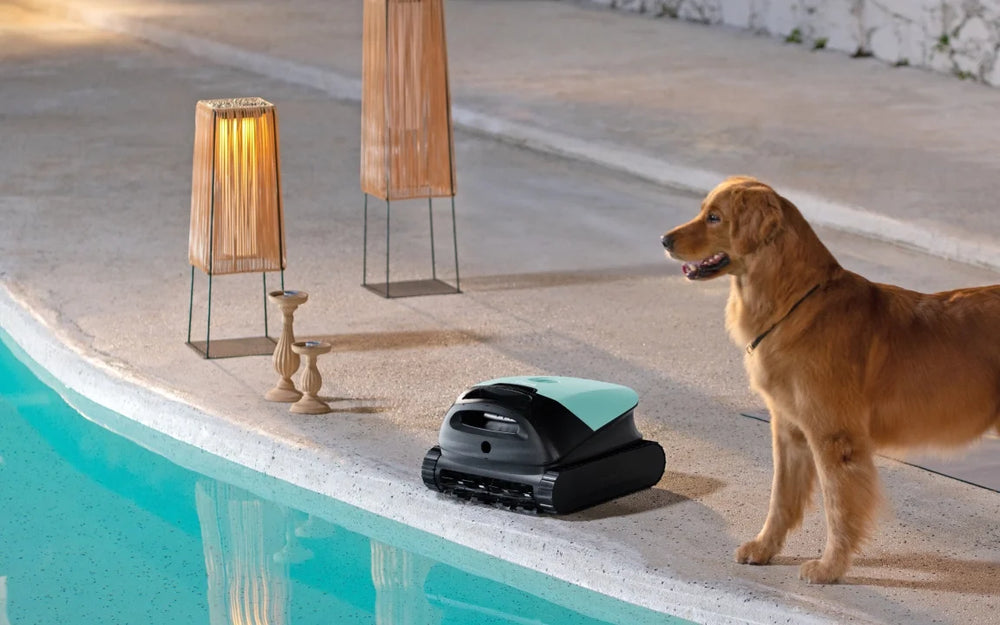
The Beatbot Sora series has three cordless robotic pool cleaners: the Sora 70, Sora 30, and Sora 10. The biggest difference is what each model actually cleans. The Beatbot Sora 70 is the only model in the series that cleans the water surface. The Sora 30 and Sora 10 focus on everything below the waterline. After that, the choice comes down to shallow-area coverage, debris capacity, and how hands-on you want the retrieval process to be. Beatbot Sora 70 vs. 30 vs. 10 If you need water-surface cleaning, the Sora 70 is the only option in this series. If you do not, the Sora 30 and Sora 10 both cover floor, walls, waterline, and shallow platforms. For a closer side-by-side breakdown of mid-range and full-coverage options, the Sora 70 vs Sora 30 comparison explains where the two models differ most. The Sora 30 reaches shallower platforms (down to 8 inches versus 12 inches for the Sora 10) and has a larger 6L debris basket. The Sora 10 is lighter and recharges faster. Sora 70 Sora 30 Sora 10 Cost Fit Premium Mid range Entry level Water Surface Cleaning ✔️ ❌ ❌ Cleaning Zones Floorwallswaterlinesurfaceplatforms Floorwallswaterlineplatforms Floorwalls waterline platforms Shallow-Area Depth As low as 8 in As low as 8 in As low as 12 in Sensors 18 13 11 Pool Coverage Up to 3,200 sq ft Up to 3,200 sq ft Up to 2,600 sq ft Suction Power About 6,800 GPH About 6,800 GPH About 6,800 GPH Filter Basket 6L 5L 5L Battery 10,000mAh 10,000mAh 7,800mAh Retrieval Floats to surface + smart drain Floats to surface + smart drain Parks along pool waterline for 10 minutes Warranty 3 years 2 years 2 years Best For All pool area cleaning in one robot Strong underwater coverage without water surface cleaning Lightweight, lower cost choice Do You Need Water Surface Cleaning? This is the first question to answer. It separates the Sora 70 from the other two models completely. Leaves, pollen, insects, and other debris land on the water surface first. If you clean them there, they never sink to the floor or break down in the water. This is also where the role of a pool skimmer robot becomes different from a traditional underwater pool cleaner. The Beatbot Sora 70 handles this with JetPulse, a dual-jet system that pulls floating debris toward the filter rather than pushing it away. It can run in surface mode for up to 7 hours. You can also steer it remotely across the surface using the Beatbot app. The Beatbot Sora 30 and Beatbot Sora 10 do not clean the water surface. Both models do float to the surface at the end of a cleaning cycle for easy pickup. That is retrieval, not surface cleaning. It means the robot comes to you so you do not have to reach into the water. It does not mean the robot is skimming the surface during the cleaning session. If floating debris is a regular problem in your pool, the Sora 70 is the right path. If your pool stays mostly clear on top and the real issue is the floor, walls, and waterline, the Sora 30 or Sora 10 will cover what you actually need. Which Beatbot Sora Model Fits Your Pool and Cleaning Pattern? Sora 70 for Broader Cleaning Demands The Beatbot Sora 70 robotic pool cleaner covers five zones: water surface, floor, walls, waterline, and shallow platforms down to 8 inches. It is the right choice for pools that collect floating debris regularly, whether from nearby trees, wind, or seasonal conditions. It also suits pool owners who want a single robot to handle the full cleaning workload without separate skimming steps. If you are also considering the AquaSense line, the Sora 70 vs AquaSense 2 comparison can help you decide whether surface cleaning, coverage, or overall feature set matters more. The 6L debris basket handles more before it needs emptying. The 3-year warranty adds coverage that the other two models do not match. Remote surface control via the app means you can guide the robot manually when you want more precision. Sora 30 for Buyers Who Want All-Area Underwater Cleaning The Beatbot Sora 30 robotic pool cleaner covers floor, walls, waterline, and shallow platforms down to 8 inches. It does not clean the water surface. It is the right fit for pool owners who want complete underwater coverage and deeper shallow-area reach without paying for surface cleaning they would not use. If you are choosing between the two underwater-focused models, the Sora 30 vs Sora 10 guide is the more direct comparison. The Sora 30 has a 5L debris basket, a 10,000mAh battery, and an optional 3-micron ultra-fine filter for finer particle capture. It comes with a 2-year warranty and a 30-day return window. Sora 10 for Buyers Focused on Core Cleaning Value The Beatbot Sora 10 robotic pool cleaner covers floor, walls, waterline, and shallow platforms. It is the entry point into the Sora line. It is the right fit for pool owners whose main priority is dependable core cleaning in a lighter, faster-charging package. The Sora 10 weighs 18.7 lbs and recharges in about 3.5 hours at 65W. At the end of every cleaning cycle, it moves to the waterline automatically and holds position for 10 minutes so you can lift it out without reaching into the pool. It carries a 2-year warranty and a 30-day return policy. Pool Compatibility Across the Sora Series All three Beatbot Sora models work in above-ground and in ground pools. They handle all common pool shapes, including rectangular, round, kidney, and freeform, and all standard pool materials: concrete, vinyl, fiberglass, and ceramic tile. All three are rated for saltwater pools with a salt concentration below 5,000 PPM. Compare the Features That Actually Change the Decision All three Sora models share 6,800 GPH suction. Suction power is not the deciding factor here. The differences that change ownership experience are coverage, basket size, battery, retrieval, and warranty. Cleaning Coverage The Sora 70 covers five zones. The Sora 30 and Sora 10 cover four. The missing zone on the Sora 30 and Sora 10 is the water surface. For underwater zones, all three models cover the same areas: floor, walls, waterline, and shallow platforms. Shallow platform depth is where the Sora 30 and Sora 10 diverge. The Sora 30 reaches platforms as shallow as 8 inches. The Sora 10 reaches down to 12 inches. If your pool has a tanning ledge or beach entry shallower than 12 inches, only the Sora 70 or Sora 30 will reach it. Filtration and Debris Basket Size The Sora 70 has a 6L debris basket. The Sora 30 and Sora 10 both have 5L baskets. All three use a standard 150-micron filter. The Sora 70 and Sora 30 both support an optional 3-micron ultra-fine filter for capturing finer particles. In practice, a larger basket means fewer stops to empty it mid-cycle. For pools with heavy leaf fall or significant daily debris, the Sora 70's 6L basket gives more uninterrupted cleaning time. For lighter debris loads, the 5L basket in the Sora 30 and Sora 10 is plenty. Battery and Runtime The Sora 70 and Sora 30 both run up to 4.5 hours for combined floor, wall, and waterline cleaning. The Sora 10 runs up to 4 hours for the same workload. For floor-only cleaning, all three deliver up to 5 hours. The Sora 70 adds up to 7 hours in surface mode on top of that. The Sora 10 has a smaller 7,800mAh battery and recharges about an hour faster than the other two. For most residential pools, the runtime difference between the Sora 30 and Sora 10 is not meaningful. It becomes relevant in larger pools or when you want back-to-back cleaning sessions without waiting. App Control, Retrieval, and Everyday Convenience All three models connect to the Beatbot app via WiFi and Bluetooth. All three support offline control, OTA updates, cleaning scheduling, and water temperature monitoring. The Sora 70 adds remote surface navigation. When the robot is on the water surface, you can steer it directly from the app. One-touch retrieval lets you call it to the surface at any point during or after a cleaning cycle. The Sora 30 floats to the surface automatically at the end of a cycle. One-click parking sends it to the edge for pickup when it is already on the surface. The Sora 10 parks at the waterline automatically when the cycle ends. It holds that position for 10 minutes. No command required. Warranty and Return Policy The Sora 70 comes with a 3-year warranty. The Sora 30 and Sora 10 both carry a 2-year warranty. All three include a 30-day return window. The longer warranty on the Sora 70 reflects its position as the most full-featured model in the series and lowers long-term ownership risk. What to Check Before You Buy a Beatbot Sora Model Before choosing one model, it can also help to browse the full Beatbot Sora Series lineup and compare how each cleaner fits your pool size, debris load, and cleaning expectations. Check Your Main Debris Problem Is most of your debris floating on the surface, settled on the floor, or both? If floating debris is a regular issue, only the Sora 70 addresses it directly. If your pool mostly deals with floor debris, wall buildup, and waterline staining, the Sora 30 or Sora 10 covers those zones. Check How Shallow Your Pool's Platforms Are If your pool has a tanning ledge, beach entry, or sun shelf shallower than 12 inches, only the Sora 70 and Sora 30 will reach those areas. The Sora 10 cleans platforms down to 12 inches. The Sora 70 and Sora 30 go down to 8 inches. Check How Hands-On You Want to Be The Sora 70 gives you the most control: remote surface navigation, one-touch retrieval on demand, and a 5-mode cleaning system. The Sora 30 automates retrieval at the end of a cycle with minimal input. The Sora 10 handles everything automatically and parks itself at the waterline when it is done. If you want to set the robot and come back when it is finished, the Sora 10 does that well. Full Specs: Sora 70 vs. Sora 30 vs. Sora 10 Feature Sora 70 Sora 30 Sora 10 Water Surface Cleaning Yes No No Suction Power 6,800 GPH 6,800 GPH 6,800 GPH Cleaning Zones Floor, walls, waterline, surface, platforms Floor, walls, waterline, platforms Floor, walls, waterline, platforms Shallow-Area Depth As low as 8 in As low as 8 in As low as 12 in Filter Basket 6L / 150 μm 5L / 150 μm 5L / 150 μm Ultra-Fine Filter (3 μm) Optional Optional Coming soon Battery 10,000mAh 10,000mAh 7,800mAh Runtime — Floor Only Up to 5 hours Up to 5 hours Up to 5 hours Runtime — Full Underwater Up to 4.5 hours Up to 4.5 hours Up to 4 hours Runtime — Surface Up to 7 hours N/A N/A Charging Time ~4.5h / 65W ~4.5h / 65W ~3.5h / 65W App + Offline Control ✔️ ✔️ ✔️ Surface Remote Control ✔️ ❌ ❌ Retrieval One-touch via app One-click parking Auto waterline parking Water Temp Monitoring ✔️ ✔️ ✔️ OTA Updates ✔️ ✔️ ✔️ Warranty 3 years 2 years 2 years Return Policy 30-day 30-day 30-day FAQs Which Beatbot Sora model cleans the water surface? Only the Beatbot Sora 70. It uses JetPulse, a dual-jet system that actively pulls floating debris into the filter. The Sora 30 and Sora 10 do not clean the water surface. Can Beatbot Sora cleaners work in above-ground and in ground pools? Yes. All three models work in above-ground and in ground pools across all standard shapes and materials, including concrete, vinyl, fiberglass, and ceramic tile. Do I need the app to use a Beatbot Sora cleaner? No. All three Sora models support offline control. The app adds scheduling, monitoring, OTA updates, and surface remote control on the Sora 70, but it is not required for basic operation. Is the optional 3-micron filter necessary for every pool? No. The standard 150-micron filter handles everyday debris including leaves, sand, and insects. The 3-micron ultra-fine filter is useful if you want to capture finer particles or maintain especially clear water. It is an optional upgrade, not a required accessory. Where can I find the Beatbot Sora user manual? The user manual for each Sora model is available on the Beatbot website product page and included in the box. You can also find it through the Beatbot app after pairing your robot. Which Sora model is best if I care most about runtime and debris capacity? The Beatbot Sora 70. It has the largest debris basket at 6L and the longest total runtime when you include surface cleaning (up to 7 hours in surface mode, plus up to 4.5 hours for underwater cleaning). If you only need underwater cleaning, the Sora 30 matches the Sora 70's underwater runtime with a 5L basket.
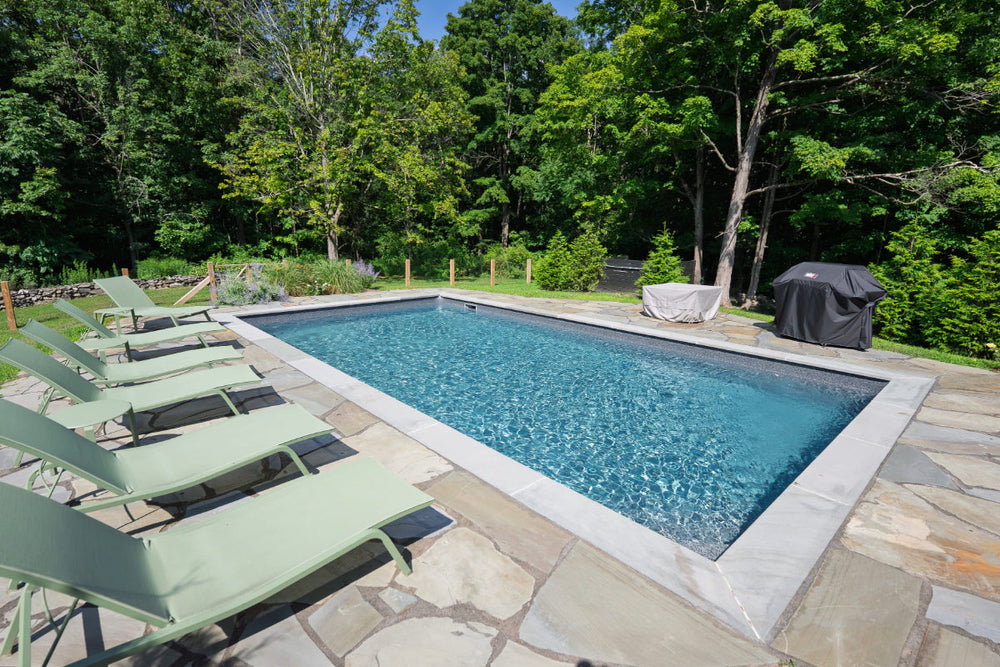
Before buying a robotic pool cleaner, new owners often ask: cost, performance, safety, and value. Learn the key questions to decide if it’s worth it.
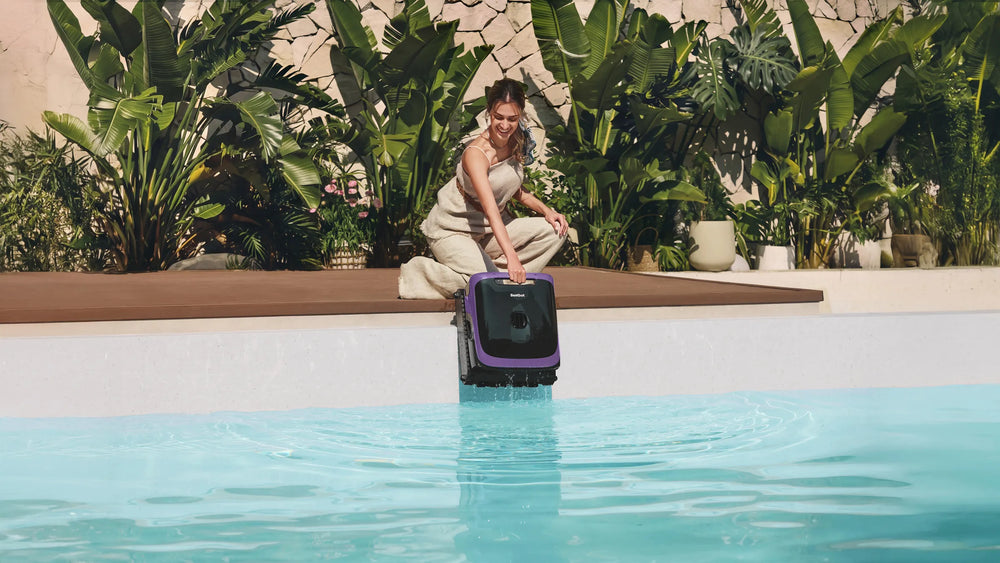
They save hours of manual cleaning, reduce the need for pool services, and with proper care, deliver consistent performance for 3–5 years or more.
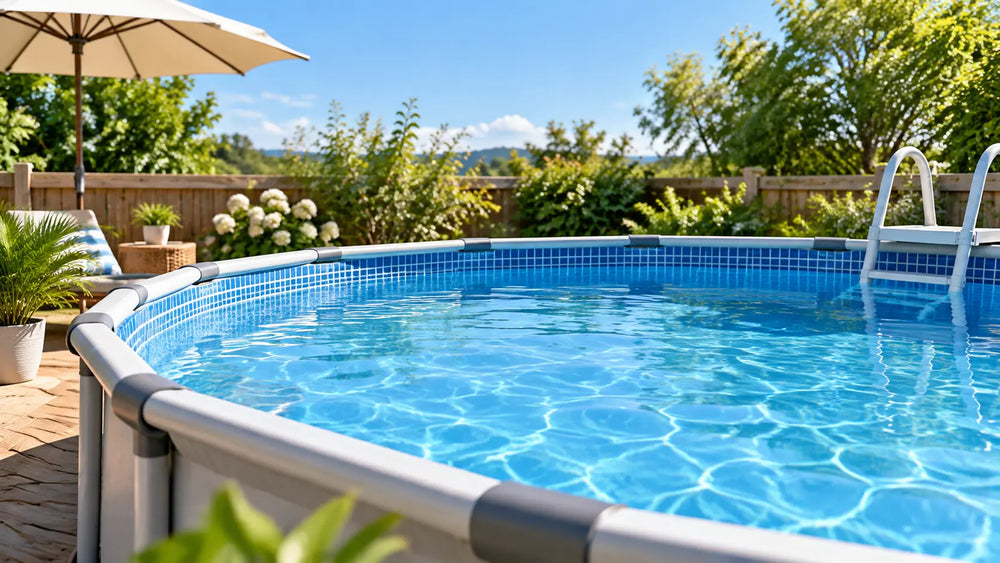
An above-ground pool costs between $1,010 and $5,967 for most homeowners in 2026, including professional installation. The wide range reflects real differences in pool type, size, and site conditions. A soft-sided pop-up pool can be set up for a few hundred dollars; a large aluminum-framed pool with professional installation, a deck, fencing, and electrical work can push past $20,000. How Much Does an Above-Ground Pool Cost? Most homeowners spend between $1,010 and $5,967 on a fully installed above-ground pool. The kit itself — the frame, liner, and basic filtration — typically runs $800 to $5,000 depending on material and size. Professional installation adds $1,000 to $3,000 on top of that. For a complete package with labor, the realistic range for most families is $3,000 to $10,000, with larger metal-framed pools and more complex sites reaching $15,000 or more. The biggest variable is pool type. Here is what each category typically costs for materials only: Pool Type Material Cost DIY-Friendly Key Trade-Off Soft-sided / inflatable $200 – $2,500 Yes Least durable; not permanent Resin frame $1,500 – $3,700 Better with a pro Corrosion-resistant but cold-sensitive Steel frame $1,800 – $5,000 Better with a pro Most popular; durable with proper coating Aluminum frame $3,000 – $10,000+ Pro recommended Longest lifespan; highest upfront cost Steel pools are the most common choice because they offer a strong balance of cost, availability, and lifespan. Aluminum is worth the premium if you live in a harsh climate or want a pool that lasts 20-plus years without corrosion issues. How Does Pool Size and Shape Affect the Price? Larger pools require more materials, longer installation time, more water, and more powerful filtration. A 12-foot round pool might cost under $2,000 in materials; a 30-foot round pool can reach $4,500 before any labor or accessories. Round pools are the most affordable shape at any given size. Oval pools carry a modest premium because the wall support system is more complex. Rectangular pools cost more to manufacture and install but suit yards where a specific footprint matters or structured swimming lanes are a priority. Here is a representative look at round pool material costs by size: Diameter Materials Only (Est.) 12 ft $800 – $1,600 15 ft $800 – $2,100 18 ft $1,200 – $2,700 24 ft $1,300 – $2,900 30 ft $1,600 – $4,500 What Additional Costs Should You Budget For? Site preparation typically runs $1,000 to $3,400 for leveling. Above ground pools must be installed on a flat, stable surface. If your yard has a slope or rocky soil, leveling costs rise quickly. A concrete pad adds roughly $6 per square foot. Fencing is required by most local codes and usually costs $1,500 to $10,000, with an average around $4,000. Most municipalities specify minimum fence height, gate latch type, and pool setback distance from the house and property lines, typically 5 to 10 feet. Requirements vary widely; check with your local building department before finalizing pool placement. A basic filter and pump combo costs $250 to $2,000 depending on pool size. For a large pool, plan on $1,000 or more for a reliable unit. If you want heated water, an above-ground pool heater adds $1,800 to $4,200 installed. Electrical work for pumps and heaters runs $100 for simple setups but can reach $1,500 or more for professional wiring. A deck is not required, but it significantly improves access and adds resale appeal. A 300- to 600-square-foot deck costs $1,000 to $5,000 depending on material. A larger custom deck with composite decking can add $8,000 to $15,000 or more. Permits cost roughly $100 to $300 for the pool itself and an additional $225 to $500 if you are adding a deck. Some jurisdictions do not require permits for small temporary pools; others require inspections for anything permanent. Filling a typical above-ground pool costs $90 to $270, though larger pools cost more depending on local water rates and pool volume. What Are the Ongoing Costs of an Above-Ground Pool? Professional maintenance runs $85 to $150 per month and covers chemical balancing, debris removal, and filter checks. Heating costs range from around $50 per month for a heat pump in mild weather to $600 per month for propane in cooler climates. Chemicals cost roughly $15 per month for a chlorinated pool. A saltwater conversion runs $750 to $2,000 upfront and reduces ongoing chemical costs, though the salt cell needs replacement every few years. Opening the pool in spring costs $250 to $350; winterizing it costs $175 to $300. Common ongoing problems include liner tears, pump failures, and algae buildup from irregular cleaning. Patching a small liner hole is as low as $20 with a DIY kit. Replacing a damaged liner costs around $2,500. Pump replacement typically runs $250 to $500 for the unit, plus any labor. Algae remediation, if the pool is left untreated for an extended period, can cost $150 to $400 in chemicals and professional service. Keeping the pool properly balanced and covered during the off-season is the most cost-effective way to avoid all three. Is an Above-Ground Pool Worth It? For most homeowners, the value equation depends on how long you plan to stay in the home and how much you will actually use the pool. A metal-framed above-ground pool with a 10- to 20-year lifespan costs a fraction of an in ground pool while delivering the same core experience for recreational swimmers. If your household uses the pool regularly through the season, the per-use cost drops quickly. The main downsides: above ground pools generally do not add resale value the way in ground pools do. In warm-weather markets, homes with pools can sell for 7% to 8% more, but that premium almost always applies to in-ground installations. A low-end above-ground pool can have a neutral or slightly negative effect on resale value if buyers view it as a maintenance liability. above ground pools are also shallower by design, typically 48 to 52 inches, and require more effort to integrate visually into a yard. A well-maintained metal-framed pool with a deck and fencing holds up better than a weathered soft-sided pool in an unmaintained yard. If resale value is a primary concern, consult a local real estate agent before committing to a pool type and placement. DIY vs. Professional Installation Soft-sided and inflatable pools are genuinely DIY-friendly and can be set up in an afternoon. Resin and metal-framed pools are a different matter. Professional installation adds $1,000 to $3,000, but it also comes with proper yard leveling, correct electrical work, and usually a workmanship guarantee. DIY installation on a hard-sided pool that develops a leak or a structural problem can cost more to fix than the installation labor would have cost in the first place. Any installation involving electrical components, including pumps, heaters, and lighting, should be handled by a licensed professional. Licensed electrical work is required by most local codes when water is involved. Tips to Save Money on Above-Ground Pool Installation Buying a pool kit bundles the frame, liner, filter, and pump at a lower combined price than purchasing each component separately. The cheapest months to buy are generally September through February, when retailers discount remaining inventory and installer schedules have more availability. Shopping in the off-season also gives you time to address yard leveling before spring installation season begins. Handling land prep yourself, if the site is already reasonably level, removes one of the largest variable costs. Skipping a permanent deck in favor of a simple ladder and step system saves $1,000 to $5,000 or more at installation time, with the option to add a deck later. How to Keep an Above-Ground Pool Clean above ground pools need regular floor vacuuming, wall brushing, surface skimming, and chemical balancing. The practical difference from in ground pools is that above-ground liners are less forgiving: debris sitting on the floor long enough can stain or degrade vinyl, and algae that takes hold on walls is harder to clear than to prevent. A robotic pool cleaner replaces most of the weekly manual work and is especially well-suited to above ground pools, where the liner rewards gentle, consistent cleaning over aggressive scrubbing. For straightforward above-ground setups, the Beatbot Sora 10 robotic pool cleaner handles floor, wall, and waterline in one cycle. When the cycle ends, it parks itself at the waterline and can be lifted out without reaching into the pool. It also cleans shallow platforms as low as 30 cm (about 12 inches), useful for pools with entry steps. The Beatbot Sora 30 robotic pool cleaner covers the same three zones with deeper shallow-area reach — down to 20 cm (about 8 inches) — so tanning ledges and low platforms where algae tends to start are included in every run. If falling leaves and pollen regularly settle on the surface, the Beatbot Sora 70 robotic pool cleaner adds a water-surface pass to floor, wall, and waterline cleaning — a four-zone cycle that catches floating debris before it waterlogs and sinks. Its JetPulse system bursts water through the inlet in short pulses to dislodge stuck-on debris that steady suction alone would skip, and it cleans shallow areas down to 20 cm (about 8 inches). FAQs How long does it take to install an above-ground pool? Most above ground pools take one to three days to install. Soft-sided pools can be done in a few hours. Hard-sided metal or resin pools with professional installation typically take one full day, plus additional time if land leveling or deck construction is needed. How long does an above-ground pool last? With proper maintenance, a metal-framed above-ground pool lasts 10 to 20 years. Heavy-gauge aluminum lasts longer than steel in humid or coastal climates. Soft-sided and inflatable pools typically last two to five years. Do above ground pools affect homeowners insurance? Yes. Adding an above-ground pool typically increases homeowners insurance premiums because it raises liability exposure. Most insurers require notification when a pool is installed and may require a minimum fence height or self-latching gate as a condition of continued coverage. Contact your insurer before installation to confirm requirements and get an updated premium estimate. How far does an above-ground pool need to be from the house? Most local codes require above ground pools to be set back at least 5 to 10 feet from the house, property lines, and utility easements, though the exact distance varies by jurisdiction. Overhead power lines also require clearance. Check with your local building department before finalizing placement, as setback violations can require pool relocation at significant cost.
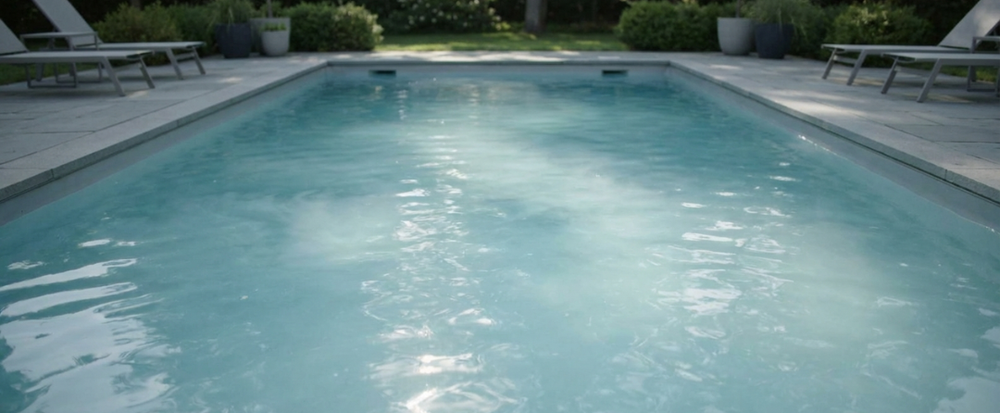
A pool can turn cloudy after shock for a simple reason. The chlorine is reacting to algae, sweat, sunscreen, dirt, and other waste in the water. That part can be normal. The trouble starts when the water stays cloudy, gets worse, or clears for a few hours and then slips right back. In most cases, that means the pool still has a sanitation issue, a balance issue, a filtration issue, or some mix of the three. The fix starts with the cause. Then you deal with whatever is still suspended in the water. A Cloudy Pool After Shock Can Be Normal, but Only for a Short Time Cloudy water right after shock does not always mean something went wrong. Shock kills algae and burns through waste. Once that happens, small particles can stay suspended until the filter removes them. For a short stretch, dull or hazy water can be part of the cleanup. That stretch should be short. If the pool keeps getting milkier, stays green, or still looks cloudy after steady circulation and cleanup, it has moved past a normal recovery stage. At that point, waiting longer usually does not solve much. You need to find what is still keeping the water from clearing. Why Your Pool Is Still Cloudy After Shock When a pool stays cloudy after shock, something in the system is still out of line. In most cases, the cause falls into four groups. The chlorine is not staying active long enough. The water balance is making the chlorine less effective. The filter is not removing what is left behind. Or dead algae and debris are still sitting in the pool. Low Free Chlorine or High Chlorine Demand A cloudy pool often stays cloudy when free chlorine never gets high enough to finish the job, or when it gets used up too fast. You see that a lot in pools with algae, heavy swimmer load, or high combined chlorine. The water may look a little better for a while, then lose clarity again. That pattern usually points to chlorine demand, not a one-time clarity issue. That is why repeated blind shocking often leads nowhere. The pool does not just need more chlorine. It needs chlorine that can stay active long enough to sanitize the water. Water Chemistry That Makes Shock Less Effective Shock works best in balanced water. If pH climbs too high, chlorine loses strength and the water can start to look dull or cloudy. If cyanuric acid gets too high, chlorine can show up on a test and still act weak in the pool. If calcium hardness runs high, the water can turn white or milky from fine mineral clouding. A few numbers help put that in context. In a standard pool, free chlorine often sits around 1 to 3 ppm. Outdoor pools usually do best with cyanuric acid in the 30 to 50 ppm range. Salt water pools often run higher, around 60 to 80 ppm. Once pH rises above about 7.8, cloudy water becomes more likely and chlorine loses bite. The shock itself can add to the problem. Calcium hypochlorite is strong, but it adds calcium. In a pool that already runs high on calcium, that can push the water closer to cloudiness. In a salt water pool, that risk can be even higher. Dichlor is easier on calcium, but it adds cyanuric acid. Non chlorine shock can help burn off waste, but it will not clear an algae-driven cloudy pool by itself. Filtration and Circulation Problems Shock can kill the problem and still leave the pool cloudy if the filter is not removing what is left behind. A dirty cartridge, worn filter media, weak pump flow, a clogged basket, short run time, or poor circulation can all slow recovery. Many cloudy pools get stuck right here. The sanitizer does its job, but the particles stay suspended. The water improves a little, then stops improving. When that happens, the filter is often the bottleneck. Contaminants, Debris, and Dead Algae Still in the Water Shock is not the same as removal. It can kill algae and break down contamination, but the dead material still has to leave the pool. Storm runoff, pollen, leaves, body oils, dirt, and early algae growth can all keep the water cloudy after shock. One easy clue is what happens when you brush the walls or floor. If the water clouds up again right away, there is still material in the pool that needs to be filtered out or vacuumed away. What to Do When Pool Water Is Still Cloudy After Shock Cloudy water clears faster when you handle the pool in the right order. Start with the water balance. Then give the filter a real chance to work. After that, clean out whatever is still in the pool. Clarifier or floc can help in the right case, but neither one fixes bad chemistry or weak circulation. Step 1: Test and Rebalance Before Adding More Shock Start with a fresh water test. Check free chlorine, combined chlorine, pH, cyanuric acid, and calcium hardness. If pH is high, chlorine loses strength. If cyanuric acid is high, chlorine gets tied up. If calcium is high, the cloudiness may be mineral based rather than algae based. This step saves time and chemicals. A pool with bad balance rarely gets clear from extra shock alone. Step 2: Run the Pump and Clean the Filter Once the balance is back in range, let the filter do real work. Run the pump long enough to move the whole pool through the system. Clean the cartridge, backwash when pressure rises, empty baskets, and check for weak return flow. Water clears when suspended material leaves the pool. If the filter is dirty or restricted, recovery slows down fast. In many pools, longer filtration during recovery does more than another bag of shock. Step 3: Brush, Skim, and Vacuum the Pool Physical cleanup matters after shock. Brush the walls, steps, ladders, and floor so dead algae and fine dirt do not stay stuck to surfaces. Skim what is floating. Vacuum what settles. This is often the step that finally turns the water around. A pool can test better and still look bad if the dead material never gets removed. Once the water is back in range, cleanup can become the slowest part of the job. That is where the Beatbot AquaSense X pool robot can fit. It cleans the floor, walls, waterline, and surface in one pass, so it can pick up more of the dead algae, leaves, and leftover debris that tend to build up after shock. Its up to 6,800 GPH suction, 5L debris basket, and ClearWater clarification support make it better suited to this stage than a basic cleaner that fills up fast or misses fine material. It will not fix bad water chemistry or a weak filter. What it can do is take a lot of the manual cleanup out of the recovery phase and help the pool get back to clear with less hands-on work. Step 4: Use Clarifier or Floc Only in the Right Scenario Clarifier works best for light to moderate cloudiness when the filter is in decent shape and the chemistry is close to balanced. It binds tiny particles into larger ones so the filter can catch them. It is slower than floc. In many pools, it takes a couple of days of steady filtration to show the full result. Floc is stronger and faster. It drops suspended material to the floor so you can vacuum it out. That speed comes with extra work. It needs time to settle, often overnight, and it works best when you can vacuum to waste. It is not a good fit for every setup, and it is not for cartridge filters. It is a cleanup tool for heavy cloudiness, not a substitute for fixing the water balance first. How Long It Takes to Clear and When It Is Safe to Swim Again A lightly cloudy pool can clear in a day or two once chlorine, pH, and filtration are lined up. A pool with algae, high cyanuric acid, high calcium, or a weak filter can take longer. Clarifier often needs a couple of days. Floc works faster, but it adds manual vacuum work right after. Swimming should wait until the water is safe and clear enough to see the bottom. Good chlorine numbers alone do not solve the visibility issue. If the main drain is hard to see, the pool is not ready for swimmers. With cal hypo shock, a common rule is to wait at least eight hours and retest before anyone gets in. Non chlorine shock can allow a faster return, but it is not the right answer for every cloudy pool. FAQ Why is my pool still cloudy after shock and clarifier? Clarifier only helps the filter catch fine particles. It does not kill algae, lower cyanuric acid, reduce calcium, or fix weak circulation. If the pool is still cloudy after shock and clarifier, the filter may be overloaded, the water may still be out of balance, or chlorine demand may still be high. Will a cloudy pool clear on its own? Sometimes. Mild haze right after shock can clear with filtration, brushing, and time. A pool that stays cloudy, turns milkier, or clouds up again after brushing usually needs more than patience. That usually points to bad balance, weak filtration, or leftover debris. What happens if you put too much shock in a pool? Too much shock can push the water out of balance instead of cleaning it faster. Cal hypo can raise calcium. Some shock products can raise pH. Stabilized shock can raise cyanuric acid. Any of those shifts can leave the pool cloudy or make chlorine less effective. Will muriatic acid clear a cloudy pool? Only when high pH is part of the problem. Muriatic acid can lower pH, and that may help cloudy water caused by poor chlorine performance or calcium clouding. It is not a full cloudy pool cure on its own. If the real issue is algae, dirty filtration, or high cyanuric acid, acid alone will not clear the pool.
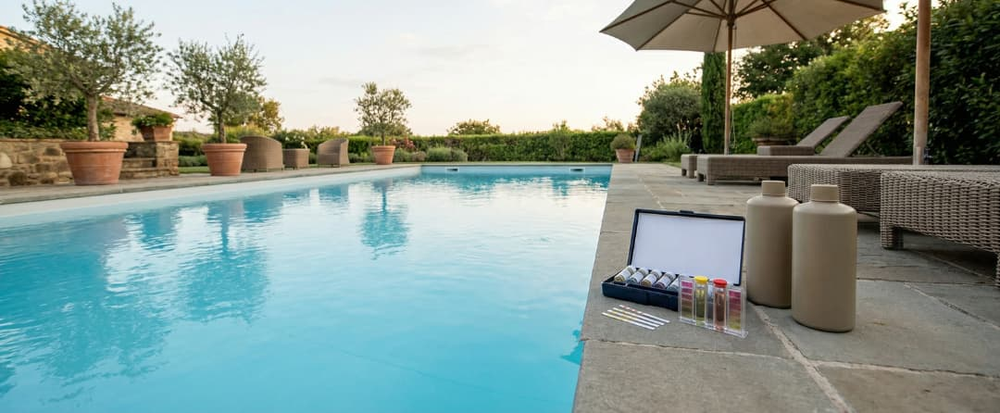
In most cases, you can swim 20 to 30 minutes after adding routine balancing chemicals such as pH increaser, pH decreaser, alkalinity increaser, clarifier, or algaecide, as long as the pump is running and the product label does not say otherwise. Swim Wait Times by Chemical These times are only starting points. The real green light is whether the chemical has fully dispersed and the water has tested back into range. After adding pH or Alkalinity Chemicals You can usually swim about 20 to 30 minutes after adding pH increaser, pH decreaser, or an alkalinity increaser, provided the pump is running and the chemical has had time to circulate. If your test shows pH is too high, you may need to lower pool pH before anyone swims. These products are commonly used for routine balancing, so the wait is usually short. But if pH and alkalinity are both outside the ideal range, you may need to adjust pool alkalinity before making another chemical change. A higher dose or poor circulation can extend the actual wait time. After Adding Pool Clarifier, Stabilizer, and Algaecide Clarifier and algaecide often allow swimming again after 15 to 30 minuteswith the pump on, but the label should always come first. These are not usually treated like shock or acid, yet they still need time to move through the pool. Stabilizer, also called cyanuric acid, deserves a little more care. While you can swim immediately, it is best to wait until it fully dissolves, which can take up to 24 hours. After Adding Calcium Hardness Increaser Calcium hardness increaser usually needs 2 to 4 hours, and one full circulation cycle is even better. This is less about immediate swimmer irritation and more about giving the product enough time to dissolve and distribute evenly through the pool. If calcium is not fully mixed, your readings can be misleading and the water may still be uneven in different areas of the pool. When the dose is large, many pool owners wait several hours or even until the next day before swimming. After Adding Chlorine If you add liquid chlorine or chlorine granules, a 2 to 4 hourwait is a reasonable starting point. But do not judge only by the clock. Swim only when free chlorine has dropped back into the normal swimming range for your pool. It is whether chlorine is in range and whether the tablets are being fed properly through the system instead of creating concentrated water in one area. Test free chlorine and pH before anyone gets in. After Shocking a Pool Shock needs the longest wait in most normal pool-care situations. A common rule is 8 to 24 hours, and 24 hours is the safer baseline unless the product clearly allows a shorter return-to-swim time. This matters even more when using pool opening chemicals after a long off-season. Non-chlorine shock may allow a shorter wait, but that should still come from the label, not guesswork. After Adding Muriatic Acid Muriatic acid usually requires about 30 minutes to 1 hourwith the pump running. The concern is not just the final pH reading. Right after dosing, acid can remain concentrated in one area before it fully disperses. Add it carefully, keep circulation going, and do not let anyone in until the pool has had time to distribute the dose. After Adding Flocculant You should wait 24 to 48 hours after adding pool flocculant (floc) before swimming. Floc works by binding fine particles together and dropping them to the bottom so they can be vacuumed out. Wait until the floc has fully settled, vacuum the pool to waste if required by the product, and only swim after the debris has been removed. How Long After Adding Pool Chemicals Can You Retest? Retest timing depends on what you added and how long the water needs to circulate. For smaller balance adjustments such as pH increaser, pH decreaser, alkalinity increaser, clarifier, or algaecide, retesting after about 30 minutes is usually reasonable if the pump has been running. If the alkalinity reading is too low, raise alkalinity in a pool before making another pH adjustment. If circulation is weak or the dose was larger than normal, waiting closer to 1 hour gives a more reliable result. For chlorine, calcium hardness increaser, and muriatic acid, retesting after 2 to 4 hours is more useful because the treatment needs more time to disperse evenly. For shock, many pool owners retest several hours later or the next day, depending on the product and dose. Do not retest based on speed alone. Retest after the chemical has had enough time to move through the full body of water, and always keep the pump running during that period. Why Pool Chemical Wait Times Can Vary The Type and Strength of the Chemical: Not all pool chemicals behave the same way once they hit the water. Dose matters just as much as product type. Pool Size, Circulation, and Filtration Time: A larger pool usually needs more time for chemicals to circulate throughout the entire body of water. Filtration time: In many pools, one full circulation cycle gives a better safety margin than a fixed number of minutes alone. Sun, Heavy Use, and Water Conditions: Strong sun can burn off chlorine faster. Heavy swimmer use can push chlorine demand up. Debris, algae, and cloudy water can all make the treatment process less predictable. Common Mistakes to Avoid Before Swimming One common mistake is assuming every pool chemical has the same wait time. A short wait after pH adjustment does notmean the same rule applies to shock, acid, or flocculant. Another mistake is relying on time alone. Wait times are only estimates because pool size, circulation, dose strength, sunlight, debris load, and starting water condition all affect how quickly the pool returns to normal. The third mistake is getting back in before testing. If chlorine is still high after shock, or pH is still off after acid or alkalinity treatment, the pool is not ready no matter what the clock says. How Better Daily Cleaning Can Help You Avoid Last-Minute Chemical Problems Debris makes pool chemistry harder to control. Leaves, pollen, bugs, and fine dirt raise the organic load, use up chlorine faster, and can lead to last-minute chemical adjustments before swim time. Beatbot Sora 70 pool robotic cleaner helps reduce that problem by cleaning the water surface, floor, walls, waterline, and shallow areas in one machine. The Beatbot Sora 70 also targets floating debris with its JetPulse™ water-surface cleaning system, so leaves and insects are removed before they break down in the pool. It cleans shallow areas down to 8 inches and uses strong suction with a large 6L debris basket for longer cleaning runs with fewer stops. Final Thoughts Follow the label, keep the pump running, and test the water before swimming. That simple routine is the safest way to avoid problems after any pool treatment. If you are working on overall pool care, you can keep going by exploring Beatbot’s other pages for more help with routine maintenance, pool cleaning, and product options for different pool setups. FAQs Can you swim after adding alkalinity increaser? Yes, in most cases you can swim about 20 to 30 minutes after adding alkalinity increaser, as long as the pump is running and the chemical has circulated. What is the golden rule when using pool water chemicals? Read the label, let the water circulate, and test before swimming. How long does it take for a pool to clear up after chemicals? It depends on the problem and the chemical used. Some pools improve within a few hours, but cloudy water can take up to a day or more to fully clear, especially after heavy debris, algae, or floc treatment. Can you add multiple pool chemicals at the same time? It is better not to unless the product label says it is safe. Some chemicals can interfere with each other, react too quickly, or give you inaccurate test results if they are added too close together. What happens if you swim too soon after adding pool chemicals? The most common issues are eye irritation, itchy skin, dryness, and discomfort. If the chemical is still concentrated in part of the pool, the reaction can be stronger. That is why circulation time and testing matter. Do saltwater pools follow the same swim-wait rules? Yes, in most cases. A saltwater pool still needs balanced water before anyone swims. If you add acid, alkalinity products, shock, or other treatment chemicals, the same basic wait-and-test rule still applies. Is it better to add pool chemicals at night? For many treatments, yes. Nighttime gives the water time to circulate without swimmers, and chlorine is not being burned off by direct sun as quickly. It also makes it easier to leave longer treatments undisturbed. What should you do if someone gets in the pool too soon after chemicals were added? Have them get out right away and rinse off with fresh water. If their eyes or skin stay irritated, or if a strong chemical dose was just added, get medical advice. Can a robotic pool cleaner replace water testing after adding chemicals? No. A robotic pool cleaner helps remove debris, but it does not tell you whether chlorine, pH, or alkalinity are in range. A model like the Beatbot Sora 70 robotic pool cleanercan make daily cleaning easier and reduce debris-related water problems, but you still need to test the water before swimming.

Technology
Beatbot is redefining intelligent pool care through advanced AI technologies that perceive, understand, and adapt to complex pool environments with greater precision and autonomy.
Learn More
Partnership
Driven by a shared passion for innovation and peak performance, Beatbot and the U.S. SailGP Team came together to push the boundaries of what technology can achieve—on the water and beyond.
Learn More
Event
At CES 2026, Beatbot unveiled our latest innovations in intelligent pool care, introducing the AquaSense X ecosystem and the new Sora series. Powered by advances in AI, intelligent perception, and autonomous navigation, our latest technologies demonstrated how pool care can become smarter, more autonomous, and more effortless.
Learn More
News
Beatbot AquaSense X has been honored with the 2026 iF DESIGN AWARD, recognizing its breakthrough innovation, human-centric experience, and distinctive design. The award marks another milestone in Beatbot’s pursuit of smarter, more effortless pool care.
Learn More
Partnership
Beatbot For Future brings our belief in technology for good to life. Through environmental conservation, STEM education, and community initiatives, we’re working with like-minded partners to create lasting impact for people, communities, and the planet.
Learn MoreTechnology
Beatbot is redefining intelligent pool care through advanced AI technologies that perceive, understand, and adapt to complex pool environments with greater precision and autonomy.
Learn MorePartnership
Driven by a shared passion for innovation and peak performance, Beatbot and the U.S. SailGP Team came together to push the boundaries of what technology can achieve—on the water and beyond.
Learn MoreEvent
At CES 2026, Beatbot unveiled our latest innovations in intelligent pool care, introducing the AquaSense X ecosystem and the new Sora series. Powered by advances in AI, intelligent perception, and autonomous navigation, our latest technologies demonstrated how pool care can become smarter, more autonomous, and more effortless.
Learn MoreNews
Beatbot AquaSense X has been honored with the 2026 iF DESIGN AWARD, recognizing its breakthrough innovation, human-centric experience, and distinctive design. The award marks another milestone in Beatbot’s pursuit of smarter, more effortless pool care.
Learn MorePartnership
Beatbot For Future brings our belief in technology for good to life. Through environmental conservation, STEM education, and community initiatives, we’re working with like-minded partners to create lasting impact for people, communities, and the planet.
Learn MoreBe the first to discover new products, get exclusive offers, and receive the latest tips and stories from Beatbot.