Most Popular


 Sora Series


 AquaSense Series

 Skimmer & Bundle

 Retail Edition


 Accessories


A pool cleaning robot can make a noticeable difference in pool water quality. It does not treat the water. It keeps the debris and buildup that wreck water quality from piling up in the first place. A good robotic pool cleaner supports pool water clarity by pulling out debris early, scrubbing the spots where grime sticks, and easing the load on your sanitizer so your chemistry stays steadier week to week.
Why Water Quality Problems Start on Pool Surfaces (Not Just in the Filter)

When the water looks dull, it is natural to blame the filter. But a lot of water issues start on the pool's surfaces.
Leaves, pollen, sand, body oils, and sunscreen do not instantly get swept into the filtration system. They settle on the floor, cling to the walls, collect on steps and ledges, and build up at the waterline. From there, they break down slowly. That breakdown clouds the water and pushes chlorine demand higher.
That is why a pool can test fine and still look off. The chemistry may be close. The pool is simply carrying too much organic load.
Common culprits behind repeat water-quality issues:
-
Organic debris that decomposes, like leaves, bugs, and pollen
-
Biofilm on walls and the waterline, a slippery layer microbes can hide in
-
Low-flow areas where debris settles, like corners, steps, tanning ledges, and slopes
-
Inconsistent brushing, which helps a lot but rarely happens as often as it should
A robot helps because it cleans the places circulation does not clean aggressively.
How Pool Cleaning Robots Remove Contaminants Before They Affect Your Chemistry
Better water usually comes down to one idea. Get debris out before it turns into a chemistry problem.
A pool cleaning robot runs independently from your pump and filter. It moves through the pool, scrubs surfaces, and traps debris in its own filtration. That means less material is left behind to break down in the water.
Here is the chain most pool owners recognize: when debris sits in the pool, it starts breaking down, chlorine gets used up faster, the water begins to look dull, and algae has an easier time getting started. Robots help by cutting that chain early.
What that can look like in day-to-day pool water clarity:
-
Less decay happening in the pool, so chlorine stays steadier
-
Cleaner-looking water even when the numbers look good, because fine debris like dust and pollen is a big cause of haze
-
Less surface buildup, since scrubbing loosens grime and biofilm so it can be collected instead of sticking around
The biggest gains come from routine cleaning, not one big clean every couple of weeks.
Improving Circulation Where Pool Systems Fall Short

Even a well-designed pool has slow areas. Steps, corners, tanning ledges, and slopes tend to collect debris and give algae a quiet place to start.
A robot does not replace your pump. But it moves through those low-flow zones, stirs things up, and cleans surfaces that return jets do not always cover well. That matters for water quality because uneven water movement can lead to uneven sanitizer distribution, especially during heavy swim weeks or windy debris seasons.
If you use smart pool gear such as connected pumps, timers, or chemical monitoring, a robot can make the whole setup feel easier. Cleaner baseline water means automation has less catch-up work to do.
Why Scrubbing Walls and the Waterline Matters for Clean, Healthy Water

If your goal is better water, walls and the waterline deserve more attention than most people give them.
The waterline collects oils, sunscreen residue, and airborne grime. It is also a common place for biofilm to build. Algae often starts on walls before it shows up as a water problem.
Scrubbing those surfaces helps in two ways:
-
It removes buildup that can keep reintroducing contaminants into the water
-
It cuts down on the hidden gunk that quietly burns through sanitizer
Some modern robotic pool cleaners are designed to maintain contact at the waterline and scrub it consistently. That can be especially noticeable in pools with frequent swimmers or heavy sunscreen use.
Pool Cleaning Robots vs. Suction and Pressure Cleaners (Water Quality Focus)
There are a few ways to automate cleaning. From a water-quality standpoint, the biggest differences are where debris gets filtered and how well surfaces get scrubbed.
|
Feature (Water-Quality Impact) |
Robotic Pool Cleaner |
Suction-Side Cleaner |
Pressure-Side Cleaner |
|
Filtration location |
Onboard filter captures debris directly |
Debris often goes to pool filter or pump basket |
Debris goes to a bag or filter on the unit |
|
Fine particle capture (haze reduction) |
Often strong, depends on filter density |
Usually limited by pool filter setup |
Moderate, depends on bag or filter |
|
Effect on main pool filter |
Can reduce load on the main filter |
Can increase load |
Can reduce some load, varies |
|
Surface scrubbing (biofilm control) |
Stronger, especially on walls and waterline |
Varies, often weaker |
Varies |
|
Walls and waterline cleaning |
Many models can do both |
Often floor-focused |
Some can, many are floor-focused |
|
Chemistry stability support |
Better organics removal can smooth chlorine demand |
Less consistent organics removal |
Moderate |
If you deal with recurring cloudiness or algae pressure, a robotic pool cleaner is often the most direct way to remove what keeps those problems coming back.
Do Pool Cleaning Robots Reduce Chemical Use and Algae Growth?
They can, because they remove what chlorine would otherwise have to handle.
Organic debris breaking down in the pool consumes sanitizer. Biofilm and surface grime give algae a better place to hold on. When a robot keeps surfaces cleaner and pulls debris out early, many pool owners notice fewer chemistry swings and less need for rescue treatments.
A robot will not replace proper water balance. It can make the pool easier to keep balanced.
What You Can Measure in Your Pool (Simple Evidence Tracking)
If you want to see whether it is helping, track stability for 2 to 4 weeks. You are looking for fewer surprises, not perfection.
A few easy signals are free chlorine stability (fewer unexplained dips between tests), shock frequency (fewer times you need to shock just to get clarity back), filter pressure rise (slower increases that can mean less debris burden overall), and cloudy episodes (fewer days where water looks dull even with decent readings).
|
What to Track |
Baseline (Week 1) |
After Robot Routine (Weeks 3–4) |
Why It Matters |
|
Free chlorine swing |
Smaller swings can mean lower organic demand |
||
|
Number of shocks |
Less recovery work often signals better hygiene |
||
|
Filter pressure increase |
Slower rise can suggest less debris hitting the system |
||
|
Visible clarity days |
More consistent clarity usually means cleaner water overall |
Keep the variables in mind. Bather load, temperature, debris volume, existing algae, and stabilizer level all change what normal looks like. The most useful result is a steadier week-to-week pattern.
What Makes a Pool Cleaning Robot Effective for Water Quality?

If water quality is the goal, focus on what actually improves clarity and hygiene.
What matters most:
-
Filtration level, since finer filtration often improves haze and clarity
-
Cleaning coverage, since floor, walls, and waterline coverage supports hygiene
-
Navigation consistency, since missed zones lead to recontamination
-
Runtime, since complete cycles support routine cleanliness
-
Ease of maintenance, since performance drops when filter cleaning becomes a hassle
A Real-World Example of What Water-Quality-Focused Looks Like
Here's what those criteria look like when they show up together in a real product.
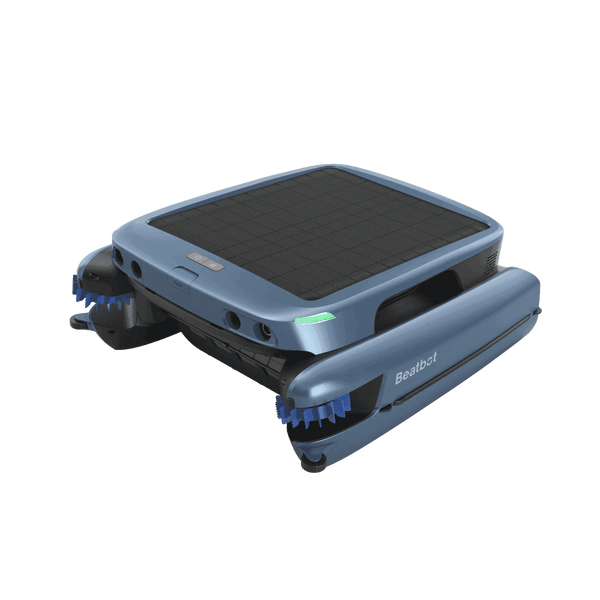
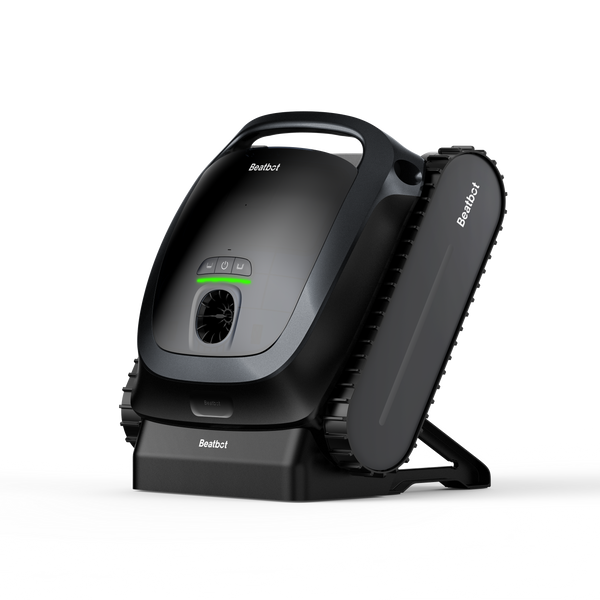
Take Beatbot AquaSense X as a clean example of water-quality-first design. The goal is simple: pull debris out early and keep surface buildup from turning into a chemistry headache. Its onboard filtration uses dual filter layers (150 μm and 250 μm), which helps catch both the fine particles that cause haze and the larger organic debris that tends to drive chlorine demand.
A 3.7 L debris basket also supports longer, steadier cleaning without you having to stop and empty it constantly, which is what makes a routine realistic.
Coverage matters just as much as filtration. AquaSense X is designed to clean the floor, walls, and waterline, which helps reduce the surface buildup that can keep reintroducing contaminants back into the water. With two suction ports and up to 5,500 GPH of suction power, it's built for consistent pickup across the pool, including areas where debris likes to settle.
For regular use, it offers up to 5 hours of floor cleaning per charge and recharges on a dock charging station in about 3 to 3.3 hours, using a 10,400 mAh lithium-ion battery. Those details matter because consistency is where the water-quality payoff comes from. When cleaning is easy to keep up with, water clarity tends to stay steadier.
This isn't about picking a model. It's about knowing what to look for when filtration, coverage, and everyday usability all point toward better water.
When a Pool Cleaning Robot Makes the Biggest Difference
Robots help in most pools, but the payoff is biggest when your pool has constant inputs working against clarity.
You will usually notice the biggest improvement when your pool has steady inputs working against clarity, such as being near trees, dust, or sand that add ongoing debris and fine particles, having frequent swimmers that leave oils and sunscreen at the waterline, or spending long warm stretches that increase algae pressure. It also shows up when you are simply tired of water that looks dull even after you balance it.
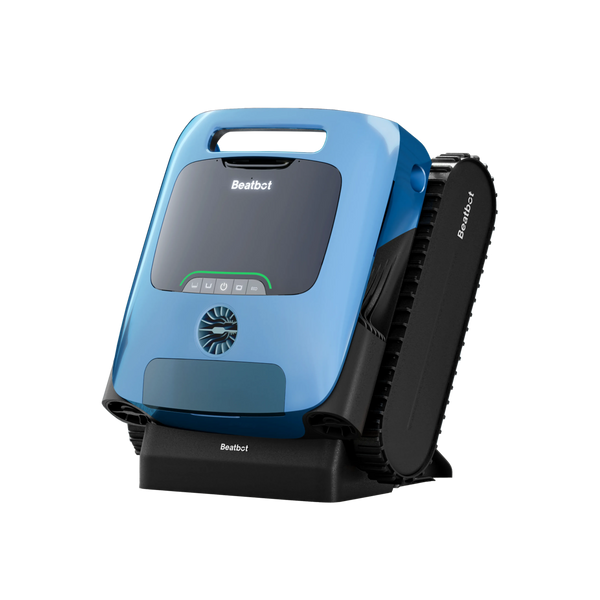
In these everyday situations, a well-balanced robot is often all you need to stay ahead of buildup. For example, Sora 70 fits typical residential conditions where routine debris removal and surface cleaning make the biggest difference. It's designed for consistent use across core cleaning zones, which can help cut down on cloudy stretches and keep chemistry from swinging as often in a normal backyard pool routine.
The main idea is to match the robot to what your pool is actually dealing with. When coverage and filtration line up with your real conditions, the improvement in clarity tends to be more predictable and easier to maintain.
Real-World Maintenance Tips to Maximize Water Quality Results
Most frustration comes from expectations that do not match how pools work, or from skipping the simple steps that keep performance high. The routine is usually quick.
A maintenance approach that supports water clarity:
-
Empty the basket based on conditions, not a calendar. After storms, windy days, or a big swim weekend, check it sooner.
-
Rinse filters as needed. Fine debris clogs filtration faster, and a quick rinse keeps suction strong.
-
Pull the robot after a cycle when practical. Letting it dry can reduce wear and keeps the pool less cluttered.
-
Stick to consistent cycles. Water stays clearer when debris and biofilm never get a chance to build up.
FAQs
Do pool cleaning robots really improve water quality?
Yes. By removing debris early and scrubbing surface buildup, a pool cleaning robot reduces organic load and helps maintain clearer, steadier water.
Can a robotic pool cleaner help prevent algae?
It helps by scrubbing walls and reducing biofilm and debris that support algae growth. You still need proper sanitizer and balance, but the pool is easier to manage.
Is a robotic pool cleaner better than a suction cleaner for water clarity?
Often, yes. Many robotic pool cleaners use onboard filtration and stronger surface scrubbing, which can improve pool water clarity more consistently.
Do pool cleaning robots reduce chemical use?
They can reduce chlorine demand by removing organics before they break down, which may mean fewer shocks and more stable readings over time.
How often should I run a pool cleaning robot?
For best water quality, run it consistently. Many owners run several cycles per week and adjust based on debris, weather, and swimmer load.
Do robotic pool cleaners require a lot of maintenance?
Not usually. Most upkeep is straightforward. Empty the basket and rinse the filters periodically to keep performance strong.