Flagship


 Sora Series


 AquaSense Series


 Skimmer & Bundle

 Retail Edition


 Accessories



 Extended Warranty


Summer pool days often start fast. One warm weekend, your family wants to swim, friends are coming over, and the pool becomes part of the plan. Before that happens, a simple opening check can help you avoid cloudy water, broken equipment, and rushed cleaning.
Start With Water Clarity
Clear water is the first sign of a swim ready pool, but blue water does not always mean clean water. Before the first swim, the pool should be clear enough for you to see the floor, including the deep end.
After opening the pool, run the filter for 48 to 72 hours and test the basic chemistry. Check chlorine, pH, alkalinity, and stabilizer levels before anyone gets in.
Cloudy blue water usually comes from poor filtration, low chlorine, high pH, or fine particles in the water. Keep the pump running, clean the filter, brush the walls and floor, and let the system remove suspended debris.
Green water usually means algae. Balance the water first, brush all pool surfaces, then treat the algae based on your pool’s needs. Keep the filter running until the water turns clear again.
Milky water after shocking often comes from dead algae, minerals, or too many particles floating in the water. Avoid adding more chemicals too quickly. Focus on filtration, brushing, and checking whether the filter is working properly.
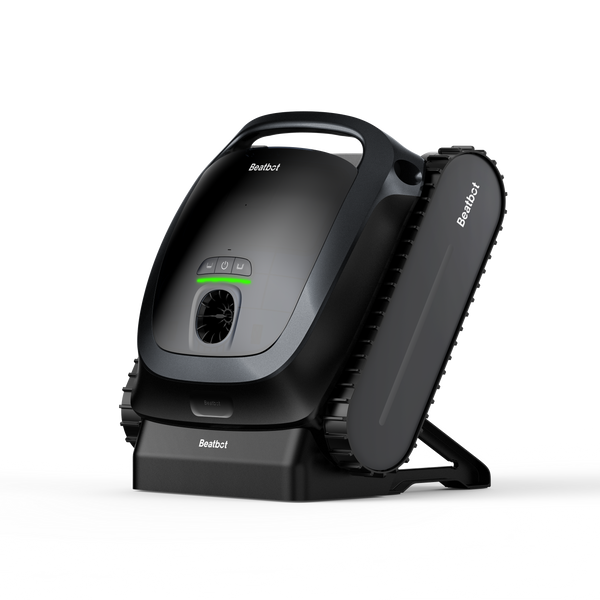
A thin film on the surface often comes from pollen, sunscreen, body oils, or leaves. Skim the surface and clean the waterline before the first swim. For this step, Beatbot AquaSense 2 Ultra can help because it handles floor, wall, waterline, and surface cleaning in one automated routine.
Run Every Piece of Equipment
Do not wait until the first pool day to find out that the heater is not working or the pump is making noise. Before summer use begins, run your pool equipment under a full load.
Turn on the pump, heater, lights, filter, timers, and automation system. Watch for leaks around fittings, valves, and pipes. Listen for unusual pump sounds. Check that return jets are moving water properly and that the skimmer is pulling surface debris.
If you use a heater, test it early. Heating a pool can take time, especially after cool nights. If the heater fails, you want to know before family or guests are already expecting warm water.
Also check your pool lights in the evening. Lights are often ignored during opening, but they matter for safety and comfort if you swim at night.
Clean the Whole Pool, Not Just the Floor
A pool may look clean from a distance, but debris can hide in areas that are easy to miss. Before the first swim, clean the floor, walls, steps, waterline, corners, and shallow areas.
The waterline deserves extra attention because sunscreen, oils, and dirt often collect there. Steps and shallow zones also need cleaning because circulation is sometimes weaker in these areas.
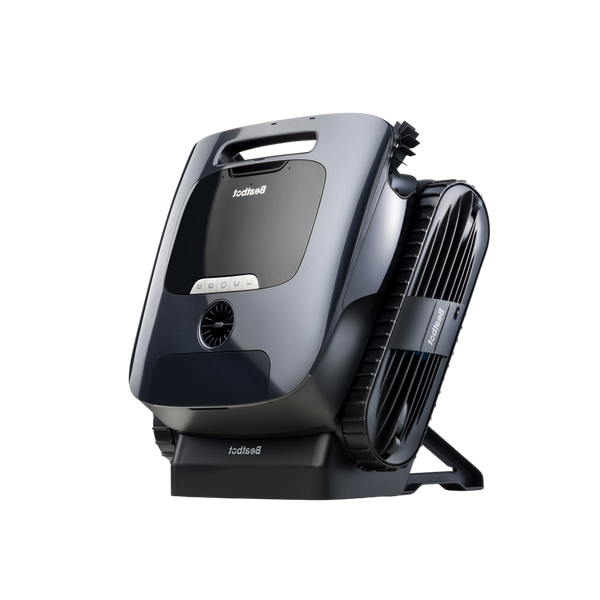
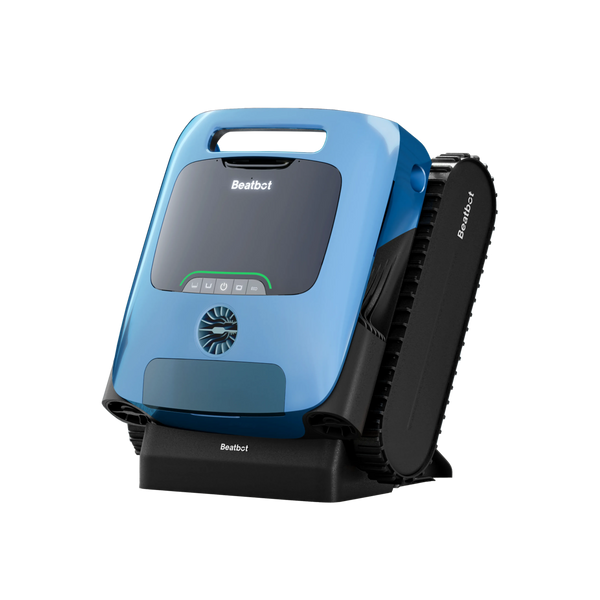
For a larger pool or a pool that needs full coverage, Beatbot AquaSense 2 Ultra is a strong fit. It helps reduce the need for manual brushing and vacuuming by handling multiple cleaning zones in one routine.
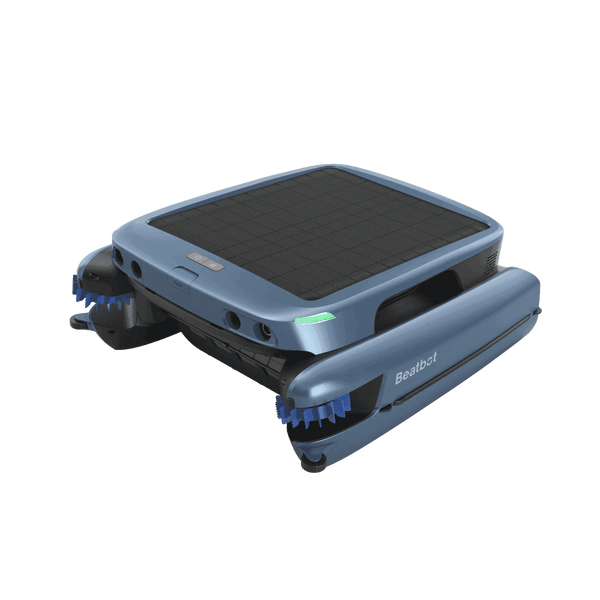
For pools with ledges, shallow platforms, or low water areas, Beatbot Sora 70 is a smart recommendation. Many pool owners focus on the deep end and main floor, but shallow sections often collect leaves, dust, and fine debris. Sora 70 is especially helpful for keeping those visible zones cleaner before guests step in.
Check Safety Before the First Swim
Pool safety should be checked before anyone gets in the water. This only takes a few minutes, but it matters.
Make sure drain covers are secure. Check ladders, rails, steps, and gates. Confirm that depth markers are visible and that pool rules are clear for children and guests. Remove loose hoses, cords, toys, or cleaning tools from the pool deck.
If you have a pool cover, make sure it is fully removed and stored safely. A partially removed cover can create a serious hazard. If children or pets are around, check gates and latches carefully.
Set the Temperature and Timer Early
Most swimmers are comfortable when pool water is around 78 to 82°F. Families with young children may prefer slightly warmer water, while active swimmers may prefer cooler water.
Set the temperature before the day you plan to swim. Pools do not heat instantly, and the time needed depends on pool size, air temperature, heater type, and overnight weather.
This is also the right time to adjust the pump schedule. Summer usually brings more sunlight, more swimmers, more debris, and more chemical demand. A longer circulation schedule may be needed to keep water clear and balanced.
A strong timer routine helps prevent problems instead of reacting to them after the water turns cloudy.
Build a Weekly Pool Care Routine From Day One
The easiest pool to maintain is the one that never gets too far behind. Once the pool is ready, build a weekly routine and keep it simple.
Test the water. Empty baskets. Check filter pressure. Brush problem areas. Run your robotic cleaner. Look at the waterline, steps, and shallow zones. After storms, heavy use, or windy days, clean sooner.
Using Beatbot cordless robotic pool cleaners as part of the weekly routine can reduce manual work and help keep the pool ready between deeper maintenance checks. AquaSense 2 Ultra is ideal for owners who want more complete pool coverage, while Sora 70 is a good choice for pools where shallow areas and ledges need regular attention.
Final Thoughts
A swim ready pool is not only about adding chemicals or removing leaves. It is about clear water, clean surfaces, safe equipment, and a routine you can repeat all summer. Prepare these basics before the first swim, and your pool will be easier to enjoy from day one.
FAQs
How clear should pool water be before swimming?
Pool water should be clear enough for you to see the floor, including the deep end. Test the basic chemistry before anyone gets in.
What should I do when my pool water is cloudy blue?
Run the pump, clean the filter, brush the walls and floor, and check chlorine and pH levels. Cloudy blue water often comes from weak filtration or poor water balance.
Why does pool water turn green before summer?
Green pool water usually means algae. Balance the water, brush all pool surfaces, treat the algae, and keep the filter running until the water clears.
How often should I clean my pool during summer?
Clean your pool at least once a week. Test the water, empty baskets, brush problem areas, and run your robotic pool cleaner more often after storms or heavy use.