Most Popular


 Sora Series


 AquaSense Series

 Skimmer & Bundle

 Retail Edition


 Accessories


If you need to clear cloudy pool water fast, do not start with the first bottle you grab at the pool store. In most cases, the quickest fix starts with the filter, water balance, and sanitizer. After that, you choose the clearing method that matches the kind of cloudiness you actually have. A light haze can improve with a clarifier.
Thick, milky water usually needs floc and manual vacuuming. If the pool is turning green, feels slick, or keeps getting worse, algae comes first. That order saves time, reduces wasted dosing, and gives you a much better chance of seeing real progress within the next day or two.
How to Clear a Cloudy Pool Fast
Cloudy water rarely clears fast from one product alone. The fastest results usually come from doing the right things in the right order. A lot of pools stay cloudy for one simple reason. The owner tries to polish the water before fixing the filter, the sanitizer, or the balance. Start at the base of the problem, then move forward.

Clear Out Debris and Get the Filter Working Again
Start with the physical mess. Scoop out leaves, twigs, and anything else large enough to see. Empty the skimmer basket and the pump basket. Then clean the filter. If you have a sand or DE filter, backwash it. If you have a cartridge filter, rinse it well or deep clean it if it is heavily loaded.
This step sets the pace for everything that follows. Filter trouble is one of the most common reasons pool water turns cloudy. A clogged filter slows flow and catches less. Old media can miss the fine material that keeps the water looking dull. After rain, wind, pollen, or heavy pool use, the filter can fall behind before the pool even looks that dirty.
Test the Water and Bring It Back Into Balance
Once the filter is ready, test the water. Check pH, alkalinity, and sanitizer. If those levels are off, correct them before adding a clarifier or floc. Cloudy water often comes from more than one problem at the same time. Fine particles may be part of it, yet poor balance can keep the water looking flat or milky even after cleanup begins.
Keep the goal simple. You want stable water so chlorine can work well and the filter can catch what is floating in suspension. If the pool has taken on a lot of rain, debris, or swimmer load, sanitizer may be low or unstable. Fix that first.
Shock the Pool When Sanitizer Is Low or Algae Is Starting
Shock the pool when free chlorine is low, combined chlorine is building up, or algae looks likely. Shock helps burn off contaminants and reset sanitation faster than slow correction. If the water has a green cast or the walls feel slick, you are dealing with more than cloudiness.
Add shock at night so sunlight does not burn through it too quickly. Let it circulate and work before adding anything else. If algae is clearly present, deal with that first. Clarifier does not solve algae. Floc does not solve algae. They only help after the main cause is under control.
Run the Filter Nonstop and Improve Circulation
Once the pool is cleaned, balanced, and shocked if needed, run the filter nonstop until the water improves. A normal daily cycle works for regular care. It is not the fastest path for a cloudy pool. During recovery, the whole body of water needs to keep moving through the system.
Circulation matters here. Point return jets downward so water from the bottom keeps moving back into the filter path. If your pool has a main drain, use it. In an above ground pool with weak lower circulation, dead spots near the floor can slow the whole cleanup. Most pools need at least one full turnover a day under normal conditions. Clearing cloudy water often takes more run time than that.

Retest, Clean the Filter Again, and Only Add What the Pool Still Needs
After the pool has circulated, test again. Check whether sanitizer has dropped, whether the water is improving, and whether the filter is already dirty again. Once the filter starts catching the fine material that made the water cloudy, it can load up fast.
This is where people lose time. They keep adding products without checking what changed. That can drag the whole process out. If the chemistry is back on track and the filter is moving water well, you can decide whether a clarifier makes sense or whether floc is the better move.
Clarifier or Floc for Cloudy Pool Water
Clarifier and floc both target suspended particles, yet they do very different jobs. One is easier to use. One works faster in the right situation. The right choice depends on how cloudy the water is and how much manual cleanup you can handle after treatment.
When a Clarifier Makes More Sense
A clarifier makes more sense for mild to moderate cloudiness. It binds tiny suspended particles into larger ones that your filter can catch. That makes it the easier option for most pools with a light haze or dull water.
The tradeoff is time. A clarifier often needs a few days to fully clear the water. Filter strength matters here. DE filters can clear fine particles faster than cartridge filters, and cartridge filters often move faster than sand. A clarifier works best when you can still see the floor and the pool is not loaded with heavy fallout.
When Floc Is the Faster Choice
Floc is the faster choice for severe cloudiness or milky water. It causes suspended particles to clump together and sink to the bottom, which can change the look of the water much faster than a clarifier.
The tradeoff is labor. Floc does not rely on the filter to catch those particles. You have to vacuum them out of the pool, and that usually means vacuuming to waste. After the floc circulates, the pool needs quiet time so the cloud can settle. That is why floc is often the fastest route for very cloudy water, but not the easiest one.
The Wrong Choice Can Cost You a Full Day
The wrong choice usually wastes time in one of two ways. The first is using a clarifier on very heavy cloudiness and expecting quick results. The second is using floc without a plan to vacuum to waste after the material settles.
There is another mistake that matters just as much. Many pool owners reach for clarifier or floc before fixing filtration, sanitizer, or balance. That can make the water look a little better for a short stretch, then send it right back in the wrong direction. Product choice only works after the basics are under control.

Why Your Pool Is Still Cloudy After Treatment
If your pool is still cloudy after treatment, the first pass did not solve the real problem. More chemicals is not always the answer. In a lot of cases, the next fix comes from finding the step that fell short.
The Filter Is Still the Weak Point
If the pool is still cloudy after treatment, start with the filter again. It may still be dirty. The media may be worn out. The run time may be too short. The pump may not be moving enough water. Any one of those can leave fine particles suspended long after the chemistry looks better.
That is why some pools stay dull for days. The owner shocks, balances, and adds a clarifier, yet the filter never catches up. Clean the filter again. Check pressure if your setup has a gauge. Think about the age of the media, not just whether the housing looks clean.
The Sanitizer Problem Is Not Fixed Yet
Cloudiness can stick around when the sanitation problem is still active. Rain, debris, sunscreen, and heavy use can all drag chlorine down fast. If the pool still has chlorine demand, it can stay cloudy after one round of treatment.
Retest instead of guessing. If sanitizer is low again, or if algae signs are getting stronger, the issue is not a lack of clarifier. The sanitation problem is still there. Fix that instead of throwing in another clearing product.
Debris or Early Algae Is Still in the Water
A pool can look better at the surface and still have a debris or algae problem lower down. Fine dirt after a storm can stay in suspension. Early algae can stay hard to spot until the water clears a little more. If the cloudiness keeps coming back, the root issue may still be in the pool.
Brush the walls and floor. Pay attention to corners, steps, and low circulation spots. If brushing creates a dust-like cloud that hangs in the water, the physical cleanup is not finished yet. That can point to fine debris, dead algae, or the start of fresh growth.
The Order Was Wrong
A cloudy pool can drag on even when the right tools are available, just used in the wrong order. Clarifier before balance, floc before a vacuum plan, shock after a clearing product, or repeat dosing with no retest can all slow recovery.
Reset the sequence. Get the filter right. Balance the water. Shock when needed. Keep the water moving. Then choose a clarifier or floc based on what the water still looks like. That gives each step a real purpose and takes out a lot of the guesswork.
How Long It Takes for a Cloudy Pool to Clear
A mildly cloudy pool can start to look better within a day, though full clearing often takes longer. A clarifier usually needs a few days, and filter type makes a real difference. DE often clears fine particles faster than cartridge or sand. Floc can change the look of the water faster, yet the job is not done until the settled material is vacuumed out and the water is balanced again.
If the pool shows no real progress after proper cleanup, stable chemistry, nonstop filtration, and the right clearing method, something is still off. Go back to the cause. Look at the filter, the sanitizer level, the chance of early algae, and the order of treatment. Time by itself does not fix a bad setup.
How to Speed Up Cleanup With Less Manual Work
Once the water is balanced and the filter is doing its job, the problem is no longer knowing what to do. It is repeated labor. Fine debris settles again. Leaves and pollen keep feeding the pool. You spend more time skimming, brushing, and cleaning than actually moving the water back to clear.
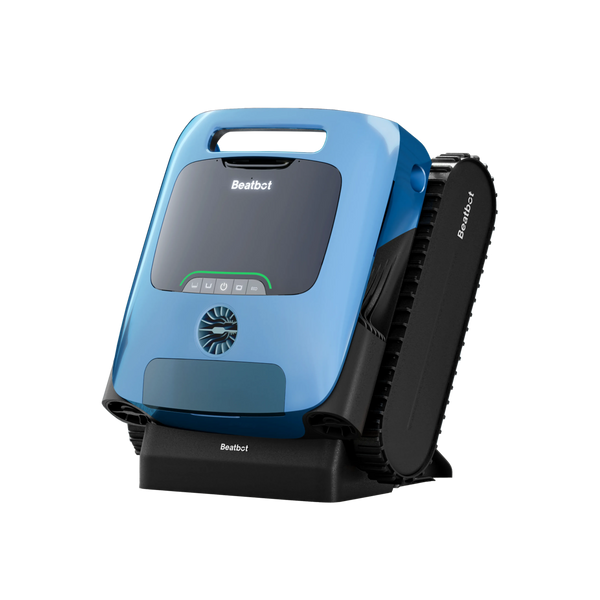
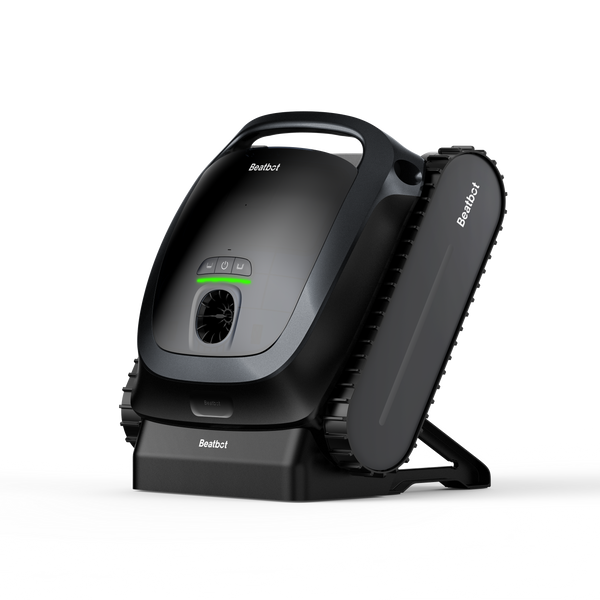
That is where the Beatbot AquaSense X pool robot fits. Not as the fix for bad chemistry or weak filtration, but as a way to remove the cleanup drag that slows the last part of recovery.
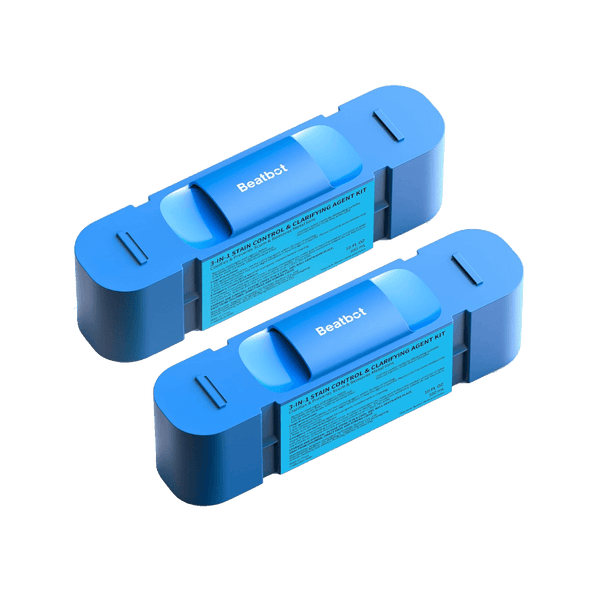
It combines full pool cleaning with ClearWater clarification, then cuts follow-up work through its AstroRinse self-cleaning station, which rinses the filter and empties debris after a run. If the cause is already under control and the pool still needs repeated cleanup to stay on track, that is when Beatbot AquaSense X makes the most sense.
FAQ
Can too much chlorine make a pool cloudy?
Yes. Very high chlorine can make water look dull or cloudy, especially if pH or calcium balance is off at the same time. Low chlorine, poor filtration, and early algae are still more common causes.
What is the most common cause of cloudy pool water?
Poor filtration is one of the most common causes. If the filter is dirty, weak, or not running long enough, fine particles stay suspended in the water. That is why many cloudy pools need filter work before they need anything else.
Can you swim in a cloudy pool if the chemicals are fine?
Cloudy water is still a warning sign. Good test results do not always mean the pool is ready for use. If you cannot see the bottom clearly, skip swimming until the water clears. Poor visibility is a safety problem on its own.
Does baking soda help with pool cloudiness?
Only in a narrow case. Baking soda can raise total alkalinity, so it helps if low alkalinity is part of the problem. It does not clear cloudy water on its own. If filtration, sanitizer, or debris is the real issue, baking soda will not solve it.