Most Popular


 Sora Series


 AquaSense Series

 Skimmer & Bundle

 Retail Edition


 Accessories


To lower total alkalinity in a hot tub, figure out your water volume, add dry acid (sodium bisulfate) in small measured doses, let it circulate, then retest and repeat until the reading drops back into range.
Total alkalinity is the buffer that holds your pH steady, and when it climbs too high it locks pH up above 8.0, clouds the water, leaves scale on the shell and heater, and blunts your chlorine or bromine. Acid pulls pH down along with alkalinity, so once the number's in range you aerate to bring pH back up while alkalinity stays low.
What Should Hot Tub Alkalinity Be?
Total alkalinity in a hot tub should land between 80 and 120 ppm, with 100 ppm a common target. Plenty of owners run it toward the higher end, closer to 150 ppm, because the constant jet aeration drives pH up and a bigger buffer helps hold it steady. Below 80 ppm, pH swings sharply with every small change.
Order matters. Balance alkalinity first, then look at pH, since alkalinity is what controls how steady your pH stays. Once it's in range, aim pH for 7.2 to 7.8. Adjusting pH while alkalinity is still high just wastes chemicals and gives you readings that won't hold.
How to Lower Hot Tub Alkalinity Step by Step
To lower alkalinity, find your water volume, test the water, calculate the dry acid dose, pre-dissolve it, and add it with the jets running, then circulate and retest before adding more. Dry acid is really the only practical way to bring the number down.
1. Find Your Water Volume
Nail down an accurate gallon figure before you measure out any chemical, because every dose is based on gallons, and the wrong volume is the usual reason people overcorrect. For a rectangular tub, multiply length by width by average depth in feet, then multiply by 7.5. For round spas, use the volume figure in your owner's manual.
Standard sizes give you a quick gut check. A six person hot tub usually holds 350 to 400 gallons, and an eight person model holds 450 to 500. Keep in mind that published capacity is shell volume, so knock off 10 to 20 percent for seats, steps, and equipment to land on the water you're actually treating.
2. Test the Water
Test total alkalinity and pH so you know where you're starting and how far you need to drop. A six way strip reads both in under a minute, and a digital tester gives a tighter number. Pull your sample about 18 inches below the surface and away from the jets, after the water's been circulating, so the reading reflects the whole tub instead of one spot.

3. Calculate the Dose
The standard guideline is about one tablespoon of dry acid per 100 gallons, which drops total alkalinity by roughly 10 ppm. A 400 gallon tub needs around four tablespoons for every 10 ppm of drop, so a tub sitting at 160 ppm gets there over two or three doses rather than one heavy pour.
Dry acid (sodium bisulfate) is the right product because it's made for spa surfaces. Muriatic acid works faster, but it's corrosive enough that most spa makers warn it'll damage the shell and void your warranty.
4. Add the Acid
Stir the measured dry acid into a clean plastic bucket of warm spa water until no granules are left, then pour it slowly around the perimeter with the jets running high, keeping it clear of metal fittings. Dropped in dry, the granules sink and settle on the acrylic, where they can etch and stain the shell.
Wear gloves and eye protection, always add the acid to the water and not the other way around, leave the cover off so the vapors can escape, and never mix it with chlorine or anything else.

5. Circulate and Retest
Run the jets for 20 to 30 minutes to work the dose through the full volume, then give it at least four to six hours, or overnight, before you retest. Test too soon and you'll see a half-finished reaction and be tempted to add a second dose you don't need. Retest alkalinity and pH, then repeat in small increments until alkalinity reads between 80 and 120 ppm.
How to Lower Alkalinity Without Crashing pH
Acid lowers alkalinity and pH at the same time, so the trick is to add enough acid to bring alkalinity down, let pH fall low for a while, then aerate the water to push pH back up while alkalinity stays put.
Why aeration works comes down to carbon dioxide. Adding acid releases dissolved CO2 into the water, and stirring up the surface lets that gas escape. As the CO2 leaves, pH climbs on its own, but alkalinity barely moves, because aeration doesn't put bicarbonates back. A hot tub is built for this, since running the jets and air blower with the cover off churns the surface and speeds things up.
The trap to avoid is the bounce. You drop alkalinity, see pH dip, reach for pH increaser, and that pushes alkalinity right back up and starts the whole cycle over. Once alkalinity is in range, leave the increaser alone and let aeration carry pH back to 7.2 to 7.8 over a few hours. Retest before you add anything for pH.

When to Drain and Refill Instead
When alkalinity is sky-high or your fill water is very hard, a partial drain and refill is faster and cheaper than chasing the number with acid. At that point the water's so over-buffered that pH won't budge, and the amount of acid it would take isn't worth the cost or the wait.
High-alkalinity fill water is usually the real culprit. If your tap or well water comes in well above 150 ppm, every correction is temporary, because each top-off carries that alkalinity right back in. Draining a third to half of the water and refilling dilutes the buffer in one move and leaves you a lower starting point that a small acid dose can finish off.
A full drain makes sense on the schedule most spas need anyway, about every three to four months with regular use. After any refill, test the fresh water before you add a thing, since it sets the baseline for your whole balancing routine.
How to Keep Alkalinity from Climbing Back
The way to keep alkalinity steady is to test two or three times a week, treat your fill water, go easy on the increaser, and keep organic debris out of the tub. A spa you check often rarely needs a big correction, because you catch the drift while it's still a small adjustment.
Fill water deserves the most attention, since hard source water is the most common reason a reading climbs. If yours runs high, a pre-filter on the hose pulls minerals out as the tub fills and saves you a correction after every refill. Easing off the alkalinity increaser matters just as much, because overdosing it to fix some other reading is the second most common cause.
The people in the tub add to it too. Body oils, lotions, and sweat break down in the water and feed the swings that knock alkalinity and pH out of range, so a quick rinse before getting in keeps a lot of that out.
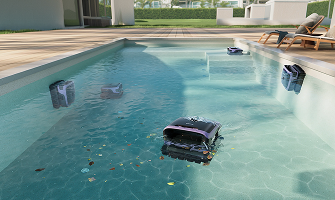
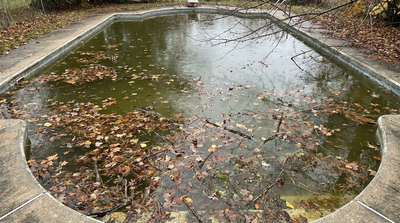
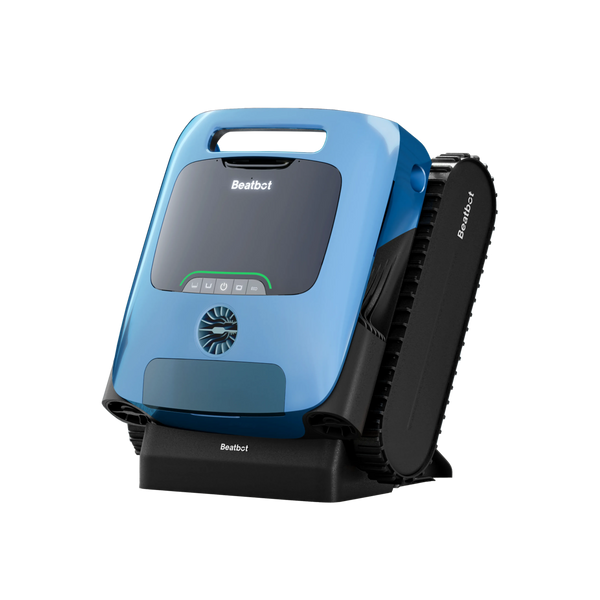
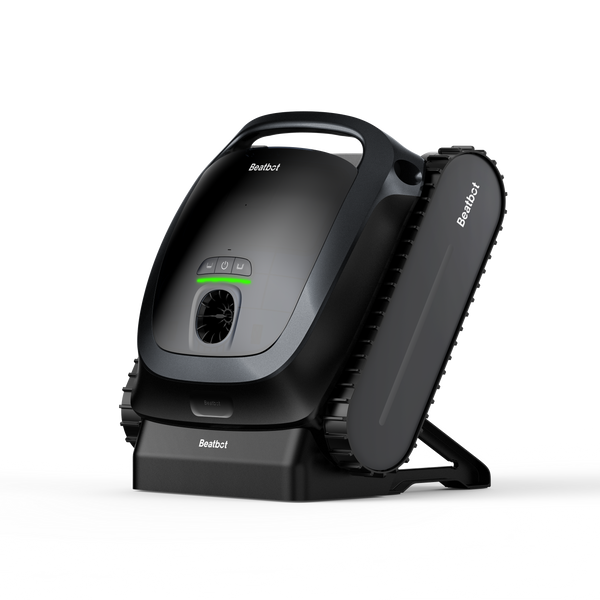
The same debris-to-chemistry link plays out in a backyard pool, just across a far bigger surface, where leaves and pollen left to break down keep pushing the water out of balance. The Beatbot Sora 70 robotic pool cleaner pulls that debris out first, scrubbing the floor, walls, waterline, and water surface, and its optional 3 µm ultra-fine filter catches the fine particles a standard basket misses.
Clearing that load out is what cuts clarifier use and main-filter backwashing. It handles the pool side of a backyard, not the spa itself.
FAQs
Can I use baking soda to lower hot tub alkalinity?
No. Baking soda is sodium bicarbonate, the same stuff sold as alkalinity increaser, so it raises total alkalinity instead of lowering it. To bring alkalinity down you need an acid, and dry acid is the safer pick for a spa.
How long after adding dry acid can I use the hot tub?
Wait until the dose has circulated for a few hours and you've retested alkalinity, pH, and sanitizer back into range. Acid lowers pH as it works, so the water needs time to settle before it's comfortable to get in.
What if I lower the alkalinity too much?
If it drops below 80 ppm, add alkalinity increaser (sodium bicarbonate) in small doses to bring it back up. Low alkalinity leaves pH all over the place, so fix it before you adjust anything else.
Is it safe to use a hot tub with high alkalinity?
It's better to balance it first. High alkalinity drives pH up, which dulls your sanitizer and can leave your skin and eyes irritated after a soak. The water isn't dangerous in the short term, but it won't stay clean or comfortable until the chemistry is back in range.
How do I find my hot tub volume without the manual?
Time how long the hose takes to fill a measured bucket, then time the full fill and scale it up. Your dealer can also confirm the exact figure from your model number.