Most Popular


 Sora Series


 AquaSense Series

 Skimmer & Bundle

 Retail Edition


 Accessories


A salt water swimming pool makes its own chlorine from dissolved salt, so instead of hauling jugs of chlorine and dosing the water by hand, a salt-chlorine generator handles it for you. The salt level stays low, closer to the saltiness of your own tears than to the ocean, which is why the water feels softer even though it is still fully sanitized.
What owners notice most is gentler water on skin and eyes, far less chemical handling, steadier sanitizer levels, and a lot less day-to-day fuss. Salt water pools are not chlorine-free, and the system costs more to set up, but for most homeowners the comfort and lighter upkeep are what make the switch pay off.
Gentler on Skin
Salt water pools tend to be easier on your skin because they keep chlorine at a lower, steadier level and produce fewer chloramines, the byproducts behind that dried-out, itchy feeling you get from a heavily treated pool. People with sensitive skin, eczema, or skin that dries out easily usually notice less tightness and irritation after a swim.
In a hand-chlorinated pool, chlorine reacts with sweat, sunscreen, and body oils to form chloramines, and those are what actually dry out and irritate your skin.
A salt-chlorine generator feeds chlorine in slowly and steadily, so levels stay flat and far fewer chloramines build up. The water sanitizes just as well, without the harsh swings that leave your skin feeling stripped.
A salt water pool still needs regular testing and balancing, and it is not a skin treatment. For everyday swimming, though, well-kept salt water feels noticeably milder than the equivalent chlorine pool.

Less Eye Irritation and Chlorine Smell
That red, stinging-eye feeling and the strong smell people blame on chlorine actually come mostly from chloramines, and salt water pools produce far fewer of them. The salt level also sits well below the ocean, close to the saltiness of your own tears, so you can open your eyes underwater without the burn.
The CDC ties that classic pool smell and the burning eyes to chloramines, which form when chlorine mixes with sweat, sunscreen, and other residue. Since a salt-chlorine generator keeps chlorine steady instead of spiking after every manual dose, fewer of those irritants build up in the water or hang in the air just above it.
The lighter chloramine load is easier on your lungs too. Airborne chloramines can set off coughing and chest tightness, especially for anyone with asthma or allergies, so a salt water pool usually makes a long swim more comfortable to breathe through.
Softer Water for Hair and Swimwear
Salt water feels softer and silkier than heavily chlorinated water, and it is kinder to your hair and swimwear. The mix of dissolved salt and a lighter chemical load gives the water a smoother feel and cuts down on the dryness and fading that strong chlorine causes over a season.
Regular swimmers notice this most in their hair and gear. Heavy chlorine can leave hair brittle and slowly fade swimsuits and towels, while the gentler water in a salt pool is easier on both, which adds up fast for families who are in the pool every day all summer.
Less Harsh Chemical Handling
Salt water pools cut way down on how often you buy, lug, and store concentrated chlorine. You keep the pool topped up with regular pool salt, and the generator turns it into chlorine as needed, so you rarely handle harsh sanitizing chemicals directly.
That is a genuine safety win for homes with kids or pets. Concentrated chlorine can cause burns or set off breathing problems if it gets spilled, mixed wrong, or stored badly, and simply keeping less of it around lowers the everyday risk. A bag of salt is also a lot easier and safer to stash in the garage than jugs of chlorine.
None of this makes a salt water pool chemical-free. You still check pH, add stabilizer to keep the sun from burning off your chlorine, and top up the salt now and then. What changes is how much harsh handling you do, not whether you do any.

Steadier Chlorine Levels
A salt-chlorine generator makes chlorine nonstop as water flows through it, so sanitizer levels stay far more even than they do when you dose by hand. Hand-added chlorine spikes right after you pour it in and then sags before the next round, and those swings are what cause irritation and cloudy water.
Steady chlorine also makes it harder for algae to get a foothold, which is why a lot of salt pool owners barely touch algaecide. The water tends to stay clearer between cleanings, since the chlorine never dips into the range where problems start.
It only works as long as the generator is running and the water stays balanced. If the salt runs low or the cell needs a cleaning, chlorine output drops, so the hands-off feel still comes with a bit of routine upkeep on the equipment.
Lower Maintenance and Running Costs
Once the generator is in, it handles chlorine on its own, so you spend less time dosing and fewer weekends running to the store for sanitizer. The upfront cost is higher because of the generator itself, but year to year you usually spend less, since salt is cheap. You will still test the water, clean the cell, and keep things balanced.
A salt-chlorine generator keeps the water sanitized, but it does nothing about the leaves, dirt, and grit that still settle on the floor, walls, and waterline.
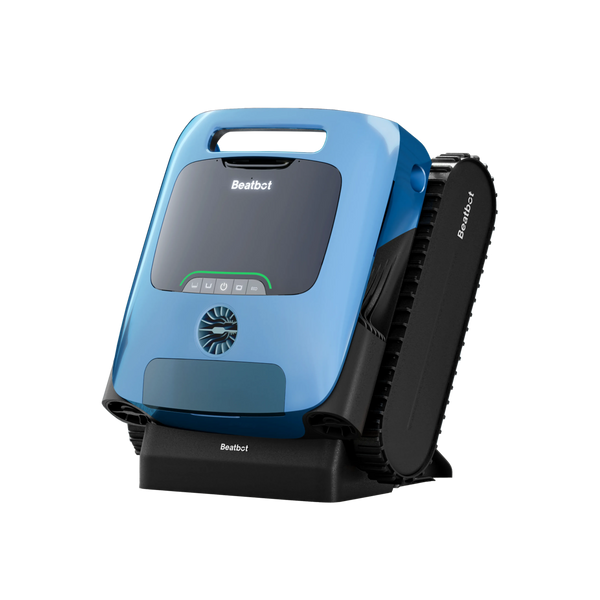
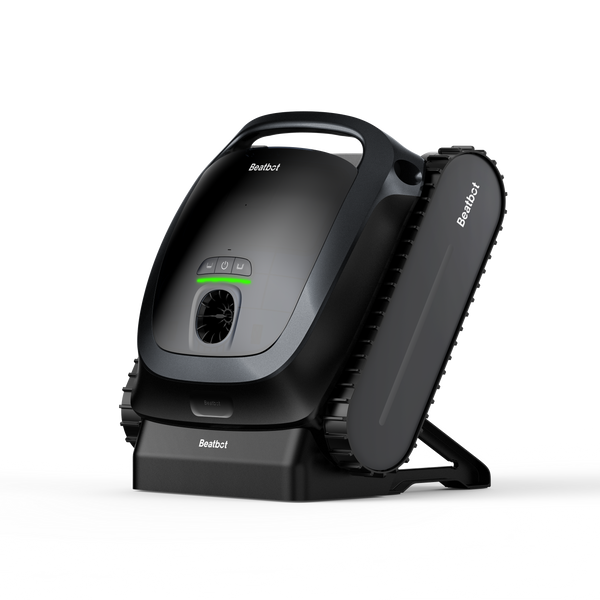
A cordless robot like the Beatbot AquaSense 2 Pro robotic pool cleaner takes that job off your hands, working the floor, walls, waterline, and water surface in a single cycle. Its automotive-grade IMR coating is built to shrug off UV, heat, and the slow wear a salt environment causes, so it lasts where ordinary plastics start to break down.
FAQs
Do salt water pools damage pool equipment?
Salt water is mildly corrosive, so over the years it can wear on metal ladders, rails, light fittings, and some heaters. Stick with corrosion-resistant hardware and rinse fixtures off now and then, and that wear stays minor.
Can you taste the salt in a salt water pool?
Most people barely taste it. A salt pool runs at about a tenth of the ocean's salinity, so the water comes across as only faintly salty, nowhere near as briny as the sea.
How often do you add salt to a salt water pool?
Not often. After the first fill, salt mostly disappears through splash-out, backwashing, and rain overflow, so most pools only need a top-up a few times a season.
Can any pool be converted to a salt water system?
Most in-ground and plenty of above ground pools can switch over by adding a salt-chlorine generator and some salt. Just have older heaters, liners, and metal fittings checked for salt compatibility first.