Most Popular


 Sora Series


 AquaSense Series

 Skimmer & Bundle

 Retail Edition


 Accessories


If you need to raise alkalinity in a pool, the fix is straightforward. Test the water, confirm your pool volume, add sodium bicarbonate or an alkalinity increaser, then retest total alkalinity and pH after the water circulates. For most pools, total alkalinity should stay between 100 and 150 ppm. That level helps buffer pH, so when alkalinity drops, pH often drops with it and the water becomes harder to keep balanced.
What Is the Right Alkalinity Level for a Pool?
For most residential pools, total alkalinity should stay between 100 and 150 ppm. That range gives pH a steadier base and makes the rest of your water chemistry easier to manage. At Beatbot, that is the practical target we use for routine pool care.
Total alkalinity and pH move together, but they do not measure the same thing. pH tells you how acidic or basic the water is. Total alkalinity helps slow pH swings. Once alkalinity falls out of range, pH usually gets less stable too. That is why total alkalinity is often the first chemistry level to fix.

How Do You Know If Your Pool Alkalinity Is Low?
You know pool alkalinity is low when a water test shows total alkalinity below range. Weekly testing is the normal baseline for total alkalinity, pH, and chlorine or bromine. If the pool has had heavy rain, a large refill, heavy use, or visible water issues, test again before adding anything.
Low alkalinity often shows up after rainwater or fresh water additions. Acid rain can pull both alkalinity and pH down. When that happens, the water can turn acidic, which puts more stress on equipment and pool surfaces over time.
If your pH keeps drifting lower than expected, low total alkalinity is one of the first readings to check. In day to day pool care, that often looks like water that gets harder to balance from one test to the next.
How to Raise Alkalinity in a Pool
The standard fix is sodium bicarbonate, which is baking soda, or an alkalinity increaser with the same active ingredient. Test the water, confirm pool volume, add the measured dose, let the water circulate, then retest total alkalinity and pH.
Correct total alkalinity first, pH second, and sanitizer after that. Keep the pump and filter running during chemical additions, and wait at least 30 minutes between chemicals before the next retest or adjustment.

Test the Water and Confirm Pool Volume
Pool volume matters. The same dose will not do the same job in a 5,000 gallon pool and a 20,000 gallon pool. For a rectangular pool with a constant depth, use length × width × depth × 7.5 to estimate gallons. If the pool has a shallow end and a deep end, use the average depth in that formula. For a freeform, kidney, or other irregular shape, break the pool into smaller simple sections and total them, or use a pool volume calculator.
A close estimate is still much better than adding chemicals blind. It is better than borrowing a dose from someone else’s pool and hoping it works.
Add Baking Soda or an Alkalinity Increaser
Sodium bicarbonate is the main chemical used to raise total alkalinity. If you buy an alkalinity increaser, the active ingredient is usually the same. It raises alkalinity, and it usually raises pH too, so both numbers need a follow up test after the adjustment.
As a working reference, raising total alkalinity by 10 ppm takes about 0.75 lb for 5,000 gallons, 1.5 lb for 10,000 gallons, 2.25 lb for 15,000 gallons, and 3.0 lb for 20,000 gallons. If you need a larger increase, scale that amount to your pool volume and target change, then retest before adding more.
Small increases are easier to control than one large correction. Raise total alkalinity in stages.

Circulate, Retest, and Adjust pH Only After That
Once the product is in the water, let the pool circulate and test total alkalinity and pH again. If alkalinity is in range and pH still needs correction, handle pH after that. If alkalinity is still low, repeat the same measured approach instead of jumping to a much larger second dose.
After the balancing sequence is done, let the pool circulate for another hour or two and run one final test. That last check tells you whether the water is stable or still needs a small follow up adjustment.
Does Raising Pool Alkalinity Also Raise pH?
Yes. Baking soda raises total alkalinity and usually raises pH at the same time. That is why both readings need a follow up test after each correction.
If pH looks fine but total alkalinity is still low, raise alkalinity anyway. A pH reading can sit in range for the moment and still become unstable if total alkalinity stays too low. Raising alkalinity without raising pH is not a one step fix. Baking soda raises alkalinity more than it raises pH, but it does not leave pH unchanged.
If both total alkalinity and pH are low, soda ash is used to raise both. If only pH is low, aeration is the better path since it can lift pH with little change to alkalinity. If alkalinity needs to come down without pushing pH lower, the usual troubleshooting path is acid plus aeration. For a standard low alkalinity correction, the starting move is still sodium bicarbonate or an alkalinity increaser, followed by a retest of both numbers.

Common Mistakes When Raising Pool Alkalinity
Testing too late, dosing without a pool volume estimate, and adjusting pH before total alkalinity all make the job harder. Pool chemistry works better when total alkalinity is corrected first.
Another common mistake is trying to fix the whole problem in one heavy dose. Measured additions and follow up testing are more reliable. They lower the odds of overshooting the target and creating a second chemistry problem. Skipping circulation time causes the same issue. If the water has not mixed fully, the next test is less useful.
If the pool needs shock, do not add shock and alkalinity products at the same time. Bring total alkalinity and pH back into line first, then shock after the water is balanced.

How to Keep Pool Alkalinity Stable
Stable alkalinity comes from steady maintenance. Test total alkalinity and pH every week during pool season, and test again after rain, water top offs, heavy use, or obvious water changes. Small shifts are easier to correct than large ones, and that is why routine testing pays off.
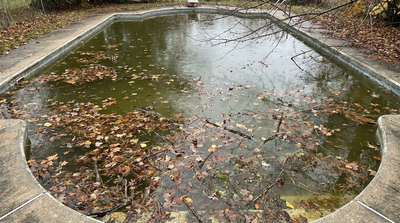
Clean water matters too. When leaves, floating debris, oils, and sediment build up, the pool takes longer to recover after weather changes or heavy use. A simple cleaning rhythm keeps that load lower and gives you a clearer view of what the chemistry is doing from week to week.
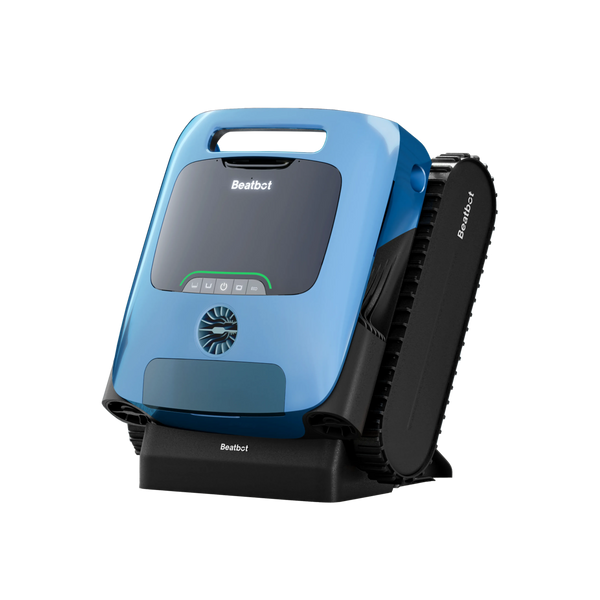
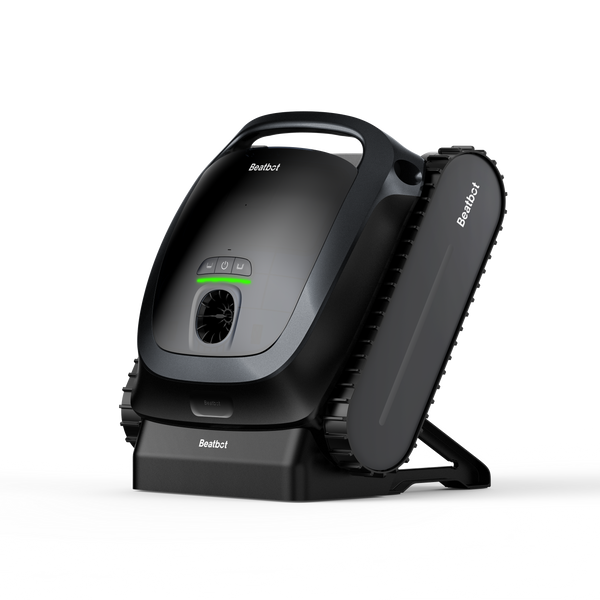
Once your water is balanced, the next goal is keeping debris and surface buildup from turning into extra maintenance. The Beatbot AquaSense X robotic pool cleaner is the strongest fit if you want the lowest manual workload after each cycle. Its AstroRinse self-cleaning station rinses the filter and empties the debris bin in about 3 minutes, then stores debris in a 22L basket that can hold up to 3,000 leaves and go up to 2 months between emptying. That means less filter rinsing, less wet debris handling, and less reset work between cleanings.
If your pool needs broader top-to-bottom cleanup, the Beatbot AquaSense 2 Ultra robotic pool cleaner is the better step up. Its 27-sensor HybridSense system maps complex layouts, and its 5-in-1 cleaning covers the surface, waterline, walls, floor, and water clarification in one machine.
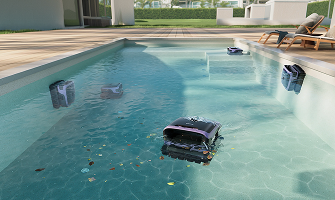
If floating debris is the main repeat problem, the Beatbot Sora 70 robotic pool cleaner is the sharper choice. Its JetPulse water surface system pulls debris inward, works in shallow areas down to 8 inches, and uses a 6L debris basket for longer uninterrupted runs.
FAQs
Is baking soda the same as pool alkalinity?
No. Baking soda is sodium bicarbonate, the chemical used to raise total alkalinity. Pool alkalinity is the water reading measured in ppm.
What happens if pool alkalinity is low?
Low alkalinity makes pH less stable. Water can turn more acidic, which puts more stress on pool equipment, finishes, and overall balance.
Can you swim after adding alkalinity increaser?
Wait until the product has circulated fully and the water is back in range. Retest total alkalinity and pH first, then swim once both readings are where they should be.
Will pool alkalinity rise on its own?
No. If total alkalinity is low, it usually stays low until you add sodium bicarbonate or an alkalinity increaser and then retest the water.
Does chlorine raise alkalinity?
No. Chlorine is a sanitizer. It does not raise total alkalinity. If alkalinity is low, you need baking soda or an alkalinity increaser.
How do I raise alkalinity in my pool fast?
The fastest safe method is sodium bicarbonate or an alkalinity increaser dosed to your pool volume.
Fast does not mean one large dump. Measured additions with circulation and retesting work better than trying to force one big correction.