
















A saltwater pool usually opens more smoothly when the salt system stays off at the start. The pool still needs the same basic work first. The water level has to be right. The pump and filter have to run well.
The water has to be tested and balanced before the system is asked to hold chlorine. Salt level, cell condition, and water temperature all shape how well the system will work once it starts.
Get those parts in place first, and the pool settles faster. Skip them, and the chlorinator ends up carrying jobs it was never meant to handle by itself.
Don’t Turn On the Salt System Too Soon
One of the most common opening mistakes is turning on the salt system right away. It seems like the fastest way to get chlorine back into the pool, yet it usually makes startup less clean. The first priority is basic operation. Bring the water level back to the proper range, restart the pump and filter, and make sure the pool is circulating the way it should.
Then test the water and correct the numbers that matter most at startup. Total alkalinity, pH, and free chlorine need attention early. Once those are close to target and circulation is steady, the salt system makes more sense. A salt cell does its best work in water that is already fairly stable. It is not built to fix every opening issue in one shot.

Check the Salt Cell Before Opening
Check the salt cell before the season starts. Do not wait for a warning light or error code. By then, output may already be down. Even a self cleaning cell still needs a real inspection at opening.
The main things to look for are simple. Check for scale on the plates, pale mineral deposits, or small debris stuck inside the cell. Any of those can reduce chlorine production and make startup harder than it needs to be.
If scale is visible and the manufacturer allows acid cleaning, a common mix is four parts water to one part muriatic acid in a plastic container. Put the water in first, then add the acid. Keep the terminals and cable connection out of the solution.
Most cleanings only need a short soak. Bubbling means deposits are breaking down. Rinse the cell well after a few minutes, and do not leave it in acid for more than 30 minutes.
Little or no bubbling usually means the cell does not need more acid time. Avoid metal tools or stiff brushes, which can damage the coating on the plates.
Test the Salt Level Before Adding Salt
Test the salt level before adding any salt. Guessing at this stage usually creates more work later. Salt does not leave the pool quickly unless water leaves the pool, so there may still be enough in the water from last season.
Most systems run best around 2,700 to 3,400 ppm. If salt is too low, chlorine output drops and some systems may shut down. If it is too high, metal parts and some pool finishes can take more wear.
Check the current reading first, since the right amount of salt depends on the current salt level and the pool volume.

Cold Water Can Slow Salt System Startup
Cold water can hold a salt system back even when the unit looks fine. Many systems start to lose output around 60°F. Some stop making chlorine around 52°F to 50°F.
That is one reason early season openings can be tricky. The system may be on, the pool may be circulating, and chlorine can still stay low. Check actual free chlorine instead of assuming the cell is keeping up.
If chlorine is not holding, use liquid chlorine, granular chlorine, or a pool shock product as a short bridge until the water warms. As the temperature rises, the salt system usually becomes much steadier.
Balance the Water Before You Rely on the Salt System
Salt systems work better in balanced water. At opening, total alkalinity should be handled before pH. Calcium hardness and stabilizer need attention too.
A common startup range is total alkalinity 80 to 120 ppm, pH 7.4 to 7.6, calcium hardness 200 to 400 ppm, and stabilizer 30 to 50 ppm. Some equipment has its own stabilizer range, so follow that if the manufacturer gives one.
Alkalinity comes first for a reason. When it is off, pH tends to drift with it. Adjusting pH too early often means doing the same job twice. Getting balance close before the salt system starts usually makes the whole opening easier to control.

Don’t Add Salt and Turn On the System Right Away
New salt needs time to dissolve and spread through the pool before the chlorinator starts. If salt goes in and the system comes on right away, the reading may not reflect the water as a whole, and startup can become uneven.
Add salt slowly around the pool perimeter. Do not pour it into the skimmer or surge tank. Salt dropped through the skimmer can put extra stress on the filter system and nearby equipment. If it sits on the floor in one spot, brush it out so it can dissolve more evenly. Let the pump and filter run for several hours at a minimum.
If timing allows, add salt the day before startup and let the pool circulate for about 24 hours. That gives the salt time to dissolve fully and mix through the water. The salt reading itself can take about 24 hours to catch up too, so an early number is not always the final one.
A Saltwater Pool May Still Need Shock at Opening
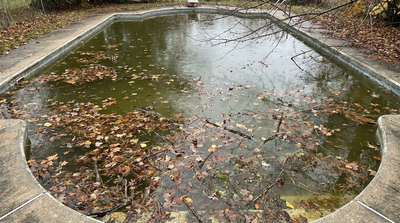
A saltwater pool may still need shock at opening. Winter debris, low chlorine, and early algae pressure can leave more contamination in the water than the salt system can clear quickly on its own.
Water balance should come first. Shock tends to work better once pH and alkalinity are already in a reasonable range. Keep the pump and filter running so the product can move through the pool and the filter can pick up what is left behind.
Late afternoon or evening is usually the better time for chlorine shock since sunlight burns through chlorine fast. After the pool has circulated, test free chlorine again before swimming or handing chlorine production back to the salt system. If the water is already green, a pool shock treatment is usually the next step.
Watch pH and Scale After Opening
After the salt system is running, pH deserves close attention. In salt pools, pH often creeps up over time. A pool that looks balanced right after opening can drift out of range not long after.
A practical target is 7.4 to 7.6, with 7.2 to 7.8 as the wider working range. High pH makes chlorine less effective and can make the pool harder to manage. Scale becomes more likely when calcium hardness is high at the same time. In many salt pools, the first place that shows scale is the salt cell itself.
That is part of why many systems use a reversing self cleaning cycle, yet that feature only helps limit buildup. It does not replace balanced water or routine checks. If high pH and high calcium stay in place, scale often starts on the cell plates and can spread to other surfaces that stay in contact with the water.

Saltwater Pool Care After Opening
Opening is only the start. What keeps a saltwater pool steady after that is basic maintenance done on time.
Early in the season, that usually means watching pH, checking salt again after the water has fully mixed, keeping the salt cell free of scale, and clearing debris before it has more time to raise chlorine demand.
That debris matters more than it looks. In spring, leaves, pollen, and fine organic material do not just make the pool look dirty. They keep adding to filter load, they use up chlorine faster, and they can slow down the point where the water starts to look settled again.
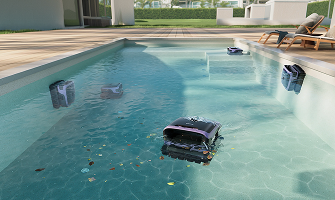
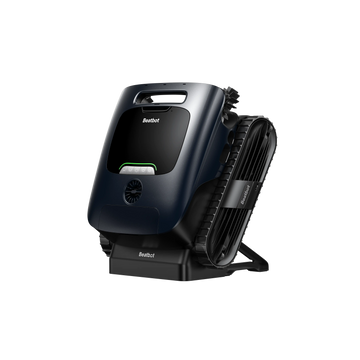
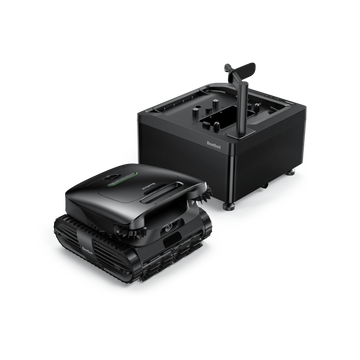
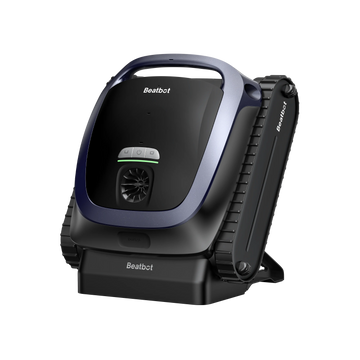
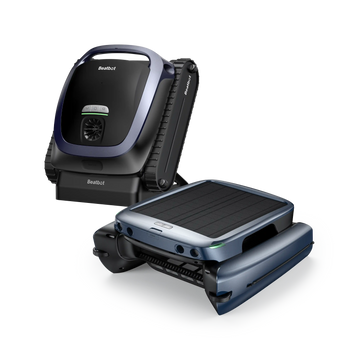
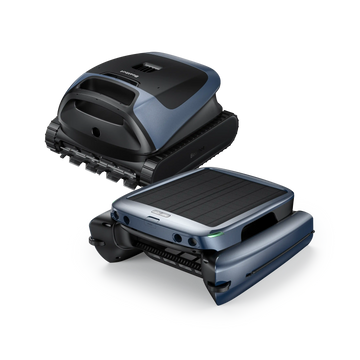
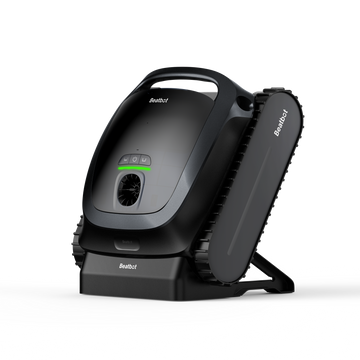
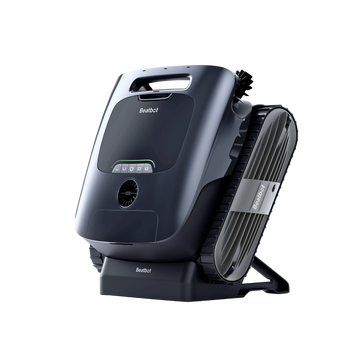
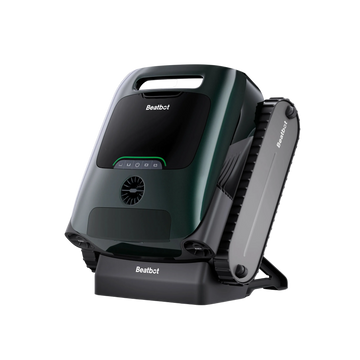
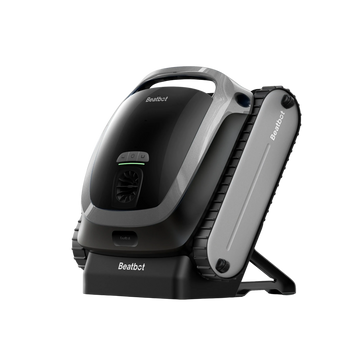
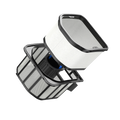
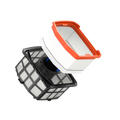
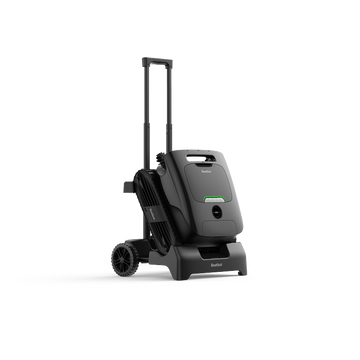
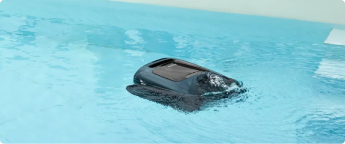
If post opening care means dealing with both debris and dull water, Beatbot AquaSense 2 Ultra is the better fit. Its 5-in-1 cleaning and Beatbot ClearWater natural clarification address cleanup and water clarity together, which fits a pool that needs to stabilize instead of just looking clean.
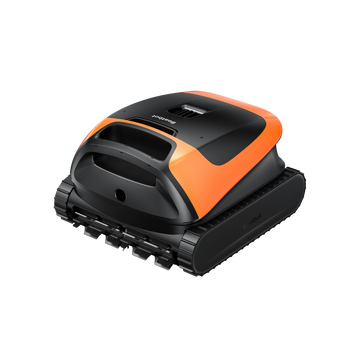
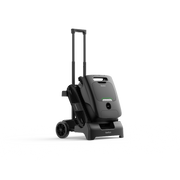
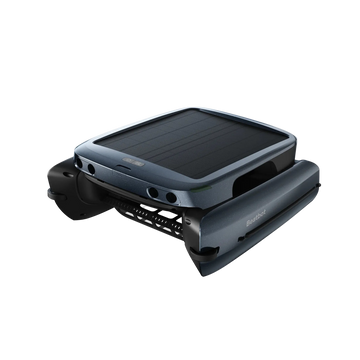
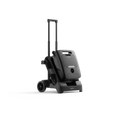
If the bigger issue is constant surface fallout, Beatbot Sora 70 is the more direct match. Its JetPulse surface cleaning, 6,800 GPH suction power, and 6L debris basket are built for the kind of floating debris that keeps dropping back into the water and adding more work to the system. Ongoing saltwater pool maintenance means keeping up with these basic checks and cleanups.
FAQ
What chemicals do you need for a salt water pool opening?
Use the test results as the guide. Most openings need some mix of pH increaser or decreaser, alkalinity increaser, shock or liquid chlorine, stabilizer if it is low, calcium hardness increaser if it is low, and salt only when salinity tests low.
How long after opening a salt water pool can you swim?
Swim after the water is clear, the treatment has circulated, and free chlorine and pH are back in range. The shock or chlorine product used that day should set the exact wait time.
How many bags of salt does it take to reopen a pool?
There is no fixed number of bags. It depends on pool volume, current salinity, and the target range for the system. Test first, then calculate the dose. Guessing is the fastest way to overshoot.
What are the signs of low salt in a pool?
Low salt often shows up as weak chlorine production, a low salt warning, or free chlorine that will not hold even when circulation is fine. Some systems cut output or stop making chlorine until salinity comes back up.
Do you still need chemicals in a salt water pool?
Yes. A salt system makes chlorine, but it does not replace water balance. pH, alkalinity, stabilizer, calcium hardness, and shock still matter through the season.
What can damage a salt water pool system?
High pH, scale, high calcium hardness, dirty cell plates, and poor salt control are common causes. Cal hypo shock can add calcium, so many salt pool owners use liquid chlorine or dichlor instead.