Most Popular


 Sora Series


 AquaSense Series

 Skimmer & Bundle

 Retail Edition


 Accessories


How much salt to add to a pool comes down to two things, how much water the pool holds and what the salt level is right now. Most saltwater pools run best between 2,700 and 3,400 ppm.
Many systems sit comfortably near the middle of that range. If your reading is already there and the salt chlorine generator is working well, you do not need more salt. If the level drops after rain, backwashing, refill water, or water loss, add only enough pool salt to bring it back into range.
The goal is not to keep pouring salt in. The goal is to keep the pool in the range where the system can produce chlorine steadily and the water stays easy to manage.

Do You Really Need to Add Salt to a Pool
No, not every saltwater pool needs more salt on a schedule. A saltwater pool is still a chlorine pool. The difference is that the system uses dissolved salt to make chlorine inside the cell instead of relying on regular manual chlorine additions.<
Salt does not burn off the way chlorine does. In most pools, it stays in the water until water leaves the pool or fresh water lowers the concentration. So a normal salt reading, paired with a healthy generator, usually means there is nothing to fix.<
Most pools need more pool salt after a new pool startup, a new salt chlorine generator install, a backwash, a partial drain and refill, a stretch of heavy rain, or a long period of splash out. A leak can pull the level down too. Heavy rain is a common trigger, but it is not a reason to add salt on sight. Test first. Add salt only when the reading drops below the range your system needs.
Ideal Salt Level for Saltwater Pools
For most saltwater pools, the ideal salt level is 2,700 to 3,400 ppm. Many systems work best near 3,200 ppm, though the exact target comes from the generator you use.
When salt drops too low, the cell may not produce enough chlorine. Sanitizer output falls, water quality slips, and the system may show a low salt warning. The pool can still look fine for a short stretch, then move out of balance fast. When salinity stays in range, chlorine production stays steadier, which helps keep the water cleaner and simpler to manage day to day.
High salt is not harmless. Extra salt can push the system out of its preferred range and add to scale and equipment stress over time. The best salt ppm for pool care is not the highest number on the display. It is the range that lets the generator work without extra strain. In real use, a pool that is a little low is usually easier to correct than one that has been over salted.

How Much Salt to Add
Alt: Infographic showing how much pool salt to add based on pool size and current salt level
The right amount depends on pool size and your current salinity. You cannot work out how much pool salt you need from a guess. You need the pool volume in gallons and a fresh salt reading. A pool salt calculator or pool salt chart can help, but those same two inputs still drive the answer.<
As a rough guide, many pool owners use about 6 to 8 pounds of pool salt per 1,000 gallons of water when they need to raise a low reading. That puts a 10,000 gallon pool at about 60 to 80 pounds, a 15,000 gallon pool at about 90 to 120 pounds, and a 20,000 gallon pool at about 120 to 160 pounds.
If you buy 40 pound bags, that works out to about two bags for 10,000 gallons, about three bags for 15,000 gallons, and about four bags for 20,000 gallons.
That is still a starting point, not a number to use without checking the water first. The current salt level matters just as much as pool size. The 40 pound bag math is useful for rough planning, but it should not replace testing.
If your reading is only a little low, start near the low end, let the salt dissolve, and test again. If you are opening a new saltwater pool or starting a new system, compare your estimate with the range listed for that unit before adding the full amount.

How to Test Your Current Salt Level
Alt: Digital salinity meter testing the salt level of a backyard swimming pool<
The best way to test salt level in a pool is with a tool you trust and will use regularly. Salt test strips, handheld salinity testers, and digital salinity meters can all work. For most homeowners, a digital meter is the better choice. It gives a faster and more exact reading than strips, cuts down on guesswork, and makes it easier to compare readings over time.
Do not rely only on the number shown on the salt system display. A manual check can catch false readings before they turn into a water quality problem. Test after opening the pool, adding refill water, moving into a new season, or taking a hard rain. If the pool gets heavy use, a monthly check is a good habit.
If the reading is low, add salt in measured amounts and test again after circulation. If the reading is high, take water out and refill with fresh water until the pool salt ppm comes back down. Once salinity is back in range, check the generator settings or output level too, so chlorine production matches current pool use, weather, and season. Regular testing keeps the salt level steady and helps the generator do its job.

What Kind of Pool Salt to Buy
The best pool salt is high purity salt made for swimming pools. The label should show a clean product with no anti caking agents and no extra chemical additives.
Granular pool salt dissolves faster, so it works well when you want a quicker adjustment. Flake salt tends to clump less in storage and can work well for regular use. The better choice depends on how fast you want the salt to dissolve and how you prefer to handle and store it.
Do not assume any salt product is fine for pool use. Low purity salt can bring extra material into the water and put more strain on the cell. Check the label before you buy, then match the bag count to your pool size and the correction you need.
How to Add Salt to a Pool
Adding salt to a pool is simple when the amount is right and the water is moving well. The goal is to raise salinity without leaving undissolved salt on the floor or pushing the pool past the target range. This part goes best when you calculate first, add slowly, and test again after the salt has fully mixed into the water.
Calculate the Right Amount
Start with pool volume, current salt ppm, and target salt range. Those three numbers tell you how much pool salt to add. Use the rough rule of 6 to 8 pounds per 1,000 gallons as a planning number, then stay closer to the low side on the first round if you are not far below target.
Spread the Salt With the System Running
Add salt with the pump and filter on so the water keeps moving. Pour the salt across the pool in a broad, even pattern instead of dropping it into one tight pile. A slow, even addition gives the salt a better chance to dissolve and mix through the whole pool. It makes overcorrection less likely too.
Let the Salt Dissolve Before You Start the Generator
Do not rush this part. Give the water time to dissolve the salt fully before you turn on the salt chlorine generator. In warm water, this can move along fairly fast. In cool water or after a larger dose, it can take longer. Keep the circulation system running for a few hours so the salt spreads through the pool instead of sitting on the floor.
Undissolved salt can throw off the reading and make the water less even from one area to another. A fully mixed pool gives you a better test result and a cleaner start for the cell.
Retest and Adjust
Test the water again after the salt has dissolved and circulated. If the level is still low, add a bit more salt and repeat the check. If it lands too high, remove some water and refill with fresh water. Any time you replace water after backwashing, draining, or heavy rain, check the salt level again so the pool stays in range.

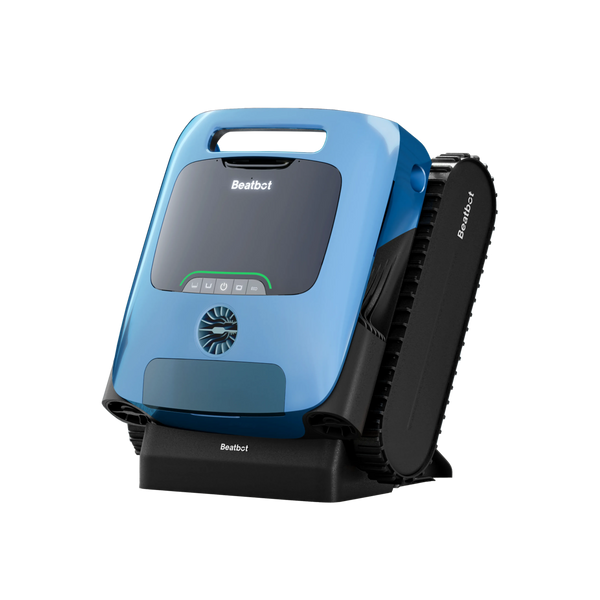
Beatbot Sora 70 Pool Robot for Saltwater Pool Cleaning
Keeping salt in range helps a salt system produce chlorine, but it does not remove floating debris, wall buildup, or residue at the waterline. A saltwater pool still needs regular physical cleaning, especially after wind, rain, or heavy use.
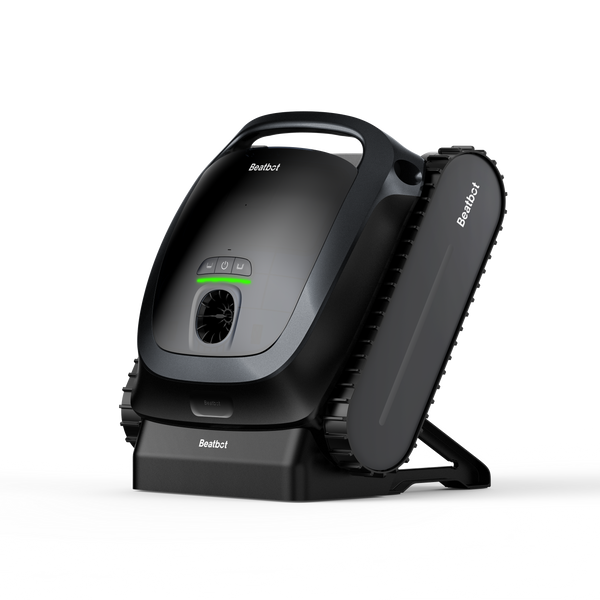
For that part of pool care, Beatbot Sora 70 fits well. Its JetPulse™ system is made for water surface cleaning, so it can collect leaves and floating debris before they sink. It cleans the floor, walls, waterline, and shallow platforms too, including areas with water as shallow as 8 inches.
That broader coverage matters in pools with tanning ledges or entry shelves that many cleaners miss. When the cycle ends, Sora 70 rises to the surface and parks near the pool edge, and SmartDrain™ helps make pickup easier. In a saltwater pool, that means less manual skimming and more complete routine cleaning without adding more work.
FAQs
Can you add too much salt to a pool?
Yes. Too much salt can push the water above your generator’s target range and may add stress to the cell and other equipment. If you oversalt the pool, the usual fix is to drain some water and refill with fresh water.
How to tell if a pool needs more salt?
The best way is to test the water. A pool usually needs more salt when the reading falls below the generator’s recommended range. Low salt warnings, weak chlorine production, or water that starts slipping out of balance can point to the same issue;
What are the signs of low salt in a pool?
Common signs include a low salt alert on the system, reduced chlorine output, dull water, and sanitizer levels that are harder to hold. These signs are useful, but a test result is still the most reliable answer.
How often should I put salt in my pool?
Only when testing shows the level is low. Salt does not get used up like chlorine. Most pools need more salt after heavy rain, backwashing, draining and refilling, splash-out, or a leak.
Can I shock my pool and add salt at the same time?
You can, but it is better to handle each step with a clear reason. Add salt when the salt level is low. Shock the pool when chlorine demand is high or the water needs recovery. Test first, then treat the actual problem.