















Free chlorine is the part of chlorine that actually sanitizes your pool. When free chlorine levels are low or stuck at zero, the water can turn cloudy, algae can show up fast, and the pool may smell strongly even after you add chemicals.
This guide explains how to raise free chlorine quickly, why pool free chlorine sometimes will not hold, and how to increase chlorine in a pool without guessing.
What Free Chlorine Is and Why It Matters
Free chlorine, often shown as FC, is the active chlorine that disinfects the water and helps prevent algae. It is different from combined chlorine, also called chloramines, which forms when chlorine binds to sweat, sunscreen, ammonia, leaves, and other contaminants.
That difference matters. You can test chlorine present and still have water that behaves like it is not sanitized because there is not enough free chlorine available to do the work.
Common signs FC is too low:
-
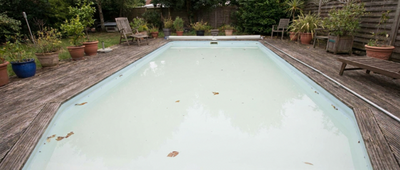
Cloudy or dull water, even after treatment
-
Algae starting on steps, corners, or shady areas
-
A strong chlorine smell
-
Eye or skin irritation that feels out of proportion

Why Your Free Chlorine Is Low (Even After You Add Chlorine)
If FC will not rise, or it rises and then drops quickly, there is usually a clear reason. Most of the time it is one or more of these:
pH Is Out of Range
Chlorine works best when pH is in the mid 7s. When pH runs high, chlorine is less effective. When pH runs low, the water can feel harsh and it can be rough on surfaces and equipment over time.
Sunlight Is Burning Chlorine Off Because CYA Is Too Low
Outdoor pools lose chlorine to UV. If cyanuric acid, also called stabilizer, is too low, you can add chlorine in the morning and see it fade by afternoon.
CYA Is Too High
Too much stabilizer can make chlorine less responsive. You may see FC on the test, but the pool still struggles because the chlorine is less effective.
The Pool Has High Chlorine Demand From Organics, Algae, or Debris
Leaves, pollen, body oils, and early algae growth can chew through chlorine fast. This is the situation where FC keeps falling back to zero no matter what you add.
Circulation or Filtration Is Not Keeping Up
If water is not moving well, or the filter is dirty, FC can be uneven. Trouble spots tend to be stairs, corners, behind ladders, and along the waterline.
Combined Chlorine Is High
A strong odor and irritation often point to chloramines. That usually calls for a shock treatment to break them down rather than small daily doses.

The Fastest Way to Raise Free Chlorine in a Pool
If you need FC up quickly, use a simple sequence: test, adjust pH, add a fast acting chlorine source, circulate, then retest.
Test First
At minimum, check:
-
Free chlorine (FC)
-
pH
-
Cyanuric acid (CYA)
If you can test combined chlorine (CC), it helps explain odor and irritation.
Bring pH Into a Chlorine-Friendly Range
Aim for pH close to 7.4 to 7.6 before you try to move FC a lot. If pH is high, you can add chlorine and still feel like nothing changes.
Choose a Fast-Acting Chlorine Source
-
Liquid chlorine (sodium hypochlorite) is usually the quickest and it does not add CYA.
-
Cal hypo (calcium hypochlorite) is fast, but it adds calcium. That can matter if your calcium is already high.
-
Dichlor and trichlor raise FC but also add CYA. That is helpful in some setups and a headache in others.
If you are unsure how much to add, use your pool volume and the product strength, then retest and adjust. It is easier to add a bit more than to correct an overshoot.
Run the Pump While You Add Chlorine
Keep circulation on so the chlorine mixes quickly and does not sit in one spot.
Retest After the Water Has Mixed
With liquid chlorine and decent circulation, you will often see a change in 30 to 60 minutes. Granular products can take longer. If FC climbs and then crashes later, the issue is usually chlorine demand or water balance, not the initial dose.

Should You Shock the Pool to Increase Free Chlorine?
Sometimes shocking is exactly what the pool needs, especially when chlorine is getting used up by contaminants or combined chlorine is high.
Shock makes sense when:
-
FC keeps dropping back to zero
-
Water is cloudy or algae is showing up
-
There is a strong chlorine smell
-
Combined chlorine (CC) is elevated
How to Shock So It Actually Works
Shock in the evening so sunlight does not burn off the chlorine spike.
Brush the pool. Steps, corners, and shady spots are common trouble areas.
Keep the pump running so chlorine spreads evenly and the filter can capture what gets loosened.
If algae is active, one shock dose may not be enough. You may need to maintain higher FC for longer while you clean and filter.
When Can You Swim Again
Wait until FC is back in a safe range and the water is clear. Follow the product label.

How pH and Stabilizer (CYA) Control How Strong Free Chlorine Feels
A pool can show a normal FC number on paper and still act unsanitary if pH or CYA is off.
pH: Why the Mid 7s Matters
High pH makes chlorine less effective, so problems hang around. Low pH can irritate swimmers and wear on pool surfaces and equipment.
If you keep adding chlorine with little improvement, check pH before you do anything else.
CYA: The Sunscreen for Chlorine
Too little CYA in an outdoor pool means UV burns off chlorine quickly. Too much CYA can make chlorine sluggish unless FC is maintained appropriately for that level.
A common target range for many outdoor pools is around 30 to 50 ppm. The right number depends on sunlight, water temperature, and how you chlorinate.

How Long It Takes for Free Chlorine Levels to Rise
Liquid chlorine typically shows results faster than granular products, which need time to dissolve.
Strong circulation helps distribute chlorine evenly, while weak mixing can lead to uneven readings. Sunlight can burn off chlorine quickly when it is added during the day, especially if stabilizer is low. Heavy contamination from debris or algae can also consume chlorine almost immediately.
In a typical situation, liquid chlorine with the pump running can raise FC within an hour. If it rises and then drops hard, you are dealing with high demand or water balance issues.
How to Keep Free Chlorine From Dropping Again
Once FC is back where it should be, the goal is keeping it steady.
Stay Ahead With Regular Testing
Keep an eye on FC and pH routinely. Check CYA from time to time, especially if you use tabs or other stabilized chlorine products.
Keep the Pool Clean
Less debris and fewer organics means less chlorine gets used up.
-
Skim leaves and remove debris
-
Brush walls, steps, and corners
-
Vacuum settled dirt
-
Clean or backwash the filter when pressure climbs or flow drops
Give the Pool Enough Circulation
Short pump runs can leave pockets of low sanitizer. If you are clearing cloudiness or fighting algae, longer run time helps.
Adjust for the Season
Warm water and strong sun drive chlorine demand up. Cooler weather usually needs less. If your routine suddenly stops working, seasonal change may be the reason.
When Low Free Chlorine Signals a Bigger Problem
If FC keeps crashing to zero within hours, or the pool stays cloudy after multiple treatments, there is usually more going on than simply not adding enough chlorine. Active algae often hide in corners or behind ladders, while storms or heavy pool use can leave behind a high organic load. Poor circulation can create dead spots where sanitizer never reaches, and a dirty or overwhelmed filter can struggle to keep up even when chlorine levels are raised.
In these cases, increasing FC is still part of the fix, but it has to go along with brushing, vacuuming, filtration, and getting pH and CYA back into a workable range. Otherwise, the pool will keep burning through chlorine.
FAQ
How Do I Raise Free Chlorine Quickly?
Test FC, pH, and CYA, bring pH close to 7.4 to 7.6, then add a fast-acting chlorine source, often liquid chlorine, with the pump running. Retest after the water circulates.
Why Is My Free Chlorine Still Zero After Shocking?
Usually the pool has very high chlorine demand from algae or organics, or pH and CYA are off. You may need continued treatment plus brushing and strong filtration.
What Is an Ideal Free Chlorine Level?
It depends on your CYA and conditions. What matters most is keeping FC consistently effective, not letting it swing from zero to a spike and back again.
Can Sunlight Reduce Free Chlorine?
Yes. UV burns off chlorine quickly when CYA is too low. Balanced stabilizer and evening dosing help.
Is It Safe to Swim After Adding Chlorine?
Wait until FC is back in a safe range and the water is clear. Follow the product label and verify with a test before swimming.