Most Popular


 Sora Series


 AquaSense Series

 Skimmer & Bundle

 Retail Edition


 Accessories


To fix a chlorine lock, you lower your cyanuric acid level and rebalance the water rather than adding more chlorine. The dependable path is to test your stabilizer, partially drain and refill the pool until cyanuric acid drops into the 30 to 50 ppm range, then correct alkalinity and pH before you check chlorine again.
In most cases, the chlorine you already have starts sanitizing normally once those numbers are right. Adding more chlorine on top of a real lock rarely works because the high stabilizer binds the new chlorine the same way it binds the old. The steps below walk through exactly what to do and in what order.

What Exactly Is a Chlorine Lock?
A chlorine lock occurs when the chlorine in your pool tests present but can no longer sanitize the water effectively. Your kit may show a healthy free chlorine reading, yet the water stays cloudy, smells strong, or won't clear algae. The chlorine is there. It just can't do its job.
This is different from chlorine demand, and the distinction decides your fix. With a chlorine lock, your chlorine reads fine but behaves as if it is missing, usually because cyanuric acid has built up too high. With chlorine demand, a heavy load of algae or organic debris burns through chlorine faster than you can add it, and your free chlorine reads low.
A lock is solved by diluting the water. A demand is solved by shocking and cleaning. Testing tells you which one you are dealing with before you spend money on either.
What Causes a Chlorine Lock?
The main cause of a chlorine lock is cyanuric acid that has built up beyond the level your pool can handle, usually from relying on stabilized chlorine all season. Cyanuric acid, often labeled CYA or stabilizer, protects chlorine from sunlight, which is useful outdoors.
The catch is that stabilized products like trichlor tablets and dichlor shock add more CYA every time you use them, and cyanuric acid does not evaporate or break down on its own. The level only climbs until you dilute it, and once it passes roughly 80 to 100 ppm, it holds chlorine too tightly to sanitize.
High pH is the second common cause, and yes, high pH can produce the same symptoms as a chlorine lock. When pH rises above the 7.2 to 7.6 range, more of your chlorine converts to a weaker, slower form, so you can have plenty of chlorine on the test and still get poor results. A stubborn case that looks like a lock is sometimes solved by correcting pH alone, which is why you test pH alongside cyanuric acid before deciding what to do.
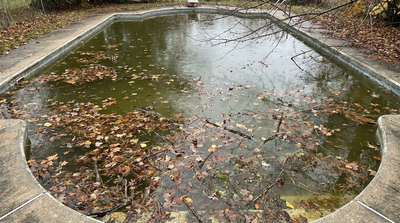
A heavy organic load makes both problems worse. Leaves, oils, sunscreen, and pollen give chlorine more work than it can keep up with, and cloud the water in a way that mimics a lock. Removing that debris doesn't lower cyanuric acid, but it stops the physical mess from masking your real readings.
How Can You Tell if You Have a Chlorine Lock?
You likely have a chlorine lock if your free chlorine and total chlorine read close together and reasonably high, yet the water stays dull or cloudy no matter how much chlorine you add. That gap between a good chlorine number and bad water quality is the clearest signal.
The deciding test is cyanuric acid. A drop-based kit or test strips that include CYA give you the number. Most pools run well at 30 to 50 ppm, and once CYA reads past roughly 80 to 100 ppm with chlorine that looks fine on paper, you have your answer.
Watch the practical signs too: water that stays hazy after shocking, a persistent chemical smell, and algae that returns despite a normal chlorine reading all point toward a lock rather than a shortage.
How Do You Get Rid of a Chlorine Lock Quickly?
The fastest reliable way to clear a chlorine lock is to dilute out the excess cyanuric acid and rebalance the water in order, since there is no chemical that removes CYA. Adding more chlorine is the common shortcut, and it is the one that wastes the most time and product, because high stabilizer neutralizes whatever you add. Work through the steps below instead.
Step 1: Test Cyanuric Acid, pH, and Alkalinity
Measure cyanuric acid, pH, and total alkalinity before you change anything, and write the numbers down. The CYA reading tells you how much water you'll need to replace, and the pH and alkalinity readings tell you what you'll rebalance afterward. This is also where you confirm the cause, so you don't drain water for a problem that turns out to be pH.
Step 2: Partially Drain the Pool
Drain a portion of the water to lower cyanuric acid, since dilution is the only practical way to bring it down. Replacing roughly a third to half the water is a common starting point for a badly locked pool, with the exact amount depending on how high your reading is. Use a submersible pump and follow local rules for where pool water can go. Don't empty the pool completely, especially with a vinyl liner or a high water table, because an empty pool can float or get damaged.
Step 3: Refill and Retest CYA
Refill with fresh water, then retest cyanuric acid. Because dilution is proportional, one pass may not reach 30 to 50 ppm, so drain and refill again if the reading is still high. This is the slowest part of the job and the step that actually breaks the lock, so don't cut it short to save time.
Step 4: Rebalance Alkalinity, Then pH
Once the stabilizer is in range, set total alkalinity to roughly 80 to 120 ppm first, since stable alkalinity keeps pH from drifting, then bring pH into the 7.2 to 7.6 range. Correcting these is what lets chlorine sanitize at full strength rather than converting to its weaker form, and it resolves the cases where high pH was part of the problem.
Step 5: Recheck Chlorine and Add More if Needed
Test chlorine again now that the water is balanced. In many cases, the chlorine already in the pool starts working, and the readings finally match how the water looks. If free chlorine is genuinely low, add chlorine to reach your target, ideally with an unstabilized product so you don't rebuild the cyanuric acid you just removed.
Step 6: Clear the Physical Load
Skim and vacuum the floor, walls, and waterline, then run the filter long enough to clear what remains, since leftover debris keeps consuming chlorine and clouding the water even after the chemistry is right. This is also where you confirm the fix worked, because a balanced pool should look visibly clearer within a day.

How to Prevent Future Locks
Prevent another chlorine lock by controlling how much cyanuric acid enters the water, which mostly means changing how you chlorinate. If you have been running entirely on trichlor tablets, that habit is what raised your stabilizer, and going back to it rebuilds the problem within a season or two because CYA never leaves on its own.
Switch some or all of your routine to unstabilized chlorine, such as liquid chlorine or cal-hypo, which sanitize without adding stabilizer. You can still add a measured dose of CYA on purpose to shield chlorine from the sun, but you control the amount instead of letting tablets decide it. Test cyanuric acid monthly through swim season so you catch a rising trend before it becomes a lock.
Steady maintenance handles the rest. Hold pH in range, keep the filter running, and remove organic debris regularly so chlorine isn't fighting a load it can't win. The lighter that load stays week to week, the less you'll need to lean on stabilized chlorine to keep up.
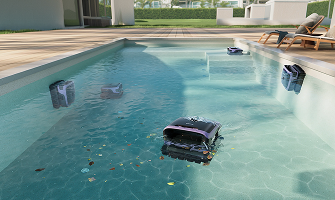
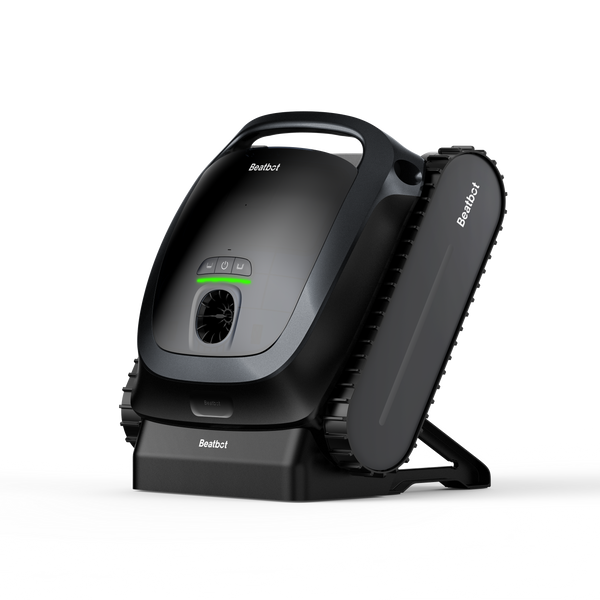
A robotic pool cleaner like the Beatbot AquaSense 2 Ultra makes that easier by handling the floor, walls, waterline, and surface debris in a single cycle, scrubbing the waterline twice on each pass so the oils and biofilm that drive chlorine demand don't get a chance to build up.
Its ClearWater™ Clarification System dispenses a chitosan-based clarifier that binds the fine particles and oils your filter can miss into clumps that sink to the floor and get vacuumed up on the same run.
FAQs
How much chlorine does it take to break a chlorine lock?
No amount reliably breaks a real lock, which is the core misconception. If high cyanuric acid is the cause, the extra chlorine gets bound the same way, and stabilized shock makes it worse by adding more CYA. Dilution, not dosing, is what restores chlorine's effectiveness.
Will shocking the pool raise free chlorine?
Shocking will raise your free chlorine reading temporarily, but in a locked pool, that chlorine still can't sanitize well because the stabilizer holds it back. You may see the number jump and the water stay cloudy, which is a sign that the problem is CYA, not a chlorine shortage.
Will a chlorine lock fix itself over time?
Not on its own. Cyanuric acid doesn't evaporate or break down, so the level stays high until you dilute the water. Rain and splash-out cause slow, unpredictable dilution at best, so waiting it out usually means weeks of poor water rather than a real fix.
Can I swim while fixing a chlorine lock?
It's best to stay out until the water is balanced and sanitized again, because a pool that isn't disinfecting can grow bacteria and algae. The strong smell that often comes with a lock is from chloramines, which can irritate eyes and skin.