Most Popular


 Sora Series


 AquaSense Series

 Skimmer & Bundle

 Retail Edition


 Accessories


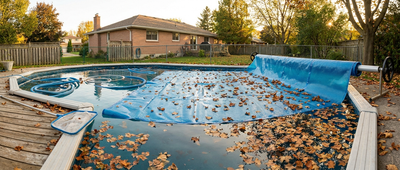
Fall can change the way your pool needs to be cleaned almost overnight. A few leaves on the surface can quickly turn into wet leaves on the floor, full skimmer baskets, dirt in the corners, and fine debris left behind after the larger mess is gone.
And leaves are only part of it. Twigs, acorns, seeds, insects, pollen, and wind-blown dirt can all enter the pool during the season.
To make fall pool cleaning a little easier, we’ve put together a simple checklist so you can quickly see what needs attention and what to clean first.
Fall Pool Cleaning Checklist
Use this checklist to see which areas need attention:
-
☐ Clear loose leaves and debris around the pool
-
☐ Remove floating leaves and larger debris
-
☐ Empty the skimmer and pump baskets
-
☐ Clean settled leaves and debris from the pool floor
-
☐ Check steps, ledges, corners, and shallow areas
-
☐ Look for pollen, dirt, silt, and other fine debris
-
☐ Check the walls and waterline
-
☐ Inspect the filter and water circulation
You do not necessarily need to complete every step every time you clean. During peak leaf season, for example, the surface and skimmer basket may need attention long before the walls or pool floor do.
1. Clear Leaves and Debris Around the Pool
Start with the area surrounding the water.
Dry leaves sitting on the deck, coping, patio furniture, or nearby landscaping can easily blow into the pool after you have finished cleaning it. Sweep or blow them away from the pool before you start working on the water.
Look for more than leaves. Twigs, acorns, pine needles, seed pods, and small branches can all end up in the pool once the wind picks up.
Keeping the immediate area clear will not stop every leaf from reaching the water, but it can help keep leaves out of the pool and reduce how much debris you have to remove later.
2. Remove Floating Leaves Before They Sink
Once the surrounding area is clear, move to the water surface.
Fresh leaves are usually easiest to deal with while they are still floating. Leave them long enough and they can become waterlogged, sink, and add to the debris already collecting on the pool floor.
Use a hand skimmer, the pool's built-in skimmer, or Beatbot robotic surface skimmers to remove floating leaves, insects, seeds, twigs, and other debris.
During peak fall conditions, the surface may need more attention than any other part of the pool. Debris can continue falling even after the water has just been cleaned, especially in yards with several large trees.
A robotic surface skimmer can reduce some of that repetitive work by continuing to collect debris as it lands. This can be particularly useful when your pool is dealing with a steady mix of leaves and pollen throughout the season.
The sooner you remove floating debris, the less of it you will have to clean from the bottom later.
3. Empty the Skimmer and Pump Baskets
A skimmer basket that usually takes several days to fill can collect a surprising amount of material during a windy fall afternoon. Wet leaves can pack together, while smaller debris fills the spaces between them.
Empty the skimmer basket before it becomes packed with debris. Then check the pump basket for anything that has made it farther into the circulation system.
Also pay attention to water flow. If circulation suddenly seems weaker while leaves are falling heavily, check the baskets before assuming there is a larger equipment problem.
This is one of the easiest steps to overlook because the debris is no longer visible in the pool, but keeping the baskets clear helps the rest of the circulation and filtration system continue doing its job.
4. Clean Settled Leaves and Heavy Debris From the Pool Floor
After the surface is clear, look at what has already sunk.
Wet leaves often collect in the deep end, around drains, along edges, and in areas where water movement naturally pushes debris together. Acorns, small twigs, seed pods, and heavier dirt can settle in the same places.
Remove unusually large branches or large piles of debris manually before running a pool cleaner. This keeps oversized material from taking up unnecessary basket space or interfering with the cleaner.
For the rest, Beatbot robotic pool cleaners can handle much of the repetitive floor cleaning.
If fallen leaves are one of your main seasonal problems, pay attention to basket capacity, intake design, cleaning coverage, and how easily the basket can be emptied when choosing a robotic pool cleaner for leaves.
The amount of debris matters too. A pool with a few scattered leaves has very different cleaning demands from a large backyard pool sitting beneath several mature trees. Pools regularly dealing with heavy leaves and debris may benefit more from a cleaner designed around larger debris loads.
Once the main floor is clean, do not stop there. Fall debris rarely settles only in the easiest places to see.
5. Check Steps, Ledges, Corners, and Shallow Areas
Walk around the pool and inspect the areas outside the main floor.
Look at:
-
Steps
-
Tanning ledges
-
Shallow platforms
-
Corners
-
Areas behind ladders
-
Edges where the floor meets the wall
Leaves and smaller debris can also collect on steps, tanning ledges, shallow areas, and in corners where they are easy to miss.
After cleaning the main pool floor, take a quick look at these areas and remove anything that remains. If your robotic pool cleaner is designed to cover steps or shallow areas, include them in the same cleaning cycle; otherwise, use a skimmer or brush for any debris left behind.
6. Look for Fine Dirt, Pollen, and Silt Left Behind
Once the larger debris is gone, take another look at the pool floor.
This is often when the second layer of the fall mess becomes visible.
Wind can bring fine dirt, dust, pollen, and silt into the pool along with leaves. Leaves themselves can also soften and break into smaller pieces after sitting in the water.
You may notice:
-
A dusty layer across the floor
-
Fine sediment collecting in the deep end
-
Small particles around steps and corners
-
Tiny leaf fragments left after the main cleaning
These particles need a different approach from whole leaves and twigs.
If your standard cleaning pass removes the larger debris but leaves fine material behind, switching to finer filtration can make more sense than simply repeating the same setup. Sora 70 and Sora 30 can be fitted with Beatbot’s Ultra-Fine Dual Filter Basket, which combines a 400 μm outer basket with a 3 μm inner non-woven filter for finer debris such as dust, silt, pollen, and small organic particles.
A two-pass approach works well when the pool contains a mix of debris. Start with the standard basket for leaves, twigs, insects, and other larger material, then switch to the Ultra-Fine Dual Filter Basket for the finer particles left behind.
Pools that regularly collect fine silt and dust may benefit from using this approach whenever a standard cleaning leaves visible sediment on the floor.
7. Check the Walls and Waterline
Fall debris does not always settle on the pool floor. Smaller leaves, pollen, dirt, and organic particles can also collect along the walls and waterline, especially around corners or areas where water movement pushes debris toward the edge of the pool.
The waterline is worth checking after the main floor has been cleaned because residue can remain there even when the rest of the pool already looks clear. Fine debris may cling to the surface, while wet leaves and other organic material can leave visible buildup around the edge.
A Beatbot robotic pool cleaner that covers the walls and waterline can handle much of this as part of the regular cleaning cycle. This helps remove loose debris and everyday buildup without adding a separate manual step every time you clean the pool.
Once the cleaning cycle is complete, check the waterline and corners for any residue left behind. Stubborn buildup, stains, or material that has attached firmly to the surface may still need to be scrubbed manually with a pool brush or an appropriate waterline cleaner.
The goal is not to scrub the entire pool every time. It is simply to make sure debris along the walls and waterline does not get overlooked once the floor is clean.
8. Check the Filter and Water Circulation
Finish the cleanup by checking the pool’s main filtration system. A robotic pool cleaner can remove much of the visible debris from the surface and floor, but smaller suspended particles can still move through the circulation system and end up in the filter.
Fall often puts more debris through that system than summer. Leaves can quickly fill the skimmer basket, smaller material may reach the pump basket, and pollen, dirt, and fine organic particles can gradually build up in the filter. As that buildup increases, water has a harder time moving through the system.
Check:
-
Filter pressure
-
Return-jet flow
-
Skimmer flow
-
Skimmer and pump baskets
-
Whether the filter needs cleaning
Filter pressure is one of the easiest ways to tell whether debris is beginning to restrict flow. Compare the current reading with the normal clean-pressure reading for your own system rather than relying on one pressure number for every pool.
Changes in water flow can provide another clue. Weaker return jets or reduced skimmer suction may mean leaves or debris are restricting the baskets, while a higher filter-pressure reading can point to buildup inside the filter itself. Clear the skimmer and pump baskets first, then check the filter if circulation still seems weaker than usual.
What comes next depends on the type of filter you have. Cartridge filters are typically removed and rinsed or cleaned, while sand and DE filters may need to backwash the filter when pressure and flow indicate that debris has built up.
This final step helps clear the part of the fall mess that is not always visible from the deck. The pool may already look clean while the circulation and filtration system is still holding pollen, fine dirt, and other debris collected during the cleanup.
Quick Fall Pool Cleaning Routine
You can simplify the full checklist into three stages.
Before Cleaning
-
Clear loose leaves around the pool
-
Remove large branches or debris
-
Check the skimmer and pump baskets
During Cleaning
-
Remove floating debris first
-
Clean the pool floor
-
Check steps, ledges, corners, and shallow areas
-
Look for fine sediment after the larger debris is gone
After Cleaning
-
Check walls and the waterline
-
Inspect filter pressure and water flow
-
Clean or backwash the filter when needed
The order matters more than trying to clean everything at once. Clearing the surface before the floor, for example, means fewer leaves can sink while the underwater cleaning is already underway.
When Fall Pool Cleaning Needs Extra Attention
Most fall cleaning days can follow the checklist above. A few situations deserve more attention.
When Leaves Keep Coming Back
A pool that is covered with leaves again shortly after cleaning has a debris-control problem as much as a cleaning problem.
In this situation, spend more effort intercepting leaves before they sink. Keeping the surrounding deck clear, using a leaf net or cover when appropriate, and maintaining regular surface skimming can reduce the amount that eventually ends up on the pool floor.
After Heavy Rain or Wind
Fall storms can introduce much more than a normal layer of leaves.
Branches, dirt, fine sediment, and large amounts of organic debris may enter the pool at the same time. Heavy rainfall can also change the water level and affect water chemistry.
Remove the physical debris first, restore normal circulation, and then assess whether the water needs additional testing or treatment.
When Fine Debris Is Still on the Floor
If the whole leaves are gone but the pool still has a dusty or silty appearance, another large-debris cleaning cycle may not help much.
At this point, focus on finer filtration. Clean the standard basket, switch to an appropriate fine-filter setup, and make another pass over the affected areas.
Before Closing the Pool
The final fall cleanup before closing deserves more attention than a normal weekly cleaning.
Leaves, acorns, dirt, and other organic material left in the pool can remain under the cover for months. A thorough pre-closing debris cleanup helps reduce the amount of material left to break down during the off-season.
Once the pool is physically clean, continue with the appropriate water treatment, equipment preparation, and winterization steps for your pool and climate.
Make Fall Cleanup Easier
Fall cleanup is much easier when small problems stay small. A few floating leaves, a partly filled basket, or a light layer of sediment are all quicker to deal with before they build into a heavier cleanup.
Use the checklist as a simple way to catch what needs attention, skip what does not, and keep the pool manageable through leaf season.