Most Popular


 Sora Series


 AquaSense Series

 Skimmer & Bundle

 Retail Edition


 Accessories


Backwash your pool filter when the pressure gauge reads 8 to 10 PSI above its clean baseline, when return-jet flow noticeably drops, or after the pool handles unusual debris like a storm or an algae bloom. This applies to sand and DE filters only.
Cartridge filters do not get backwashed; their cartridges are pulled out and rinsed instead. The cycle reverses water flow inside the filter tank so trapped dirt flushes out the waste line, and doing it too early wastes water and unbalances chemistry without improving filtration.
What Does It Mean to Backwash a Pool?
Backwashing is a cleaning cycle on a sand or DE filter that reverses water flow inside the tank so trapped dirt flushes out a waste line instead of going back to the pool. During normal filtering, water enters the top of the tank, passes down through the sand bed or DE-coated grids, and returns to the pool clean.
In Backwash position, the multiport valve sends water in from the bottom, lifts the media, dislodges the debris, and carries it out the waste port.
Sand and DE media trap dirt internally as they filter, and that trapped dirt eventually becomes flow resistance. Backwashing is the built-in way to clear it without opening the tank.
When Should You Backwash Your Pool Filter?
Backwash when the pressure gauge rises 8 to 10 PSI above the clean baseline, when return-jet flow weakens, or after a heavy debris event. The pressure gauge is the most reliable cue because it reflects how clogged the media actually is.

Pressure Rise Above Clean Baseline
After a thorough backwash, note the gauge reading and treat that number as the clean baseline. Most residential sand and DE filters operate cleanly between 10 and 20 PSI, but the exact number depends on the pump, plumbing, and tank size, so the baseline is specific to each pool.
Backwash when the gauge climbs 8 to 10 PSI above that mark. Marking the baseline directly on the gauge face makes the trigger readable at a glance for anyone maintaining the pool.
Weaker Return-Jet Flow
Reduced flow at the return jets, paired with rising pressure on the gauge, points to a loaded filter. If pressure is high but flow is also low at the gauge, the blockage is upstream of the filter, in a skimmer basket, pump basket, or impeller, and backwashing will not fix it.
After Storms, Heavy Use, or Algae Treatment
A heavy rain, a pollen-heavy week, a pool party that doubles the bather load, or an algae shock can spike filter pressure within a day. Backwash after the pool clears, then watch the gauge over the next few days. If pressure climbs back fast each time, the media itself needs deeper cleaning or replacement, not more backwashes.
How Often Should You Backwash a Sand or DE Filter?
Weekly to biweekly during the swim season is a typical starting cadence for residential sand filters, adjusted by what the pressure gauge shows. DE filters tend to need attention more often because their filtration is finer and they load faster. The pressure gauge always overrules the calendar.
Pool size, debris load, run-time hours, and overhanging trees all shift the interval. A small pool under heavy leaf fall may need attention every few days; a large pool with low bather load and a clean perimeter can sometimes go a month between cycles.
Sand Filters
Weekly to biweekly under normal conditions, with shorter intervals after heavy debris events. Stretching past the 8 to 10 PSI threshold to save water reduces filtration efficiency and forces the pump to work harder against a clogged bed.
DE Filters
Weekly to biweekly in season, with occasional partial backwashes between full cycles. Because the DE powder coats the grids and gets flushed out with each backwash, fresh DE has to be added through the skimmer afterward to recoat the grids. Skipping the recharge leaves the grids exposed and lets fine particles slip back into the pool.
Cartridge Filters Do Not Get Backwashed
Cartridge systems have no backwash port on the valve. The cartridges are pulled out, rinsed with a garden hose when pressure rises, and soaked or replaced periodically.
How to Backwash a Pool Filter Step by Step
Always stop the pump before moving the multiport valve handle. Moving it under pressure tears the internal gasket and causes leaks at the valve.

-
Turn the pump off and let the pressure gauge drop to zero.
-
Roll out the backwash hose to an approved drainage area; some municipalities restrict where pool water can go.
-
Press down on the multiport handle and rotate it to Backwash.
-
Turn the pump back on and run it 2 to 3 minutes on small to medium filters, or 3 to 5 minutes on larger filters, until the sight glass or hose discharge runs clear.
-
Turn the pump off, rotate the valve to Rinse, then run the pump 20 to 60 seconds to reseat the media.
-
Turn the pump off, rotate the valve back to Filter, and restart the pump.
-
On a DE filter, add the recommended dose of fresh DE powder through the skimmer to recoat the grids.
-
Note the new clean pressure reading; that becomes the baseline for the next cycle.
A full cycle can move 50 to several hundred gallons out of the system, so top off the pool and recheck chemistry before the next regular pump run.
What's the Difference Between Rinse and Backwash?
Backwash and rinse are two different valve positions. Backwash sends water backward through the filter media and out the waste line to flush trapped dirt. Rinse sends water forward through the media in the normal filtering direction but still routes it out the waste line, which reseats the sand or DE and stops dislodged particles from blowing back into the pool when the valve returns to Filter.
Skipping the 20 to 60 second rinse after a backwash is the most common mistake at this step. Without it, the first seconds of normal operation push trapped debris straight back to the pool.
When You Should Not Backwash Your Pool
A slightly dirty filter traps fine particles better than a freshly cleaned one because the trapped debris itself helps catch more debris. Aggressive over-backwashing pulls the media out of that efficiency window, wastes pool water, and removes treated water that has to be replaced and rebalanced.
Hold off if the gauge has only risen a few PSI or if the pool just took on rainwater and chemistry is unsettled. In freezing weather, water left in the waste line can freeze and damage the plumbing, so most pros defer backwashing until the freeze passes.
Quick pressure rebounds right after a backwash signal a media problem, not a cadence problem. Sand may have channeled or calcified, DE grids may be torn, or the media may be at the end of its life. More frequent backwashing will not fix any of those.
Can a Robotic Pool Cleaner Reduce How Often You Backwash?
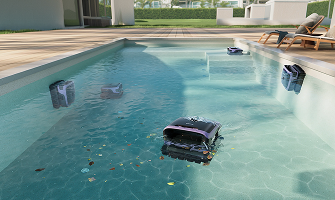
Yes, because the less debris that reaches the sand or DE bed, the slower the pressure gauge climbs between cycles. A cordless robotic pool cleaner filters water through its own onboard basket, capturing leaves, sediment, and fine particles before they ever pass through the main pump.
The intervals between backwashes stretch out most visibly during pollen season and after storms, when the main filter would otherwise load up within a day.
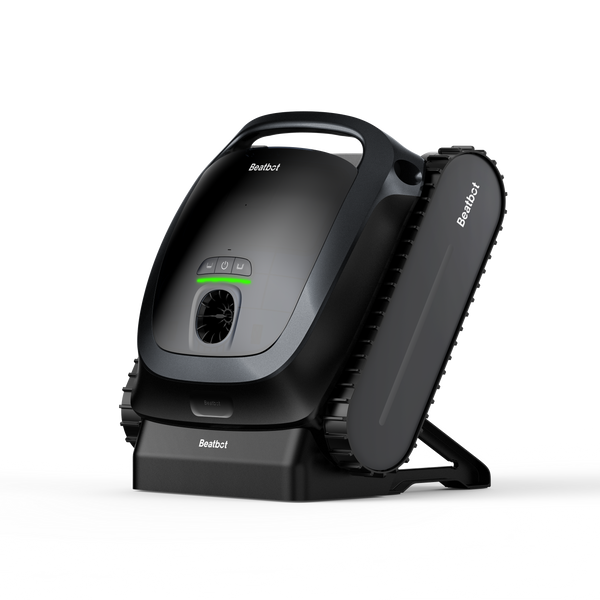
Filter density on the robot is what determines whether the load actually drops or just shifts in timing. The Beatbot AquaSense 2 Ultra robotic pool cleaner uses a dual-layer filtration system rated at 150 µm and 250 µm across two stages, with a 4.0L outer and 3.7L inner basket.
The two-stage media captures both large debris and finer suspended particles inside the robot, so less of the same load circulates to the sand or DE bed downstream.
For pools with heavy seasonal debris, basket capacity carries more weight than density alone. The Beatbot Sora 70 cordless robotic pool cleaner carries a 6L debris basket with 150 µm standard filtration and a swap-in 3 µm ultra-fine filter for finishing passes.
The ultra-fine option catches particles small enough to slip through a sand bed in the first place, which lowers reliance on chemical clarifiers and lengthens the interval between main-filter backwashes through fall and pollen season.
FAQs
Will Backwashing Fix Cloudy Water?
Sometimes. If the cloudiness comes from a clogged filter that has stopped catching fine particles, a proper backwash and rinse cycle can clear it within a day of normal pump time. If it comes from off-balance chemistry, fine algae, or a sanitizer drop, backwashing will not clear the water and wastes a chemistry-balanced filter cycle in the process.
Does Backwashing Waste Pool Chemicals?
Yes. The water flushed out the waste line is already chlorinated and balanced, and each cycle moves 50 to several hundred gallons. Refill comes from untreated source water, so expect to redose sanitizer and recheck pH and alkalinity after every backwash.
Can You Backwash With the Pump Running?
No. Moving the multiport handle under pressure tears the spider gasket inside the valve and causes constant leakage to the waste line. Shut the pump off first and wait for the gauge to drop to zero.
Should You Backwash After Shocking the Pool?
Wait until the dead algae or oxidized matter has been filtered out and pressure has actually risen. Backwashing immediately after adding shock dumps a partially treated load to the waste line before the filter captures it.
Where Can Backwash Water Be Discharged?
Rules vary by city. Many municipalities prohibit discharging pool water to streets, storm drains, or natural waterways because of chlorine and chemical content. Check local requirements before running a hose to the lawn, sewer cleanout, or dry well.