Most Popular


 Sora Series


 AquaSense Series

 Skimmer & Bundle

 Retail Edition


 Accessories


Pool chemistry can sound complicated, but most pool owners only need to watch a few key numbers. Chlorine keeps the water sanitized. pH affects comfort and chlorine performance. Alkalinity helps keep pH stable, while calcium hardness and cyanuric acid protect the pool in different ways.
The goal is not to add more chemicals. It is to test the water, understand the results, and adjust only what is outside the proper range.
What Your Pool Chemistry Levels Should Be
The table below shows common target ranges for a residential pool.
| Pool Chemistry Test | Common Target Range | Why It Matters | How Often to Test |
|---|---|---|---|
| Free chlorine | 1–4 ppm | Sanitizes the water | 2–3 times per week |
| Combined chlorine | As close to 0 ppm as possible | Shows how much chlorine has reacted with contaminants | 2–3 times per week |
| pH | 7.2–7.8 | Affects comfort, chlorine and pool surfaces | 2–3 times per week |
| Total alkalinity | 80–120 ppm | Helps keep pH stable | Weekly |
| Calcium hardness | 200–400 ppm | Helps prevent corrosion and scale | Monthly |
| Cyanuric acid | 30–50 ppm | Protects chlorine from sunlight | Monthly |
| Salt | Follow the salt system manual | Allows a salt chlorine generator to operate | Monthly |
| Metals | As low as possible | High levels may cause stains or colored water | When problems appear |
| Phosphates | Depends on pool conditions | May support algae growth when sanitizer is low | As needed |
| TDS | Compare with the source water | High buildup may make water harder to manage | Several times per season |
These ranges are a good starting point for most home pools. Your ideal levels may vary slightly based on the pool surface, sanitizer, water temperature, and equipment, so use your system and product instructions as the final guide.
According to the CDC, pool pH should stay between 7.0 and 7.8. Free chlorine should be at least 1 ppm in pools without cyanuric acid and at least 2 ppm when cyanuric acid or stabilized chlorine is used.
What Is Pool Chemistry?
Pool chemistry describes the condition of your water based on its sanitizer, pH, alkalinity, calcium, stabilizer and other dissolved materials.
Balanced water should:
-
Control harmful germs
-
Feel comfortable on the skin and eyes
-
Stay clear
-
Protect pool surfaces and equipment
-
Reduce algae growth
-
Avoid scale and corrosion
A pool may look clean but still have low sanitizer or an unhealthy pH level. Testing is the only reliable way to know what is happening.
The Main Pool Chemistry Levels You Need to Know
Start with the levels that have the biggest effect on sanitation, water comfort, clarity, and equipment. The following readings are the main ones most pool owners should understand and test regularly.
Free Chlorine, Total Chlorine and Combined Chlorine
Chlorine sanitizes pool water by reacting with germs, sweat, body oils and other contaminants.
There are three chlorine readings to understand, but the main comparison is between free chlorine and total chlorine.
Free chlorine is the chlorine that is still available to sanitize the water.
Total chlorine includes both available chlorine and chlorine that has already reacted with contaminants.
Combined chlorine is the difference between total chlorine and free chlorine.
The basic formula is:
Total chlorine − Free chlorine = Combined chlorine
A strong chlorine smell does not always mean there is too much chlorine. It can be a sign that chlorine has reacted with sweat, oils or other contaminants and formed chloramines.
CDC guidance for public pools recommends checking combined chlorine and taking action when it becomes too high, such as above about 0.4 ppm.
Low free chlorine may allow algae and germs to grow. Chlorine that disappears quickly may point to heavy contamination, strong sunlight, low cyanuric acid or a high chlorine demand.
pH
Pool water pH shows how acidic or basic the water is.
A common target range is 7.2 to 7.8, with many pool owners aiming for the middle of that range.
When pH is too low, the water becomes more acidic. It may:
-
Irritate eyes and skin
-
Corrode metal parts
-
Damage some pool surfaces
-
Make chlorine disappear faster
When pH is too high, the water may:
-
Become cloudy
-
Form scale
-
Reduce chlorine performance
-
Leave deposits on pool surfaces and equipment
Chlorine and pH should always be checked together. Chlorine does not work as effectively when pH moves too far outside the proper range.
Total Alkalinity
Total alkalinity helps resist sudden changes in pH. You can think of it as a buffer that keeps pH from moving too quickly.
A common target is 80 to 120 ppm.
Low alkalinity can cause pH to rise and fall quickly. This is often called pH bounce. When alkalinity is low, the goal is to raise pool alkalinity without raising pH too much.
High alkalinity can make pH difficult to lower. It may also contribute to cloudy water and scale when other conditions are present.
Alkalinity and pH are related, but they are not the same measurement. In many cases, alkalinity should be checked and corrected before making a final pH adjustment. PHTA materials commonly show an ideal total alkalinity range of 80 to 120 ppm.
Cyanuric Acid
Cyanuric acid, or CYA, helps protect chlorine from being broken down by sunlight.
It is often described as sunscreen for chlorine.
Without enough CYA, sunlight may remove chlorine quickly from an outdoor pool. Too much CYA, however, can make chlorine work more slowly and may require a higher free chlorine level.
A common target for outdoor pools is 30 to 50 ppm. Some saltwater systems may use a different range, so follow the equipment manual.
CYA is normally not needed in an indoor pool because the water is not exposed to direct sunlight. PHTA identifies 30 to 50 ppm as an ideal range when CYA is used and advises keeping it below 100 ppm.
Calcium Hardness
Calcium hardness in pool water measures the amount of dissolved calcium and helps show whether the water may become corrosive or form scale.
A common target range is 200 to 400 ppm, although the best level depends on the pool surface and overall water balance.
When calcium hardness is too low, the water may pull minerals from plaster, grout or concrete surfaces.
When it is too high, calcium may form:
-
White scale
-
Rough deposits
-
Cloudy water
-
Buildup on heaters and salt cells
High calcium does not always mean the pool must be drained immediately. pH, alkalinity and water temperature also affect whether scale forms.
PHTA materials list 200 to 400 ppm as a common ideal calcium hardness range, with a wider acceptable range under some conditions.
Salt
A saltwater pool is still a chlorine pool. The salt chlorine generator converts dissolved salt into chlorine, so the salt level must stay within the system’s operating range.
Most residential salt systems work at around 3,000 to 4,000 ppm, but the exact target varies by model.
| Salt Chlorine Generator | Recommended Salt Level | Ideal Target |
|---|---|---|
| Pentair IntelliChlor Plus and LT | Around 3,000–4,500 ppm | 3,600 ppm |
| Jandy AquaPure | 3,000–3,500 ppm | Stay within the recommended range |
| Hayward AquaRite | 2,700–3,400 ppm | 3,200 ppm |
| CircuPool Universal Series | 3,000–4,000 ppm | 3,500 ppm |
These figures are a quick reference. Check the manual for your exact model before adding salt, especially if you have an older system or a low salt chlorinator.
When the salt level is too low, the cell may produce less chlorine or stop working. Too much salt may trigger an error or cause the system to shut down.
Salt does not leave the pool when water evaporates. Levels usually fall after backwashing, draining, leaks, heavy rain, or water splashing out. Test the water before adding more salt, then allow it to circulate before testing again. If the salt level is too high, part of the pool water normally needs to be drained and replaced with fresh water.
Metals, Phosphates and TDS
These are secondary measurements. They do not need to be adjusted every week, but they can help explain certain water problems.
Metals, such as iron and copper, may cause colored water or surface stains.
Phosphates can enter through leaves, fertilizer, soil, rain and other organic material. They may support algae growth when chlorine is not maintained.
Total dissolved solids, or TDS, include salts, minerals and chemicals that remain in the water. TDS slowly rises as water evaporates and more products are added.
These readings are usually most useful when a pool has a problem that normal chlorine and pH adjustments do not solve.
How Pool Chemistry Levels Work Together
Pool chemistry levels should not be treated as separate numbers.
Total alkalinity helps stabilize pH. pH affects how chlorine performs. Cyanuric acid protects chlorine from sunlight but also changes how much free chlorine may be needed.
Calcium hardness, pH, alkalinity and water temperature all affect scale. A high calcium reading may not cause a problem when the rest of the water is properly balanced.
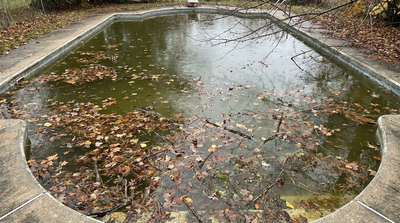
Debris also affects chemistry. Leaves, pollen, insects, sunscreen, sweat and body oils create more work for chlorine. Removing them early can help reduce the amount of organic material left in the water.
That is why balanced water needs more than chemicals. It also needs circulation, filtration and regular cleaning.
How to Test Pool Water
You can test pool chemistry in several ways.
Test Strips
Test strips are fast and easy to use. Dip the strip into the water, wait for the time shown on the package and compare the colors with the chart.
They work well for quick routine checks, but color matching can be difficult. Old, wet or poorly stored strips may also give unreliable results.
Liquid Test Kits
Liquid test kits usually provide more control and better detail than basic test strips.
You collect a water sample, add the correct reagent and compare the result with a color scale. The process takes longer, but it is often more useful when making a major adjustment.
Digital Testers
Digital testers display a number instead of relying on color matching.
Some test only pH or salt. More advanced systems may monitor several readings. Digital tools still need proper calibration and care.
Professional Water Testing
A pool store or pool professional can provide a more complete water test. This can be useful when:
-
The water remains cloudy
-
Algae keeps returning
-
Chlorine will not hold
-
Stains keep appearing
-
Home test results do not make sense
Take the sample away from return jets, skimmers and chemical feeders. Collect it from below the surface using a clean container.
What Order Should You Balance Pool Chemicals?
Adding several products at once can make the water harder to manage. Use a simple process instead.
1. Test the Water
Start with actual readings. Do not add a chemical only because the water looks different.
2. Check the Pool Volume
Chemical dosage depends on the amount of water in the pool. A wrong volume estimate can lead to too much or too little product.
3. Check Total Alkalinity
Correcting alkalinity first can make pH easier to control.
4. Adjust pH
Bring pH into the proper range before making major sanitizer changes.
5. Check Calcium Hardness
Review the reading based on the pool surface and any signs of scale or corrosion.
6. Establish the Proper Sanitizer Level
Adjust free chlorine based on the current water condition, CYA level and product directions.
7. Check Cyanuric Acid
Outdoor pools need enough stabilizer to protect chlorine, but adding too much can make future corrections difficult.
8. Run the Pump and Filter
Circulation helps distribute chemicals throughout the pool.
9. Retest
Allow the water to circulate for the time shown on the product label. Retest before making another large adjustment.
You do not need to change every reading each time. Leave any level that is already within the proper range alone.
What Your Pool Water Is Telling You
Visible problems can help narrow down what to test first.
| What You Notice | Possible Causes | Check First |
|---|---|---|
| Cloudy water | Low chlorine, high pH, fine particles or poor filtration | Chlorine, pH and filter |
| Green water | Algae or oxidized metals | Chlorine, pH and metals |
| Strong chlorine smell | Combined chlorine | Free and total chlorine |
| White scale | High pH, calcium or scale forming water | pH and calcium hardness |
| Rapid pH changes | Low alkalinity | Total alkalinity |
| Chlorine disappears quickly | Sunlight, low CYA or heavy contamination | Free chlorine and CYA |
| Brown or orange stains | Iron in the water | Metals and pH |
| Blue or green stains | Copper in the water | Metals and pH |
| Slimy walls | Algae or biofilm | Chlorine and circulation |
These signs are useful clues, but they are not a replacement for testing.
Green water, in particular, can have more than one cause. Adding more chlorine without checking for metals may make metal related discoloration worse.
Clear Water Needs More Than Pool Chemicals
Chemistry is only one part of clean pool water.
Chemistry controls sanitizer and water balance.
Circulation moves treated water through the pool.
Filtration removes suspended particles.
Physical cleaning removes debris from the floor, walls, waterline and surface.
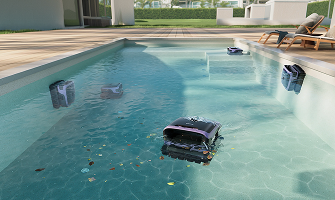
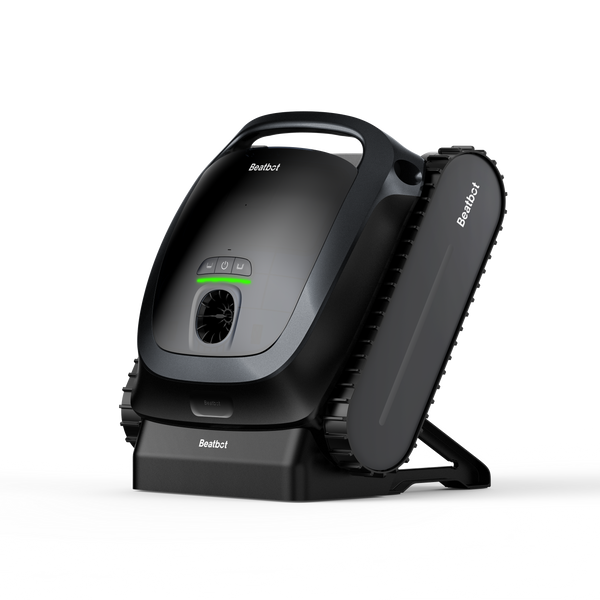
Beatbot crodless robotic pool cleaners can remove dirt, sand, leaves, and settled debris from the floor, walls, and waterline before more of that material breaks down in the water. Beatbot robots handle this physical cleaning, while the pool’s sanitizer, pump, and filter manage water treatment and circulation.
However, a pool robot cannot test pH, adjust alkalinity or replace chlorine. Cleaning equipment and chemistry have different jobs.
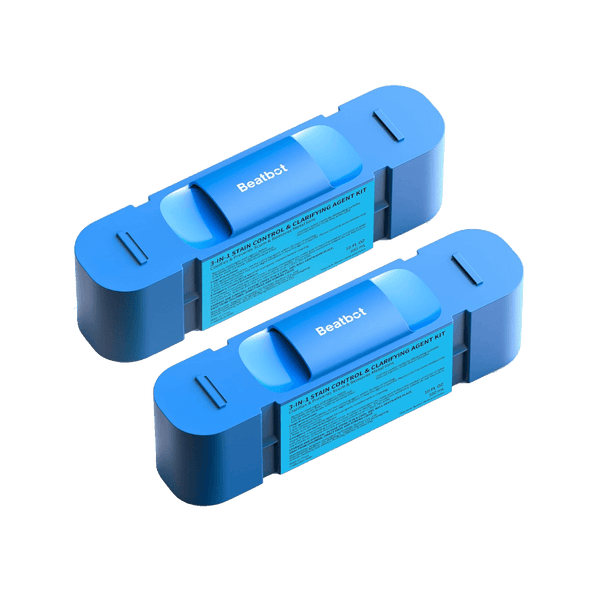
A pool clarifier helps fine particles group together so the filter can catch them more easily. Beatbot Pool Clarifier uses a pH neutral, chitosan based formula made from recycled crab shells to bind fine debris, oils, and suspended particles. It can be installed in the AquaSense 2 Ultra, AquaSense 2 Pro, AquaSense Pro, and iSkim Ultra for automatic dispensing. Beatbot Sora robotic pool cleaners can also be paired with the iSkim Ultra, allowing the skimmer to dispense the clarifier while the Sora handles pool cleaning.
A Simple Weekly Pool Chemistry Routine
Pool care is easier when it follows a regular schedule.
During a normal week:
-
Look at the water and pool surfaces.
-
Remove leaves and visible debris.
-
Test free chlorine and pH.
-
Check total alkalinity.
-
Adjust only the readings outside the proper range.
-
Keep the pump and filter running as needed.
-
Brush or clean areas with visible buildup.
-
Retest after major adjustments.
Test more often after:
-
Heavy rain
-
Very hot weather
-
A pool party
-
Visible algae
-
A large chemical adjustment
-
Adding fresh water
-
Several days of heavy use
A simple record of test results can help you spot patterns. It may show that chlorine drops after hot days or that pH rises each week.
Pool Chemical Safety
Pool chemicals can be dangerous when they are mixed, contaminated or stored incorrectly.
Follow these basic rules:
-
Never mix pool chemicals together.
-
Add one product at a time.
-
Follow the product label.
-
Use clean, separate measuring tools.
-
Keep chemicals dry.
-
Store products in a ventilated area.
-
Keep chemicals away from heat and flammable materials.
-
Wear the protection listed on the label.
-
Keep children and pets away.
-
Never guess the dosage.
The EPA warns that some pool chemicals can cause fires, toxic vapors, burns or other serious injuries when they become wet, contaminated or mixed with incompatible products.
Keep Pool Chemistry Simple
Good pool chemistry starts with regular testing, not with adding more products.
Watch the main readings, adjust only what is outside the proper range and give each treatment time to circulate. Keep the filter running and remove debris before it breaks down in the water.
When chemistry, circulation, filtration and cleaning work together, the pool is easier to manage and problems are easier to catch before they become serious.
FAQs
What is the most important part of pool chemistry?
Sanitizer and pH are the first readings to check. Chlorine helps control germs, while pH affects both swimmer comfort and chlorine performance.
How often should I test pool chemistry?
For a home pool, test free chlorine and pH at least two or three times per week. Test more often during hot weather, heavy use or after rain. Alkalinity can usually be checked weekly, while calcium hardness and CYA change more slowly.
What pool chemical should I adjust first?
Start with total alkalinity, followed by pH. Then review calcium hardness, sanitizer and CYA. The exact order may change when the pool has algae, unsafe sanitizer levels or another urgent problem.
Can pool chemistry be balanced while the water is still cloudy?
Yes. Cloudiness can also come from fine particles, poor circulation, a dirty filter or debris on the pool floor. Chemistry, circulation, filtration and cleaning all need to work together.
Does a saltwater pool need regular chemistry testing?
Yes. A saltwater pool still needs chlorine, pH, alkalinity, calcium hardness and CYA testing. It also needs salt testing and regular inspection of the salt cell.
Can I add several pool chemicals at the same time?
No. Add one product at a time and follow its label for circulation and waiting time. Mixing incompatible pool chemicals can cause a dangerous reaction.