Most Popular


 Sora Series


 AquaSense Series

 Skimmer & Bundle

 Retail Edition


 Accessories


You should open your pool when daytime temperatures in your area stay around 65 to 70°F for a while, not after one warm spell and not just because spring is on the calendar. That is usually the point when keeping the pool closed starts causing more work than opening it.
A good rule is to open the pool 2 to 3 weeks before you plan to swim. That gives you enough time to check the equipment, get the water moving again, balance the chemistry, and clean up early spring debris before you actually want to use the pool.
The Best Time To Open Your Pool
The best time to open your pool is when the weather has turned warmer and stays that way.
For most pool owners in the U.S., that means daytime temperatures stay around 65 to 70°F for a steady stretch. That matters more than the month. In one place, that may happen in March. In another, it may not happen until May. The better signal is stable weather, not the date on the calendar.
Opening the pool 2 to 3 weeks before you plan to use it usually works best. Most pools need a little time after opening. You may need to reinstall winterized parts, check for leaks, restart the pump, clear out debris, and bring chlorine, pH, and alkalinity back into range.
Waiting too long often creates more work than opening a little early. Once daytime temperatures stay in that mid 60s to 70°F range, algae becomes more active, pollen starts building up, and cleanup gets harder. In most cases, opening a bit early is easier than waiting too long.

What Happens If You Open Too Early
Opening too early can leave you cleaning and maintaining the pool for weeks before it is ready to use.
The biggest problem is unstable spring weather. A few warm days do not mean winter is fully gone. Cold nights can come back, the water can stay too cold for comfortable swimming, and the pool may sit open long before anyone wants to get in. That does not always create a water problem right away, but it can mean more upkeep for a pool that is still in limbo.
Pollen is the other issue. In many parts of the country, spring pollen starts showing up early. Wind can make that much worse.
This is especially true across the Great Plains and High Plains, including Oklahoma, Kansas, eastern Colorado, parts of Montana, New Mexico, and the Texas Panhandle. In those areas, spring winds can keep pushing pollen, dust, and fine debris into the pool.
So an early opening can turn into weeks of light cleanup before the season really starts. The pool may be open, but it may not feel ready.

What Happens If You Open Too Late
Opening too late is usually the more expensive mistake.
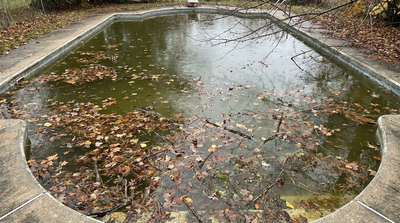
Once daytime temperatures stay around 65 to 70°F, algae can grow faster than many pool owners expect. Water may still feel cool at 70°F, but it is no longer very cold from an algae control standpoint. If you wait too long, a simple pool opening can turn into a pool recovery job.
This gets worse with a mesh cover. Sunlight can still reach the water, which gives algae more of a chance to grow before you open the pool. At the same time, spring pollen, dust, and other organic material can keep collecting in the water and on the pool floor.
Early opening and late opening can both bring pollen into the picture, but late opening often means dealing with pollen and algae at the same time.
At that point, the work changes. You are not just taking off the cover and skimming a few leaves. You may be dealing with green water, cloudy water, a heavier filter load, shock treatment, and long filter run times.
If the water is still fairly clean or only a little cloudy, the pool can often recover in 8 to 24 hours. If it has already turned green or moved into a clear algae bloom, recovery often takes 48 to 72 hours or longer.

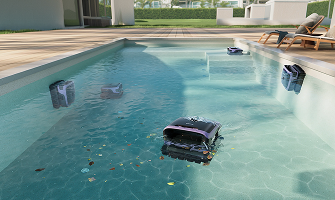
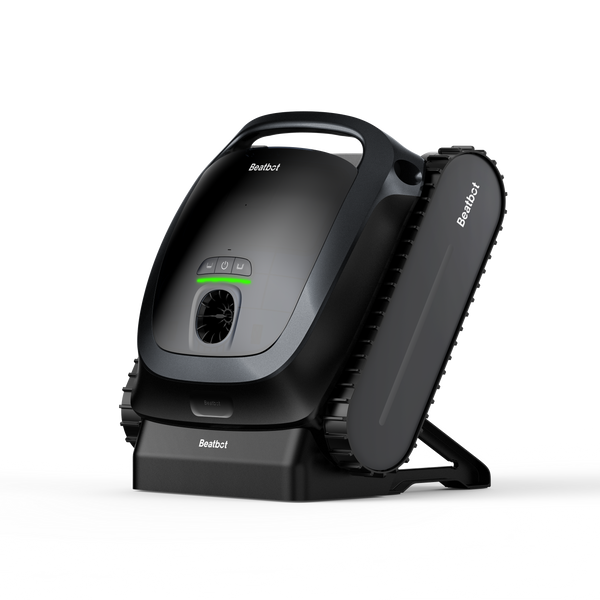
Spring opening can leave more than one kind of mess at once. You may have pollen floating on the surface, dust settled on the floor, and debris caught on shallow ledges. Beatbot Sora 70 fits that kind of cleanup well.
It handles the surface, floor, walls, waterline, and shallow areas, and its 6 L filter basket is useful when the pool has more debris than usual. If fine spring material such as pollen is part of the problem, the optional 3 μm filter is the better fit.
If late opening has left the pool with both debris and dull water, Beatbot AquaSense 2 Ultra is the stronger step up. It combines surface, waterline, wall, and floor cleaning with water clarification, and its HybridSense AI mapping and debris targeting help it pick up the extra plant debris that often lingers after a dirty opening.
When To Open Your Pool By Region
Pool opening timing changes a lot across the U.S., and the real signal is local weather, not the month. A good opening window usually starts when daytime temperatures stay near 70°F for a steady stretch. That may still feel a little cool for swimming, but it is no longer very cool from an algae standpoint.<
The South
The South usually opens first. South Florida often reaches stable opening conditions well before the rest of the country. The same pattern often shows up along the Gulf Coast in south Texas, southern Louisiana, southern Mississippi, and southern Alabama. Southern California coastal areas and the low desert of southern Arizona also tend to warm up early, which often makes pool opening earlier there than in northern states.
The Mid-Atlantic And Interior South
The middle band of the country often opens next. That includes places such as Virginia, North Carolina, South Carolina, Tennessee, Arkansas, Oklahoma, and southern Kansas. These areas can warm up fast, but spring weather often swings more than it does in the far South. A short warm stretch is not enough. It makes more sense to wait for a stable pattern.
The Northeast, Great Lakes, And Upper Midwest
The Northeast, Great Lakes, and Upper Midwest usually open later. Northern New York, Vermont, New Hampshire, Maine, Michigan, Wisconsin, Minnesota, and North Dakota often hold onto freeze risk much longer than southern markets. In those places, waiting for steady warming matters more than chasing an early opening date.
The Mountain And High-Elevation West
The West needs a more local read. States such as Colorado, Utah, northern Nevada, northern Arizona, and higher parts of New Mexico can vary a lot within the same state. Elevation changes the opening schedule. A low desert city and a mountain town do not move on the same timeline, even if they share a state line.
What To Do Once You Decide To Open
Once you decide to open your pool, start with the cover. Clear off standing water, leaves, and debris before you remove it so that the mess does not fall back into the pool during the process.
If opening day leaves behind floating debris and fine pollen right away, Beatbot Sora 70 is a good fit for that first cleanup. It handles the surface, floor, walls, waterline, and shallow areas in one machine, and its optional 3 μm filter helps with finer spring debris.
After the cover is off, check the water level. In most pools, it should sit around the middle of the skimmer opening so the system can restart correctly.
Then put winterized parts back in place, reinstall baskets and fittings, and check the pump and filter connections for obvious leaks or loose spots. Once the system is ready, start the pump and let the water circulate again.
After circulation is back, test the water and correct the main chemistry items such as chlorine, pH, and total alkalinity.
This is usually the point where cleanup and water correction overlap. A Beatbot pool vacuum robot can help speed up cleanup by taking over much of the debris removal after opening.
FAQs
Is It Too Early To Open My Pool?
It is too early if your weather is still bouncing between warm afternoons and regular cold snaps. If daytime temperatures are not staying near 65 to 70°F, waiting a little longer usually makes more sense.
Is It Too Late To Open My Pool?
It may be too late once warm weather has settled in and the pool has stayed closed through pollen season. At that point, algae and cloudy water are more likely.
Should You Open Your Pool Before It Gets Warm?
Yes. Opening 2 to 3 weeks before you expect to swim often works best. That gives you time to clean the pool, check the equipment, and balance the water.<
Yes, if local temperatures are already stable enough. In warm southern markets, March can be normal. In colder regions, it is often too early.
Yes. April is a common opening month in many parts of the U.S. It works best when daytime temperatures stay in the mid 60s or higher.
What Temperature Should You Open A Pool?
A good target is when daytime temperatures stay around 65 to 70°F. That is often the point where opening the pool saves work later.