

 Flagship


 Sora Series


 AquaSense Series


 Skimmer & Bundle

 Retail Edition


 Accessories



 Extended Warranty


First,brush and clean the pool, remove visible debris, and balance the water, especially the pH to 7.2–7.6. If algae is already visible, shock the pool first, then wait until the chlorine level drops back into the product's recommended range.
After that, add the correct dose ofpool algaecide around the pool edge, or into the skimmer if the label allows it—while the pump is running. Evening is usually the best time to apply it because strong sunlight can break down some algaecides too quickly.
How to Use Algaecide in a Pool Step by Step

Check and Balance Pool Chemistry Before Algaecide Use
Before adding algaecide, test the pool water and balance the core chemistry first. Keep the pH between 7.2 and 7.6, as algaecide generally performs best in that range. If the pH is too high, the treatment may become less effective.
Free chlorine should be between 1 and 3 ppm, so the pool still has enough sanitizer to control algae without interfering with the product. CYA should stay between 30 and 50 ppm to help stabilize chlorine without over-stabilizing it, which can reduce sanitizer efficiency.
Use a reliable pool test kit before treatment. If pH, chlorine, or CYA is out of range, correct those levels first, then let the water circulate before moving to the next step.
Add Algaecide Only After pH and Chlorine Are in Range
Do not add algaecide before the water is properly balanced. Once pH and free chlorine is between the right range, allow the pool to circulate so the chemistry is evenly distributed.
If you have recently shocked the pool, wait until chlorine drops back to the level recommended on the product label before adding algaecide. Using it while chlorine is still too high can reduce effectiveness and waste the treatment.

Measure the Dose Based on Pool Volume and Product Strength
Proper dosing depends on two things: your pool's actual water volume and the type and concentration of algaecide you are using. Always check the product label first, because formulas can vary.
In many cases, the typical dose ranges from 1 to 4 ounces of algaecide per 10,000 gallons of water, depending on whether the product is for prevention or active algae treatment. Use a precise measuring container rather than guessing.
Add the Algaecide the Right Way
If the label allows direct application, pour the measured algaecide slowly around the pool perimeter while the pump is running so it disperses evenly. Some products should be pre-diluted in a bucket of pool water first, so always follow the label instead of assuming every algaecide is applied the same way.
Avoid pouring a concentrated amount into one area, especially near steps, fittings, liners, or delicate finishes. If algae tends to appear in corners or other low-flow areas, make sure circulation can reach those zones after application.
Keep the pump running to distribute the treatment
Once the algaecide is in the water, run the pump and filter continuouslylong enough to circulate it through the whole pool. Good circulation helps the treatment reach corners, steps, walls, and other low-flow areas where algae often holds on.
Let the treatment work, then clean out the dead algae>
Algaecide does not finish the job by itself. After it has had time to work, brush the pool again if algae is still clinging to the surface. Then vacuum out dead algae and clean or backwash the filter, since algae residue can quickly clog the system and keep the water dull or cloudy.
Wait before swimming and retest the water
Do not swim until the product label says it is safe and the water is clear and balanced again. Retest pH and chlorine before reopening the pool. This matters not only for swimmer safety, but also for making sure the algae treatment is actually complete.
Which Type of Pool Algaecide Should You Use
The best algaecide depends on whether you are trying to prevent algae or deal with an existing problem.
Quat algaecide is usually the budget option for basic prevention, but it can foam, so it is not ideal for pools with waterfalls, spas, or strong return action.
Polyquat is often the better choice for routine prevention because it is non-foaming and generally cleaner to use in residential pools. It usually costs more, but many pool owners prefer it for ongoing maintenance.
Copper-based algaecides are typically reserved for stubborn or recurring algae problems, especially when black algae is involved. They can be effective, but they need careful dosing because misuse can increase the risk of staining.
Sodium bromide products are more like treatment boosters than regular maintenance chemicals. They are not usually the first choice for weekly algae prevention.
When Is the Best Time to Add Algaecide
The best time to add algaecide is usually after the pool has been cleaned and balanced, with the pump running and strong sunlight fading. Late afternoon or evening often works well because some algaecide formulas break down faster under intense sun.
For prevention, many pool owners use algaecide at seasonal opening, during hot weather, after heavy rain, after high debris load, or before closing the pool.
For treatment, timing matters less than sequence. If algae is already visible, focus on cleaning, balancing, shocking when needed, and then adding algaecide in the proper order.
What Happens if You Put Too Much Algaecide in a Pool?
Too much pool algaecidecan result in foaming. Overdosing can also cause cloudy or milky water, interfere with normal filtration, and leave the pool looking worse before it looks better. In higher concentrations, it may also cause mild skin or eye irritation. If you are using a copper-based algaecide, too much can increase the risk of metal stainingon pool surfaces.
If you overdose the pool, keep the pump and filter running continuouslyand clean or backwash the filter as needed so the water can recover. If the concentration is clearly too high, partially drain and refill about 10% to 20% of the pool waterto dilute it. Then retest the water and bring pH back to 7.2–7.6along with the rest of the basic chemistry.

What Is the Difference Between Algaecide and Chlorine
Chlorine is still the primary algae-control chemical in most swimming pools because it sanitizes the water and kills contaminants on an ongoing basis.
Algaecide plays a different role. It supports prevention, reduces the risk of regrowth, and can help during cleanup, but it does not replace proper chlorine levels.
If chlorine is consistently low or the pool is poorly maintained, algaecide alone will not keep the water clear for long. The best results come from using algaecide as part of a good sanitation routine, not instead of one.
Why a Robotic Pool Cleaner Helps After Algae Treatment
Algaecide can kill algae, but it does not remove the dead algae and debris left behind. After treatment, you still need to clean the pool floor, walls, waterline, and floating debris to ensure the water fully clears.
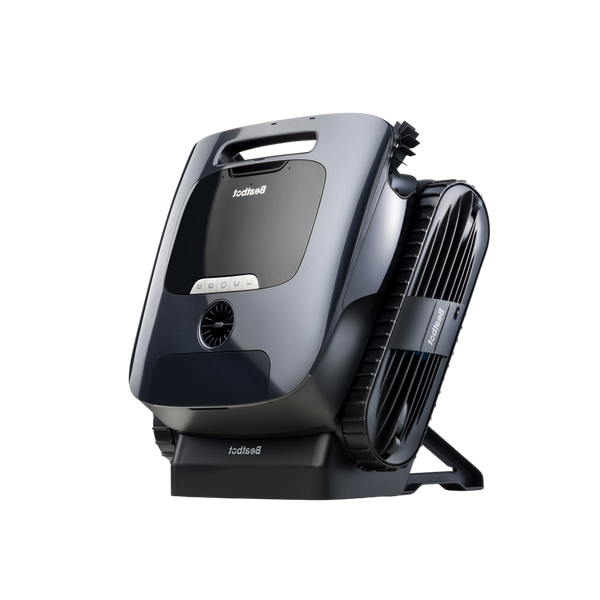
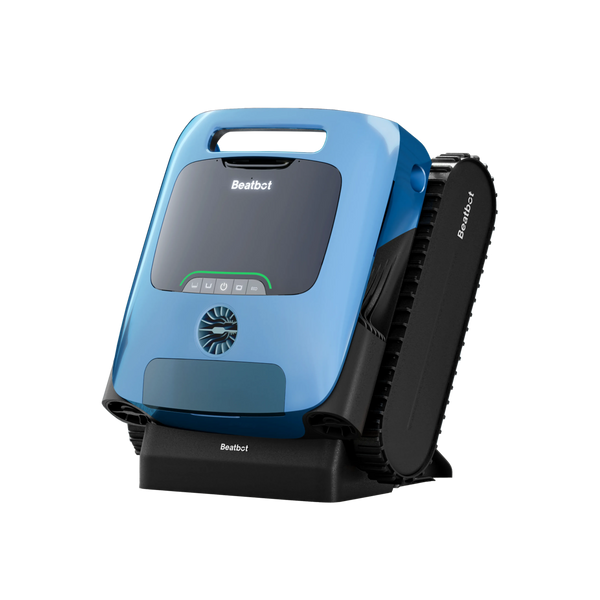
A robotic cleaner like Beatbot Sora 70 cordless vacuum pool can help with that cleanup stage. It supports4-in-1 cleaningfor the water surface, floor, walls, and waterline, with 6,800 GPH suction powerand a large 6L debris basketfor handling leaves, sediment, and post-treatment residue. It also offers a standard 150 μm filterand an optional 3 μm ultra-fine filter for smaller particles such as dust, pollen, and algae spores.
Final Thoughts
Using pool algaecidecorrectly comes down to timing, water balance, and cleanup. When it is added in the right sequence—and followed by proper brushing, filtration, and debris removal—it can be a useful part of pool algae controlwithout creating extra water problems.
If you are dealing with ongoing algae, cloudy water, or heavy debris after treatment, it may help to look beyond chemicals alone and improve the way your pool is cleaned and maintained day to day. You can explore more on the Beatbot site for guidance on robotic pool cleaning, pool care, and other solutions that make routine maintenance easier.
FAQ
Should you use algaecide every week in a swimming pool?
Only if the product label and your pool conditions call for it. Some pools benefit from regular preventive use, but weekly dosing is not necessary in every pool.
How long does algaecide take to work in a pool?
Algaecide typically takes 24 hours to fully kill algae, though some results may appear in a few hours. While visible green algae can die in 24 hours, cloudy water may remain for another day or two.
How long does algaecide last in a pool?
Algaecide typically lasts in a pool for 1 to 3 monthsfor prevention, but its effectiveness depends on the type (copper-based lasts longer), water temperature, and sunlight.
Can you swim with algaecide in the pool?
It's recommended to wait 12 to 24 hours, or as directed by the product instructions, before swimming to ensure safety and chemical stabilization.
Can a robotic pool cleaner remove dead algae after treatment?
Yes, it can help remove dead algae and settled debrisafter treatment. It does not replace chemical treatment, but it can make cleanup much easier.
Can algaecide damage a pool liner or pool finish?
Yes, algaecide can damage pool liners and finishes, primarily through staining, bleaching, or chemical reactions caused by overuse or improper type selection.


