Most Popular


 Sora Series


 AquaSense Series

 Skimmer & Bundle

 Retail Edition


 Accessories


For most U.S. backyard pools, a water temperature between 78°F and 82°F offers the best balance of swimmer comfort and heating cost. The right number inside that range shifts with who swims, the activity, and the season, and pushing above 86°F or below 76°F creates problems at either end.

What Is the Most Efficient Pool Temperature?
The most efficient setting for a typical backyard pool is 78°F to 80°F. The U.S. Department of Energy reports that each additional degree above this band raises heating costs by roughly 10 to 30 percent, with the steeper figures showing up in warmer climates where the baseline cost is already low. The American Red Cross recommends 78°F for competitive swimming, which also coincides with strong fuel savings.
Efficiency is driven as much by heat retention as by the thermostat. Evaporation accounts for the large majority of heat loss in outdoor pools, so a pool kept at 80°F under a cover usually costs less to run than one kept at 78°F with no cover.
In peak summer, 78–80°F is enough because sun and ambient air already warm the water; in spring and fall, raising the set point by two degrees while using a cover keeps the water swimmable without a sharp fuel increase.
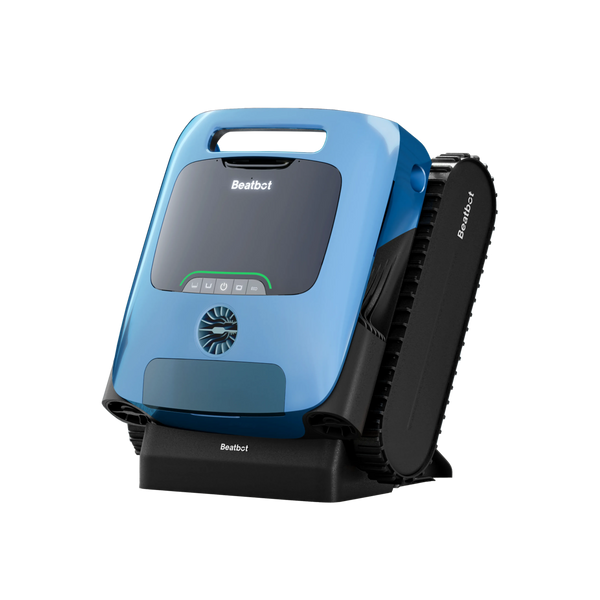
Shoulder seasons also bring more debris into the shallow, warm zones of the pool where chemistry shifts fastest. The Beatbot Sora 10 robotic pool cleaner handles floor, wall, and waterline coverage on a daily cadence, with 6800 GPH of suction power drawing from a center-mounted HydroBalance™ pump, a 5L filter rated at 150 µm for leaves and sediment, and platform access down to 12 inches.
What Temperature Is Most Comfortable for Different Swimmers?
Relaxed family swimming feels best between 82°F and 86°F, lap swimming and fitness sessions feel best between 78°F and 82°F, and young children, older adults, and therapy users need the upper end of that range or slightly above.
The American Red Cross suggests roughly 84°F for swim lessons, since children cool faster and stop moving when they feel chilly. Seniors often prefer 86°F to 88°F for joint comfort and slower movement. Air temperature shifts how the same water feels: when outdoor air runs cooler than the pool, evaporation off the skin accelerates and a 78°F pool on a 65°F morning feels sharply colder than it would at 90°F.
|
Use Case |
Temperature |
Why It Works |
|---|---|---|
|
Lap Swimming / Fitness |
78–82°F |
Prevents overheating during sustained effort |
|
Family Recreation |
82–86°F |
Keeps casual swimmers warm between active play |
|
Swim Lessons / Young Children |
84–88°F |
Offsets faster heat loss in small bodies |
|
Older Adults / Gentle Activity |
86–88°F |
Supports joint comfort and slower movement |
|
Therapy / Rehab Use |
88–92°F |
Relaxes muscles and reduces guarding |

What Happens When Pool Water Is Too Warm or Too Cold?
86°F is the upper edge of the safe-and-efficient zone; 76°F is the lower edge. Above and below those points, the problems are specific and different.
When the water is too warm
Above roughly 86°F, chlorine residual burns off faster, algae gain a foothold, and biofilm builds along the waterline. The U.S. Consumer Product Safety Commission advises keeping hot tubs under 104°F and warns that prolonged exposure to very warm water stresses the cardiovascular system, particularly for pregnant users, young children, and anyone with heart conditions.
When the water is too cold
Below 76°F, muscles stiffen and stroke technique suffers during lap sessions. 72°F is the point at which most swimmers feel genuine cold within a few minutes of entry, and 70°F triggers involuntary gasping and cold-shock response on first contact for many people.
How Do You Track Pool Water Temperature Reliably?
Built-in thermometers give a single reading per check-in. Connected pool cleaners close that gap by logging water temperature during each run, turning every cleaning cycle into a dated record in the app.
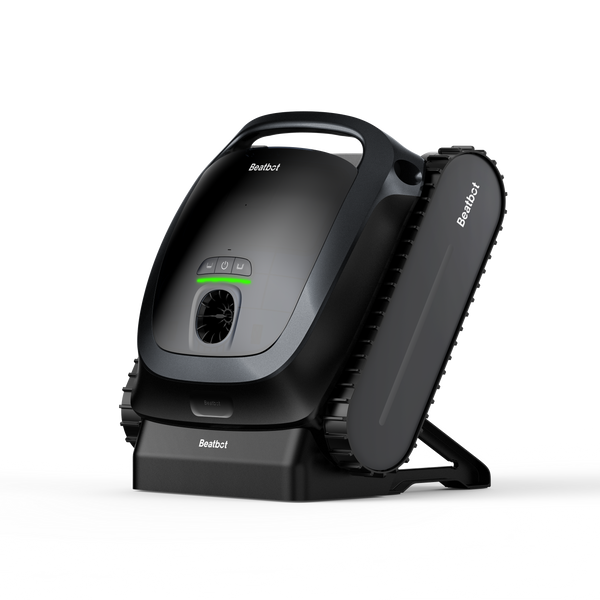
The Beatbot Sora 70 robotic pool cleaner captures that data across a full 4-zone clean of the floor, walls, waterline, and water surface in one cycle.
Its app integration pulls water and environment temperature into the same history view as cleaning progress and maintenance alerts, backed by up to 5 hours of floor cleaning and up to 11 hours of water surface cleaning from a 10,000mAh battery, with a 6L debris basket and 150 µm filtration handling seasonal loads. JetPulse™ twin-jet water surface cleaning clears leaves and pollen the moment they land, and platform access down to 8 inches brings coverage to tanning ledges and steps.
The Beatbot Sora 30 robotic pool cleaner offers the same in-app water and environment temperature monitoring for households that do not need surface cleaning. It covers floor, walls, waterline, and shallow areas and platforms down to 8 inches with a 10,000mAh battery rated for up to 5 hours of floor cleaning.

FAQs
Does an unheated pool get warm enough to swim in?
In most of the continental U.S., an unheated outdoor pool hits usable temperatures from late June through mid-September, often settling in the low 80s at peak summer. Spring and fall water sits in the low to mid 70s even when air feels warm, which is why most homeowners add a heater or solar cover for shoulder seasons.
How long does it take to raise a pool by one degree?
A typical 20,000-gallon pool needs roughly 170,000 BTUs to rise one degree. A 400K BTU gas heater raises it about 1.5 to 2 degrees per hour in mild weather, while a residential heat pump adds closer to half a degree per hour. A cover roughly halves the run time by blocking evaporation.
Is it cheaper to keep a pool heater on all the time?
Holding a stable set point is usually cheaper than letting the water cool and reheating from cold, since every recovery cycle fights evaporation losses from scratch. A 20,000-gallon pool held at 82°F with a cover typically adds $100 to $300 per month to a gas bill in shoulder seasons. A heat pump running overnight only makes sense when outdoor air stays above the high 40s.
What is the 120 rule for swimming?
The 120 rule adds air temperature and water temperature in Fahrenheit. A total below 120 carries a higher risk of cold shock and hypothermia, especially without a wetsuit. For backyard pools, the rule is most useful in spring and fall mornings when water sits in the low 70s and air is still cool.