Most Popular


 Sora Series


 AquaSense Series

 Skimmer & Bundle

 Retail Edition


 Accessories


Yes, dirty pool water can make you sick. The risks range from minor skin and eye irritation to genuine gastrointestinal illness, respiratory infections, and ear infections, depending on which pathogens are present and how long they have had to establish in the water.
A pool that looks clean can still harbor harmful organisms if chlorine has lapsed, pH has drifted out of range, or biofilm has built up on surfaces where sanitizer does not reach effectively. Understanding what causes pool-related illness, and what conditions allow it, is what makes prevention reliable rather than accidental.

What Pathogens Can Live in a Pool?
Several disease-causing organisms can survive in pool water when sanitation is inadequate. Each has a different resistance to chlorine and a different route of infection, which is why no single lapse in pool chemistry protects against all of them equally.
Cryptosporidium
Cryptosporidium (Crypto) is the leading cause of recreational water illness in the United States and the hardest pathogen to control in a pool environment. It is a microscopic parasite shed in human feces that causes watery diarrhea, stomach cramps, nausea, and vomiting.
What makes it particularly problematic is its extreme chlorine resistance: at standard pool chlorine levels (1 to 3 ppm), Crypto can survive for up to 10 days.
Effective control requires either extended hyperchlorination (raising chlorine to 20 ppm or above for an extended period following a fecal incident) or UV or ozone treatment systems. A single infected swimmer can contaminate an entire pool.
E. coli and other fecal bacteria
Unlike Crypto, most strains of E. coli and other fecal coliform bacteria are killed quickly by chlorine at proper concentrations. At 1 to 3 ppm free chlorine with pH between 7.4 and 7.6, E. coli is inactivated within minutes.
The risk window is during and immediately after a fecal contamination event, or in a pool where chlorine has dropped below 1 ppm. Symptoms include gastrointestinal illness, diarrhea, and vomiting, typically appearing 1 to 3 days after exposure.
Pseudomonas aeruginosa
Pseudomonas is a bacterium responsible for two common pool-related infections: swimmer's ear (otitis externa) and hot tub rash (folliculitis). It thrives in warm water and in biofilm on surfaces, particularly on pool walls, steps, and around fittings where water flow is slower and chlorine contact time is reduced.
Swimmer's ear develops when contaminated water stays in the ear canal after swimming. Hot tub rash appears as a bumpy, itchy skin rash typically within 12 to 48 hours of exposure to water with elevated Pseudomonas levels. Both conditions are more common in pools with inconsistent sanitation or biofilm accumulation on surfaces.
Giardia
Giardia is a parasitic organism with moderate chlorine resistance (significantly less resistant than Crypto but more resistant than bacteria). It causes gastrointestinal illness with symptoms similar to Cryptosporidium: diarrhea, gas, stomach cramps, and nausea.
Like Crypto, it is transmitted through fecal contamination of the water and can survive in a chlorinated pool long enough to infect multiple swimmers before chlorine levels are restored to an effective range.
Legionella
Legionella bacteria cause Legionnaires' disease, a serious form of pneumonia, and Pontiac fever, a milder flu-like illness. They are more commonly associated with hot tubs, water features, and decorative fountains than with well-maintained swimming pools, because Legionella thrives in warm, stagnant water and in biofilm on surfaces.
In outdoor swimming pools with good circulation and correct chlorine levels, the risk is low. The risk increases significantly in pools with recirculation dead zones, inadequate disinfection, or biofilm accumulation in plumbing and on surfaces.
Norovirus
Norovirus is an extremely contagious virus that causes sudden-onset vomiting and diarrhea. It is moderately resistant to chlorine at standard pool concentrations and can survive in pool water long enough to infect multiple swimmers following introduction from a sick bather.
The CDC recommends that anyone experiencing vomiting or diarrhea should not swim until at least two weeks after symptoms resolve, because active shedding continues well after a person feels recovered.

What Pool Conditions Increase the Risk of Getting Sick?
The presence of pathogens alone is not sufficient to cause illness. The conditions that allow them to survive, multiply, and reach swimmers at infectious concentrations are what determine actual risk.
Low or absent free chlorine
Free chlorine below 1 ppm provides inadequate protection against most bacterial pathogens and none at all against Crypto. Chlorine is consumed by UV radiation, bather load, and organic matter continuously throughout the day.
A pool that tests correctly at 8 a.m. can drop below protective levels by early afternoon during heavy use and high UV exposure. Testing only once a day creates a window of unprotected swimming time that most pool owners are not aware of.
pH outside the 7.4 to 7.6 range
pH directly affects how much of the available chlorine is in its active sanitizing form (hypochlorous acid). At pH 7.5, approximately 50 percent of free chlorine is active. At pH 8.0, that drops to around 20 percent, meaning a pool that tests at 2 ppm free chlorine at pH 8.0 provides roughly the same sanitizing power as 0.4 ppm at correct pH.
High pH is the most common reason a pool with apparently adequate chlorine levels still allows pathogen survival. Low pH does not reduce chlorine effectiveness the same way, but it does corrode equipment and irritate swimmers.
Biofilm on surfaces
Biofilm is a thin layer of bacteria and organic material that adheres to pool surfaces, particularly on the floor, walls, steps, and waterline tile. Bacteria living inside biofilm are significantly more resistant to chlorine than free-floating bacteria in the water column, because the biofilm matrix physically shields them from chemical contact. Pseudomonas and Legionella both form biofilm readily.
A pool that maintains correct water chemistry but allows biofilm to accumulate on surfaces is not as safe as chemistry readings alone suggest. Physical scrubbing and cleaning is what removes biofilm, not chlorine.
High bather load relative to pool volume
Every swimmer introduces nitrogen compounds (from sweat and urine), organic matter, sunscreen, and potential pathogens into the water. High bather load depletes free chlorine faster than the dosing schedule can replace it and raises combined chlorine (chloramines) as the available chlorine reacts with nitrogen compounds.
Combined chlorine is not an effective sanitizer. A pool that is correctly maintained for light daily use can become inadequately sanitized within a few hours of a pool party without additional chlorine dosing.
Fecal incidents that are not properly handled
A fecal incident in a pool is a serious contamination event, not a minor inconvenience. The CDC protocol for a formed stool incident requires closing the pool, removing visible matter, raising chlorine to 2 ppm with pH between 7.4 and 7.6, and maintaining that level for at least 30 minutes before reopening.
For a diarrheal incident, which carries a high risk of Crypto contamination, the protocol requires hyperchlorination to 20 ppm and a hold time of over 28 hours. Most pool owners are unaware of this distinction and reopen after minimal treatment, leaving Crypto in the water at potentially infectious levels.
What Are the Symptoms of Pool-Related Illness?
Pool-related illnesses produce recognizable symptom patterns that vary by pathogen and route of exposure. Knowing what to look for helps distinguish a pool-related illness from an unrelated one and informs when medical attention is warranted.
Gastrointestinal illness from Crypto, Giardia, norovirus, or E. coli typically appears 1 to 3 days after exposure (longer for Crypto, which can incubate up to 10 days). Symptoms include watery diarrhea, stomach cramps, nausea, and vomiting.
Crypto diarrhea in healthy adults resolves within 1 to 2 weeks but can persist for months in immunocompromised individuals. Giardia often produces greasy, foul-smelling diarrhea alongside significant gas and bloating.
Swimmer's ear (otitis externa) produces ear pain that worsens when the ear is pulled or pressed, itching inside the ear canal, and sometimes drainage. It typically appears 1 to 3 days after swimming in contaminated water and is caused by Pseudomonas or other bacteria entering the ear canal.
Mild cases can be treated with over-the-counter ear drops, but moderate to severe cases require prescription antibiotic ear drops.
Hot tub rash (folliculitis) appears as red, bumpy, itchy patches on skin that was covered by a swimsuit, typically within 12 to 48 hours of exposure to Pseudomonas-contaminated water. The rash is usually self-limiting and resolves within 7 to 10 days without treatment, but it can be uncomfortable and is a reliable indicator that Pseudomonas levels in the water were elevated.
Eye irritation and redness after swimming is more often caused by chloramines (combined chlorine) than by infection, and it is one of the most reliable signs that free chlorine is low and chloramine levels are high. If eyes are consistently red after swimming in a pool, it is a signal to test and likely shock the water, not to add more chlorine on top of the existing problem.
Respiratory symptoms following swimming in an indoor pool with high chloramine levels include coughing, throat irritation, and in prolonged exposures, worsening asthma symptoms. This is primarily a ventilation and chemistry issue in indoor facilities rather than a pathogen concern, but it is a recognized health risk in poorly managed indoor pool environments.

How to Prevent Getting Sick from Pool Water
Prevention works at two levels: maintaining water chemistry that keeps pathogens inactive, and reducing the physical contamination that chemistry has to deal with. Both matter, and neither substitutes for the other.
Test and maintain chlorine at 1 to 3 ppm
Test free chlorine at least twice a week during the swim season, and daily during periods of heavy use or hot weather.
Chlorine depletes faster at higher temperatures and under high UV exposure. A pool that tests at 2 ppm in the morning after a hot weekend may read below 1 ppm by early afternoon. Maintaining a consistent level, rather than correcting after it drops, is what prevents the gaps where bacteria and parasites can survive.
Keep pH between 7.4 and 7.6
pH determines how much of the available chlorine is actually active. Correct chlorine at high pH provides a fraction of its rated sanitizing power. Test pH alongside chlorine every time. pH tends to drift upward in most pools over time, so most corrections are downward with muriatic acid or sodium bisulfate. Do not assume that a correct chlorine reading with unchecked pH means the pool is protected.
Shower before swimming
Showering for 60 seconds before entering a pool removes the majority of the sweat, sunscreen, cosmetics, and organic matter that would otherwise consume chlorine on contact.
The CDC estimates that the average swimmer introduces about 0.14 grams of fecal matter into pool water during a swim, most of which is present on the skin rather than from an active fecal incident. Pre-swim showers meaningfully reduce the contamination load the pool's chemistry has to manage.
Keep sick swimmers out of the water
Anyone with diarrhea should not swim. Anyone who has had a gastrointestinal illness within the past two weeks should not swim, because shedding of Crypto and norovirus continues after symptoms resolve.
This is the single most effective prevention measure for fecal pathogen transmission, and it is the one most consistently ignored because the connection between prior illness and pool contamination is not widely understood.
Clean pool surfaces regularly, not just the water
Biofilm on pool surfaces is not removed by correct water chemistry. Physical scrubbing of the floor, walls, and waterline is what breaks biofilm apart and exposes the bacteria within it to chlorine.
Most pool owners focus entirely on water chemistry and skip or underperform surface cleaning, particularly in the zones that are hardest to reach manually: the waterline, the pool floor along the walls, steps, and shallow platforms.
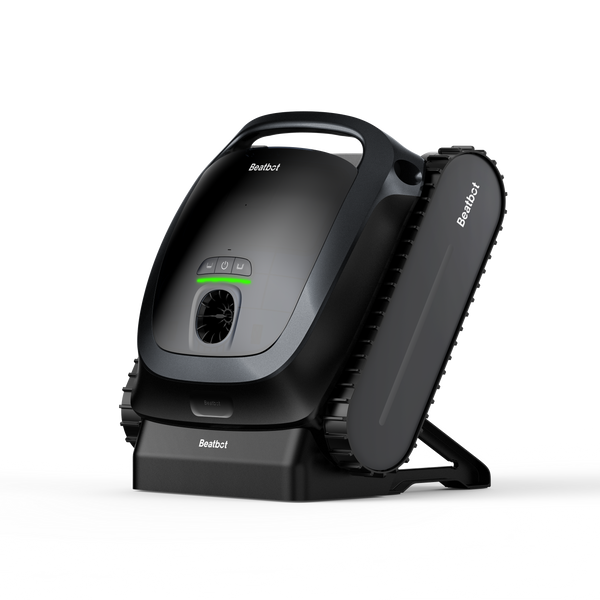
The Beatbot Sora 30 robotic pool cleaner addresses this directly, covering the floor, walls, waterline, and shallow platforms down to 8 inches in a single automated cycle. Its dual roller brushes physically dislodge biofilm from the wall surface and waterline, including the tile band where body oils and organic residue concentrate and where Pseudomonas establishes most readily.
Running a cleaning cycle after periods of heavy bather use removes the surface contamination layer before it has a chance to mature into established biofilm.
Shock the pool after high bather load events
After any event that significantly increases the bather load relative to normal use, shock the pool to restore free chlorine to breakpoint levels and oxidize the chloramine compounds that accumulated during the event. Test before swimming resumes and confirm free chlorine is back in the 1 to 3 ppm range with pH correct.

FAQs
Can you get sick from a pool that looks clean?
Yes. Visual clarity is not a reliable indicator of sanitation. A pool can be crystal clear and still contain Cryptosporidium, Giardia, or Legionella at levels sufficient to cause illness if chlorine has lapsed, pH has drifted, or a fecal incident occurred and was not properly treated. The only reliable indicators are test results showing free chlorine between 1 and 3 ppm and pH between 7.4 and 7.6.
How quickly can pool water make you sick after exposure?
It depends on the pathogen. Gastrointestinal illness from E. coli or norovirus typically appears within 1 to 3 days of exposure.
Cryptosporidium has an incubation period of 2 to 10 days, so swimmers may not connect their illness to a specific pool visit. Swimmer's ear and hot tub rash typically appear within 12 to 48 hours. Eye irritation from chloramines appears during or immediately after swimming.
Is it safe to swim if the pool looks green?
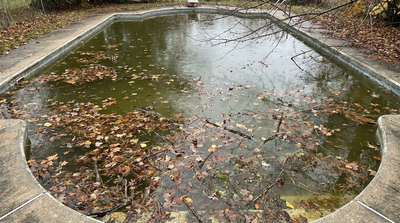
No. Green water indicates an active algae bloom, which means free chlorine has dropped to a level insufficient to control biological growth. At that point, bacterial pathogens are likely to be present as well.
Do not swim in green pool water. Treat with shock, restore chemistry, allow the water to clear, and confirm chlorine and pH are in range before swimming resumes.
What is the difference between chlorine irritation and a pool infection?
Eye redness and skin irritation during or immediately after swimming are most often caused by chloramines, not by infection. This is a chemistry problem: combined chlorine is high because free chlorine is too low relative to the organic load.
If symptoms appear within hours of swimming, chloramines are the likely cause. If gastrointestinal symptoms, ear pain, or skin rash appear 12 to 72 hours after swimming, pathogen exposure is more likely. The key difference is timing.
Can chlorinated pool water cause stomach problems?
Swallowing small amounts of correctly chlorinated pool water is generally not harmful to healthy adults. The amount of chlorine in a properly maintained pool is too low to cause gastrointestinal symptoms directly.
Stomach illness following swimming is almost always caused by a pathogen (Crypto, Giardia, E. coli, or norovirus) in water where chlorine was insufficient to inactivate it, not by chlorine itself.
How long after a fecal incident is a pool safe to swim in?
For a formed stool incident, the CDC protocol requires closing the pool, removing visible matter, and maintaining chlorine at 2 ppm with pH between 7.4 and 7.6 for at least 30 minutes before reopening.
For a diarrheal incident, which carries a high Cryptosporidium risk, the protocol requires hyperchlorination to 20 ppm maintained for over 28 hours with continuous filtration.
The pool should not be reopened until the chlorine level returns to the normal operating range and the water has been retested.