Most Popular


 Sora Series


 AquaSense Series

 Skimmer & Bundle

 Retail Edition


 Accessories


A pool can turn cloudy after shock for a simple reason. The chlorine is reacting to algae, sweat, sunscreen, dirt, and other waste in the water.
That part can be normal. The trouble starts when the water stays cloudy, gets worse, or clears for a few hours and then slips right back. In most cases, that means the pool still has a sanitation issue, a balance issue, a filtration issue, or some mix of the three. The fix starts with the cause. Then you deal with whatever is still suspended in the water.
A Cloudy Pool After Shock Can Be Normal, but Only for a Short Time
Cloudy water right after shock does not always mean something went wrong. Shock kills algae and burns through waste. Once that happens, small particles can stay suspended until the filter removes them. For a short stretch, dull or hazy water can be part of the cleanup.
That stretch should be short. If the pool keeps getting milkier, stays green, or still looks cloudy after steady circulation and cleanup, it has moved past a normal recovery stage. At that point, waiting longer usually does not solve much. You need to find what is still keeping the water from clearing.

Why Your Pool Is Still Cloudy After Shock
When a pool stays cloudy after shock, something in the system is still out of line. In most cases, the cause falls into four groups. The chlorine is not staying active long enough.
The water balance is making the chlorine less effective. The filter is not removing what is left behind. Or dead algae and debris are still sitting in the pool.
Low Free Chlorine or High Chlorine Demand
A cloudy pool often stays cloudy when free chlorine never gets high enough to finish the job, or when it gets used up too fast. You see that a lot in pools with algae, heavy swimmer load, or high combined chlorine.
The water may look a little better for a while, then lose clarity again. That pattern usually points to chlorine demand, not a one-time clarity issue.
That is why repeated blind shocking often leads nowhere. The pool does not just need more chlorine. It needs chlorine that can stay active long enough to sanitize the water.
Water Chemistry That Makes Shock Less Effective
Shock works best in balanced water. If pH climbs too high, chlorine loses strength and the water can start to look dull or cloudy. If cyanuric acid gets too high, chlorine can show up on a test and still act weak in the pool. If calcium hardness runs high, the water can turn white or milky from fine mineral clouding.
A few numbers help put that in context. In a standard pool, free chlorine often sits around 1 to 3 ppm. Outdoor pools usually do best with cyanuric acid in the 30 to 50 ppm range. Salt water pools often run higher, around 60 to 80 ppm. Once pH rises above about 7.8, cloudy water becomes more likely and chlorine loses bite.
The shock itself can add to the problem. Calcium hypochlorite is strong, but it adds calcium. In a pool that already runs high on calcium, that can push the water closer to cloudiness.
In a salt water pool, that risk can be even higher. Dichlor is easier on calcium, but it adds cyanuric acid. Non chlorine shock can help burn off waste, but it will not clear an algae-driven cloudy pool by itself.

Filtration and Circulation Problems
Shock can kill the problem and still leave the pool cloudy if the filter is not removing what is left behind. A dirty cartridge, worn filter media, weak pump flow, a clogged basket, short run time, or poor circulation can all slow recovery.
Many cloudy pools get stuck right here. The sanitizer does its job, but the particles stay suspended. The water improves a little, then stops improving. When that happens, the filter is often the bottleneck.
Contaminants, Debris, and Dead Algae Still in the Water
Shock is not the same as removal. It can kill algae and break down contamination, but the dead material still has to leave the pool. Storm runoff, pollen, leaves, body oils, dirt, and early algae growth can all keep the water cloudy after shock.
One easy clue is what happens when you brush the walls or floor. If the water clouds up again right away, there is still material in the pool that needs to be filtered out or vacuumed away.
What to Do When Pool Water Is Still Cloudy After Shock
Cloudy water clears faster when you handle the pool in the right order. Start with the water balance. Then give the filter a real chance to work. After that, clean out whatever is still in the pool. Clarifier or floc can help in the right case, but neither one fixes bad chemistry or weak circulation.
Step 1: Test and Rebalance Before Adding More Shock
Start with a fresh water test. Check free chlorine, combined chlorine, pH, cyanuric acid, and calcium hardness. If pH is high, chlorine loses strength. If cyanuric acid is high, chlorine gets tied up. If calcium is high, the cloudiness may be mineral based rather than algae based.
This step saves time and chemicals. A pool with bad balance rarely gets clear from extra shock alone.
Step 2: Run the Pump and Clean the Filter
Once the balance is back in range, let the filter do real work. Run the pump long enough to move the whole pool through the system.
Clean the cartridge, backwash when pressure rises, empty baskets, and check for weak return flow. Water clears when suspended material leaves the pool. If the filter is dirty or restricted, recovery slows down fast.
In many pools, longer filtration during recovery does more than another bag of shock.
Step 3: Brush, Skim, and Vacuum the Pool
Physical cleanup matters after shock. Brush the walls, steps, ladders, and floor so dead algae and fine dirt do not stay stuck to surfaces. Skim what is floating. Vacuum what settles.
This is often the step that finally turns the water around. A pool can test better and still look bad if the dead material never gets removed.
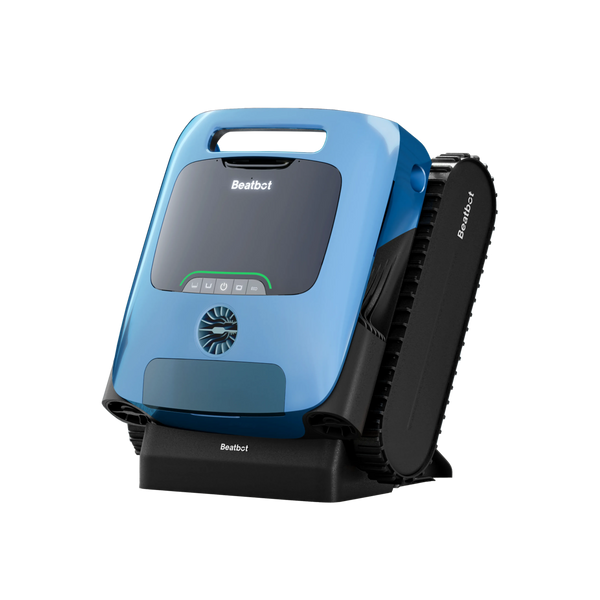
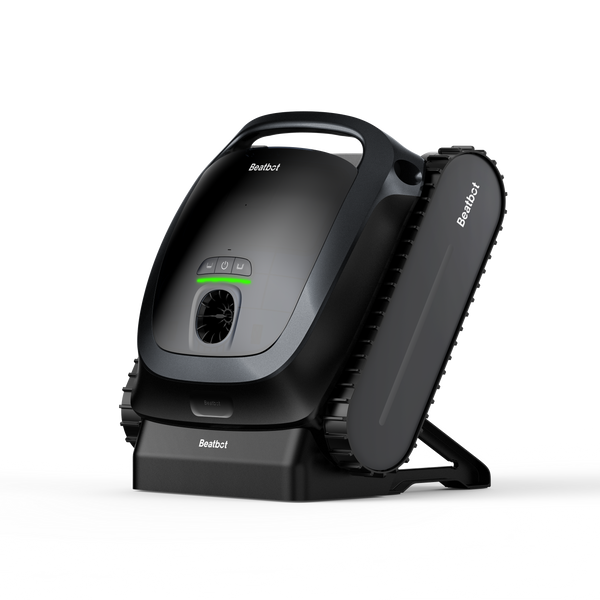
Once the water is back in range, cleanup can become the slowest part of the job. That is where the Beatbot AquaSense X pool robot can fit. It cleans the floor, walls, waterline, and surface in one pass, so it can pick up more of the dead algae, leaves, and leftover debris that tend to build up after shock.
Its up to 6,800 GPH suction, 5L debris basket, and ClearWater clarification support make it better suited to this stage than a basic cleaner that fills up fast or misses fine material. It will not fix bad water chemistry or a weak filter.
What it can do is take a lot of the manual cleanup out of the recovery phase and help the pool get back to clear with less hands-on work.
Step 4: Use Clarifier or Floc Only in the Right Scenario
Clarifier works best for light to moderate cloudiness when the filter is in decent shape and the chemistry is close to balanced. It binds tiny particles into larger ones so the filter can catch them. It is slower than floc.
In many pools, it takes a couple of days of steady filtration to show the full result.
Floc is stronger and faster. It drops suspended material to the floor so you can vacuum it out. That speed comes with extra work. It needs time to settle, often overnight, and it works best when you can vacuum to waste.
It is not a good fit for every setup, and it is not for cartridge filters. It is a cleanup tool for heavy cloudiness, not a substitute for fixing the water balance first.

How Long It Takes to Clear and When It Is Safe to Swim Again
A lightly cloudy pool can clear in a day or two once chlorine, pH, and filtration are lined up. A pool with algae, high cyanuric acid, high calcium, or a weak filter can take longer. Clarifier often needs a couple of days. Floc works faster, but it adds manual vacuum work right after.
Swimming should wait until the water is safe and clear enough to see the bottom. Good chlorine numbers alone do not solve the visibility issue. If the main drain is hard to see, the pool is not ready for swimmers.
With cal hypo shock, a common rule is to wait at least eight hours and retest before anyone gets in. Non chlorine shock can allow a faster return, but it is not the right answer for every cloudy pool.
FAQ
Why is my pool still cloudy after shock and clarifier?
Clarifier only helps the filter catch fine particles. It does not kill algae, lower cyanuric acid, reduce calcium, or fix weak circulation. If the pool is still cloudy after shock and clarifier, the filter may be overloaded, the water may still be out of balance, or chlorine demand may still be high.
Will a cloudy pool clear on its own?
Sometimes. Mild haze right after shock can clear with filtration, brushing, and time. A pool that stays cloudy, turns milkier, or clouds up again after brushing usually needs more than patience. That usually points to bad balance, weak filtration, or leftover debris.
What happens if you put too much shock in a pool?
Too much shock can push the water out of balance instead of cleaning it faster. Cal hypo can raise calcium. Some shock products can raise pH. Stabilized shock can raise cyanuric acid. Any of those shifts can leave the pool cloudy or make chlorine less effective.
Will muriatic acid clear a cloudy pool?
Only when high pH is part of the problem. Muriatic acid can lower pH, and that may help cloudy water caused by poor chlorine performance or calcium clouding. It is not a full cloudy pool cure on its own. If the real issue is algae, dirty filtration, or high cyanuric acid, acid alone will not clear the pool.