


















Draining a pool the wrong way can crack a plaster surface, collapse a vinyl liner, or pop a fiberglass shell right out of the ground. The correct approach depends on your filter type, your pool material, and your local discharge rules, and each of those factors changes what you should do before you touch a single valve.
When to Drain Your Pool
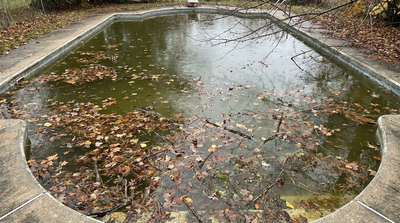
Most routine maintenance does not require draining. The situations that genuinely call for it are high total dissolved solids (TDS), major structural repairs, and surface resurfacing. TDS accumulates as chemicals, minerals, and organic matter build up in pool water over time. Once it rises above around 2,500 ppm, water chemistry becomes harder to balance and a partial or full drain with freshwater dilution is the most practical fix.
Lowering water before a storm is a different situation. If heavy rainfall is expected, dropping the level a few inches below the skimmer prevents overflow, but this is a controlled partial drain, not a full one. For any repair or resurfacing work, the contractor will typically manage the drain as part of the job. If you are unsure whether draining is actually the right call, consult a pool professional before proceeding.
What to Do Before Draining a Pool
Turn off all pool equipment at the breaker before draining begins. Running a pump dry, even briefly, can burn out the motor. The same applies to pool lights if the water level will drop below the fixtures. Do not rely on just switching off the pump at the control panel; go to the breaker and cut power there.
Dechlorinate the water before it reaches any drainage point. Most municipalities require discharge water to have a chlorine level below 0.5 ppm, and some restrict pool water from entering storm drains entirely. Check local regulations first.
If you need to lower chlorine quickly, a sodium thiosulfate dechlorinator will do it in hours rather than waiting days for the sun to break it down naturally. Once the water is dechlorinated, direct it to a sanitary sewer clean-out, the capped pipe near the side of your house, not to storm drains or a septic system.

How to Drain a Pool With a Sand Filter
Sand filters use a multiport valve that includes a Waste setting specifically for bypassing the filter and sending water directly out. Turn the pump off first, unroll your backwash hose and position it at the approved drainage area, then rotate the multiport valve clockwise to Waste. Turn the pump back on and monitor the water level.
When you have reached the target level, shut the pump off again, rotate the valve back to Filter clockwise, then pick up the backwash hose to drain any remaining water from it before rolling it up.
Do not switch the multiport valve while the pump is running. That is the most common cause of valve damage in sand filter systems.
How to Drain a Pool With a Cartridge Filter
Cartridge filters do not have a multiport valve, so the method depends on your specific setup. If your system has a drain plug at the back of the filter housing, shut off the pump, unscrew the plug, then restart the pump and let it run until the water drops to where you want it. Replace the plug and shut the pump off.
If your system uses a 3-way valve between the pump and filter, shut the pump off, rotate the valve to block flow to the filter, then turn the pump on, the water will exit through the open port. When you have enough water out, shut the pump off and return the valve to its standard filter position.
How to Drain a Pool With a DE Filter
Diatomaceous earth filters use the same multiport valve approach as sand filters. Start by shutting the pump off at the breaker, not just the control panel. Rotate the multiport valve to Waste, then restore power to the pump. When the water reaches the right level, cut power again and rotate the valve back to Filter before restarting. As with sand filters, never turn the valve while the pump is operating.
How to Drain a Pool Without a Filter System
If you need to drain a pool that lacks a filter system, or if you want to remove water faster than the filter method allows, a submersible sump pump placed in the deep end is the most direct approach. Connect a garden hose or discharge hose to the pump outlet and run it to a sanitary sewer clean-out. Plug the pump in and monitor it periodically. When the water gets low enough that the pump starts drawing air, unplug it immediately. Remove the last few inches of water with a wet/dry vacuum or absorbent sponges.
A garden hose siphon works when no pump is available, especially for above ground pools. Submerge one end of the hose fully so it fills with water, cap the submerged end with your hand or a connector, then move the other end to a point lower than the pool's water level and release it. Gravity will keep the flow going until the water drops below the pool-side end of the hose. Siphons are slow but reliable, and they do not depend on power.

Pool Types That Need Extra Caution When Draining
Concrete and plaster pools can crack if drained in extreme heat. Surface temperatures above 95°F can cause plaster to crack within hours of exposure. Pebble surfaces have a slightly higher tolerance but the same risk applies. Avoid draining on hot days; early morning is the safest window if you cannot avoid summer timing.
Fiberglass shells can flex or crack when empty, particularly on older installations. Vinyl liners dry out and shrink and can tear or distort in ways that require replacement. Unless a liner replacement or structural repair is the entire point of the drain, these pools should never be fully emptied.
High water table is the most dangerous condition for any pool type. If groundwater sits close to the surface in your yard, an empty pool can literally lift out of the ground. If you are unsure about your water table, contact a pool professional before draining more than a few feet.
The best season to drain a pool is fall or early spring, when air temperatures are mild and the pool surface will not face direct summer heat. Avoid winter draining in regions with freeze cycles, frozen ground holds water that can push against an empty shell, and exposed plumbing can split. In hot southern climates, drain at dawn and complete the refill the same day if possible.
What to Do After Refilling Your Pool
Once you refill, rebalance the water chemistry from scratch and run your filtration system continuously for at least 24 hours. Brushing the walls and floor immediately after refilling helps dislodge any residue or algae spores that may have settled during the drain.
Consistent maintenance between drains is what determines how soon you have to do this again. Organic residue, oils, and fine particulate matter are the biggest contributors to TDS creep, and a robotic pool cleaner that handles all of them keeps that timeline long.
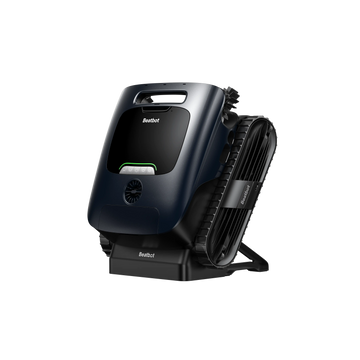
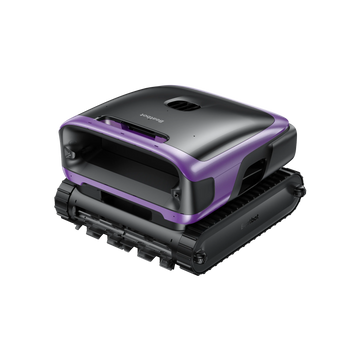
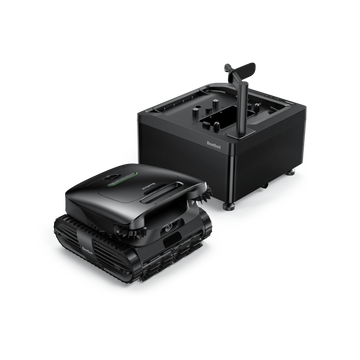
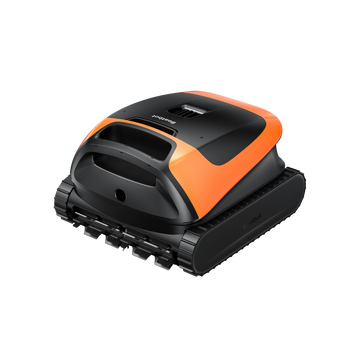
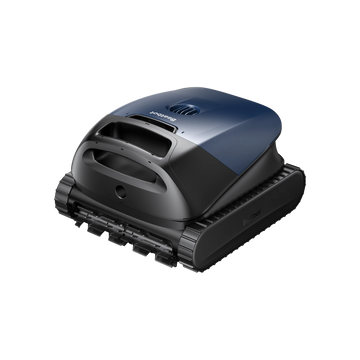
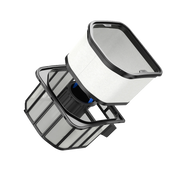
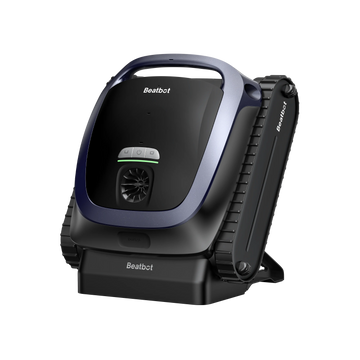
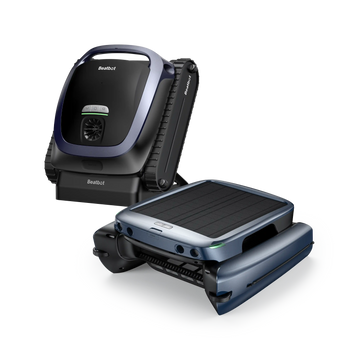
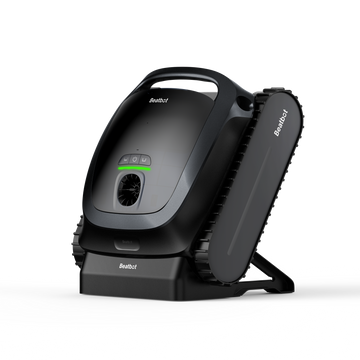
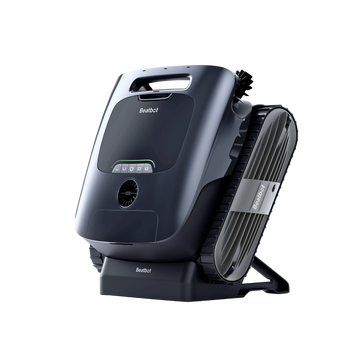
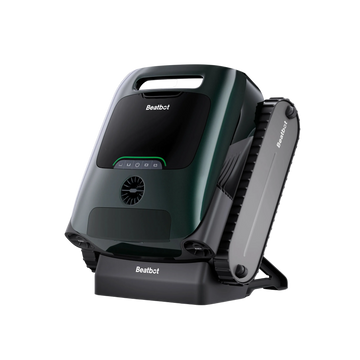
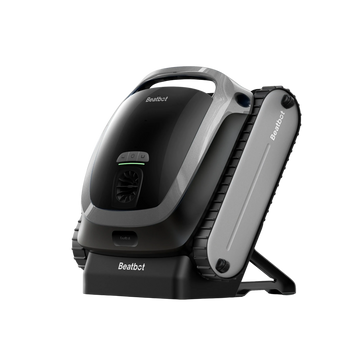
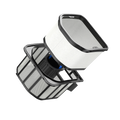
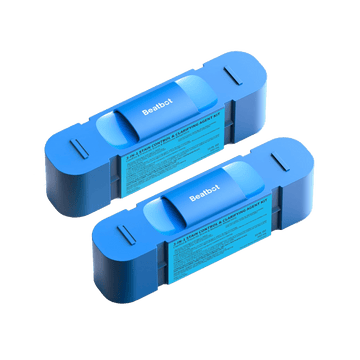
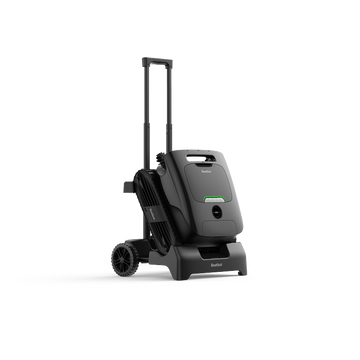
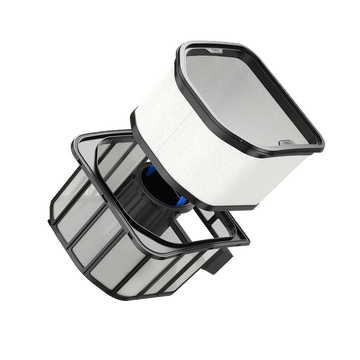
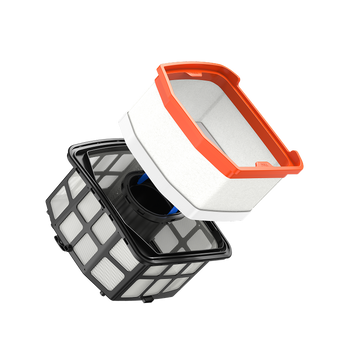
The Beatbot AquaSense 2 Ultra robotic pool cleaner pairs ultra-fine 150 µm filtration with the ClearWater™ system, which dispenses a skin-safe natural clarifier that binds organic residue so it can be filtered out rather than dissolved into the water. The clarifier is included with the unit and dispensing is automated through the app.
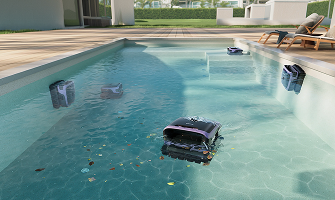
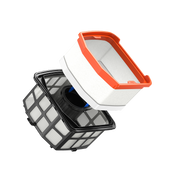
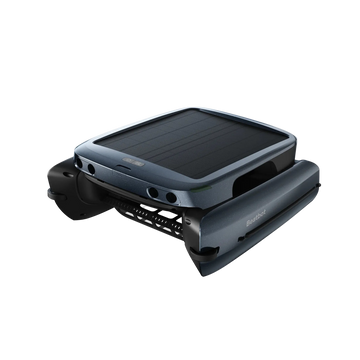
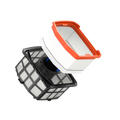
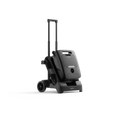
Surface debris is the first contamination source after refilling, since pollen, dust, and falling leaves land on open water before it has a protective routine. The Beatbot Sora 70 robotic pool cleaner uses JetPulse™ water-surface cleaning combined with a 6L filter basket, capturing whole leaves and twigs through a 6.7-inch suction inlet that standard pool robots cannot accommodate. For pools surrounded by trees or in windy areas, this prevents the surface load from settling and turning into floor work later.
FAQs
Can I drain my pool into the street?
In most U.S. municipalities, draining pool water into the street or storm drain is prohibited because it routes directly to waterways without treatment. Always discharge to a sanitary sewer clean-out. Check your local water authority's rules before draining.
How long does it take to drain a pool with a garden hose?
A gravity-fed garden hose siphon typically drains an average residential pool in 24 to 48 hours, much slower than a sump pump. Flow depends on the elevation drop between the pool and the discharge point and the diameter of the hose.
Can you completely drain an inground pool?
Only with caution. Concrete pools can be fully drained when conditions are right (mild temperature, no high water table, no freeze risk), but fiberglass and vinyl liner inground pools should not be fully emptied without professional assessment. The structural risk often outweighs the benefit.
Is it safe to drain a fiberglass pool completely?
It carries real risk. Fiberglass shells rely on water pressure to maintain their shape and can flex or crack when empty, especially in areas with a high water table. Only drain a fiberglass pool completely if a professional has confirmed it is structurally safe to do so.