Most Popular


 Sora Series


 AquaSense Series

 Skimmer & Bundle

 Retail Edition


 Accessories


Most pool owners want one clean number. In practice, it does not work that way.
For most pools, a standard algaecide works as short-term maintenance, not season-long protection. A week is usually the right frame of reference, not the whole summer. The exact timing still depends on the formula, the condition of the water, and the job the product is meant to do. A standard in-season algaecide and a long-acting winter product are built for different situations.
How Long Does Algaecide Last in a Pool?
For a typical residential pool, a standard maintenance dose of algaecide is usually treated as roughly weekly protection. That is the most useful everyday answer for most pool owners.
Seven days is not a hard cutoff. The point is that most standard algaecides are used on a repeating schedule because their preventive effect weakens as the pool takes on sun, swimmers, organics, and fresh water dilution.
Some specialty products last much longer. A winterizing algaecide or a long-acting specialty formula may be designed for extended protection. That is not the usual expectation for most pour-in maintenance algaecides.
The plain answer is this: standard in-season algaecide usually works on about a weekly cycle, specialty or winter algaecide can last longer, and the exact interval still depends on the product label and the condition of the pool.

What Makes Algaecide Last Longer or Wear Off Faster?
People get different answers because the life of an algaecide depends on the water it goes into.
The Type of Algaecide
A regular weekly maintenance product is built for a different job than a winterizing formula or a long-duration specialty system. Two products can both be sold as algaecide and still behave very differently once they are in the pool.
Heat, Sun, and Swimmer Load
Hot weather, strong sun, heavy use, sunscreen, leaves, and other contaminants all add stress to the water. A dose that holds up fine in a cooler, cleaner pool can feel short-lived in a busy summer pool.
Sunlight also burns through chlorine faster in outdoor pools. If stabilizer is low, chlorine can fall even faster. That is one reason pool owners sometimes blame algaecide when the bigger issue is weak sanitizer support. A common cyanuric acid range is about 30 to 50 ppm.
Circulation and Filtration
If the water is not moving well, chemicals do not spread evenly. Poor circulation, a dirty filter, and a heavy debris load all make algae prevention harder. Good circulation and clean filtration are part of the same job.
Pool Surface and Pool Size
A rougher surface is harder to protect than a smoother one. Concrete pools, for example, are usually more algae-prone than vinyl or fiberglass pools. Pool size matters too. If the volume estimate is off, the dose can be off. In that case, an algaecide may seem weak when the real problem was under-dosing.

What Algaecide Can and Cannot Do
This is where pool owners often get tripped up.
Algaecide can help prevent algae and, in some cases, support cleanup. It is not the main sanitizer in your pool. Chlorine or bromine still carries that load. If sanitizer is off, algaecide will not correct the water on its own.
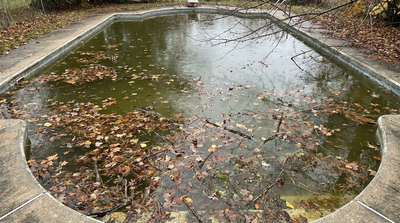
That is why algaecide is usually not the main answer for an already green pool. Once algae is active, the pool usually needs a broader cleanup sequence: testing, balancing, brushing, shocking or restoring sanitizer strength, running the system properly, and removing dead debris. Algaecide fits better as support than as a rescue step.
If you are cleaning up active algae, manual vacuuming still matters. In heavier algae situations, vacuuming to waste or bypass can help keep contaminated water from cycling straight back through the returns. Robotic pool cleaners make more sense once the pool is back under control and you are maintaining it again.
The simple rule is this: use algaecide to help prevent algae, use sanitizer to keep the water sanitary, and use a full cleanup process when algae has already taken over.
How to Help Algaecide Last Longer in Your Pool
You cannot turn a weekly algaecide into a 90-day product. You can keep from wasting a dose.

Keep Sanitizer and Balance Where They Should Be
If chlorine is weak or the water is out of balance, algaecide has to work in a dirtier, less stable system. That usually shortens how effective a dose feels in real use.
When the pool is open, test the water at least once a week. Check it sooner if the water turns cloudy, the weather gets very hot, a storm rolls through, algae starts to show, or chlorine drops faster than usual. The first numbers to revisit are sanitizer, pH, and total alkalinity.
Run the Pump After Adding It
After adding pool chemicals, keep the water moving so the product spreads through the pool instead of sitting in one area. Better circulation helps the dose work more evenly.
For many pools, that means running the system long enough to turn the water over at least once a day. A practical baseline is often around 8 hours.
Clean the Filter and Stay Ahead of Debris
A dirty filter, weak return flow, and a heavy debris load all work against algae prevention. If the pool is full of leaves, dirt, and dead organics, the water starts under more stress.
If filter pressure is about 10 PSI above its normal clean reading, return flow is noticeably weak, the pool starts to look cloudy, or a storm has dumped extra debris into the water, do not expect algaecide to keep working on its usual schedule.
Dose the Actual Pool Volume, Not a Guess
A rough guess can work for some maintenance tasks, but chemical dosing still depends on whether you are treating 10,000 gallons or 18,000 gallons. If you under-dose, the product may seem weak when the real problem was measurement.
Clear the Debris That Lets Algae Conditions Come Back
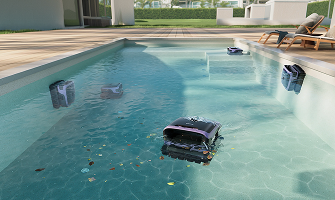
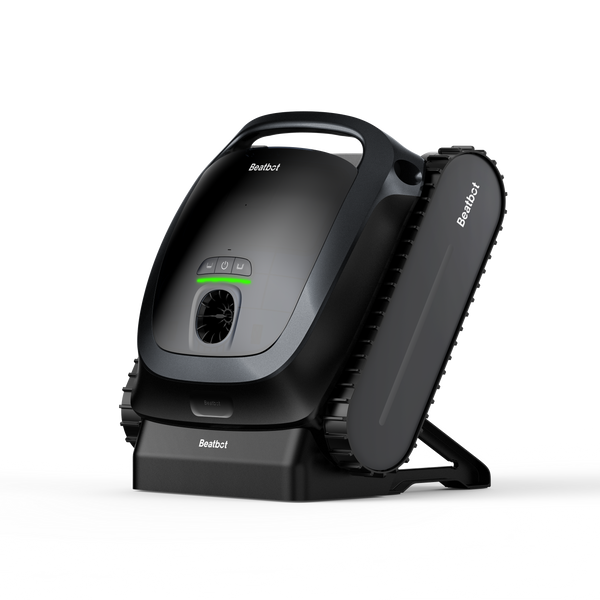
If you want algaecide to hold up better in real pool conditions, one of the biggest wins is cutting down the organic debris that keeps feeding algae. The Beatbot AquaSense 2 Ultra pool-cleaning robot helps by making post-treatment cleanup more complete. Its HybridSense system maps the pool, runs two full S-pattern floor passes, then shifts to AI Cruise Debris Detection to find and retarget missed plant debris like leaves and seeds. It climbs walls in an N-pattern and scrubs the waterline twice, so cleanup is not limited to the floor. The result is straightforward: less leftover debris, fewer algae-friendly conditions building back up, and less need to keep leaning on repeated chemical correction alone.
When Long-Lasting Algaecide Claims Actually Make Sense
Longer-lasting claims are not automatically wrong. They just need context.
They make the most sense in cases like winter closing, specialty long-acting feeder systems, lower-use pools with stable conditions, and products labeled for extended protection. That is very different from saying every bottle of algaecide should protect every pool for weeks or months. A standard summer maintenance product and a winterizing product do not belong in the same expectation bucket just because both are called algaecide.
So when you see claims like up to 90 days or all season, read them as product-specific and condition-specific, not universal.
How Often Should You Add Algaecide?
If you want the easiest working rule, use this one:
Treat standard algaecide as weekly maintenance unless the product label clearly says otherwise.
Then adjust from there. In peak summer, with strong sun and heavy use, be more conservative. If circulation is weak or the filter is dirty, fix that first. If algae is already visible, stop asking how long the algaecide lasts and start asking what cleanup process the pool needs. If the label is written for winterizing or long-duration treatment, follow that label instead of a generic weekly rule.
That gets you closer to a useful answer than chasing one number for every pool.
FAQ
Can You Swim in a Pool With Algaecide?
Usually, yes, once the wait time on the label has passed. Formulas differ, so do not assume every algaecide has the same swim interval.
Should I Shock My Pool After Using Algaecide?
Sometimes. If algae is already active, shock is often part of the cleanup process. The timing still needs to match the directions on the algaecide and shock you are using.
Is It Bad to Put Too Much Algaecide in a Pool?
Yes. Too much algaecide can cause foaming and make the water harder to manage. More product does not automatically mean longer useful protection.
What Time of Day Is Best to Put Algaecide in the Pool?
Late afternoon or evening is usually the better window. That gives the product time to circulate without peak sunlight and peak pool use working against it.
Should I Brush the Pool After Adding Algaecide?
Yes. Brushing helps loosen algae and film from pool surfaces so the treatment can reach problem areas more evenly.
Do I Need Algaecide if I Have Chlorine?
Not always. If chlorine stays in range and the pool is clean and well balanced, you may not need algaecide on a regular schedule. It can still help as a preventive add-on when conditions raise the risk of algae.