Most Popular


 Sora Series


 AquaSense Series

 Skimmer & Bundle

 Retail Edition


 Accessories


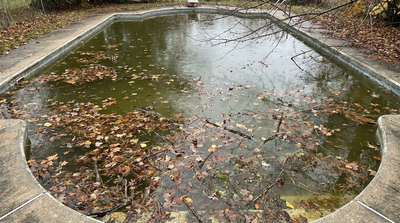
Pool algae has a habit of showing up at the worst possible time. It can happen right before friends come over, or right after the first hot weekend of the season. One day the water looks fine. The next day it's green, slick, or cloudy.
Most algae issues are fixable if you handle them in the right order. Below is a practical way to clear it up, keep it from coming back, and deal with the stubborn cases that don't respond after the first round.
Why Algae Keeps Growing in Pools
Algae does not need much to get started. When sanitation slips, water movement slows, and debris builds up, algae gets an opening. Most outbreaks are not caused by one big mistake. They happen because a few small issues stack up over time.
Common triggers include not enough free chlorine for the conditions (heat, sun, rain, and heavy swim days can burn through chlorine quickly), low flow areas (steps, corners, around lights, behind ladders, and weak return flow are common trouble spots), and a filter that cannot keep up (if dead algae and fine particles are not getting captured, water stays hazy and algae can rebound).
Debris and slime buildup also matter—leaves, pollen, and grime feed algae, and a thin slimy layer can protect it. High pH is another frequent factor: when pH runs high, chlorine is less effective and algae has an advantage.
If you treated the pool and it turns green again a few days later, it usually means the algae was not fully eliminated, or the conditions that caused it were never corrected.
What Type of Pool Algae Do You Have?
A quick ID can save you time and chemicals. Green algae is the most common and usually the easiest to clear. Mustard algae and black algae tend to take more persistence.
Here's a quick check. If it wipes away easily, it is usually green algae. If it looks like yellow dust and shows up in shady areas, it may be mustard algae. If it is dark, rough, and does not want to budge, think black algae.

|
What You See in the Pool |
Most Likely Algae Type |
Where It Shows Up |
How Hard It Is to Remove |
|
Green water or green film on walls |
Green algae |
Everywhere, especially warm or sunny zones |
Moderate |
|
Yellow or brown dusty coating that returns fast |
Mustard algae |
Shady walls, behind ladders, under steps |
Harder than green |
|
Dark spots that feel rough, like stains |
Black algae |
Plaster or rough surfaces, cracks, corners |
Hardest (deep roots) |
Not sure it is algae?
Dirt settles and vacuums up without smearing. Metal stains do not brush off and usually stay in one place. Pollen can look like yellow dust, but it tends to float and collect along the waterline. If it brushes off and comes back fast, treat it like algae.
How to Remove Algae From Your Pool Step by Step
The fastest cleanups happen when you stick to the sequence. Most cases that stall come from shocking without brushing, shocking with high pH, or shutting the system down too soon.

Step 1: Test the Water and Get pH in Range
Before you add anything, test free chlorine (FC) and pH. It also helps to check total alkalinity (TA) to keep pH steady, and cyanuric acid (CYA or stabilizer) for outdoor pools.
Bring pH into the 7.2 to 7.6 range before you go hard on treatment. That is where chlorine performs best.
If CYA is very high, chlorine can feel sluggish and you may end up chasing the problem with more product. If you suspect that is happening, get a solid test and confirm your next move before you keep dosing.
Step 2: Brush Aggressively
Brushing does two important jobs. It breaks algae loose and strips away the slick layer that can shield it from sanitizer.
Brush walls, floor, steps, corners, behind ladders, and around lights. Use a brush that matches your surface—nylon is safer for most liners, while plaster can handle a stiffer option. During cleanup, brush at least once a day.
This step is where many people cut corners, and it is also where algae survives.
Step 3: Remove Debris and Clean the Filter
Algae feeds on organic junk. Once algae dies, the filter has to catch it.
Skim and net out leaves, pollen clumps, and anything decaying, then empty the skimmer baskets and pump basket. Backwash or clean the filter based on your setup.
Watch your filter pressure. If it jumps noticeably during cleanup, clean or backwash again. A clogged filter can keep your pool cloudy long after algae is dead.
Step 4: Shock Properly, Then Keep the Water Moving
Shock is not a sprinkle of extra chlorine. It is raising chlorine high enough to wipe algae out. Follow the label directions for your specific product, and keep circulation strong.
Run the pump around the clock during active cleanup, and add chlorine in the evening to reduce sunlight burn off. Keep brushing daily, and keep chlorine elevated long enough for the pool to turn the corner.
Lighter cases clear faster, while tougher cases need more time and consistency. Light algae often responds to a strong treatment window plus brushing. Heavy green algae often needs a higher level and a longer hold, plus more frequent filter cleaning. Mustard or recurring algae usually needs extra persistence, especially in shady areas, plus strict cleaning of anything that has been in the water such as brushes, toys, and floats.
You'll usually see a consistent pattern when shock is working. Chlorine demand is high at first, then starts to settle. The pool goes from green to dull or cloudy, then gets clearer. You see dead algae settling on the floor, and trouble spots stop turning green after brushing and circulation improve.
If the pool looks better for a day and then slides backward, treatment did not last long enough, or algae is hanging on in low flow zones.
Step 5: Vacuum Out Dead Algae and Keep Filtering
Once algae starts dying, do not let it sit.
Vacuum what you can see on the floor, keep filtering continuously, and clean or backwash as needed to keep flow strong. Stopping circulation too early is one of the easiest ways to end up right back where you started.
Step 6: Re-Test and Stabilize the Water
A pool can look fine and still be unstable.
Re-test free chlorine and pH. If chlorine drops sharply overnight, there is still a lot being oxidized. Keep brushing and filtering until the pool stays clear and the numbers stop swinging.
What to Do When Algae Keeps Coming Back (the Stubborn Cases)
When algae returns, stop guessing and narrow it down. Most repeat outbreaks fall into a few patterns: a surface issue where algae is still clinging because it was not brushed off or fully disrupted; a system issue where circulation or turnover is weak and dead spots keep re-seeding the pool; a water issue where chlorine is not staying strong long enough, often because pH is off or demand is high; or a structure issue where rough or porous surfaces, cracks, and hidden spots make algae harder to fully remove.

Problem: Algae Returns a Few Days After Shock
Common causes include pH being high during treatment, inconsistent brushing, dead spots not being addressed, the filter getting overwhelmed, or chlorine dropping too quickly afterward.
What helps is repeating the process, but being strict about pH, brushing, and nonstop filtration. Spend extra time on the usual repeat offenders: steps, corners, behind ladders, around lights, and shady walls.
Problem: Yellow Dust Keeps Coming Back
That pattern often points to mustard algae.
What helps is brushing the shady zones hard, cleaning anything that touches the pool such as brushes, toys, and floats so you are not reintroducing spores, and maintaining strong sanitizer levels longer than you would for standard green algae.
Problem: Dark Spots Will Not Brush Off
Black algae can root into tiny imperfections and rough surfaces.
What helps is using a stiffer brush and being consistent, and pairing physical scrubbing with sustained sanitation. If it is widespread, or your surface has lots of cracks, a pro can often resolve it faster.
Problem: The Algae Is Gone, but the Pool Stays Cloudy
That is usually filtration.
What helps is keeping filtration running, vacuuming as needed, and cleaning or backwashing the filter. If your filter media is old or compromised, service or replacement can make a noticeable difference.
One more practical note: in heavy algae cleanups, the filter does a ton of work. Plan on cleaning or backwashing more often than usual. The clear up phase can take longer than the kill phase.
How to Prevent Algae From Coming Back
Once you clear algae, prevention is mostly about staying ahead of the conditions that let it start.

Keep Sanitizer Consistent
Algae loves gaps. Big swings are what open the door.
Test more often during heat waves, storms, and heavy swim weeks. Treat slippery walls or dull water as an early warning.
Fix Low Flow Areas
If algae keeps showing up in the same area, that area is not getting enough circulation.
Aim return jets to create a gentle circular flow. Brush the problem corners weekly even when the pool looks great. Keep the water level where skimmers can work properly.
Make Cleaning and Filtration Routine
Skim regularly, empty baskets on schedule, clean or backwash when pressure rises, and vacuum settled debris before it breaks down.
Use a Simple Weekly Anti-Algae Checklist
-
Brush walls and steps, especially shaded areas
-
Skim debris and empty baskets
-
Test free chlorine and pH
-
Check filter pressure and flow
-
Vacuum or clean settled debris
When Technology Can Make Algae Prevention Easier
If consistency is the hard part, automation can take a lot of pressure off. It helps keep debris from piling up and reduces how often algae gets a foothold.
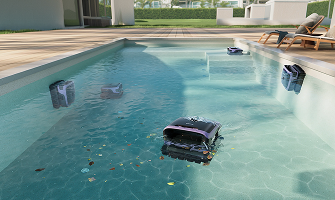
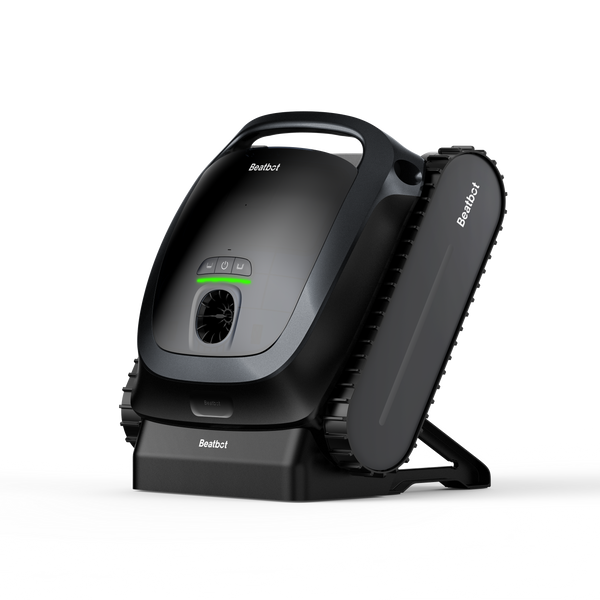
A robotic pool cleaner can pull debris out before it becomes algae fuel, scrub surfaces on a schedule, and reduce buildup in the spots algae likes most.
It still works best as part of a routine. You need proper sanitation and balanced water to keep algae from returning.

DIY Algae Treatment vs Professional Help
A lot of algae issues, especially early green algae, are manageable on your own if you stick with the steps for a few days.
DIY is usually a good fit when algae is green and not deeply anchored, you can brush daily and keep the system running, and your pump and filter are working properly.
It is smart to call in help when you suspect black algae, especially in cracks or rough surfaces, algae keeps returning even after a proper cleanup, the pool is extremely cloudy or contaminated and you need a faster reset, or you are unsure about stabilizer levels, dosing, or equipment performance.
Sometimes paying once beats fighting the same battle all summer.
FAQs
How long does it take to get rid of pool algae?
Many pools improve in 24 to 72 hours, but full cleanup depends on brushing, filtration, and whether you are dealing with green, mustard, or black algae.
Can you swim while treating algae?
Skip swimming during active treatment. Wait until the water is clear and your chlorine and pH are back in normal ranges.
Why does algae keep coming back after shock?
Usually it is high pH during treatment, missed brushing, dead spots in circulation, or a filter that never fully removes the dead algae load.
How often should you brush to prevent algae?
At least weekly for prevention, and daily during a cleanup.
Why does my chlorine test fine, but algae still shows up?
Because one test is a snapshot. Chlorine can drop fast in heat and sun, circulation can be weak in certain areas, and algae can hide under a slick layer. Consistent sanitizer, correct pH, thorough brushing, and strong filtration in problem zones make the difference.
Is algae in pool water dangerous?
It can be, especially if it points to poor sanitation. Treat it promptly and avoid swimming until the water is balanced and clear.