Most Popular


 Sora Series


 AquaSense Series

 Skimmer & Bundle

 Retail Edition


 Accessories


If you are weighing fiberglass vs. vinyl pools, the choice usually comes down to one trade. Fiberglass tends to make ownership easier over time. Vinyl tends to lower the entry price and open up more options for shape and size. That is what most buyers are really trying to sort out. Spend less at the start, or deal with fewer surface and maintenance issues later. Once you look at it through that lens, the decision gets much easier.
Fiberglass vs. Vinyl Pools at a Glance
Fiberglass is the stronger fit for buyers who want a more predictable ownership experience. Vinyl is the stronger fit for buyers who want a lower upfront cost and more design flexibility.
|
Factor |
Fiberglass Pool |
Vinyl Liner Pool |
|
Upfront cost |
Higher |
Lower |
|
Design flexibility |
Limited to pre-made shell options |
More custom shapes and sizes |
|
Installation speed |
Faster |
Slower than fiberglass in many cases |
|
Day-to-day upkeep |
Lower |
Higher |
|
Long-term surface issue |
No liner replacement |
Liner replacement over time |
|
Damage exposure |
Finish repairs can be visible |
Liner can tear or puncture |
That is the quick read. The better option depends on which trade fits your budget, your yard, and your tolerance for future maintenance.
Do You Want a Lower Upfront Cost or Less Long-Term Hassle?
The sale price matters. The ownership pattern matters more. Vinyl lowers the cost of getting the pool built. Fiberglass costs more at the start, then often cuts down the number of future surface issues you need to plan for.
That matters because pool ownership keeps asking for attention. Water still has to move through the system. Filters still need cleaning. Debris still has to come out before it turns into cloudy water or algae. Chemistry still has to stay balanced. Low maintenance does not mean zero maintenance. It usually means fewer recurring surface issues, less repair planning, and less friction in routine care.
That is why fiberglass stands out for buyers who care more about reducing upkeep than saving money on day one. There is no liner to replace, and the smooth surface is often easier to keep in good shape over time.
Vinyl still makes a strong case. It gives you a smooth finish, a lower starting price, and much more control over the final shape. The trade is that the liner becomes part of your long-term budget. Liners do not last forever, and sharp contact can damage them. If you choose vinyl, that cost is part of the ownership model from the start.
Hidden costs are where many buyers misread the comparison. Vinyl can look cheaper until you factor in future liner replacement, patching, and the extra attention that comes with protecting that surface. Fiberglass brings the heavier upfront bill, and if finish damage happens, matching the original look is not always perfect. The better value depends on which cost pattern you would rather carry: a lower entry price with more future surface events, or a higher entry price with fewer of them.
For a lot of buyers, fiberglass starts to make more sense once that trade is clear. They are paying for more than a different shell material. They are paying for a smoother ownership experience.
What You Give Up and What You Gain With Each Pool Type
Choose vinyl and you gain flexibility. Choose fiberglass and you gain simplicity.
Vinyl is easier to shape around the yard, the lot, and the overall design plan. If you want a custom footprint, a special depth profile, or a layout that does not match standard shell sizes, vinyl gives you more room to build what you want. That freedom is one of the biggest reasons buyers choose it.
Fiberglass gives up some of that freedom. You are choosing from manufactured shell options, not designing the pool from scratch. That can feel limiting if your yard is unusual or your design goals are highly specific. If your yard works well with standard shell dimensions, that limitation feels much smaller.
Installation is another real difference. Fiberglass usually moves faster because the shell arrives finished. Vinyl can still work on a reasonable timeline, though the process is usually less direct than setting a one-piece fiberglass shell. If speed matters and you want fewer moving parts in the build, fiberglass has the edge.
Repairs follow the same pattern. Vinyl liners can tear or puncture, and that risk goes up with sharp objects and heavier wear. Some liner damage can be patched, though patches do not change the fact that the liner is aging. Fiberglass removes liner replacement from the equation, though finish repairs can be harder to hide perfectly. The real question is simple. Which kind of problem would you rather deal with later?
How Site Conditions, Build Quality, and Daily Use Change the Answer
Pool material matters, though it does not decide the whole outcome by itself. Site conditions, builder quality, and daily use can shift the answer more than many buyers expect.
Start with the yard. If your project needs a very custom shape or has tight design constraints, vinyl often becomes the more practical choice. If the yard can accept a standard shell size without compromise, fiberglass becomes much more appealing.
Builder quality matters just as much. A strong installation protects the value of either pool type. A weak installation can create expensive problems no matter what material you choose. At Beatbot, we think buyers should press harder on this part of the process than they usually do. Before you sign, ask how the builder handles drainage, site prep, and movement in your soil. Ask what the most common repair looks like for the pool type you want. Ask what tends to go wrong on jobs like yours, not just on ideal jobs. Those answers are often more useful than a broad claim that one material is better.
Daily use should shape the choice too. A quiet backyard pool with careful use puts less stress on any interior surface. A pool with more traffic, more toys, more pets, and more chances for sharp contact puts more pressure on a vinyl liner. That does not make vinyl a poor option. It does mean the maintenance side deserves a more honest look before you commit.
This is where many buyers stall out. They compare fiberglass and vinyl as if the material alone will decide the ownership experience. It will not. The better question is which pool type still makes sense after you account for your yard, your builder, and the way your household will actually use the pool.
Should You Choose Fiberglass or Vinyl?
If your top priority is lower maintenance and fewer future disruptions, fiberglass is the better choice. You are paying more upfront for a simpler ownership path. That usually means faster installation, no liner replacement, and less day-to-day friction tied to the pool surface.
If your top priority is keeping the initial price down and getting more control over the final design, vinyl is the better choice. You are accepting more long-term variability in exchange for a lower entry cost and a more custom build.
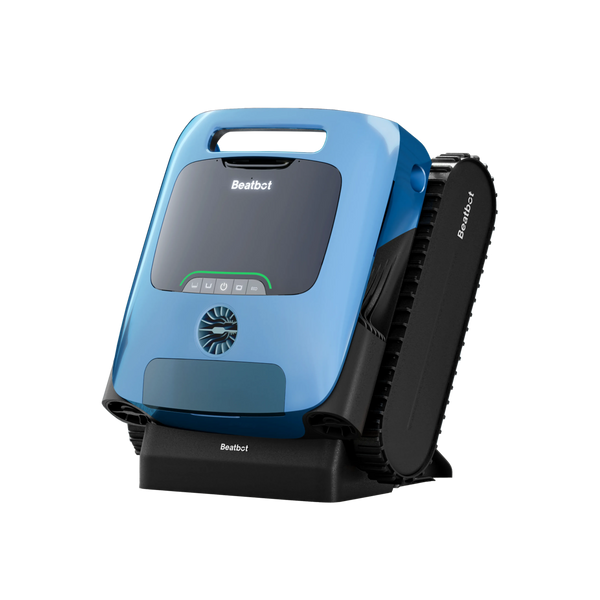
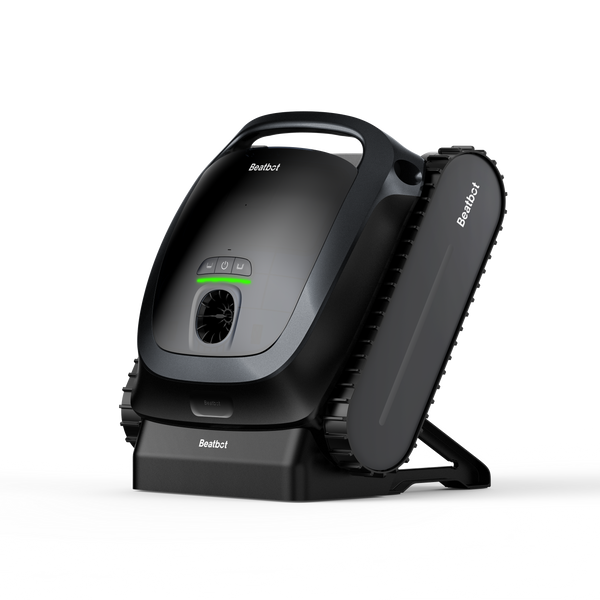
If you are leaning toward fiberglass for a lower-maintenance setup, the Beatbot AquaSense X robotic pool cleaner helps extend that benefit by taking some of the messiest manual cleaning work off your plate.
It works with both fiberglass and vinyl pools in above-ground and in-ground setups, and it cleans the water surface, floor, walls, and waterline in one machine. After each cycle, AquaSense X docks in the AstroRinse self-cleaning station, which rinses the filter and empties the debris bin in about three minutes.
The station’s 22L capacity holds up to 3,000 leaves and can go as long as two months between emptying, so routine pool care stays much more hands-off.
FAQs
How long does a vinyl liner usually last before it needs to be replaced?
A vinyl liner usually needs replacement about every 8 to 10 years. Real lifespan depends on water chemistry, sun exposure, and damage from sharp contact, though the replacement cycle is part of vinyl ownership from the start.
What does lower maintenance actually mean with fiberglass vs. vinyl pools?
Lower maintenance does not mean no maintenance. It means fewer recurring surface issues to manage. Fiberglass has no liner to replace and is positioned as the lowest-maintenance option. Vinyl still needs normal pool care, plus more attention to protecting the liner over time.
Can a torn vinyl liner be patched, or do you need a full replacement?
A torn vinyl liner can often be patched, and a good patch can last for years. The limit is that patches are temporary, and older liners are more likely to spring new leaks. Small damage may be worth patching. An aging liner often points to replacement instead.
Is fiberglass installation usually faster than vinyl?
Yes. Fiberglass usually installs faster because the shell is manufactured in a controlled setting and arrives ready to place. Vinyl gives you more design flexibility, but the build path is usually less direct than a one-piece fiberglass shell installation.
Which pool type makes more sense if you have kids, pets, or heavier pool use?
Fiberglass is often the safer fit for heavier use. Vinyl can still work well, but liners are more exposed to tears from sharp contact and repeated wear. If your pool will see more activity, that extra damage risk should be part of the decision.