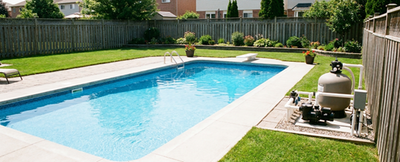
Flagship

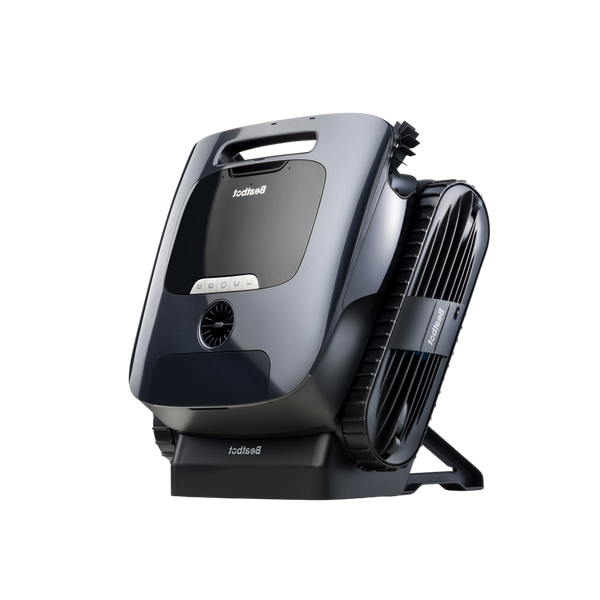

 Sora Series


 AquaSense Series


 Skimmer & Bundle

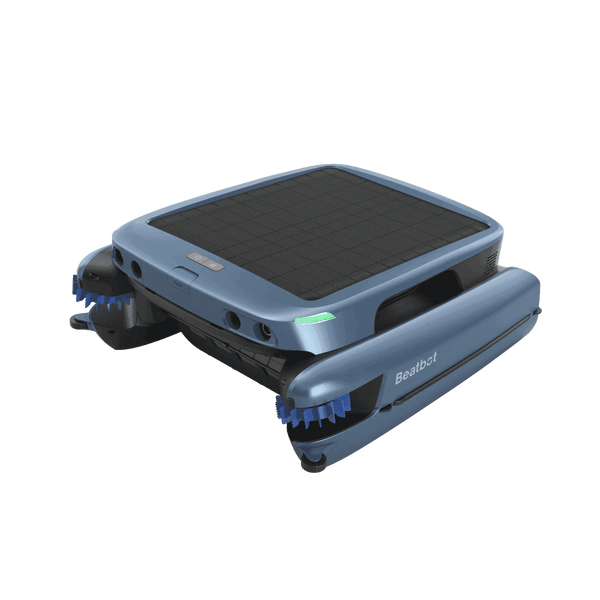
 Retail Edition


 Accessories



 Extended Warranty


Balance calcium hardness by testing your water regularly and keeping it between 200 and 400 ppm in pools and 150 to 250 ppm in spas. Let it drop too low and the water turns corrosive, pulling calcium out of plaster, grout, and metal.
Let it climb too high and you end up with scale and cloudy water. You bring a low reading up with calcium chloride, and you bring a high one down by diluting with fresh water. Get this one number right and your surfaces, your equipment, and your water clarity all hold up.
What Is Calcium Hardness, and Why Does It Matter?
Calcium hardness measures how much dissolved calcium is in your water, reported in parts per million as calcium carbonate. It matters because water is never content to stay neutral. Give it too little calcium and it goes looking for more, pulling it out of any surface it touches. Give it too much and the excess drops out of solution and hardens onto walls, pipes, and equipment.
Calcium hardness does not work alone. It is one of three readings that decide whether your water is balanced, alongside pH and total alkalinity. Pool pros fold all three into a single number called the Saturation Index, which tells you whether the water is corrosive, balanced, or headed toward scale.
When that number sits near zero, calcium, pH, and alkalinity are in balance. A strongly positive value means the water will scale; a strongly negative one means it will corrode. So a calcium reading only tells you something useful when you read it next to pH and alkalinity.
Calcium hardness also moves on you. It creeps up as water evaporates and shifts every time you add fresh water or dose other chemicals, so it belongs in your regular testing routine, not a once-a-season check.
What Are the Ideal Calcium Hardness Levels for Pools and Spas?
The ideal range is 200 to 400 ppm for swimming pools and 150 to 250 ppm for spas and hot tubs. Pools get a wider band because they hold more water and shrug off small changes. Spas sit lower because their small volume, higher temperatures, and constant aeration push them toward scale much faster at the top of the range.
Temperature is what forces spas to stay tighter. Calcium dissolves less readily as water heats up, so a spa running at 102°F will scale at a level a cool pool would handle without a problem. That same heat effect is why the heater is almost always the first place scale shows up.
Think of these numbers as a working window, not a single bullseye. A pool at 250 ppm with balanced pH and alkalinity is in better shape than one sitting at 300 ppm with pH that has drifted high, because it is the overall balance that protects the water, not the calcium figure on its own.

What Happens When Calcium Hardness Is Too High?
When calcium hardness runs too high, the extra calcium carbonate drops out of solution and forms scale, the crusty grayish-white buildup you see on surfaces, tile, and inside the plumbing. The first sign is usually cloudy water, which shows up once the water can no longer hold all the calcium it is carrying.
Scale is more than an eyesore. It roughens the pool surface enough to scratch swimmers and snag swimsuits, and that rough texture gives algae and bacteria something to grab onto. Inside the plumbing, scale narrows the pipes, which chokes circulation and drives up pressure across the filter.
The costliest damage happens in the heater. Hot water holds even less calcium, so scale forms fastest on the heater coils, where it acts like a layer of insulation. That layer slows heat transfer, so the heater burns more energy to hit the same temperature, and a badly scaled heater can eventually quit on you. These risks start climbing once calcium hardness pushes past roughly 400 to 500 ppm.
What Happens When Calcium Hardness Is Too Low?
When calcium hardness drops too low, the water turns corrosive and goes hunting for calcium in any surface that has it. This is the worse way to fail, because most of the damage it does cannot be undone. Low-calcium water dissolves pool plaster, eats into tile grout, etches decorative finishes, and pits concrete decking.
It does not stop at the surface. Corrosive water pulls metal out of pipes, fittings, ladders, and equipment, which can leave stains on the pool or tint the water itself. Scale can sometimes be partly dissolved back out by adjusting the chemistry, but corrosion damage is permanent. A pitted plaster surface has to be resurfaced, and corroded pipes have to be replaced.
Low readings deserve faster attention than high ones. A pool sitting below 150 ppm is chewing on its own structure every day it stays there, so bringing calcium back into range comes first.

How Do You Test Calcium Hardness?
Test calcium hardness with a drop-count titration kit instead of test strips, and check it at least once a month. A drop test reads calcium specifically and resolves down to 10 ppm at a time, which is the precision you need to dose accurately and to confirm the smaller adjustments a spa calls for.
Test strips just do not cut it here. Strips read total hardness, which lumps calcium together with magnesium, but only the calcium half affects your water balance. Most strips also give you four or five color blocks stretched across a range from 0 to 1,000 ppm, so a single block can span a 250 ppm gap. That is no help when you are trying to nudge a spa from 60 ppm up to 150 ppm, a move a drop test reads clearly.
Running a drop test takes about a minute. You fill the test cell with pool water, add the buffer and indicator reagents, and the sample turns red. Then you add the calcium reagent one drop at a time, counting as you go, until the color flips from red to blue.
Multiply your drop count by the kit's equivalence factor and you have your calcium hardness in ppm. If the endpoint comes up purple instead of blue, metal ions are interfering, and a quick re-test usually clears it up.
How Do You Raise Calcium Hardness?
Raise calcium hardness by adding calcium chloride, which comes in two forms: hydrated at 77 percent strength and anhydrous at 100 percent. As a rough guide, about 1.2 pounds of calcium chloride per 10,000 gallons raises hardness by roughly 10 ppm, but always check your product label for the exact dose, since the two strengths call for different amounts.
How you add it matters as much as how much. Calcium chloride throws off real heat the moment it hits water, so never pre-dissolve it in a bucket. Get the pump running to keep the water moving, then broadcast the granules evenly across the deepest part of the pool. The moving water carries the calcium away and keeps it from piling up in one hot patch on the floor.
Work your way up in small steps and re-test before you add more. Adding a second dose is easy; diluting an overshoot is a chore, especially in a spa, where a small body of water reacts fast to anything you put in it.
How Do You Lower Calcium Hardness?
Lower calcium hardness by diluting the pool with fresh, lower-hardness water, since calcium will not evaporate off and cannot be filtered out. Drain about a foot of water, refill, then re-test and repeat a foot at a time until the reading drops back into range. Running the refill through a hose filter strips minerals out of hard source water before they ever reach the pool.
There is a second route worth knowing if you live somewhere dry or under water restrictions. Because balance rides on the Saturation Index rather than calcium alone, you can often offset high calcium by lowering pH and alkalinity with acid instead of draining, as long as your pH and alkalinity are not already low. That nudges the index back toward neutral without swapping out any water.
Balanced chemistry only gets you clear water once the debris is gone, so cleaning and chemistry work hand in hand. Even perfectly balanced water can look hazy when fine particles like pollen, fine sand, and algae spores stay suspended in it, and those are exactly the bits a standard cleaner leaves behind.
The Beatbot Sora 70 cordless robotic pool cleaner runs a 150 µm filter for everyday debris and switches to an optional 3 µm filter that catches particles up to 50 times smaller, which is the size range behind water that tests balanced but still reads cloudy. Pair that filtration with in-range chemistry and you get water that is genuinely clear to the eye.
What Are the Rules for Adjusting Calcium Hardness?
The one rule you cannot skip: never add a calcium hardness increaser on the same day you add baking soda for alkalinity or soda ash for pH. Mix calcium chloride with either of those and you get cloudy water and solid clumps settling on the pool floor. Leave at least 24 hours between treatments and run the pump in between.
Always test before you adjust. Dosing on a guess wastes chemicals and risks an overshoot that is a pain to walk back, so confirm where you stand with a drop test first, then size the dose to your pool's volume. Reading calcium next to pH and alkalinity keeps you from fixing one number while knocking another out of range.
Change one factor at a time and re-test before you touch the next. Water chemistry settles over hours, not minutes, so give it room between steps.
FAQs
Does a saltwater pool need different calcium hardness levels?
No, saltwater pools use the same 200 to 400 ppm range as a standard chlorine pool. The salt system changes how the chlorine gets made, not how calcium behaves, so you test and adjust calcium the same way. Salt cells do scale up faster, which is one more reason to hold the range.
Do new plaster pools need a different calcium target?
Freshly plastered pools often run their calcium toward the high end of the range through the first season, because new plaster sheds some calcium into the water as it cures. A lot of installers tell you to keep levels a touch higher early on, then ease into the standard range once the surface has fully cured.
How long after adding calcium chloride can I swim?
You can usually get back in about 30 minutes after broadcasting calcium chloride with the pump running, once the granules have dissolved and spread out. That is much quicker than the 24-hour gap you need between calcium and other chemicals, since calcium chloride on its own does not call for a long wait.
Does low calcium hardness damage a vinyl or fiberglass pool?
Vinyl and fiberglass pools have no plaster or grout for corrosive water to dissolve, so they dodge the surface etching that hits concrete pools. Low calcium can still corrode metal fittings, heaters, and railings, though, so holding calcium in range protects the equipment even when the shell is safe.