Most Popular


 Sora Series


 AquaSense Series

 Skimmer & Bundle

 Retail Edition


 Accessories


Draining a pool is not something most owners do often, but when the time comes, getting it wrong can damage the shell, violate local regulations, or strand you with a structurally compromised empty vessel.
Most inground pools should be drained no more than once every three to five years. For above ground pools, partial or full drains are more common, especially for winterizing or liner replacement. The method you choose depends on your pool type, available equipment, and what you plan to do once the water is out.
When Should You Drain Your Pool?
The most common reasons to drain a pool are total dissolved solids (TDS) buildup, chemical imbalance that cannot be corrected through treatment, planned surface repairs, winterization of above ground pools, and liner replacement.
A pool is ready to drain when TDS levels exceed 2,500 parts per million in a chlorinated pool or 1,500 ppm in a saltwater pool, or when cyanuric acid has climbed so high that shock treatments no longer work.
Draining should not be triggered by algae alone. A green pool can almost always be recovered with proper shocking, brushing, and filtration before resorting to a full drain. Draining in response to algae without treating the underlying chemistry problem means the water coming back in will face the same conditions.
Some conditions make draining the wrong move. A high water table after heavy rain raises hydrostatic pressure under the shell, which is exactly when an empty inground pool is most likely to crack or float.
Hot weather is also poor timing, since an exposed plaster or vinyl surface can be damaged by direct sun and heat once the water is gone. The best time to drain is during mild, dry weather in spring or fall, when temperatures are moderate and groundwater is low.
Above ground pools are typically drained fully at the end of the season in cold climates. Inground pools should almost never be left fully drained over winter. The soil pressure on an empty shell can cause cracking, buckling, and pop-out, and fiberglass shells are especially vulnerable when the water table is high.
How Often Should You Drain Your Pool?
For a well-maintained chlorinated inground pool, a full drain every three to five years is typical. Saltwater pools accumulate TDS faster and may need draining every two to three years.
Above ground pools in cold climates are typically drained annually for winterization, though saltwater above ground pools can sometimes be wintered without a full drain if the equipment is properly blown out.
When TDS or cyanuric acid is the only problem, a dilution drain is worth considering instead: remove one-third to one-half of the water and refill with fresh water. It brings both values down significantly without the structural risk of a full empty.
What Do You Need to Drain a Pool?
For most residential pools, a submersible pump is the most practical choice. These units sit at the bottom of the pool, connect to a standard garden hose or larger discharge hose, and push water out at rates ranging from 1,000 to 3,600 gallons per hour depending on the model. A 1.5-horsepower submersible pump can drain a standard 15,000-gallon pool in roughly eight to twelve hours.
A pool pump with a multiport valve set to waste is another option for inground pools. This bypasses the filter and sends water directly out through the backwash line, and works well for dropping water levels by two to three feet. It drains more slowly than a dedicated submersible pump and stops being effective once the water level drops below the skimmer intake.
A garden hose siphon works for small above ground pools but is too slow for inground or larger pools.
Can You Drain a Pool With a Sand Filter?
Yes. Set your multiport valve to the waste position, which bypasses the filter and sends water straight out through the backwash line. Route the backwash line to an approved discharge point. This only works down to the skimmer inlet level, so you will need a submersible pump to remove the remaining water below that point.
Do not use the backwash setting for draining. Backwashing clears dirty filter media through the discharge line but is not designed to drop pool water level significantly. Waste is the correct position.
How to Drain an Above-Ground Pool

Before starting, confirm where the water will go. Most municipalities prohibit discharging pool water into storm drains. Dechlorinated water can typically be released onto a yard or into a sanitary sewer cleanout. Chlorine should be at or near zero before discharge. Let the water sit for three to five days without adding chemicals, or use a dechlorinator to accelerate the process.
Place the submersible pump at the deepest point of the pool floor. Run the discharge hose to the drainage area at least ten feet from the pool to prevent water from undermining the base. Once the pump starts drawing air, shut it off immediately.
A standard submersible pump cannot reach the last few inches of water. A wet/dry shop vacuum, a low-intake sump pump, or tilting a smaller frame-style pool can clear what remains.
How to Drain an Inground Pool
Inground pool draining carries more risk than above-ground draining because of structural pressure on the shell when empty. Start by lowering chlorine levels to zero. Place a submersible pump at the main drain area of the deep end and route the discharge hose to your sewer cleanout or another approved point.
The waste setting on your multiport valve can supplement this by pulling through main drains and skimmers, but switch to the submersible pump alone once the water drops below the skimmer throat.
As the pool empties, watch for signs of shell movement, cracking sounds, or ground heave. If any appear, stop draining immediately and consult a pool professional. Never leave an inground pool fully empty overnight without a plan to begin refilling.
How to Drain a Pool Faster
Use a high-volume submersible pump. Models rated at 3,000 GPH or above can empty a standard 15,000-gallon pool in five to six hours. Running two pumps simultaneously, one at the deep end and one at the shallow end, cuts drain time further for larger pools.
Keep the discharge hose as short as possible and avoid uphill runs. Both increase head pressure against the pump and reduce effective flow rate.
Does Draining a Pool Clean It?
Draining does not remove debris from pool surfaces. Algae, calcium deposits, dirt, and organic staining remain on the walls and floor. Skimming and vacuuming before draining also reduces the risk of debris clogging the submersible pump intake screen during the drain itself.
For pools drained to address algae, the walls and floor must be scrubbed and treated before refilling or the bloom will restart from spores on the surface. A dilute acid wash applied while the pool is empty is the most effective way to clear persistent algae staining from plaster or gunite.

Where Should Pool Water Be Discharged?
Pool water containing active chlorine, stabilizer, algaecide, or other treatment chemicals should not enter storm drains, ponds, streams, or irrigation channels. Most water authorities allow discharge into the sanitary sewer system through a cleanout point or onto a grass area once the water is neutralized.
A pool draining service is worth considering when local regulations are restrictive, the pool volume is large, or the drain coincides with structural repairs. They handle disposal and can coordinate with any necessary professional work on-site.

Keeping Your Pool Cleaner Between Drains
Frequent draining is a sign of a maintenance gap, not a routine. Surface debris that sits on the water decays into dissolved organics, driving TDS upward and making the water harder to balance. Removing it before it sinks is the most direct way to slow the accumulation that eventually makes a drain feel necessary.
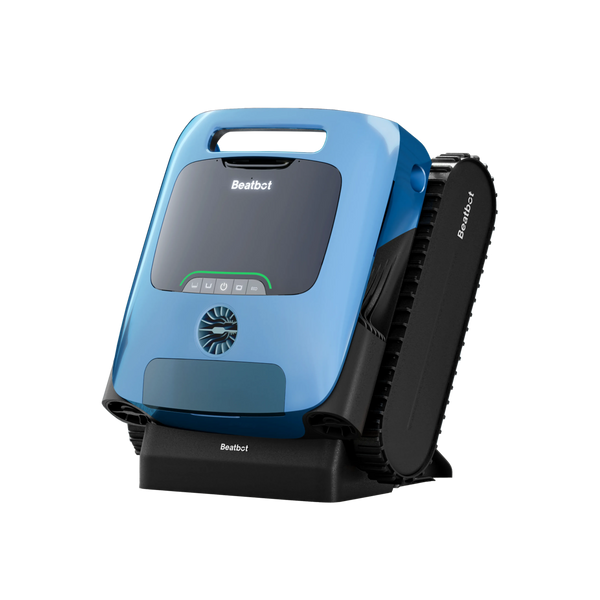
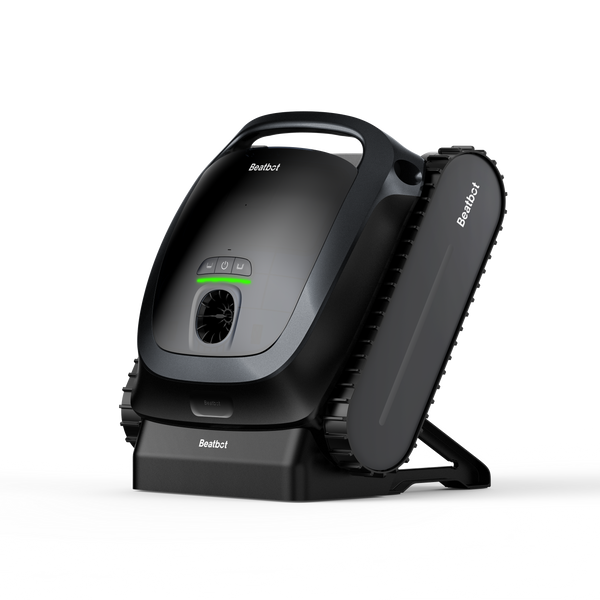
The Beatbot AquaSense 2 Ultra robotic pool cleaner cleans the water surface, waterline, walls, and floor in a single session, removing organic debris before it has a chance to settle or decompose.
Its HybridSense™ Pool Mapping system scans the pool geometry and plans efficient paths across all surfaces, including multi-level platforms and complex shapes. The ClearWater™ natural clarification system works during cleaning to keep water clear between maintenance cycles.
For pools with heavier debris loads, near trees or exposed to wind, the Beatbot Sora 70 robotic pool cleaner uses an industry-first JetPulse™ system that actively pulls floating debris inward with dual converging jets before it reaches the waterline. Its 6,800 GPH suction rate and 6L debris basket handle high-volume seasons, and it cleans shallow-water zones down to eight inches.
Neither robot eliminates the need for occasional draining, but both reduce the chemical load and debris accumulation that makes draining feel urgent. A pool cleaned consistently at all levels holds balanced chemistry longer and accumulates dissolved solids more slowly.
FAQs
How long does it take to drain a pool?
With a mid-range submersible pump rated at around 2,400 GPH, a 20,000-gallon pool takes roughly eight to ten hours. Pumps above 3,000 GPH can cut that to five to six hours. Discharge hose length also affects total drain time.
Can I drain my pool into the street?
Most municipalities prohibit discharging pool water into storm drains or gutters because of chemical content. Dechlorinated water can typically be discharged onto a grass area or into a sanitary sewer cleanout. Check with your local water authority before draining.
Does backwashing drain a pool?
Backwashing removes a limited amount of water through the filter discharge but is not designed to lower pool water level. The waste setting on a multiport valve does drain pool water directly, but only down to the skimmer inlet. Below that, a submersible pump is required.
How do I drain the last bit of water from my pool?
A standard submersible pump loses suction before the floor is fully clear. A sump pump with a low-profile intake, a wet/dry shop vac, or a small transfer pump handles the remaining inch or two. For smaller above ground pools, tilting the structure toward one corner pools the remaining water for easier removal.
How long can a pool be left drained?
An above-ground pool can stay empty indefinitely once it is winterized. An inground pool should never be left empty longer than necessary, and never overnight without a refill plan. Groundwater pressure can crack or lift the shell within hours when the water table is high.
How do I get water out of my pool without a pump?
A garden hose can act as a siphon if the discharge end runs downhill to a point lower than the pool floor. Fill the hose completely with water, seal both ends, submerge one end in the pool, and release the lower end. This works only for small above ground pools and drains slowly.
Can you completely drain an inground pool?
Yes, but only briefly and under the right conditions. A full drain should happen in mild, dry weather with a low water table, and refilling should begin as soon as repairs or cleaning are complete. Leaving an inground pool fully empty risks structural damage from soil and groundwater pressure.