Flagship


 Sora Series


 AquaSense Series


 Skimmer & Bundle

 Retail Edition


 Accessories



 Extended Warranty


The most reliable way to reduce cyanuric acid in a swimming pool is to dilute the water, partially draining it and refilling with fresh water. Cyanuric acid, sold as pool stabilizer or conditioner, protects your chlorine from the sun, but it does not evaporate or break down on its own.
Once it climbs too high, there is no filter cartridge, dose of shock, or amount of regular upkeep that will pull it back down. Lowering it means physically taking out some of the stabilized water and replacing it, or running the water through a reverse osmosis system. Reducer products are the only other option, and next to those two they work slowly and unevenly.
What Is Cyanuric Acid and Why Does It Build Up?
Cyanuric acid is a chemical stabilizer that shields free chlorine from the sun's UV rays, slowing how fast that chlorine gets eaten away on hot, sunny days. It builds up because most chlorine tablets and granules are stabilized, so every time one dissolves, it leaves a little cyanuric acid behind in the water.
Trichlor tablets and dichlor granules are the usual culprits. Each dose drops a little cyanuric acid into the water, and that part stays put after the chlorine has done its job and gotten used up. The chlorine gets spent sanitizing the pool.
The stabilizer does not, so it piles up week after week. Run a pool on tablets all season and it can quietly drift from a healthy level into an over-stabilized one, with nothing in the water to tip you off.
How High Is Too High for Cyanuric Acid?
The ideal cyanuric acid level sits between 30 and 50 parts per million for a standard chlorine pool, and 60 to 80 ppm for a saltwater pool. Push past roughly 100 ppm and chlorine starts losing its grip on the water, even when your test shows a perfectly normal chlorine reading.
People call this chlorine lock. The chlorine is still in there, but the extra stabilizer grips it so tightly that almost none is left in the active, sanitizing form. Free chlorine has to scale up to keep pace, roughly 7.5 percent of the cyanuric acid reading, so a pool at 40 ppm needs about 3 ppm of free chlorine to stay sanitary.
The higher the stabilizer goes, the higher that target climbs, until keeping enough working chlorine in the water stops being realistic. That is when you see cloudy water and algae even though the chlorine number looks fine.
As long as you stay inside that range, there is nothing to fix. Once you are pushing toward 100 ppm, piling on more chlorine stops helping, and diluting the water is the only move that works.

How Do You Lower Cyanuric Acid in a Pool?
A partial drain and refill is the fastest, most dependable fix. Cyanuric acid spreads evenly through the water, so the level falls in direct proportion to how much water you swap out. Cutting a 100 ppm reading down to around 50 ppm means replacing about half the pool, and a badly over-stabilized pool will usually take more than one round of draining and testing to get there.
Drop in a submersible pump, or set your filter to waste, and lower the water a foot or so at a time, keeping it above the skimmer so the pump never runs dry.
Top the pool back up with the hose, let it circulate, then retest cyanuric acid before you decide whether to go another round. Take the water out in stages instead of emptying the pool, since a fully drained shell can shift or crack under hydrostatic pressure from the surrounding ground, a real risk with vinyl liner and fiberglass pools.
Check your local rules before you start, since plenty of areas limit where pool water can go and some flat out ban draining into storm drains. Past that one caveat, dilution is what most pool owners reach for first. It is cheap, it is predictable, and it does not take any special gear.

Can You Reduce Cyanuric Acid Without Draining?
Yes. Reverse osmosis filtration is the main way to lower cyanuric acid without draining much water. A mobile RO service pumps your pool water through ultra-fine semi-permeable membranes that strip out cyanuric acid along with calcium hardness, salt, and other dissolved solids, then sends the cleaned water right back into the pool.
It saves most of the water, which makes it a smart option where drought rules are in place or the tap water is very hard to begin with. The catch is cost. This is a professional service, not a weekend project, and the price climbs with pool size and how high your level has gotten. For a pool that runs high year after year, or anywhere water is scarce, paying for it often makes sense.
Cyanuric acid reducer products are the third route. They use enzymes or bacteria to break the stabilizer down over several days, need the water above about 65°F to do anything at all, and give mixed results from one pool to the next. They can chip a level down gradually without draining, but they are slower and less predictable than dilution or reverse osmosis, so they are better as a backup than a main plan.
How Do You Prevent Cyanuric Acid Buildup?
The lasting fix is to stop feeding cyanuric acid into the pool in the first place, and to ease up on how much chlorine your pool burns through. Trade stabilized tablets for unstabilized chlorine, whether that is liquid chlorine, cal hypo, or a saltwater chlorine generator, and you stop adding new stabilizer with every dose. A small, measured amount of conditioner is enough to keep UV protection where it belongs.
How hard your chlorine has to work matters just as much. A pool fighting a steady stream of leaves, oils, and fine debris burns through sanitizer faster, which nudges owners back toward easy stabilized tablets and starts the whole cycle over. A pool that stays physically clean simply needs less chlorine.
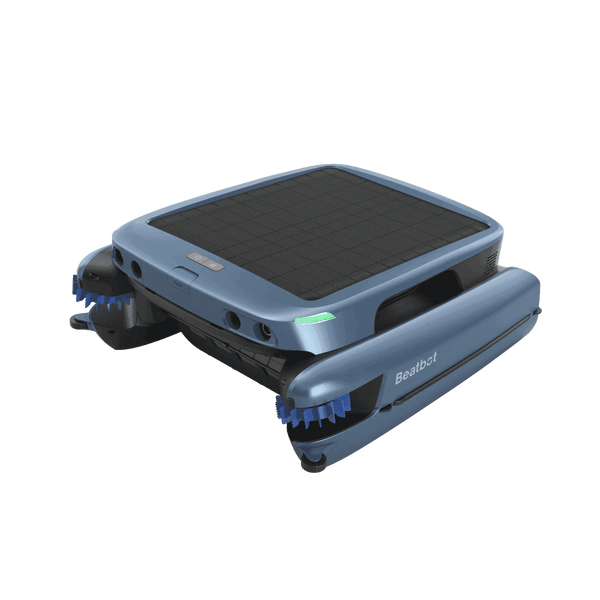
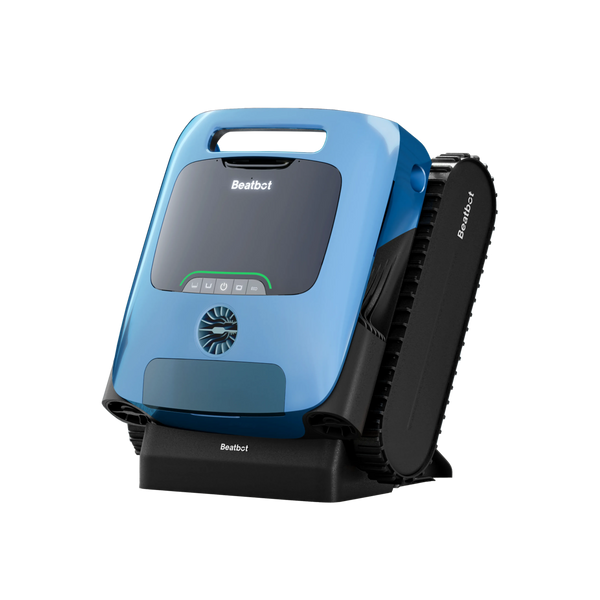
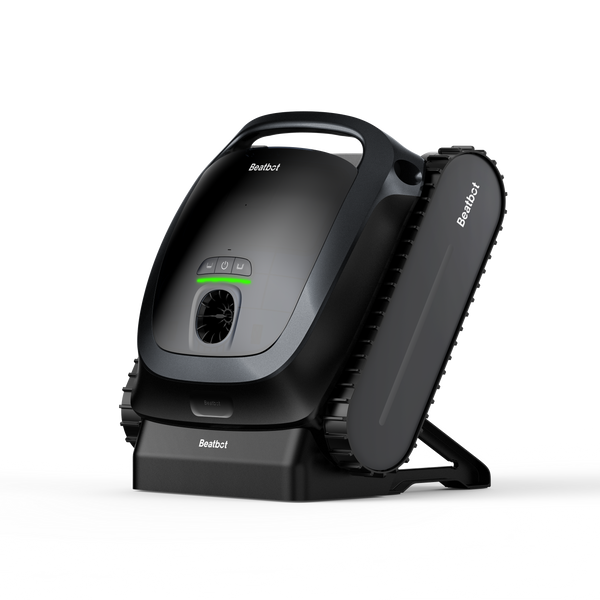
The Beatbot AquaSense 2 Ultra robotic pool cleaner does exactly that. It keeps chlorine demand low by clearing out the organic load your sanitizer would otherwise have to burn off.
Its ClearWater™ system releases a natural clarifier that pulls suspended oils and fine particles together into larger clumps, so they settle out and get trapped by the filter instead of feeding chlorine consumption, while the cleaner scrubs the floor, walls, and waterline and skims the surface.
With less for the chlorine to chew through, staying on unstabilized chlorine becomes realistic, and that is what keeps cyanuric acid from creeping back up.
Back all of that up with regular testing. A quick cyanuric acid check every few weeks through the busy swim season catches an upward drift early, while it is still a small correction instead of a full drain and refill.

FAQs
How long does it take to lower cyanuric acid?
Draining and refilling shows a lower reading as soon as the fresh water mixes in and you retest, usually the same day. Reverse osmosis wraps up in a single service visit, while enzyme reducers can take seven to ten days to show anything.
Is it safe to swim in a pool with high cyanuric acid?
Swimming itself is usually fine, but high cyanuric acid weakens your chlorine, so the water may not be properly sanitized. The real risk is bacteria and algae from chlorine that can no longer do its job, not the cyanuric acid itself.
Will draining and refilling affect my other pool chemistry?
Yes. Swapping out a big volume of water dilutes everything, not just cyanuric acid, so pH, alkalinity, and calcium hardness usually move too. Retest the full panel once the pool is refilled, then rebalance before you add chlorine.
Does rain lower cyanuric acid in a pool?
Rain dilutes cyanuric acid a little when it overflows and pushes pool water out, but the effect is small and unpredictable. It might soften a rising level over time, but it is not something to count on as a fix.