Most Popular


 Sora Series


 AquaSense Series

 Skimmer & Bundle

 Retail Edition


 Accessories


There is no single correct pool depth. How deep your pool should be comes down to what you actually do in it. Most backyard pools land between 3 and 5 feet, which covers wading, casual swimming, and lounging for just about everyone.
Diving is the exception, and it pushes the deep end past 8 feet. Build it too shallow and your teens and lap swimmers lose interest fast; build it too deep and you pay for water and excavation you do not need, eat up the yard, and leave the little kids with nowhere to stand. The right depth is the one that fits the people who will actually get in the water.
Here is a quick reference for the right pool depth based on how you plan to use it:
|
Use |
Recommended Depth |
|
Lounging and tanning ledge |
0.75 to 1.5 ft |
|
Young children |
2.5 to 3.5 ft |
|
Casual play and standing games |
3 to 4 ft |
|
Lap swimming and exercise |
4 to 5 ft |
|
General family pool, shallow to deep |
3 to 5 ft |
|
Sport pool, ends to center |
3.5 to 5 ft |
|
Diving |
8 ft minimum, 9 to 12 ft preferred |
These figures are a starting point. The right depth still depends on user height, how the yard is shaped, and your budget, which the sections below work through use by use.
What Is the Most Common Pool Depth?
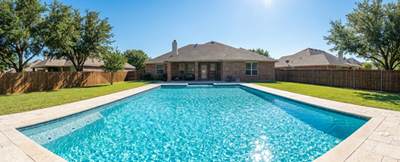
The most common residential pool depth runs from about 3 feet at the shallow end to 5 feet at the deep end. This range works for the widest mix of swimmers, since most adults can stand comfortably in 4 to 5 feet of water while kids and casual swimmers stay safe closer to the 3-foot end. A graduated bottom that slopes from shallow to deep is the standard family-pool layout, and it keeps earning its keep as the kids grow.
Builders lean on this range for a practical reason beyond comfort. A deeper pool needs a longer slope and a bigger overall footprint to ease safely from shallow to deep, and that often will not fit a typical suburban yard.
User height matters more than any chart. Most people are comfortable standing in water that hits around chest height, so a deep end that feels just right for a 6-foot adult can leave a 5-foot-2 swimmer up on their toes. When your household spans a range of heights, set the standing zones for the shorter swimmers and let the deep end handle the taller ones. It is one more reason a graduated, multi-depth bottom beats a single fixed depth.
How Deep Should a Pool Be for Kids?
For young children, 2.5 to 3.5 feet is the safest range for play, because it lets kids touch the bottom and keep their head above water while standing. A shallow zone in this range gives them room to learn, splash, and play under supervision without putting them in over their heads.
Depth on its own does not make a pool safe for kids. Shallow water still carries a drowning risk, and the things that actually protect children are barriers, four-sided fencing, alarms, covers, and swim lessons. Building around a child's height today is a short-lived fix anyway, since a depth that works for a 4-year-old can feel cramped a few years later. A multi-depth layout gives kids a safe shallow zone now and a real swimming area once they grow into it.
The same shallow range earns its keep for casual play too, well beyond the toddler years. Water at 3 to 4 feet lets older kids, teens, and adults stand with their feet planted, which is exactly what games like water basketball and volleyball call for.

How Deep Should a Pool Be for Swimming Laps?
For lap swimming, a steady depth of around 4 feet works well. It keeps your stroke clear of the bottom so you are not scraping hands and feet on freestyle or breaststroke, while staying shallow enough to stand and catch your breath between sets. A lap pool does better with a fairly even depth across its length rather than the shallow-to-deep slope of a recreational pool.
If lap swimming is the whole point, a dedicated lap pool or a swim spa sizes depth and length for exercise. For a shared family pool, a 4-to-5-foot deep end handles casual laps just fine, and the shallow end still works for everyone else. What matters most here is length and lane width, not depth, so a fitness-first pool should give you a long, unobstructed lane to swim.
How Deep Should a Pool Be for Lounging?
For lounging and cooling off, 3.5 to 4 feet lets most people sit or stand in the water without treading. This is the easygoing end of pool use, soaking on a hot afternoon or just hanging out without swimming, and it overlaps with the family and casual-swimming range.
A tanning ledge, also called a sun shelf, does the pure lounging job better than depth ever will. Set it around 0.75 to 1.5 feet deep and it holds a lounge chair or a few inches of water for sunbathing, and it doubles as a safe play spot for toddlers. A shelf gives you a dedicated lounging zone without dragging the whole pool shallow, which is why it shows up in so many multi-depth designs.
How Deep Does a Pool Need to Be for Diving?
A backyard pool meant for diving needs at least 8 feet at the deep end, and 9 to 12 feet is the safer call. Diving is the one use that breaks the standard 3-to-5-foot rule, because a diver needs enough water to slow down before reaching the bottom.
The minimum depth shifts with how you enter the water:
-
Headfirst entry from the deck: at least 5 feet, the line below which many safety standards prohibit diving
-
Backyard diving board: at least 8 feet at the deep end, with 9 to 12 feet preferred
-
1-meter springboard: around 11.5 feet directly beneath the board
-
Diving pool footprint: at least 16 feet wide and 32 feet long for room to enter and resurface
A deep end is not automatically dive-ready. Five feet is fine for jumping in feet first, but it is not safe for a headfirst dive, and a diving board is its own design decision with specific depth, length, and slope requirements, not something you bolt onto a pool built for splashing around. Local codes and your insurance carrier usually have a say in whether you can install a board at all, so check both before you commit.
How Deep Should the Shallow End Be?
The shallow end of most pools should sit at 3 to 3.5 feet. That lets children and shorter adults stand with their head well clear of the water, gives you room to wade and play, and keeps lap swimmers from scraping their hands and feet on the bottom. Plenty of public codes cap the shallow end at 3 feet 6 inches for the same reasons.
A 3.5-foot shallow end is the usual sweet spot: deep enough for adults to stand comfortably, shallow enough for kids to keep their head up.
Going much shallower than 3 feet tends to backfire. Around 2 feet or less, a pool starts behaving like a wading pool and loses its appeal for teens, adults, and anyone who wants to actually swim. Several towns that built shallow public pools heard about it from residents once they realized there was no deep end and no room for swim lessons past the youngest kids.
If you want a true shallow play zone for toddlers, a tanning ledge or sun shelf around 1 foot deep beats making the whole pool shallow, since it adds a play and lounging surface without giving up the swimming end.
What Are the Best Multi-Depth Pool Layouts?
A multi-depth layout is the most reliable way to keep everyone happy in one pool, since it pairs a shallow zone for kids and lounging with a deeper zone for swimming. The usual setup is a graduated bottom that slopes from a 3-foot shallow end to a 5-foot deep end, which covers wading, casual swimming, and laps without leaving anyone stranded.
Two layouts handle competing uses even better. An L-shaped pool splits things up by geometry, putting a shallow play area on the short leg and a longer swimming run down the main length, so kids and swimmers stay out of each other's way.
A sport pool keeps both ends around 3.5 feet and dips to about 5 feet in the middle, giving you two standing zones for water games while the center stays usable for swimming. Which one fits depends on who uses the pool and how the yard is shaped.
Either way, a planned depth change with a clear slope marker beats a surprise drop-off, because going from standing depth to over your head in one step is exactly how people end up panicking in the water.
How Does Pool Depth Affect Cost and Backyard Fit?
Depth is one of the biggest line items in a pool build. A deeper pool means more excavation, more material, more water to fill and treat, and sometimes a bigger crane to set everything in place, and all of it shows up in both the upfront price and the running costs. The deep end also forces a longer slope, so a deeper pool usually needs a larger footprint just to ease its way from shallow to deep.
So depth is a space and budget call as much as a swimming one. A diving-depth pool can be tough to fit in a smaller yard without swallowing it whole, while a moderate 3-to-5-foot design drops into more layouts and costs less to run.
Features factor in too, since water slides come with their own depth minimums, often around 3 to 4.5 feet beneath the run-out depending on the model. Figure out your real use first, then check it against your yard and your budget. That order is what keeps you from paying for a deep end you will hardly ever use.
How Does Pool Depth Affect Cleaning and Maintenance?
Depth changes where the dirt ends up and how much work the pool takes to keep clean. Fine sand and algae settle into the deep end and slide down the slope, while the shallow shelves and tanning ledges that come with a multi-depth design sit in warmer, slower water where algae gets going first. The more spread out a pool is from end to end, the more its depth changes fight against cleaning it by hand.
The hardest spots to reach are the ones depth creates: the deep floor, the walls you have to climb, and the low shelves that step down to a few inches of water. A robotic pool cleaner closes that gap.
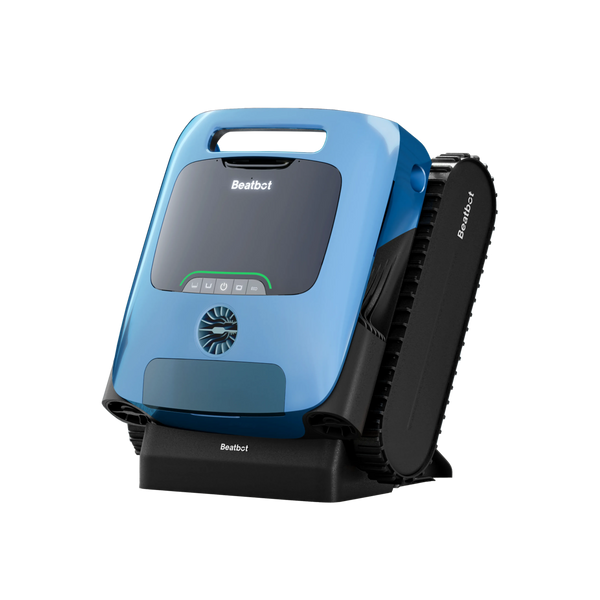
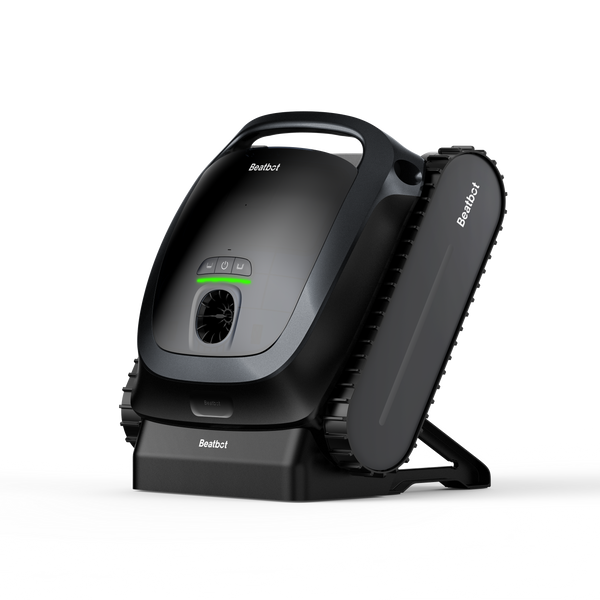
The Beatbot Sora 30 robotic pool cleaner uses a bottom ultrasonic sensor to read platform heights and slope angles, so it climbs from the deep floor up onto shelves as low as 8 inches without stalling out, then scrubs the walls and waterline in the same run.
One pass covers the parts of a multi-depth pool a handheld vacuum keeps skipping. If your pool also collects floating leaves, the Beatbot Sora 70 robotic pool cleaner adds JetPulse water-surface cleaning, using twin converging jets to pull debris toward the center and trap it, so the surface and the floor get handled together instead of making you skim by hand first.
FAQs
Do pool depth rules change by state?
Yes. Pool depth requirements are set by state and local building codes, so shallow-end maximums, diving-board minimums, and fencing rules vary by location. Always confirm the codes for your area before finalizing a design.
What is the standard depth of an above-ground pool?
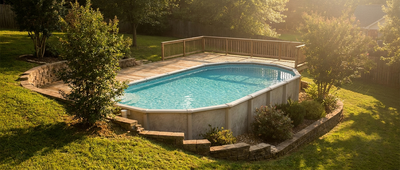
Most above ground pools are 48 to 54 inches deep, giving a fairly uniform water depth of around 3.5 to 4 feet. They rarely include a deep end, so they suit wading, play, and casual swimming. None are deep enough for diving.
How deep does the deep end need to be for a diving board?
A residential diving board generally needs at least 8 feet of water below it, plus enough length and width for safe entry. Lower depths suit jumping feet first, not headfirst dives from a board.
Does a deeper pool stay cleaner?
Not necessarily. Deeper water can collect more settled debris in the deep end, and shallow shelves still trap algae in warm, slow-moving spots. Consistent circulation and a cleaner that reaches every zone matter more than depth for keeping water clear.