Most Popular


 Sora Series


 AquaSense Series

 Skimmer & Bundle

 Retail Edition


 Accessories


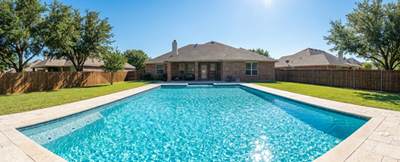
A concrete pool is the only type of in ground pool that can be built in virtually any shape, size, or depth. That flexibility is real, but so are the trade-offs: concrete pools cost more to build, require more ongoing maintenance, and take significantly longer to install than vinyl liner or fiberglass alternatives. Whether a concrete pool is worth it depends on what you are trying to accomplish with your backyard.
What Is a Concrete Pool?
A concrete pool is an in ground pool built by spraying gunite or shotcrete, both forms of concrete, onto a steel rebar frame to form the shell. Gunite is a dry mix that is combined with water at the nozzle; shotcrete is pre-mixed and wet.
Both methods produce structurally equivalent results when applied correctly. After spraying, the concrete shell takes approximately 28 days to fully cure and reach its target strength, typically between 3,500 and 4,000 psi.
Once the shell is cured, the interior is finished with plaster, a mixture of cement, sand, marble dust, and pigment. Modern options include exposed pebble and glass bead finishes, which are more durable and smoother underfoot than traditional plaster.
How Much Does a Concrete Pool Cost?
Most concrete pool projects in the US cost between $85,000 and $200,000 fully installed, including decking, coping, and equipment. Entry-level designs with standard rectangular shapes and basic finishes can come in around $66,000 to $80,000, but complex projects with custom shapes, water features, or premium stone finishes can push well past $200,000.
Beyond installation, concrete pools carry ongoing maintenance costs higher than any other pool type:
|
Expense |
Frequency |
Estimated Cost |
|---|---|---|
|
Installation (fully turnkey) |
One-time |
$85,000–$200,000+ |
|
Weekly brushing (DIY or service) |
Ongoing |
$1,200–$3,600/year (service) |
|
Chemical costs (higher than other types) |
Ongoing |
Higher than fiberglass or vinyl |
|
Acid washing |
Every 3–5 years |
$300–$1,000 |
|
Replastering / resurfacing |
Every 10–15 years |
$8,000–$10,000+ |
The cumulative lifetime maintenance cost of a concrete pool frequently adds $20,000 or more on top of the initial build price. That gap separates concrete from the other pool types more clearly than installation cost alone.
Concrete Pool Pros

Total design freedom is the clearest advantage concrete has over other pool types. Because the shell is formed in place, you can build in virtually any shape, including kidney, freeform, L-shaped, or fully custom designs. You can specify any depth profile, add vanishing edges, tanning ledges, integrated spa sections, grottos, or built-in swim jets. No other pool type can match this flexibility.
Concrete pools are also structurally durable. The steel-reinforced concrete shell is resistant to damage from sharp objects, pets' nails, or heavy pool furniture. You do not need to worry about punctures the way you do with a vinyl liner. When properly built and maintained, a concrete pool shell can last 50 years or more, though the interior finish will need periodic renewal.
Concrete Pool Cons
Maintenance is the primary ongoing burden of concrete ownership. Concrete is an alkaline material, which means it continuously raises the pH of the pool water. Owners must test and correct water chemistry more frequently than with fiberglass or vinyl pools, and they tend to use more chemicals to maintain balance. The porous surface also makes it easier for algae to embed itself into the shell, which is why pool builders recommend brushing the entire interior with a stiff brush at least once a week.
The interior plaster finish is not as durable as the concrete shell itself. Acid washing every 3 to 5 years helps remove calcium buildup and surface staining, but it also gradually removes the plaster layer. Over 10 to 15 years, that wear adds up to a replastering job that typically costs $8,000 to $10,000 or more depending on finish type and pool size.
Choosing a pebble or aggregate finish extends the interval between resurfacings, but the base maintenance demands remain.
Construction time is another factor to account for. Building a concrete pool typically takes 3 to 6 months from excavation to water-ready, compared to a few weeks for a fiberglass pool. The 28-day curing period alone accounts for nearly a month of that timeline, and inspections, plumbing, tile work, and coping installation all add to the schedule.
Cracking is a known risk with concrete pools. Concrete has high compressive strength but low tensile strength, which means it resists pressure well but is prone to cracking when the ground shifts or the pool structure flexes.
Surface cracks in the plaster are cosmetic and can be patched during a replastering cycle, but structural cracks in the shell itself are more serious and can lead to leaks that are difficult and costly to locate because the plumbing and shell are buried underground. Proper engineering, adequate steel reinforcement, and stable soil conditions reduce the risk, but they do not eliminate it entirely.
Concrete vs. Fiberglass vs. Vinyl Liner
|
Concrete |
Fiberglass |
Vinyl Liner |
|
|---|---|---|---|
|
Installation Cost |
$85,000–$200,000+ |
$45,000–$130,000 |
$35,000–$85,000 |
|
Install Timeline |
3–6 months |
2–6 weeks |
2–4 weeks |
|
Interior Durability |
High (shell); plaster needs renewal |
High; gelcoat resistant |
Low; liner tears and needs replacement |
|
Algae Resistance |
Low (porous surface) |
High (non-porous) |
Moderate |
|
Customization |
Unlimited shapes and features |
Pre-formed molds only |
Shape flexibility; no depth customization |
|
Surface Texture |
Rough (plaster) to smoother (pebble) |
Smooth |
Smooth |
|
Long-term Maintenance Cost |
High |
Low to moderate |
Moderate (liner replacements) |
|
Shell Lifespan |
50+ years |
25–30+ years |
8–15 years (liner) |
|
Resurfacing Required |
Every 10–15 years |
Not typically |
Every 8–15 years (liner replacement) |
Fiberglass pools close the gap on concrete in most practical ownership metrics. They install faster, cost less to maintain, and resist algae more effectively because the gelcoat surface is non-porous.
The real limitation of fiberglass is shape: fiberglass pools are manufactured in molds, which constrains the available sizes and configurations. If your design concept fits within a standard mold, fiberglass is worth a serious look. If you have a specific shape in mind, concrete may be the only option that delivers it.
Vinyl liner pools offer the lowest initial cost but carry the highest long-term liability in terms of liner replacement. A liner typically lasts 8 to 15 years and costs $3,000 to $7,000 to replace, and it is vulnerable to cuts, tears, and chemical damage in the interim.

Concrete Pool Maintenance: What to Expect
Weekly brushing of the entire pool surface is not optional; it is the primary defense against algae embeds that become progressively harder to treat as they penetrate deeper into the plaster. Many owners invest in a robotic pool cleaner to handle floor and wall scrubbing automatically, which reduces the manual workload significantly without eliminating the need for chemical management.
Water chemistry in a concrete pool needs to be tested at least twice a week during swimming season. Because the alkaline concrete continuously affects the pH balance, you will add acid regularly to keep the water in range, in addition to the normal chlorination and stabilizer routine. Expect higher chemical costs compared to a fiberglass pool.
Beyond weekly maintenance, plan for professional acid washing every 3 to 5 years. This removes calcium scale and surface staining and helps extend the life of the plaster finish. After 10 to 15 years, the plaster itself will need to be replaced entirely.
Resurfacing closes the pool for several days and requires professional application, followed by a startup process that involves brushing the new plaster twice daily for at least 10 days while the pool chemistry stabilizes.
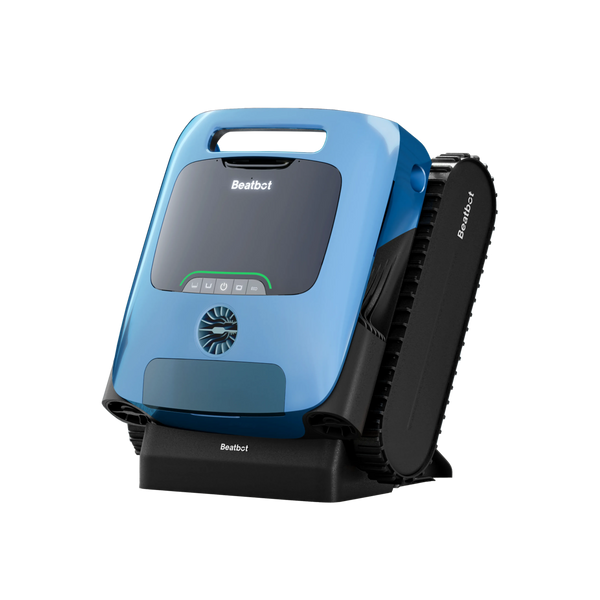
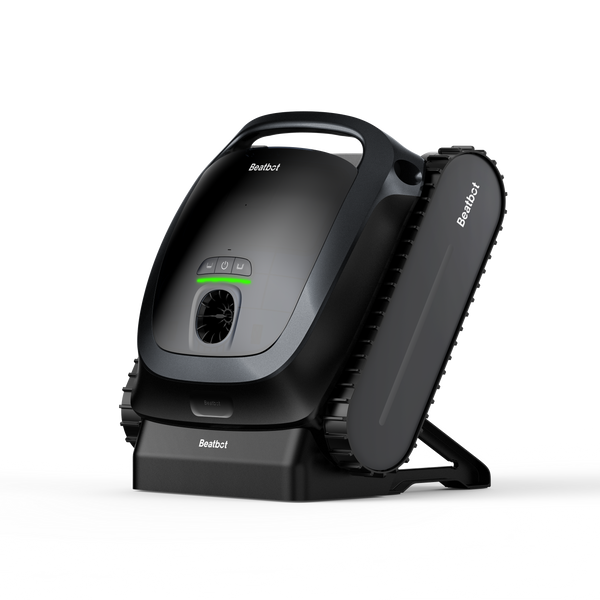
A robotic pool cleaner can take over much of that physical work. The Beatbot AquaSense 2 Pro robotic pool cleaner covers floors, walls, waterline, water surface, and water clarification in a single cycle. Its 22-sensor navigation system maps the pool layout and plans an optimized path, and the dual-group roller brush system generates 5,500 GPH of suction to scrub concrete and tile surfaces with enough force to dislodge algae before it embeds.
For concrete pool owners who need consistent wall and waterline coverage, that combination of full-zone cleaning and sensor-driven path planning directly addresses the two biggest maintenance pain points: manual brushing frequency and missed coverage areas.
Is a Concrete Pool Worth It?
A concrete pool is worth it for homeowners who have a specific design vision that no pre-formed mold can satisfy, who plan to own their home long-term, and who are prepared to invest in regular upkeep. The combination of unlimited customization, structural longevity, and high-end aesthetics makes concrete the right choice for feature-rich projects where the design itself is part of the value.
A concrete pool is not the best fit for buyers primarily focused on minimizing lifetime cost or installation time. For most rectangular or standard-shape pools where customization is not the priority, fiberglass delivers comparable structural permanence at a lower maintenance cost and a faster build timeline.
FAQs
How long does it take to build a concrete pool?
Most concrete pool builds take 3 to 6 months from excavation to swim-ready. The concrete shell alone requires a 28-day curing period before subsequent construction phases can continue.
How often do concrete pools crack?
Surface cracks in the plaster are relatively common and usually cosmetic. Structural cracks in the shell are less frequent but more serious, typically caused by soil movement, improper engineering, or inadequate steel reinforcement. A well-built concrete pool on stable ground may never develop structural cracks, but the risk is inherent to the material.
What type of pool has the least maintenance?
Fiberglass pools require the least maintenance of the three major pool types. The non-porous gelcoat surface resists algae growth, which means less brushing, lower chemical use, and no need for periodic replastering. Vinyl liner pools fall in the middle, while concrete pools require the most ongoing upkeep.
What kind of pool can you get for $50,000?
At $50,000, a concrete pool is unlikely unless you choose a very small, simple rectangular design with a basic plaster finish. That budget more comfortably fits a mid-range fiberglass or vinyl liner pool with standard equipment and basic decking. Adding features, custom shapes, or upgraded finishes will push any pool type beyond this price point.