Flagship


 Sora Series


 AquaSense Series


 Skimmer & Bundle

 Retail Edition


 Accessories



 Extended Warranty


The allure of using copper in pool skimmers to combat algae growth is a tempting one, given copper's reputation as an algaecide. However, this approach is not without its drawbacks. Let's explore why adding copper directly to your pool skimmer might not be the best strategy for maintaining a clean and healthy swimming pool.
The Copper Conundrum
Hair Discoloration and Aesthetic Issues
One of the most immediate signs of excessive copper in pool water is the discoloration of hair, particularly for those with light-colored or chemically treated hair. This green tint is not only unattractive but also a clear indication that copper levels are too high, which is a concern for both aesthetics and health.
But why exactly does this happen? Scientifically speaking , it's all about the chemistry at play in the pool. Copper present in the water gets oxidized by chlorine. This chemical reaction leads to the production of a green tint that adheres to hair follicles and even fingernails. In some cases, copper-related green pool water can also be mistaken for an algae problem, even when algae is not the real cause.
Understanding this process can help you take proactive steps to manage copper levels and avoid unwanted hair discoloration, ensuring your pool remains a place of enjoyment rather than concern.
The Difference Between Copper Tubing and Copper-Based Algaecides
While some algaecides contain copper, placing a copper tube in the pool skimmer is a different matter altogether. Copper-based algaecides are water-soluble and work by inhibiting photosynthesis in algae, leading to their death, but safe pool algaecide use depends on controlled dosing and following product instructions. Copper tubing, on the other hand, does not have the same effect and is more of a myth than a solution.
How Does Copper Compare to Chlorine in Preventing Algae Growth?
When it comes to preventing algae growth in swimming pools, both copper and chlorine play roles, yet they operate quite differently.
Chlorine's Advantages
-
Potent Disinfectant : Chlorine is renowned for its ability to disinfect water, effectively destroying bacteria, viruses, and various microorganisms, including algae.
-
Fast-Acting : It works quickly to sanitize pool water, making it a dependable choice for immediate treatment.
-
Consistent Regulation : Maintaining a balanced chlorine level helps consistently deter algae formation over time.
Copper's Role
-
Algaecide Properties : Copper is known primarily for its use as an algaecide. It inhibits algae growth by disrupting essential processes within the cells, which is also why some copper ion pool systems are marketed for long-term algae control. However, these systems are different from placing raw copper tubing in a skimmer basket.
-
Long-Term Control : While slower to act compared to chlorine, copper can provide prolonged algae prevention when used in conjunction with other treatments.
Comparative Effectiveness
-
Efficiency : Chlorine is generally more efficient and widely used in pool maintenance programs for its rapid and comprehensive water sanitization properties.
-
Usage Balance : When combined, copper can supplement chlorine, offering a dual approach by targeting different aspects of algae control. This combined strategy may be effective for pools prone to persistent algae issues.
Ultimately, maintaining a well-balanced pool chemistry is crucial. Regular testing and adjustment of both chlorine and copper levels ensure a clean, algae-free swimming environment.
Limitations of Copper Tubing
Copper is used in plumbing due to its antimicrobial properties, which prevent bacteria and viruses from growing inside the pipes. However, placing a copper tube in the pool skimmer will not prevent algae growth elsewhere in the pool. It's important to understand that copper tubing in plumbing does not equate to effective algae control in the pool.
Th Risks of Using Copper in Pools
Staining and Corrosion
Copper can cause staining and corrosion in pools, especially when it comes into contact with pool surfaces and metal components. This can lead to costly repairs and aesthetic issues, undermining the very purpose of maintaining a pristine pool environment.
Health and Environmental Concerns
Excessive copper can be harmful to the health of swimmers and can also be toxic to aquatic life. High concentrations of copper can pollute the pool and pose health risks, especially through skin absorption during swimming.
Regulatory Considerations
Copper compounds for aquatic use are either manufactured as copper sulfate or as copper chelates. Both forms contain metal copper as the active ingredient, but chelated copper remains soluble and active in water for a longer period. Only copper products approved for aquatic environments should be used in water bodies.
Managing Copper in Swimming Pools
Testing and Maintenance
Regular testing and proper pool chemistry maintenance are essential to manage copper levels. Consistent regular pool water testing helps prevent staining, green hair, and algae problems before they become expensive to fix. The maximum concentration of copper and iron in pool water should be about 1.0 ppm, with an ideal level of 0 ppm.
Using Approved Products
Approved commercial formulations for aquatic use should be used according to the manufacturer's instructions to control algae effectively and safely. These products are designed to target algae without causing the negative side effects associated with direct copper exposure.
Addressing the Root Cause
Copper-based algicides may temporarily control algae and cyanobacteria but do not address the underlying causes of algal blooms. For stubborn algae growth, targeted black algae treatment is more reliable than relying on a copper pipe in the skimmer. Treating harmful algal blooms can induce the release of toxins, which can be invisible to recreational users and pose a greater risk to aquatic life.
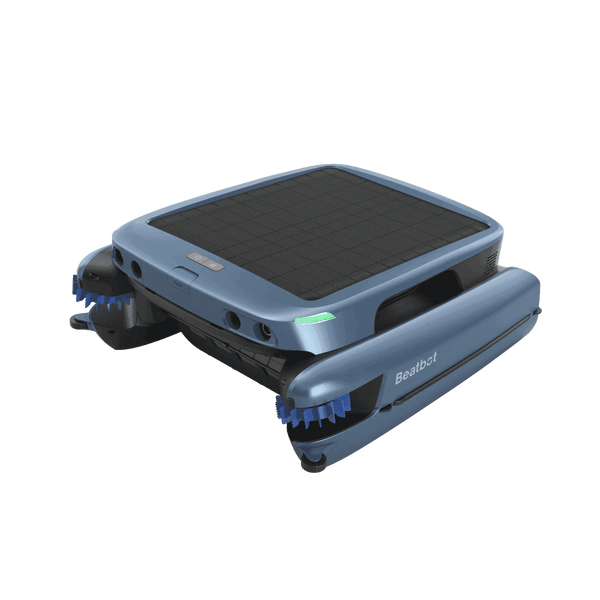
For everyday prevention, the better move is to keep organic debris from sitting in the pool long enough to feed water-quality problems. A cordless robotic pool cleaner helps collect leaves, pollen, sand, and fine debris before they have time to break down in the water.
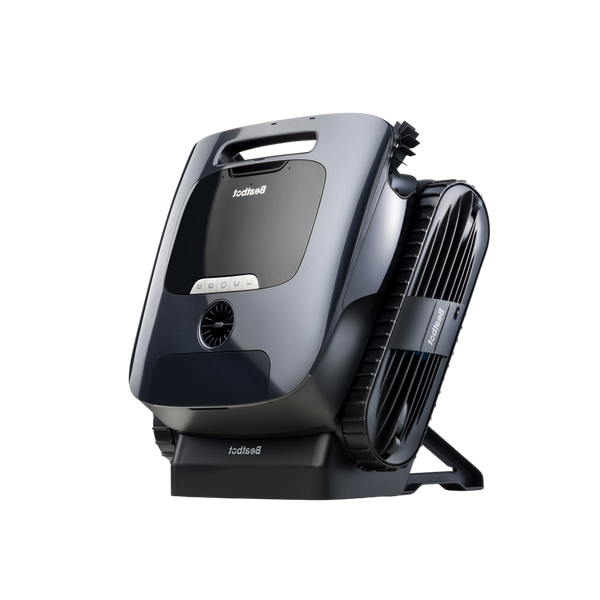
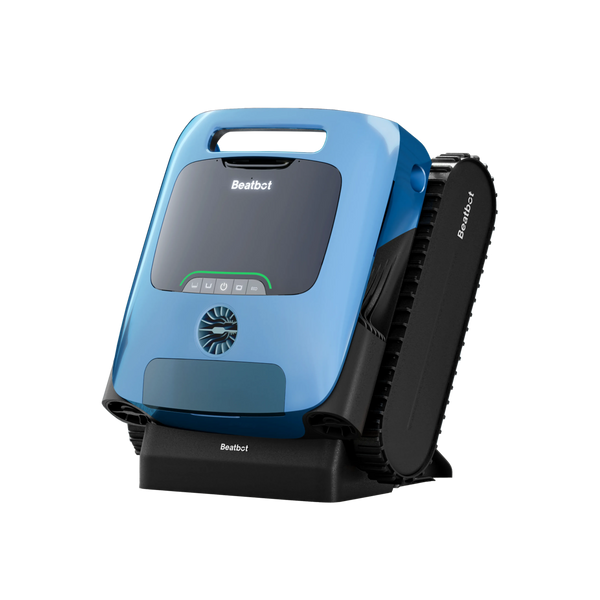
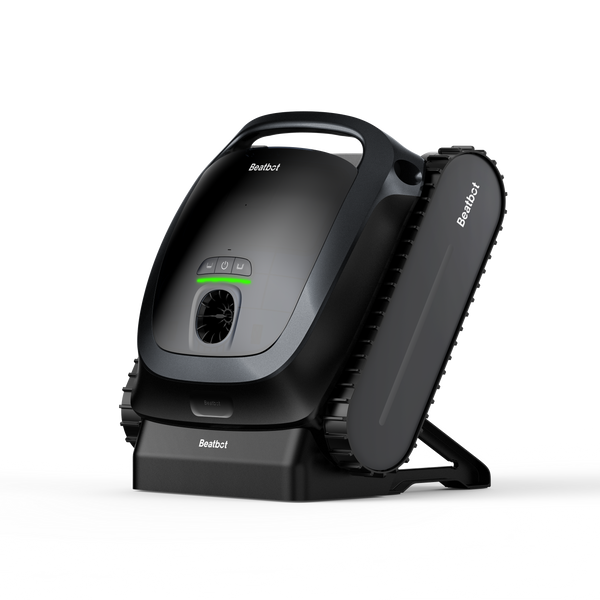
Beatbot Sora 70 is built for the cleanup most pool owners tend to put off until the weekend. It covers the water surface, floor, walls, waterline, and shallow areas, with five cleaning modes for different pool conditions. Its 10,000 mAh battery runs for up to 7 hours in surface-cleaning mode or up to 5 hours in floor-cleaning mode, while 6,800 GPH suction and a 6L debris basket help it handle everyday mess without constant emptying. App and offline controls also make routine maintenance feel less like another manual chore.
How to Effectively Remove Copper from Pool Water
To completely remove copper from pool water, the definitive approach is to drain the pool and refill it with fresh water. Copper, once dissolved in the water, remains present even if surface stains are treated and removed. This persistence means that copper can continually redeposit as stains unless the water itself is changed.
Important Considerations
-
Draining the Pool: This process involves emptying the pool entirely, which allows you to eliminate the water that contains dissolved copper particles.
-
Refilling: After draining, you’ll need to refill the pool with fresh, clean water to ensure that no copper remains in the system.
-
Testing Water Quality: Once refilled, regularly test your pool water for metal content. Consider using water testing kits from brands like Taylor or Hach to ensure copper levels remain low or nonexistent.
-
Preventative Measures: To minimize future copper buildup, be cautious with pool chemicals and equipment that could introduce copper into your water. Use filters and water treatments designed to reduce metal content when necessary.
This method, while involving more effort and resources upfront, provides a long-term solution to copper contamination in pool water, maintaining both aesthetics and the structural health of your pool.
Recent Trends in Pool Maintenance on TikTok and Instagram
Social media platforms like TikTok and Instagram have become hubs for sharing innovative and sometimes unconventional pool maintenance tips. One particular trend gaining traction is the use of copper to combat algae growth. Users are suggesting placing a small piece of copper in the pool skimmer basket as a DIY method to keep algae at bay.
Why Some Are Trying This Method
-
Cost-Effectiveness: Copper is believed to be a cheaper alternative to chemical treatments.
-
Ease of Use: Simply placing copper in the skimmer seems like a hassle-free solution.
What You Should Know
While this idea is circulating widely, experts advise caution. Copper can have varying effects on pool water chemistry and may not be the reliable solution many are hoping for. Instead, traditional methods such as regular chlorination and using algicides are still recommended for effective algae preventio