Most Popular


 Sora Series


 AquaSense Series

 Skimmer & Bundle

 Retail Edition


 Accessories


Open your pool in this order: remove and store the cover, inspect and reinstall equipment, top up the water level, physically clean the pool before adding any chemicals, balance the water chemistry in sequence, run the system for 24 to 48 hours, then settle into a weekly maintenance routine. Skipping steps or doing them out of order, especially adding chemicals before cleaning or balancing alkalinity last, creates more work to correct. The checklist below covers each step with the key details that matter.

Step 1: Wait for the Right Timing
Open when overnight temperatures are consistently above 50°F. Below that threshold, algae growth is slow enough that there is no urgency, and opening too early means running your pump and chemicals through cold water that cannot hold sanitizer effectively. If nighttime lows are still dropping below 50°F, wait. A week of patience at the start saves days of chemistry correction.
Step 2: Remove, Clean, and Store the Cover
Before removing the cover, pump off any standing water on top and sweep or blow off leaves and debris. Remove the cover in sections if it is large, and lay it flat on a clean surface. Rinse it thoroughly with fresh water, let it dry completely, then fold and store it. A damp cover folded into storage grows mold and degrades faster. Inspect it for tears or cracked straps while it is flat and replace anything that will not hold for another winter.
Step 3: Inspect and Reinstall Equipment
Before turning anything on, walk through each piece of equipment and check for winter damage.
-
Pump and filter: reinstall any parts removed for winterization. Check the pump lid O-ring and replace it if it is flattened or cracked. Inspect the filter housing and multiport valve for cracks.
-
Plumbing: remove winterization plugs from skimmers, returns, and the main drain. Reinstall return fittings. Check all unions and fittings for cracks.
-
Heater and automation: reconnect any components that were disconnected for winter. Check the heater exchanger for corrosion.
-
Electrical: confirm all circuit breakers are in their normal positions. Check that the time clock is set correctly for the new season.
Turn on the pump briefly and look for leaks at every fitting before proceeding. A slow drip at a union O-ring costs a few dollars to fix now and becomes a bigger problem if ignored.
Step 4: Fill the Pool to the Correct Water Level
The water line should sit at the middle of the skimmer opening. Below that, the skimmer pulls air and the pump cannot maintain consistent prime. Above it, the skimmer loses suction effectiveness. Use a garden hose to fill the pool. If the pool lost more than a few inches over winter beyond expected evaporation, inspect the shell and plumbing for a slow leak before opening season.
Step 5: Physical Cleaning Before Chemical
Clean the pool physically before adding any chemicals. Putting chemicals into a pool full of settled debris, algae patches, and surface film wastes sanitizer. The debris consumes chlorine before it can treat the water. Skim the surface, brush the walls and steps from top to bottom, then vacuum the floor.
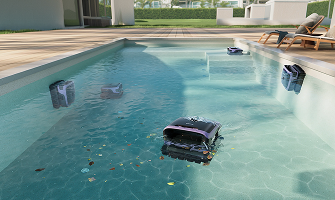
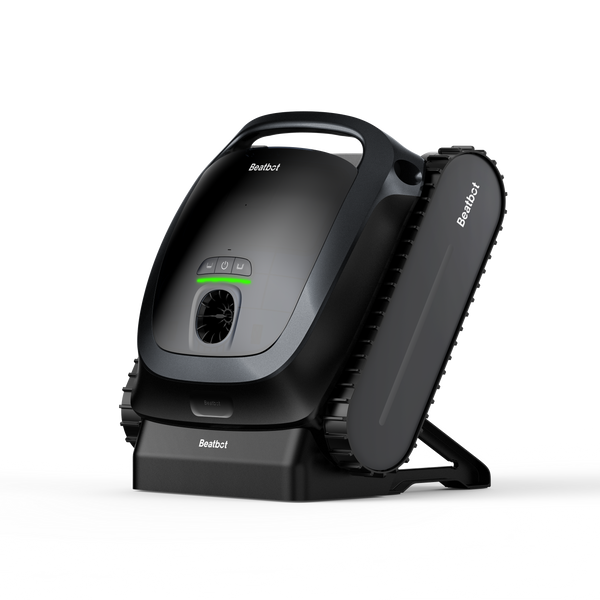
This is the step where a robotic pool cleaner handles the most time-consuming part automatically. Drop it in after brushing and let it work through the floor and walls while you focus on the cover, equipment, or chemistry prep. Different pools have different physical cleaning needs, and Beatbot makes cleaners suited to each one.
For a more complete opening clean, the Beatbot AquaSense X is the best fit when you want broad cleaning coverage with less manual follow-up. It handles the floor, walls, waterline, and water surface, then returns to the AstroRinse cleaning station for automatic filter rinsing. For pools with heavier winter debris, that setup helps clear the physical layer more efficiently during opening.
The Beatbot AquaSense 2 Ultra is also a strong option for full opening cleans, especially when water clarity is part of the concern as well as debris removal. It covers the same five zones and adds a built-in clarification function while it cleans, which makes it useful when you want to improve both physical cleanliness and water appearance in the same session.
If the main opening priority is physical debris removal rather than built-in clarification, the Beatbot Sora 70 is a better fit for pools that also collect debris on the water surface, while the Beatbot Sora 30 works well when the focus is mainly on the floor, walls, waterline, and shallow platforms.
Step 6: Balance Water Chemistry in the Right Order
The order matters just as much as the chemical levels themselves. If you shock first or adjust pH before correcting alkalinity, the next readings become less reliable and the chemicals you add work less effectively. Follow the sequence below to avoid overcorrecting and to help each adjustment work as intended.
|
Order |
Parameter |
Target Range |
|
1 |
Total Alkalinity |
80–120 ppm |
|
2 |
Calcium Hardness |
200–400 ppm |
|
3 |
pH |
7.4–7.6 |
|
4 |
Cyanuric Acid (stabilizer) |
30–50 ppm (outdoor pools) |
|
5 |
Chlorine (shock) |
1 lb per 10,000 gal to start |
|
6 |
Algaecide |
Per label; add after chlorine |
After shocking, run the pump continuously for at least 24 hours before testing again. Chlorine levels will be high immediately after shock and will fall to a swimmable range as the pump circulates. Retest at 48 hours before allowing swimming. If the water is still cloudy after 48 hours of circulation, check filtration first: a dirty or undersized filter cannot clear the water no matter how correct the chemistry is.

Read More
How to Use Baking Soda to Raise Alkalinity in a Pool
How to Raise Cyanuric Acid Level in Your Pool
Step 7: Run the System for 24 to 48 Hours
Once chemicals are in and the pump is running, listen and watch. A pump that surges, loses prime, or makes new noises has a problem that needs attention before it becomes a failure mid-season. Check filter pressure every 12 hours during the first run cycle. A pressure reading 8 to 10 psi above the clean baseline means the filter needs backwashing.
Do not leave the area entirely during the first few hours. A leak that looked like a slow drip at startup can become a significant water loss at operating pressure. Walk the equipment pad every few hours during the first day of operation.
Step 8: Set Up Your Weekly Maintenance Routine
Once the pool is open and the chemistry is in range, the goal shifts from correction to prevention. A consistent weekly schedule keeps the pool swim-ready with minimal intervention.
-
Test water chemistry twice a week during peak swim season. Adjust chlorine, pH, and alkalinity as needed.
-
Empty skimmer and pump baskets at least once a week, more often during heavy debris periods.
-
Brush walls, steps, and any corners where circulation is weaker. Algae establishes in still spots first.
-
Backwash or clean the filter when pressure rises 8 to 10 psi above the clean baseline.
-
Run a robotic cleaner regularly to keep the floor and walls clear between full cleaning sessions.
The last point makes the biggest practical difference over the course of a season. Physical debris that builds up on the floor between cleanings consumes chlorine and contributes to algae pressure. Running a robotic cleaner two or three times a week keeps that debris load low, which means chemistry stays more stable and you use fewer chemicals. The Beatbot Sora 70 and Beatbot Sora 30 both work well in this weekly role: the Sora 70 if your pool regularly collects surface debris, the Sora 30 if your primary concern is the floor, walls, and waterline.
Common Opening Problems and Fixes
Why Is My Pool Still Cloudy After Shocking?
Run the pump for a full 24 to 48 hour cycle before diagnosing. If the water is still cloudy after that, check the filter. A clogged cartridge or sand filter that needs backwashing cannot clear the water regardless of how much chemical is added. Clean or backwash the filter, then run another full cycle.
Why Won’t My Pool Pump Prime After Opening?
Check the pump lid O-ring first. If it is flattened or cracked, replace it. Then check union O-rings on the suction side and verify that all winterization plugs have been removed. Fill the pump basket with water manually and try restarting. If it still won't prime, there is an air leak on the suction line between the pool and the pump.
Why Is My Pool Green When I Open It?
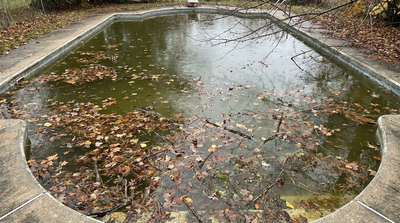
Green water means algae has established during winter. Do not add shock until the physical cleaning is done. Brush the entire pool, vacuum to waste if possible to remove the debris rather than sending it through the filter, then shock with a double or triple dose. Run the pump continuously and retest every 24 hours.
Why Is Sand Blowing Back Into My Pool?
Sand appearing at the return jets means a lateral or standpipe in the sand filter is cracked. Turn off the pump and inspect the filter internals. Replace the damaged lateral before running the system again.
FAQs
When should I open my pool?
When overnight temperatures are consistently above 50°F. Opening earlier is possible but means more chemical work and more frequent adjustments. There is no advantage to opening while nights are still cold.
Do I need to clean the pool before adding chemicals?
Yes. Organic debris consumes chlorine before it can treat the water. Skimming, brushing, and vacuuming first means the chemicals you add go toward treating the water rather than reacting with debris. Physical cleaning always comes before chemistry.
What is the correct order to add pool chemicals?
Always in this order: total alkalinity first, then calcium hardness, then pH, then cyanuric acid if needed, then chlorine shock, then algaecide. Each step affects how the next chemical performs. Running them out of order reduces effectiveness and can create overcorrection.
How long should I run the pump when opening the pool?
Run it continuously for the first 24 to 48 hours after adding chemicals. This gives the filtration system time to process the water fully. After that initial period, your regular daily run time based on pool volume and turnover rate applies.
How do I know if my water is ready to swim in?
Test the water 48 hours after shocking. Free chlorine should be between 1 and 3 ppm, pH between 7.4 and 7.6, and total alkalinity between 80 and 120 ppm. If chlorine is still above 5 ppm, wait another 12 to 24 hours and test again before swimming.