Flagship


 Sora Series


 AquaSense Series


 Skimmer & Bundle

 Retail Edition


 Accessories



 Extended Warranty


A pool that loses more than a quarter inch of water per day beyond normal evaporation likely has a leak. Left unrepaired, even a small leak can waste thousands of gallons per month, undermine the surrounding soil, and damage the pool's structural foundation. Most pool leaks can be found with a bucket test and a dye test before you ever need to call a professional, and many of the repairs are straightforward enough to handle yourself.
How Do You Confirm Your Pool Is Actually Leaking?
The bucket test separates a real leak from normal evaporation. Place a bucket on a pool step, fill it with water to match the pool's water level, and mark both levels with tape or a marker. Wait 24 to 48 hours with the pump running as usual. If the pool water drops noticeably more than the water inside the bucket, your pool is leaking. If both levels drop at roughly the same rate, evaporation is the cause.
Run the test a second time with the pump off. If water loss increases when the pump is running but slows or stops when the pump is off, the leak is most likely on the pressure side of the plumbing, somewhere in the return lines or the equipment pad. If the loss rate stays the same regardless of pump status, the leak is more likely in the pool shell, fittings, or suction-side plumbing.

Other early signs worth watching for: unexplained spikes in your water bill, soggy or soft spots in the yard near the pool, cracks in the surrounding deck, or persistent algae growth even with proper chemical balance.
What to Check for During a Pool Leak Inspection
Start at the equipment pad. Look for drips, corrosion, or wet ground around the pump, filter, heater, and any visible plumbing connections. Even a slow drip at a union fitting or a cracked valve body can account for significant water loss over a week.
Move to the pool itself. Inspect the skimmer throat where it meets the concrete or the liner. Check the face plates on all return jets by hand for looseness. Look at the main drain cover for cracks. Examine the light niche and the conduit seal behind it. If your pool has a vinyl liner, scan for small tears, punctures, or areas where the liner has pulled away from the bead track.
Pay attention to where the water level settles if you let the pool sit without refilling. If the level consistently stops dropping at a specific height, the leak is likely at that elevation, often around a return fitting, light niche, or skimmer throat.
Walk the perimeter of the yard. Unusually green or fast-growing patches of grass near buried plumbing runs point to underground leaks. Standing water or erosion channels along the equipment pad plumbing can indicate a joint failure. Note every suspicious spot for dye testing.
How to Use Leak Detection Dye to Find the Exact Source
Turn off the pump and let the water go completely still. Using a pool leak detection dye kit, gently release a small amount of dye near each suspected area, holding the syringe or bottle about an inch away from the surface. If the dye gets pulled into a crack, gap, or fitting, water is actively escaping through that point. If the dye disperses and drifts, that spot is not the source.

Test the most common areas first: the skimmer connection to the pool wall, each return jet face plate, the light niche seal, and the main drain. For vinyl liner pools, work your way along any visible wrinkle or discoloration. Move slowly, test one area at a time, and wait for the water to resettle between spots so residual current does not give a false reading.
For deeper or hard-to-reach areas, swim goggles and a snorkel let you release dye while submerged near floor-level cracks in concrete or plaster pools.
Where Do Most Pool Leaks Happen?
Pool leaks concentrate in a few predictable spots where the pool shell is penetrated by fittings or plumbing, or where different materials meet. Focusing your inspection and dye testing on these areas first saves time.
Skimmer
The skimmer is the most frequent source. On concrete and plaster pools, the joint between the skimmer body and the pool wall is sealed with putty or caulk that deteriorates over years of temperature cycling and ground movement. A failed skimmer seal often shows up as water loss that speeds up when the pump is running, because suction pulls water through the compromised joint.
Return Fittings
Return fittings rank second. The threaded face plate and the pipe connection behind it are both potential failure points. Loose face plates can be tightened by hand or with a specialty wrench, but a cracked fitting body behind the wall requires cutting into the plumbing.
Light Niche
The light niche is common but often overlooked. The conduit pipe that runs from the back of the light fixture to the junction box carries electrical wiring, but it also provides a direct path for water to travel behind the pool wall. If the conduit was not properly sealed during installation, or if the sealant has aged, water will follow the conduit and emerge in the ground behind the pool.
Underground Plumbing
Underground plumbing leaks are harder to find without professional equipment. If your bucket test shows a pressure-side leak and you cannot locate it at the equipment pad or return fittings, the problem may be a cracked pipe or a failed joint buried under the deck or yard. Signs include wet soil along the plumbing run, sudden sinkholes or settling near the pool, or air bubbles entering the pump basket.

Vinyl Liner
Vinyl liner pools add another category. Small tears, punctures from sharp objects, or separation at seams and bead tracks can all cause leaks. These are usually found through a close visual sweep of the entire liner surface, sometimes requiring underwater inspection along the floor and lower walls.
How to Fix a Pool Leak
Many common pool leak repairs can be handled without draining the pool.
Plaster and Concrete Cracks
For cracks in plaster or concrete, two-part underwater epoxy putty is the standard fix. Clean the area around the crack, knead the putty until the two components are fully mixed, and press it firmly into the crack while submerged. The putty cures underwater and bonds to concrete. Small hairline cracks respond well to this approach, but larger structural cracks may need professional plaster repair or shotcrete work.
Vinyl Liner Tears
Vinyl liner tears have two main repair options. Peel-and-stick vinyl patches work well for small punctures and tears. They are pre-cut, require no adhesive, and can be applied underwater by pressing firmly over the damaged spot. For larger tears or areas under tension near steps and fittings, a vinyl patch kit with liquid adhesive creates a stronger bond.
Cut the patch larger than the tear, apply the adhesive, fold it, carry it underwater, and press it over the damage from the center outward to push out air bubbles. If the liner is more than 10 years old and has become thin or brittle, patching may not hold long and full liner replacement is worth considering.
Fittings, Skimmers, and Light Conduits
Leaking return fittings sometimes only need to be hand-tightened or have their gaskets replaced. If the fitting body is cracked, replacement requires cutting the pipe behind the wall and installing a new fitting assembly. Skimmer leaks at the wall joint are often resealed with a two-part pool putty or a specialized skimmer gasket kit, applied from inside the skimmer throat.
Light conduit leaks are sealed by pulling the light fixture from the niche and applying a silicone-based or cord-type sealant around the conduit opening.
Underground Plumbing
For underground plumbing leaks, the repair usually involves digging down to the failed joint, cutting out the damaged section, and gluing in a new PVC coupling. This is where a professional with pressure-testing equipment is worth the cost, since the exact location of the break needs to be confirmed before digging.
After any repair, run the bucket test again over 24 to 48 hours to confirm the water loss has stopped. If you had underground plumbing repaired, allow the surrounding ground a few days to dry before testing.
How Regular Maintenance Helps Prevent Leaks
Most pool leaks develop gradually from conditions that routine maintenance can control. Scrubbing the waterline on a regular basis removes chemical buildup and mineral deposits before they degrade the sealants around fittings and the skimmer joint.
Keeping water chemistry balanced, particularly pH and calcium hardness, protects plaster, grout, and metal fittings from the corrosion that opens new pathways for water loss. Clearing debris from the pool floor and walls prevents organic material from trapping moisture against the surface, which accelerates wear on plaster and liner materials over time.
Periodically checking return fittings, skimmer gaskets, and light niche seals for early signs of looseness or wear catches small problems before they become active leaks. Inspecting the expansion joint between the pool coping and the deck also matters, because a failed caulk line there allows rainwater and runoff to erode the soil behind the pool wall.
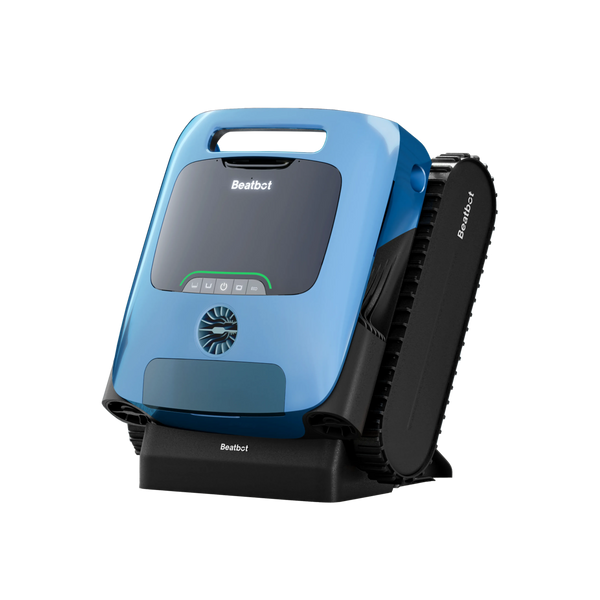
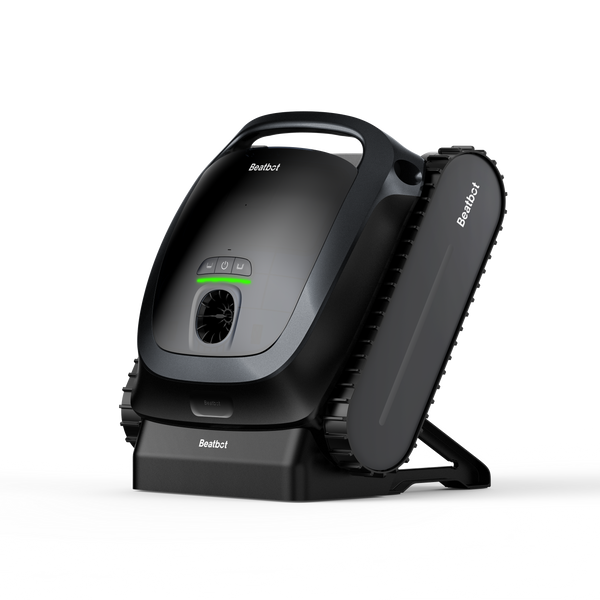
The waterline is the area most often skipped during manual cleaning, and it is where chemical deposits do the most damage to sealants. The Beatbot AquaSense 2 Ultra robotic pool cleaner scrubs the waterline twice during each pass, loosening and removing the mineral and chemical film that breaks down putty and caulk over time.
Its 150 μm dual-layer filtration captures the fine particles that settle on pool surfaces. The AquaSense 2 Ultra covers the floor, walls, waterline, water surface, and water clarification through its ClearWater™ system in a single cycle, so the cleaning that protects against surface degradation happens on a consistent schedule.

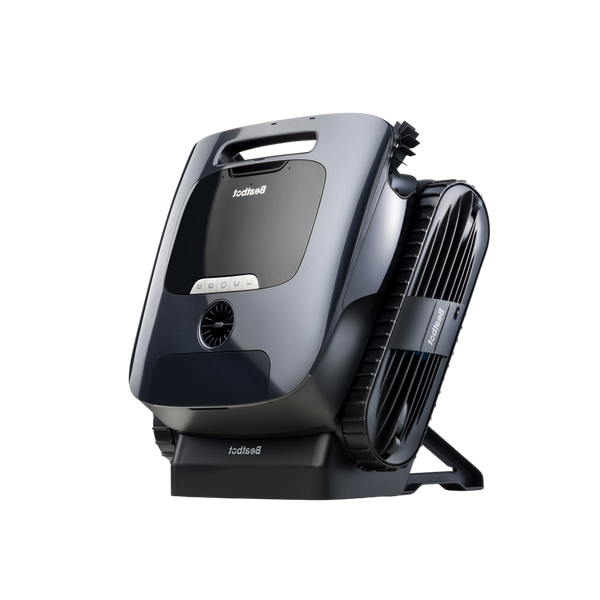
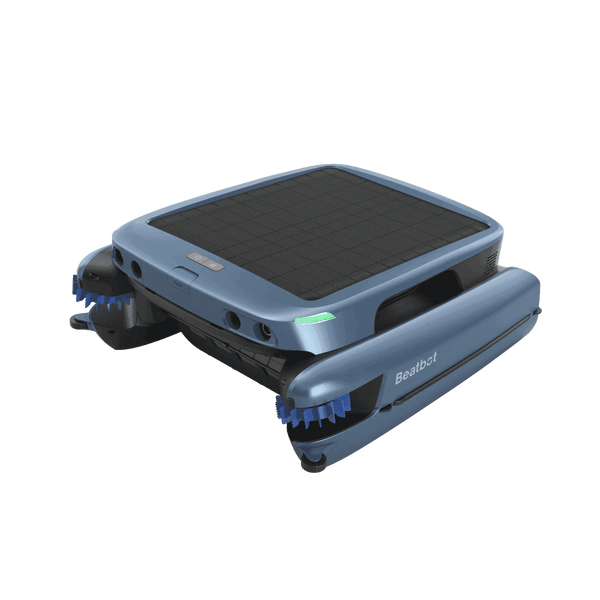
Leaves, pollen, and insects that sit on the water surface eventually sink and decompose against the pool shell, accelerating plaster and liner wear. The Beatbot Sora 70 cordless pool robot captures floating debris before it reaches the bottom, using its JetPulse™ twin-jet system to guide surface material into a 6L filter basket. It handles floor, wall, waterline, and water-surface cleaning in one cycle.
Running a bucket test once a month during pool season gives you a consistent baseline. If your average daily loss starts creeping up, you catch a developing leak while it is still a small fix.
When Should You Call a Leak Detection Professional?
If your bucket test confirms a leak but dye testing every accessible fitting, skimmer, light, and drain comes up negative, the leak is likely in the underground plumbing. Professionals isolate each plumbing line and pressurize it independently.
A drop in pressure pinpoints which line has the breach. Once the compromised line is identified, acoustic detection equipment listens for the sound of water escaping under pressure and can narrow the location to within a few inches, which keeps excavation targeted and minimal.
Structural cracks that extend through the gunite or shotcrete shell also warrant a professional assessment, because the repair method depends on whether the crack is active and whether the underlying soil has shifted. The same applies if your deck is separating from the pool coping or if sinkholes are forming near the pool.
A qualified pool leak detection company typically charges between $150 and $500 for a full diagnostic, depending on pool size and complexity.
FAQs
Can a pool leak cause foundation damage to my house?
Yes. A persistent leak can saturate the soil near your home's foundation, causing shifting, settling, or hydrostatic pressure against basement walls. Pools within 10 feet of the house warrant faster attention when a leak is suspected.
Does pool leak detection dye work on above ground pools?
It works the same way. Above ground pools most commonly leak at the skimmer and return fitting gaskets or through small punctures in the vinyl liner. The dye method is especially effective on above-ground liners because they are thinner and punctures tend to draw dye visibly.
Where does the water go when a pool leaks underground?
Leaked water saturates the surrounding soil and follows the path of least resistance toward lower ground, drainage systems, or your home's foundation. In sandy soil, it can travel a surprising distance. In clay-heavy soil, it tends to pool closer to the source, sometimes creating visible soft spots or raising the local water table enough to push moisture into nearby structures.
What happens if a pool leak is ignored?
Water loss accelerates soil erosion around the pool, which can cause the deck to crack, the pool shell to shift, and buried plumbing joints to separate further. Ongoing leaks also keep chemical balance unstable, promote algae growth, and increase monthly water and chemical costs. A small leak that costs under $200 to fix can lead to structural repairs costing several thousand dollars if left long enough.
Do pool leak sealers work?
Pour-in leak sealers can temporarily slow very small leaks in the pool shell by depositing material at the point where water escapes. They are unreliable for plumbing leaks, fitting leaks, or anything larger than a hairline crack. Most pool professionals consider them a short-term stopgap rather than a real repair, and the residue can clog filters and complicate later fixes.