Most Popular


 Sora Series


 AquaSense Series

 Skimmer & Bundle

 Retail Edition


 Accessories


It depends on the pool type. A concrete or gunite pool takes 3 to 6 months from breaking ground to the first swim. A fiberglass inground pool takes 3 to 6 weeks. A vinyl liner inground pool takes 4 to 8 weeks. An above-ground pool takes one to five days depending on size and type.
Permits are not included in those numbers, and they can add weeks or months before construction even starts. The biggest single time variable for concrete pools is the 28 to 30-day mandatory curing period, which cannot be shortened regardless of weather or contractor effort.
How Long Each Pool Type Takes to Build
Pool type is the biggest variable in the construction timeline. The numbers below reflect total time from breaking ground to swim-ready, not including permits or design.
|
Pool Type |
Shell / Structure |
Total (incl. finishing) |
Main Time Driver |
|
Above-ground |
1–2 days |
1–5 days |
Assembly complexity |
|
Fiberglass inground |
1–3 days |
3–6 weeks |
Excavation, decking, finishing |
|
Vinyl liner inground |
2–3 weeks |
4–8 weeks |
Frame build, liner fit, finishing |
|
Concrete / gunite |
1–2 weeks (shell) |
3–6 months |
28–30 day mandatory cure time |

Why Does a Concrete Pool Take So Much Longer?
The 28 to 30-day curing period is the reason. After the gunite or shotcrete is applied to form the pool shell, the concrete must cure at full depth before any finishing work can begin. This is a chemical process governed by physics, not contractor schedule. No amount of additional labor or resources can speed it up.
During the cure period, ancillary work like plumbing, electrical, and decking forms can continue, but the interior finish, which includes plaster, pebble, or tile, cannot be applied until the shell has fully cured. This phase alone adds a month to the minimum timeline before the pool can be filled.
The benefit of that waiting period is flexibility. Concrete pools can be built in almost any shape, size, or depth. The customization options that vinyl and fiberglass cannot match are entirely possible with concrete. The trade-off is time and cost. If a 3 to 6 month build window fits your planning horizon, concrete is the most flexible option. If you want to swim this season, fiberglass is the more realistic path.
Why Fiberglass Pools Install So Much Faster
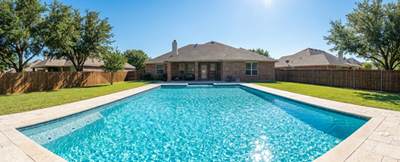
Fiberglass pools are manufactured off-site as a complete shell. By the time the pool arrives at your property, the structural work is already done. The on-site process is excavation, shell placement, plumbing and electrical connection, backfill, and finishing. The shell itself goes into the ground in one to three days. Everything else builds from there.
The trade-off is less design flexibility. Fiberglass pools come in manufacturer-set shapes, sizes, and depths. You cannot specify a custom shape the way you can with concrete. Within those constraints, fiberglass delivers the fastest path from contract to swimming.

Phase-by-Phase Timeline for Building an Inground Pool
Every pool project moves through the same stages. The time each stage takes varies by pool type, location, and project scope.
|
Phase |
Typical Duration |
What Can Extend It |
|
Design and contractor selection |
2–8 weeks |
Custom features, multiple bids |
|
Permits and approvals |
1–12 weeks |
Local backlog, HOA review, utility checks |
|
Excavation |
1–3 days |
Rocky soil, poor access, utility lines |
|
Shell installation or forming |
1 day (fiberglass) to 2 weeks (concrete) |
Pool size, site conditions |
|
Plumbing and electrical |
3–7 days |
Custom features, inspection scheduling |
|
Concrete curing (concrete pools only) |
28–30 days |
Temperature and humidity (cannot be shortened) |
|
Decking, coping, and finishing |
1–4 weeks |
Material choice, weather, landscaping scope |
|
Water fill, chemistry, and inspection |
2–5 days |
Local inspection schedule |
The permit phase catches most homeowners off guard. In some municipalities, permits are processed in a week. In others, with HOA review, utility locates, engineering sign-off, and building department backlog, the wait can stretch to three months or longer.
Starting the permit application before finalizing the design saves weeks on the front end. If you want the pool finished by a specific date, work backward from that date and confirm permit timelines with your local authority before signing a contract.

What Actually Delays Pool Projects
Weather
Rain delays excavation and concrete work. Concrete cannot be poured in freezing temperatures, and pool plaster applied in extreme heat cures unevenly. Spring and early summer are the highest-demand periods for pool contractors, which means longer scheduling queues. Starting the process in late summer or fall for a spring completion often results in faster permit processing and easier contractor availability.
Soil and site conditions
Rocky soil significantly slows excavation. Pools near the water table require dewatering during construction. Unstable soil may need additional engineering before excavation can begin. These are site-specific variables that contractors can assess during the initial site visit but cannot fully predict until excavation starts.
Custom features
Every feature added beyond a standard pool extends the timeline. Waterfalls, grottos, attached spas, in-floor cleaning systems, and elaborate lighting all add design time, material lead time, and inspection requirements.
Each custom feature is also another coordination point between subcontractors, which introduces scheduling risk. If the timeline matters more than the feature list, keep the initial build as straightforward as possible and add features in future seasons.
Contractor availability
Experienced pool contractors in high-demand markets book months in advance. A contractor who can start immediately is not always a good sign. The gap between contract signing and groundbreaking is often two to four months even before permits are considered. Factor this into your planning alongside the construction timeline itself.

How Long Does an Above-Ground Pool Take to Build?
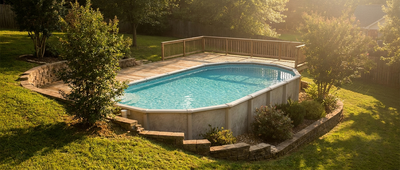
An above-ground pool takes one to five days to set up depending on the type. Inflatable and soft-sided frame pools go up in hours. Permanent steel wall or hybrid pools with full perimeter decking take two to five days for the pool itself, with additional time if you are building a substantial deck structure around it.
Permits are less commonly required for above ground pools, but requirements vary by jurisdiction. Check with your local building authority before assuming none are needed. Some areas require permits and inspections for above ground pools above a certain depth or with attached decking structures.
Setting Up Your Pool for Day-One Use
Once the pool is built and filled, physical cleaning is the first ongoing maintenance task. The floor, walls, and waterline need attention from the first week, and surface debris management starts immediately if you are near trees or in a high-pollen environment.
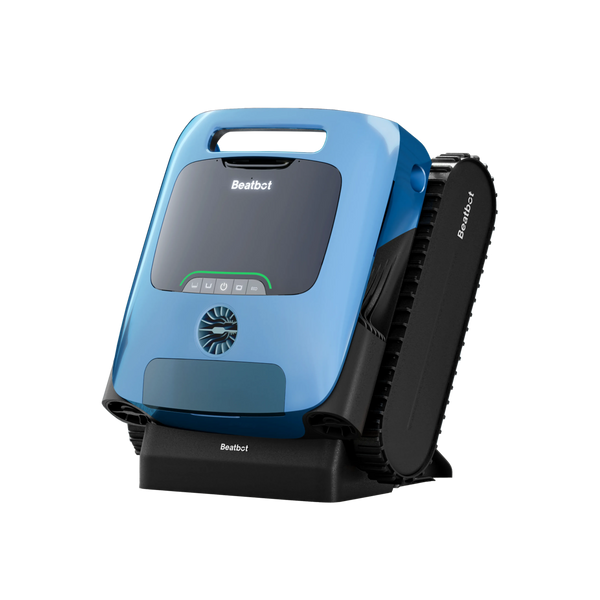
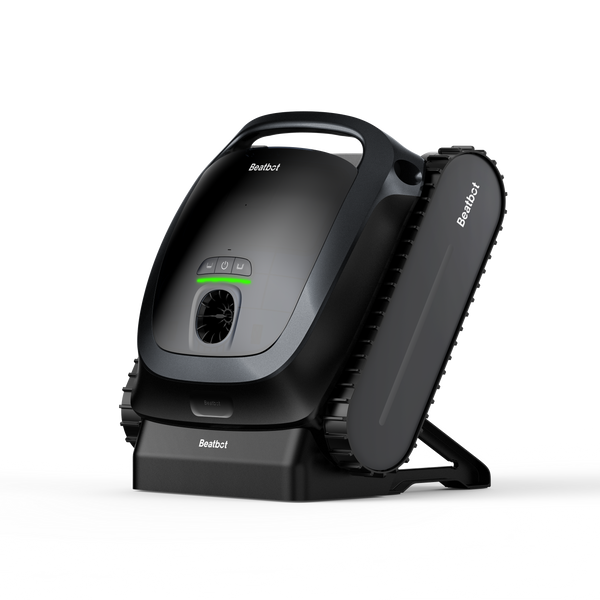
Cordless robotic pool cleaners work from day one without any additional plumbing setup. They run on battery power, connect to the pool via the Beatbot app, and clean independently from your filtration system.
For a newly completed pool, where the walls and floor often collect construction dust, fine particles, and initial algae pressure, running a robotic cleaner in the first week prevents that buildup from setting before the chemistry is fully established.
For pool owners who want the most hands-off long-term setup, the Beatbot AquaSense X robotic pool cleaner pairs the robot with an AstroRinse self-cleaning station.
After each cycle the robot docks and the station automatically rinses the filter, so the system runs through full seasons without manual filter intervention. The Beatbot AquaSense 2 Ultra robotic pool cleaner uses HybridSense AI camera mapping and 27 sensors to plan its cleaning path and covers the floor, walls, waterline, and water surface.
For pools in wooded or high-debris environments where surface cleaning matters from the start, the Beatbot Sora 70 robotic pool cleaner handles the water surface along with all underwater zones. The Beatbot Sora 30 robotic pool cleaner covers the floor, walls, waterline, and shallow platforms, and works in both inground and above ground pools.

FAQs
How long does it take to build a concrete pool?
A concrete or gunite pool takes 3 to 6 months from excavation to the first swim. The mandatory concrete curing period of 28 to 30 days is a fixed time requirement that cannot be compressed. Add to that excavation, shell forming, plumbing and electrical, decking, interior finishing, and final inspection, and a four-month timeline is realistic for a standard build.
How long does a fiberglass pool take to install?
A fiberglass pool shell goes into the ground in one to three days once excavation is complete. Total project time from start to swim-ready, including decking, coping, plumbing, electrical, and finishing, is typically 3 to 6 weeks. Weather, site conditions, and inspection scheduling are the main variables that push it toward the longer end of that range.
How long do permits take for a pool?
Permit timelines vary widely by municipality. Simple applications in low-backlog areas can be approved in one to two weeks. In areas with HOA review requirements, engineering sign-off, or busy building departments, the wait can stretch to two to three months. Start the permit application as early as possible, ideally before finalizing the design, to avoid it becoming the longest part of your total project timeline.
What time of year is best to start building a pool?
Late summer through fall is often the best time to start the planning and permitting process for a pool you want ready the following summer. Contractor availability is higher, permit processing tends to be faster, and you avoid competing for spring build slots. Concrete work should not start in freezing temperatures, but planning and permitting can happen year-round.
Can bad weather delay a pool build?
Yes. Rain delays excavation and concrete pouring. Freezing temperatures prevent concrete work entirely. A single significant rain event can push a project back by a week if the site does not drain well. Building in a weather contingency of two to four weeks on your expected completion date is realistic for most geographic areas.