Most Popular


 Sora Series


 AquaSense Series

 Skimmer & Bundle

 Retail Edition


 Accessories


A saltwater chlorine generator does not replace chlorine with salt. It uses salt to make chlorine, on demand, inside your pool equipment.
Pool water flows through a cell fitted with titanium plates, a low-voltage current splits sodium chloride into its chemical components, and the result is the same active sanitizer found in chlorine tablets. Once that sanitizer does its job, it reverts back to salt and the cycle repeats. You never run out of chlorine because the system keeps producing it whenever the pump runs.
What Happens Inside the Salt Cell
The salt cell sits in the return line after your filter, so water passes through it before re-entering the pool. Inside the cell, a series of titanium plates carry an electrical charge. When salt-containing water flows across those plates, electrolysis breaks the sodium chloride (NaCl) molecules apart. The sodium recombines with water to form sodium hypochlorite, and chlorine gas dissolves directly into the water as hypochlorous acid. Both are active sanitizing agents.
The plates are coated with ruthenium or iridium oxide to increase efficiency and extend service life. Most cells are rated to last 7,000 to 10,000 hours of operation before the coating degrades enough to affect output. At that point the cell needs replacement, not the entire generator.
Because the system only produces chlorine while the pump is running, runtime matters. A pool that runs its pump four hours a day will need the cell output set higher than one running eight hours. Most control units let you set output as a percentage and adjust it seasonally.
|
Component |
What It Does |
|
Control unit |
Regulates output level, monitors salt concentration, and runs self-cleaning cycles on the cell |
|
Salt cell (electrolytic cell) |
Contains titanium plates coated with ruthenium or iridium; passes a low-voltage current through pool water to split sodium chloride into chlorine |
|
Flow sensor |
Confirms water is moving through the cell before energizing the plates, preventing dry-run damage |
|
Salt |
Pool-grade sodium chloride, typically maintained at 2,700–3,400 ppm; not consumed by electrolysis, only lost through splash-out and backwashing |
If the salt level falls below the target range, the controller typically alerts you and reduces output to protect the cell.
How Much Salt a Saltwater Pool Needs
Most salt chlorine generators call for a salinity range of 2,700 to 3,400 parts per million (ppm), though the exact target varies by manufacturer. At 3,000 ppm, the water is roughly 10 times less salty than the ocean and well below the threshold most people can taste or feel.
Salt is not consumed by electrolysis. The same sodium that gets split apart to make chlorine eventually recombines and returns to salt form after sanitizing. Levels only drop when water leaves the pool through splash-out, overflow, or backwashing. A typical pool needs salt added two or three times per season under normal conditions, not weekly.

Why Salt Systems Raise pH and What to Do About It
Electrolysis produces sodium hypochlorite, which is alkaline. Over time this pushes pool pH upward, typically above 7.8 if left unchecked. High pH reduces how effectively chlorine sanitizes: at a pH of 8.0, only about 21% of the available chlorine is in its active hypochlorous acid form. At 7.2, that figure rises to around 66%. The sanitizing system works correctly, but pH drift limits how much of that output actually disinfects.
Keeping pH between 7.2 and 7.6 usually requires periodic additions of muriatic acid or dry acid. Some pools need this weekly during heavy use, others only monthly. Automatic pH dosing systems can handle this without manual intervention, though they add cost and one more component to maintain. Carbon dioxide injection is another option that lowers pH without introducing extra chemicals.
This pH tendency is the most common reason pool owners underestimate the ongoing maintenance that comes with a salt system. The chlorine side largely takes care of itself. The pH side still needs attention.
Salt Chlorine Generator Maintenance
Salt generators reduce the frequency of chemical additions but do not eliminate pool chemistry management. The practical maintenance list is shorter than with tablets, but a few tasks are specific to the equipment itself.
The salt cell should be inspected every one to three months depending on your water's calcium hardness. Calcium deposits form on the titanium plates and reduce output efficiency.
Many modern units include a self-cleaning or reverse-polarity mode that runs automatically to minimize buildup, but manual acid washing is still sometimes needed. The procedure involves soaking the cell in a diluted muriatic acid solution until deposits dissolve, which typically takes 10 to 15 minutes.
Beyond the cell, standard pool chemistry applies: total alkalinity (80 to 120 ppm), calcium hardness (200 to 400 ppm), and cyanuric acid levels (70 to 80 ppm for saltwater pools exposed to sunlight) all affect how efficiently the generator performs. A salt system that is otherwise working correctly will still produce inadequate chlorine if cyanuric acid is too low, because UV degrades the chlorine faster than the cell can replace it.

Is a Salt Chlorine Generator Worth It
A salt generator costs more upfront than a basic tablet feeder, and it adds one more piece of equipment that can fail. The cell itself needs replacement every five to seven years on average. These are real costs to factor in.
What you get in return is a more consistent chlorine level. Tablet-based chlorination creates a wave pattern: chlorine is high right after you add tablets and lower as they dissolve. A generator produces chlorine continuously while the pump runs, keeping levels steadier and giving algae less opportunity to take hold between additions.
Saltwater pools also tend to be gentler on swimwear, eyes, and skin compared to pools with accumulated chloramines. The difference is most noticeable for frequent swimmers or households where the pool sees daily use.
The salt generator makes the most economic sense for pools used heavily enough that chemical costs add up, and for owners who prefer automation over weekly manual chlorination. For a pool that sees light use two or three times a week, the convenience argument is weaker, and the payback period on the equipment investment is longer.
Debris, Chlorine Demand, and Robotic Pool Cleaners
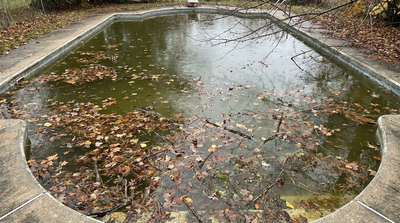
Organic debris such as leaves, pollen, and body oils creates chlorine demand — the system has to work harder to keep up when debris load is high rather than maintaining steady baseline sanitization. Removing debris consistently gives the generator more headroom.
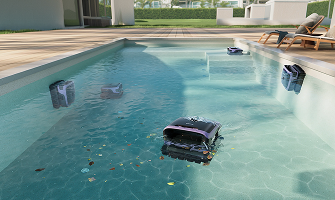
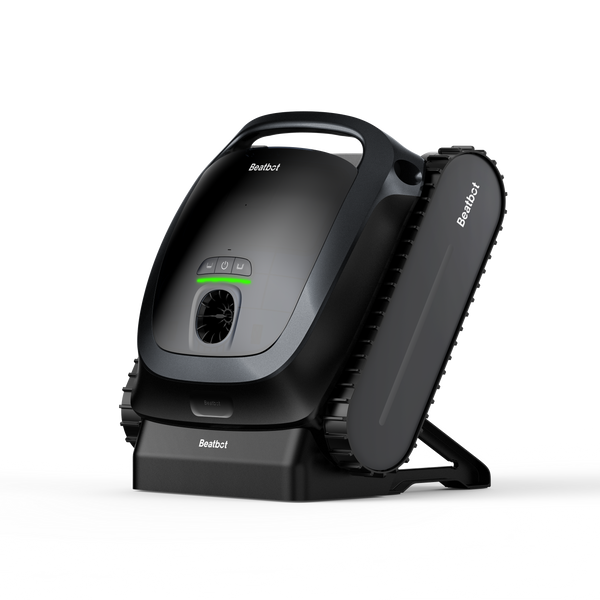
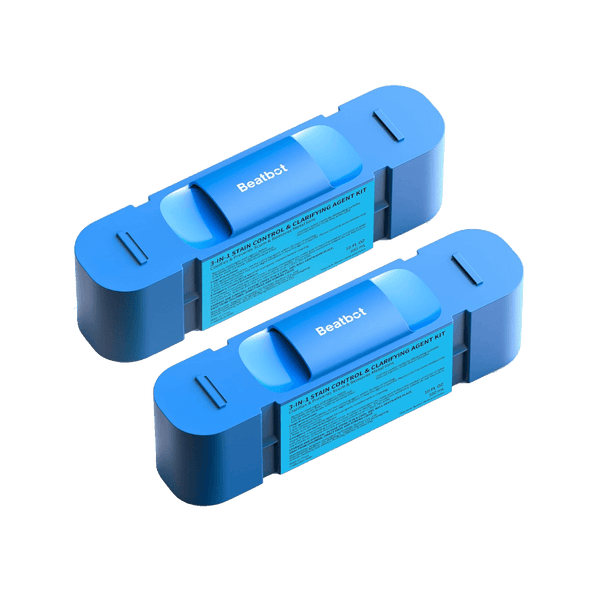
The Beatbot AquaSense 2 Pro robotic pool cleaner addresses this directly. Its ClearWater™ system dispenses a natural chitosan-based clarifier while the robot cleans, binding fine particles and oils into larger clumps that the pool filter can capture more easily.
Paired with 5-in-1 coverage across the floor, walls, waterline, and water surface, it reduces both the visible debris load and the suspended particulate matter that strains both filtration and chlorination.
For pools where surface debris is the primary concern, the Beatbot Sora 70 robotic pool cleaner uses JetPulse™ technology: twin water jets on each side create inward and outward flows simultaneously, actively funneling floating leaves, pollen, and insects toward the suction inlet rather than deflecting them. At 6,800 GPH, it handles heavy surface loads before organic matter breaks down and compounds the chlorine demand on your salt generator.

FAQs
Can you over-salt a pool?
Yes. Salinity above 6,000 ppm can damage pool equipment, particularly metal fittings, and may exceed the cell's rated tolerance. Most controllers display a warning before levels get that high, but it is worth testing manually if you suspect an overfill from a bulk salt addition.
What are the signs of low salt in a pool?
The most common sign is a low-salt alert on the control unit display. Before that triggers, you may notice the generator reducing output or shutting off automatically. Chlorine levels will drop even when the cell is otherwise functioning correctly. Testing the water with a salt test strip or digital meter confirms whether salinity has fallen below the generator's minimum threshold.
How long does it take for a salt generator to make chlorine?
Chlorine production begins as soon as the pump runs and water flows through the cell. There is no startup delay — electrolysis happens continuously during pump operation. If chlorine levels are low, the generator will catch up over the next full pump cycle, typically within a few hours of normal runtime.
How do I know if my salt cell needs replacing?
The clearest signs are consistently low chlorine output despite correct salt levels and pH, or visible corrosion on the cell plates that does not clear after acid washing. Most controllers include a cell life indicator that tracks cumulative operating hours.
Do I still need to shock a saltwater pool?
Occasionally, yes. Heavy rain, a large pool party, or an algae bloom can temporarily overwhelm the generator. Shocking with granular calcium hypochlorite or sodium dichloro brings chlorine up quickly when the generator cannot respond fast enough on its own.