Most Popular


 Sora Series


 AquaSense Series

 Skimmer & Bundle

 Retail Edition


 Accessories


Pool filter pressure is the single fastest indicator of whether your filtration system is working properly. Most residential filter systems operate somewhere between 10 and 25 PSI, but the number itself matters less than what is normal for your specific setup.
A pressure gauge reading that climbs 8 to 10 PSI above your clean baseline means it is time to backwash or clean the filter. A reading that drops below baseline points to a blockage or air leak before the pump. Understanding both directions, and what causes them, is what keeps your water clear and your equipment running the way it should.
What Is a Normal Pool Filter PSI?
There is no single correct PSI that applies to every pool. Normal filter pressure depends on your pump size, filter type, number of skimmer lines, pipe diameter, and how much resistance exists throughout the system. A clean sand filter on one pool might sit at 9 PSI, while a clean cartridge filter on a larger system might read 18 PSI. Both can be perfectly healthy.
The only way to know your normal is to establish a clean baseline. After thoroughly backwashing a sand or DE filter, or after rinsing a cartridge filter, start the system and let it reach full operating speed. Whatever the gauge reads at that point is your starting pressure. Write it on the filter tank with a permanent marker or note it in your pool log. Every reading afterward is relative to that number.
|
Gauge Reading |
What It Likely Means |
Action |
|
At clean baseline |
System running normally |
No action needed |
|
5–8 PSI above baseline |
Filter getting dirty |
Plan a cleaning soon |
|
8–10+ PSI above baseline |
Filter needs cleaning now |
Backwash or clean filter |
|
Below baseline |
Flow restriction before pump |
Check baskets, pump, and lines |
|
Zero or no movement |
Gauge failure or valve issue |
Inspect gauge and valves |
Every time you make a significant change to your system, such as replacing the pump, adding a heater, or switching filter media, re-establish your clean baseline. The old number no longer applies.
High Pool Filter Pressure: Causes and Fixes

High filter pressure means water is struggling to move through or past the filter, with the restriction always on the output side of the pump.
Dirty Filter Media
This is the most common cause of high pressure, and the easiest to rule out first. As sand, DE grids, or cartridge elements trap debris over time, they restrict water flow and force the pressure gauge upward. Backwash a sand or DE filter until the return water runs clear, or remove and rinse the cartridge with a garden hose. If pressure drops back toward baseline afterward, the filter was simply dirty and the system is working as designed.
Closed or Partially Closed Return Valves
Any valve on the pressure side of the pump that is not fully open will drive pressure up. This is especially common after maintenance work when someone forgets to reopen a valve completely. Walk the return line and confirm every valve is fully open before assuming there is a deeper problem.
Air Trapped Inside the Filter
Air that accumulates at the top of the filter tank can artificially raise the pressure reading. Most pool filters have a manual air relief valve, sometimes called a bleeder valve, on top of the tank. To release the air, start the pump and let it reach full operating speed, then open the bleeder valve slowly with the valve key or by hand.
Air will hiss out first, followed by a thin stream of water. Once water runs steadily without sputtering, close the valve. If air keeps building up between cleanings, there is likely an air leak on the suction side that needs attention separately.
Worn or Calcified Filter Elements
Cartridge filters that have been in use for several seasons can develop calcium deposits or channeling that makes them resistant to cleaning. If pressure stays high after a thorough rinse or backwash, the filter media itself may need replacement. For DE filters, torn grids allow DE powder to coat unevenly, creating similar resistance. A filter element that no longer responds to cleaning should be replaced.
Broken Internal Valve Parts
For sand filters with a multiport valve, cracked valve seats or broken internal components can disrupt normal flow patterns and push pressure up. If you have ruled out a dirty filter and closed valves, the multiport valve is worth inspecting. A push-pull valve with internal damage can cause the same issue.
Faulty Pressure Gauge
A gauge that is stuck or reading incorrectly can make normal pressure look elevated. To check whether the gauge itself is the problem, run through this short diagnostic. With the pump running, tap the gauge face gently with one finger. If the needle does not move at all, the mechanism is likely seized. Shut off the pump and watch the needle.
A working gauge returns to zero within a few seconds. A needle that stays put or drifts back slowly is unreliable. Finally, compare the reading to a second gauge if you have one available, or to your written baseline. Any gauge that fails any of these checks should be replaced. Pressure gauges are inexpensive, and trusting a faulty one will lead you in circles.
Low Pool Filter Pressure: Causes and Fixes

Low filter pressure means water is not reaching the pump at the volume needed to maintain normal operating pressure. A low reading always points to something on the suction side, before or at the pump.
Clogged Skimmer or Pump Baskets
The skimmer basket and the pump strainer basket are the first lines of defense against debris. When either one is packed with leaves, dirt, or organic material, water flow to the pump drops sharply and pressure falls. Check and empty both baskets first.
Air Leak on the Suction Side
Any point where air can enter the system between the pool water and the pump impeller will reduce pressure and can cause the pump to surge or lose prime. The most common entry points are the pump lid o-ring, union fittings, and the thread connections on valves. Inspect the pump lid o-ring, lubricate it with a silicone-based lubricant, and confirm the lid is tight. A gurgling sound from the pump while running is a reliable indicator of an air leak.
Low Pool Water Level
When the water level drops below the midpoint of the skimmer opening, the skimmer starts pulling air instead of water, which reduces flow to the pump and can cause it to lose prime entirely. Bring the water level up to the middle of the skimmer opening.
Clogged Pump Impeller
Fine debris, hair, and small particles can pass through the baskets and get lodged in the pump impeller. A partially blocked impeller cannot move water efficiently, which shows up as low pressure. With the pump power off and the circuit breaker off, open the pump housing and clear any debris from the impeller cavity.
Closed or Partially Closed Suction Valves
Main drain and skimmer valves that are partially closed restrict water into the pump. After any maintenance work, confirm all suction-side valves are fully open.
Collapsed or Cracked Suction Pipes
Underground suction pipes that have been damaged by freezing, root intrusion, or age can collapse partially, creating a persistent restriction that does not respond to any of the above fixes. This is less common but worth considering if all other causes have been ruled out.
Pool Filter Pressure That Fluctuates or Surges
A pressure gauge that swings up and down while the pump is running points to inconsistent water flow rather than a steady restriction. The most common cause is air entering the suction side intermittently. Check the water level first, since a level near the bottom of the skimmer opening will pull air in waves as water sloshes. Inspect the pump lid o-ring and all suction-side fittings for small leaks that only let air in under certain conditions.
Surging can also come from a partially clogged skimmer line or main drain, where debris occasionally moves and changes the flow rate. If baskets and o-rings check out, the next step is to isolate which suction line is the source by closing one off at a time and watching whether the gauge stabilizes.
A failing pump impeller bearing or a worn pump shaft seal can produce uneven flow as well, though these usually come with audible symptoms such as grinding or whining from the pump motor.
Pool Filter Pressure Gauge Problems
If the needle does not return to zero when the pump shuts off, the internal mechanism is likely bent or seized. Plastic gauge bodies can warp under UV exposure, and metal gauges can rust at the pin that holds the needle. Standard pool filter gauges read 0 to 60 PSI and use a 1/4-inch NPT fitting. Wrap the threads with Teflon tape before installing the new gauge.
If the gauge reads zero while the pump is running, the air relief assembly underneath the gauge is most likely clogged. Remove both the gauge and the assembly, clear the inner cavity, and reinstall. A gauge that stays at one reading regardless of what the pump is doing has a stuck needle and needs replacement.
Digital pressure gauges are available as upgrades over analog models, though they cost considerably more. Oil-filled stainless steel gauges offer better durability than plastic-body models in outdoor environments.

Why Pool Filter Pressure Matters
Running a pool with consistently high filter pressure puts stress on the tank and the valve assembly. Filter tanks have pressure ratings, and operating well above the clean baseline over an extended period can cause the tank to crack or rupture. Always keep one hand ready to shut off the pump if pressure climbs unusually fast when starting the system.
Low pressure carries its own risks. A pump that is starved for water runs hotter, puts more strain on the motor shaft seal, and can lose prime unexpectedly. A pump running dry, even briefly, can damage the mechanical seal and lead to a repair that costs far more than the initial cause.
When to Replace Your Pool Filter Instead of Cleaning It
Replacement becomes the right answer when filter media no longer recovers after a proper cleaning. For cartridge filters, this usually means three to five seasons of regular use, though pools with heavy bather loads or significant debris may shorten that timeline.
Sand filter media typically lasts five to seven years. Over time, sand grains become coated with oils and calcium, lose their sharp edges, and no longer filter efficiently even after backwashing. A sand filter that requires backwashing every few days despite light use is a reliable sign the media has aged out.
DE filter grids can crack or tear at the fabric over time, allowing unfiltered water to bypass the media. If you are seeing DE powder returning to the pool after backwashing, inspect the grids for damage.
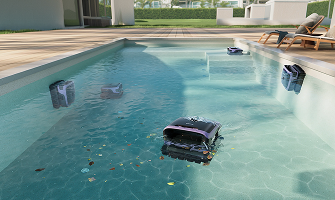
One factor that shortens the life of any filter is the volume of debris it has to process. The less debris that reaches the filter in the first place, the longer it goes between cleanings and the longer the media itself lasts. A robotic pool cleaner that captures debris in its own onboard filter before it enters the circulation system is one of the most direct ways to reduce that load.
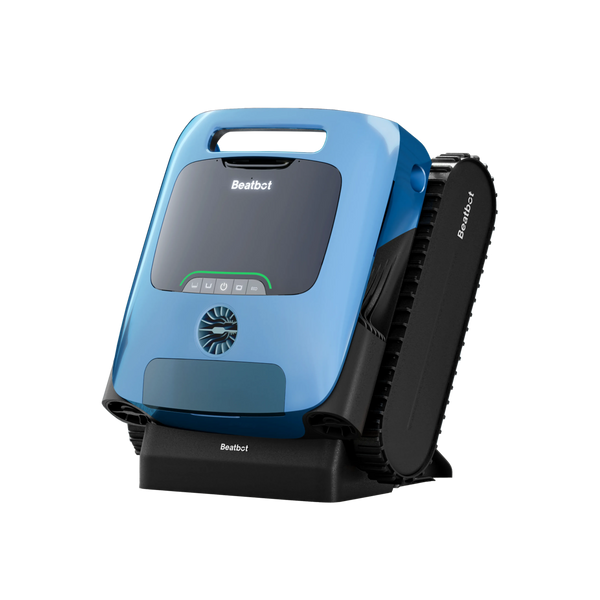
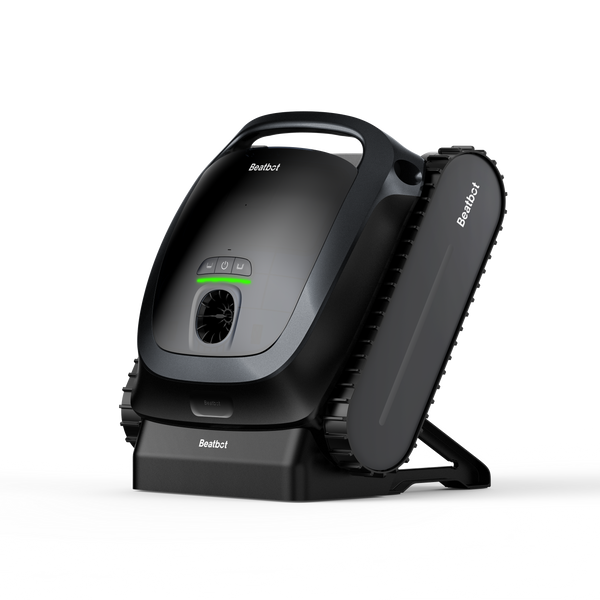
The Beatbot Sora 30 robotic pool cleaner uses a 5L onboard filter with 150-micron filtration to capture leaves, sand, and fine sediment from floors, walls, waterlines, and shallow areas, and runs for up to five hours on a charge to cover pools up to 3,200 square feet in a single cycle.
The Beatbot Sora 10 cordless robotic pool cleaner offers the same 5L filter and 150-micron filtration with a 7800mAh battery delivering up to five hours of floor cleaning, suited to pools where a shorter charge time and lighter unit are preferred. Both rely on Beatbot's HydroBalance structure and 6,800 GPH suction to lift heavier debris that would otherwise settle into the skimmer line.
FAQs
Is 30 PSI too high for a pool filter?
It depends on your clean baseline. A filter that reads 30 PSI when clean can be normal for a high-flow system. A filter that started at 15 PSI clean and now reads 30 is well past the cleaning threshold and should be backwashed or rinsed before the system runs further at that pressure.
Can a dirty pool cause high filter pressure?
Yes. Algae and fine suspended particles can clog filter media faster than visible debris. A pool experiencing a bloom or a chemistry imbalance will often show rising pressure before the water turns visibly green.
Why is my pool filter pressure fluctuating?
Fluctuating pressure usually means air is entering the suction side intermittently or a suction line is partially obstructed. Check the water level, the pump lid o-ring, and the skimmer line first before looking at the pump itself.
Why does my pressure gauge read zero with the pump running?
The most common cause is a clogged air relief assembly beneath the gauge. Remove the gauge and clear the assembly port. If the gauge still reads zero after that, the gauge itself has failed and needs replacement.