Most Popular


 Sora Series


 AquaSense Series

 Skimmer & Bundle

 Retail Edition


 Accessories


Opening an above ground pool is much easier when you bring it back in the right order. Start with the cover, remove the winter parts, reconnect the system, raise the water level, and move into testing and cleanup after water can circulate.
That order keeps dirt out of the pool, helps you catch leaks early, and gives the pump a better chance to start cleanly. If chemicals go in before the system is ready, you can end up treating water that still is not moving the way it should.
Clear and Remove the Cover
Keep the cover on until the water and debris sitting on top are gone. That is the cleanest way to open an above ground pool after winter. If you remove it too early, dirty water, leaves, and mud can slide right back into the pool.
A submersible pool cover pump is the easiest way to remove standing water. A regular sump pump can work too. Once most of the water is off, clear away leaves, twigs, and surface grime with a soft broom or leaf net. The goal is to lift the cover away without dumping that mess back into the pool.
Clean and Store the Cover
Clean the cover before you store it. Waiting until fall usually makes the job harder. Dirt left on the material through summer can stain it, weaken it, or leave you with mildew next season.
Rinse the cover with clean water, then wash it with a cover cleaner or a mild detergent. As you clean, check for tears, worn seams, or stretched spots that may need repair before you use it again. Let the cover dry fully before you fold it. A damp cover stored for months often comes back with mold, odor, or damaged fabric.

Remove Winter Plugs and Ice Compensator
Your pool will not circulate the right way until the winter closing parts are removed. That includes the winter plugs at the skimmer and return openings, plus any ice compensator used in the skimmer area.
Check the skimmer area closely before you move on. Some above ground pools still have a winter skimmer plate or another closing part in place, and that can block water flow when the system starts again. At the return opening, the plug may be a threaded plug or a rubber expansion plug. Either type needs to come out before normal circulation can begin.
Reconnect the Equipment
At this stage, the pool should be ready to run again. Most above ground pools follow a simple path. Water moves from the skimmer through a hose to the pump, then through the filter, then back to the pool through the return.
Reconnect those hoses first, then reinstall the drain plugs on the pump and filter. New pool owners miss this all the time. Those plugs are often removed for freeze protection at closing. If one stays out, the system can leak as soon as you turn it on.
Put the skimmer basket and return jet back in place next. Remove any winterizing plugs, skimmer plate, or ice compensator still left in the system. Then check every clamp, union, and seal. A small air leak at one connection can keep the pump from pulling water the way it should. If your ladder or steps were removed for winter, this is a good time to put them back and make sure everything feels stable.

Fill the Pool to the Right Level
The water level should sit around the middle of the skimmer opening before you start the system. That is the level most above ground pools need for steady suction and normal circulation.
If the water sits too low, the pump may struggle to pull water or may lose prime soon after startup. If you notice major water loss from winter to spring, do not just top it off and move on. Take a minute to look at the liner, the skimmer area, and the return fitting for signs of a leak or a loose connection.
Start the Pump and Filter
The first startup can tell you a lot about the pool’s condition. Once the water level is right and the equipment is connected, turn on the pump and filter and watch the system closely for the first few minutes.
You should see water pulling through the skimmer and returning to the pool with a steady flow. Check the hoses, pump housing, and filter body for drips or active leaks. Look at the pressure gauge if your filter has one.
A reading that spikes fast, stays at zero, or sits far from your normal range can point to a blockage, trapped air, or a valve problem. If the pump does not catch prime, stop and fill the pump housing with water before trying again. A dry pump often cannot build enough suction on its own, and running it that way can wear the motor seal over time.
Test and Balance the Water
Test the water before you try to correct it. Start with free chlorine, pH, and total alkalinity. Those three readings give you the clearest picture of where the pool stands on opening day.
For most above ground pools, a pH around 7.4 to 7.6, free chlorine around 1 to 3 ppm, and total alkalinity around 100 to 150 ppm are solid opening targets. Make adjustments in small moves instead of adding everything at once. Alkalinity helps keep pH steady, so it usually makes sense to correct that first when it is off. Then bring chlorine into range once the water is circulating well. If you need help figuring chlorine dose, this guide on How Much Chlorine to Add to a Pool is a good next read. If testing shows low stabilizer, How to Raise Cyanuric Acid Level in Your Pool explains how to bring it back up without overdoing it.

Brush, Vacuum, and Shock
Opening chemistry works better after the pool is physically cleaned. Brush the walls and waterline first so stuck on film, dust, and early algae loosen up. Then vacuum the pool floor and remove any floating debris still left on the surface.

Shock is not automatic for every pool, though it often helps at opening. If the water looks dull, has a strong smell, shows early algae, or tests with little to no usable chlorine, a shock treatment can reset things faster. If the pool has already turned green, How To Shock A Pool That Is Green covers that situation in more detail.

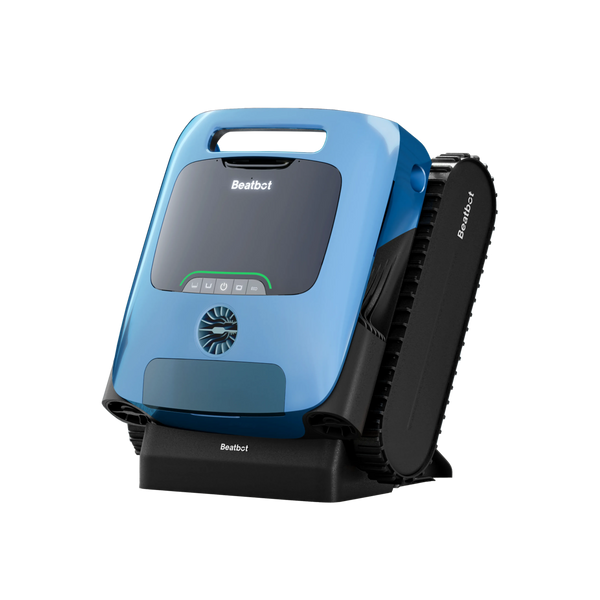
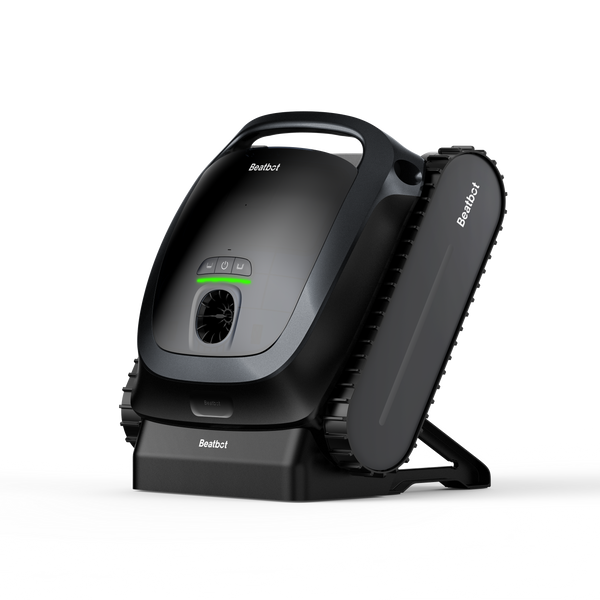
For pools that open with floating leaves, seed pods, and fine debris in more than one area, a cleaner that does more than floor pickup can cut down on repeat work. Beatbot Sora 70 fits that use case well. Its JetPulse system picks up surface debris, it can clean shallow areas down to 8 inches, and its 6 liter debris basket is better suited to heavy spring debris than smaller baskets. For a broader look at this category, see Beatbot Pool Vacuum Leaf Cleaners for In Ground and Above Ground Pool.
Let the Water Circulate
Freshly opened pool water needs time to settle. After you shock the pool or adjust the balance, let the pump and filter run long enough for the water to mix, circulate, and clear.
Do not rush straight into swimming if the water was just treated or still looks hazy. Give the system time to catch fine debris, spread the chemicals through the whole pool, and show whether the readings stay stable.
In many cases, that means letting the system run overnight, and a full 24 hours is a smart target after a heavy cleanup or opening shock. A follow up test after that circulation window gives you a much better read than the first test you took right after opening.
FAQs
How much chlorine should I put in my pool when I first open it?
Start with a water test, not a fixed dose. The right amount depends on your pool size, your current free chlorine level, and whether you are adding shock at the same time. Add chlorine based on the test result, then retest after the water has circulated.
Are shock and chlorine the same thing?
No. Shock is a high dose treatment used to raise chlorine fast and clear contamination after opening. Regular chlorine is the sanitizer used to maintain safe water after the pool has been cleaned and balanced.
Should I vacuum the pool before adding chemicals?
Yes, if there is visible debris on the floor. Vacuuming first removes dirt and organic waste that would otherwise use up chlorine and make the water harder to balance. If the pool is very dirty, brush and skim first, then vacuum.
What time of day should you shock your pool?
Evening is the best time to shock a pool. Sunlight burns off chlorine fast, so shocking at dusk or at night gives the treatment more time to work. Wait until the chlorine level returns to a normal range before swimming.
What are common DIY pool mistakes?
The most common mistakes are removing the cover before clearing the debris on top, forgetting the pump or filter drain plugs, starting the system with a low water level, and adding chemicals before circulation is working. Each one can slow the opening process or create extra cleanup.
When opening my pool and it’s all green, do I put shock in first or algaecide?
Shock usually comes first. Green pool water often means algae is already active, and shock is the faster way to kill it and raise sanitizer levels. Algaecide can help in some cases, though it should not replace the first cleanup and shock step when the pool is already green.