Most Popular


 Sora Series


 AquaSense Series

 Skimmer & Bundle

 Retail Edition


 Accessories


Opening an inground pool is easier when you do the work in the right order. Start with the cover, get the system back together, reopen the plumbing, raise the water level, start circulation carefully, then balance and clean the water until it holds clear.
That sequence protects the pump and filter, helps you avoid common startup issues, and makes the first stretch of pool season easier to manage. Rush the startup or add chemicals too early, and a small mistake can turn into cloudy water, weak flow, or a cleanup that drags on.
Clean, Remove, and Store the Pool Cover
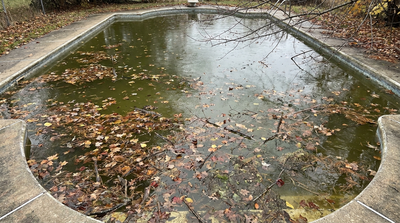
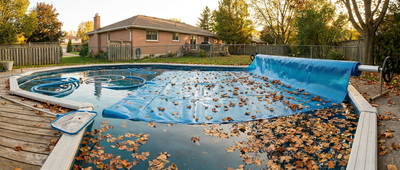
Start with the cover. Leaves, standing water, and grime add weight and make removal harder on the material. Sweep off the debris first, then pump off any water sitting on top so the cover is light enough to move without dragging.
As it comes off, fold it back over itself in sections instead of pulling it across the deck. That gives you better control and helps keep the fabric from scraping against rough concrete. If your safety cover uses anchors, lower them flush with the deck after removal so they do not snag the cover or create a trip hazard.
Once the cover is off, spread it out on a flat surface and wash it with a cover cleaner or mild car wash soap. Rinse it well. Harsh cleaners and stiff tools can wear the material down faster than most pool owners expect.
Let it dry fully before storage. A damp cover is much more likely to come back with mildew, odor, or weak spots next season. Store it in a bag or sealed container off the floor so pests cannot get into it during the off season.

Reconnect and Reinstall Inground Pool Equipment
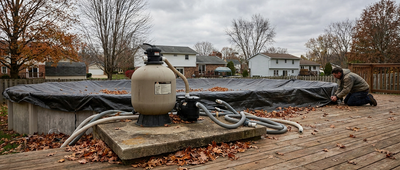
Before the system runs, all the parts you removed for winter should be back in place. That includes ladders, rails, slides, baskets, drain plugs, pressure gauges, sight glasses, and any heater or chlorinator plugs you took out at closing.
This is also the point where small parts deserve a close look. Pump lid O rings and valve O rings should still feel flexible and look smooth. If one is cracked, flattened, or brittle, replace it now.
If it still looks good, use a light coat of pool gasket lubricant so the seal holds once the pump starts pulling suction. Rubber seals do not do well with petroleum products, which can make them swell.
Give the filter a look before startup too. Clean or replace a dirty cartridge before you turn anything on. If you run a sand or DE filter, make sure it is back in normal operating condition and not still sitting in a winter setup.
It is much easier to catch worn parts, missing plugs, and bad seals here than halfway through startup when you are trying to figure out why the system will not behave.

Remove Winterizing Plugs and Restore Water Path
The pump cannot move water the way it should until the plumbing is open again.
Winterizing plugs in the return lines, skimmer, and step jets protect the pool through freezing weather, though they all need to come out before circulation starts.
Work your way around the pool and remove each plug one at a time. If bubbles appear as you loosen one, that usually means the line held air through winter after it was blown out.
Remove any skimmer Gizmo, ice compensator, or bottle from the skimmer body at the same time, then put the skimmer basket back in place.
This is one of those steps that looks simple and still causes trouble when rushed. Miss one plug and you can block flow, drive up pressure, and make the pump seem like it has a much bigger problem than it actually does.
Raise the Water Level
Bring the water level back up before you start the system. A pool that sat closed through winter often drops a few inches, so fill it to about the middle of the skimmer opening.
That level is not arbitrary. The skimmer needs enough water to draw cleanly without pulling air into the system. If the level is too low, the pump may lose prime or suck in air. If it is too high, the skimmer will not pull surface debris as well as it should.
If you are topping off with tap water, a hose filter can help reduce metals and mineral load. It will not solve every water issue, though it can lower the chance of staining at the start of the season.
Start the Pump and Filter Safely
At startup, two things matter most. The system has to stay sealed, and the water needs a clear path through it. Reinstall the drain plugs in the pump and filter, check the pump lid seal, and open the return side valves so circulation has somewhere to go.
If the pump needs help priming, fill the pump basket housing with water before you turn it on. Once the system starts, stay with it for the first few minutes.
Water should return to the pool with steady flow, and the pressure gauge should settle into its normal range instead of climbing fast. With a sand filter, dirty looking water from winter residue may call for a short flush to waste before you switch back to filter.
A fast pressure spike is a sign to stop and check the basics. Closed valves, a dirty filter, a blocked line, or an air leak at the lid or fittings are common opening problems. Fix those before you let the system keep running.
If pool antifreeze was used at closing, a small amount may still move through the system at opening. Pool grade antifreeze is made for that use and usually clears out during later filter cycles.
Test and Balance the Water
Clear water can still be out of balance, which is why the first full test matters. Give the water time to mix through the pool before you test it. On a routine opening, a few hours of circulation is often enough for a useful reading. If you added a lot of fresh water or opened to very dirty water, let the system run longer or even overnight for a steadier baseline.
When you start adjusting chemistry, the order matters. Total alkalinity comes first, then pH, then calcium hardness. That order helps keep pH from bouncing around while you adjust the rest. Once those levels are close to target, check sanitizer and stabilizer.
For many residential pools, pH around 7.4 to 7.6, free chlorine in the normal 1 to 3 ppm range after shock drops, and cyanuric acid around 30 to 50 ppm are common targets.
Not every pool needs every opening chemical. Source water with metals is a good reason to add a metal sequestrant early. If you plan to use stabilized chlorine tablets later, extra cyanuric acid may not be needed right away. The goal is stable water, not loading the pool with products it does not need.

Add Shock and Other Opening Chemicals
Shock clears the slate after months of still water. Once balance is close, add shock to kill leftover organics, algae spores, and bacteria. A common opening dose is about 1 to 2 pounds of chlorine shock per 10,000 gallons.
Use the higher end for dull or slightly cloudy water. If the pool opens green or heavily contaminated, follow the product label for a stronger cleanup dose instead of guessing.
Brush the walls and floor before shocking, or right after, so film and early algae break loose and become easier to kill or filter out. Wear gloves and goggles when handling opening chemicals.
If you pre dissolve shock, add chemical to water, not water to chemical. Keep shock out of the skimmer and pump basket. It can damage equipment and puts the product in the wrong place.
Chlorine shock works best after sunset, when direct sun is no longer burning it off so fast. Wait on chlorine tablets, a chlorinator, or a salt system until the shock level drops back into the normal operating range and the pH is back in range.
Swimming should wait too. Clear water, normal operation, and free chlorine back around 1 to 3 ppm are the signs you want to see first.
Brush, Vacuum, and Filter Continuously
A pool is not really open just because the chemicals are in. It is open when the water clears and stays clear. That usually means brushing, vacuuming, and nonstop filtration for at least the first day, sometimes longer if the pool opened with heavy debris or murky water.
Brush the walls, steps, corners, and waterline so anything stuck to the surface gets loosened up for the sanitizer or filter to catch.
Vacuum the floor to remove settled dirt and dead debris instead of letting it break apart and recirculate. Keep the filter running and clean it when needed. If pressure climbs well above its clean starting point, backwash or clean the filter media.
If the water still looks cloudy after the first 24 hours, do not assume more chemicals are the answer. Check filter pressure, clean or backwash the filter, vacuum out anything that has settled, and retest chlorine and pH.
If the chemistry is close to target and the filter is catching debris, a clarifier can help polish the water. If the pool is still dull or green, keep filtering and reassess shock demand before piling on more products.

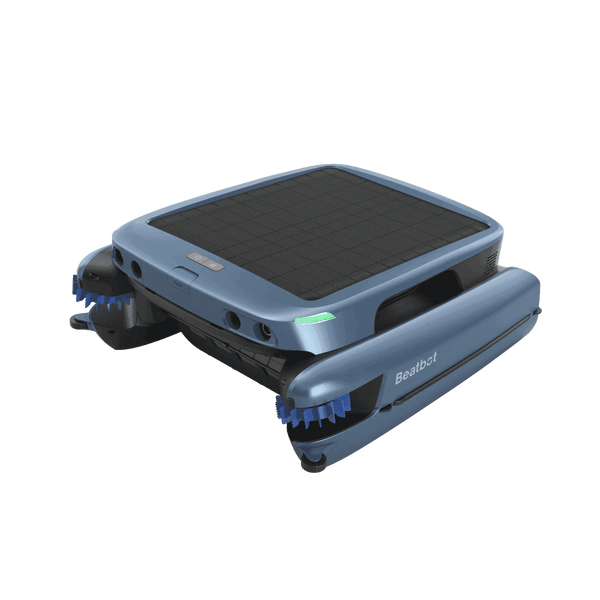
Manual cleanup still comes first at opening. A robot becomes more useful right after that first reset, once loose debris is showing up across the whole pool instead of collecting in one area. Beatbot Sora 70 fits that stage well.
Its JetPulse twin jet skimming pulls floating debris in before it sinks. It covers the surface, floor, walls, and waterline in one unit, handles shallow platforms in as little as 8 inches of water, and uses a 6L debris basket that cuts down on mid cycle emptying.
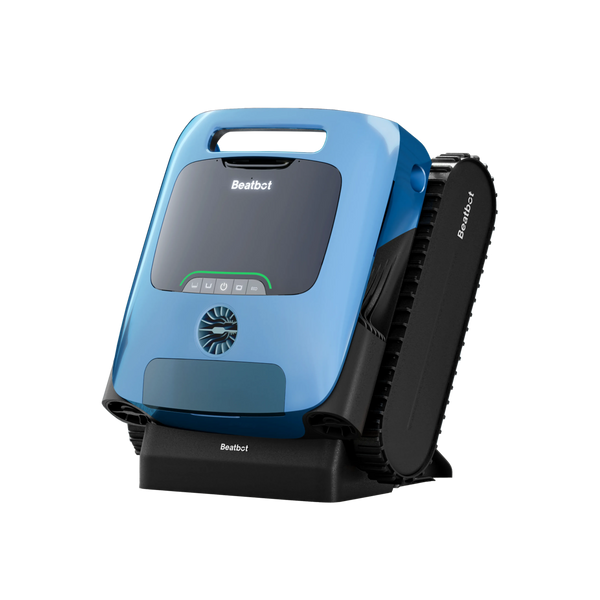
If you want even less hands on cleanup after opening, Beatbot AquaSense X adds elevated platform cleaning and an AstroRinse self cleaning station that rinses the filter and empties debris into a 22L bin in about three minutes, with room for up to 3,000 leaves before the station needs attention.
FAQs
When is the best time to open a pool?
Open the pool early, after freezing nights are mostly behind you and the water is still cool. An early opening usually makes algae control easier and keeps cleanup lighter.
How many days does it take to open an inground pool?
Most inground pools can be mechanically opened in one day. The water may need another 1 to 3 days to clear, depending on debris load, filter run time, and water balance.
What chemicals do I need to reopen my pool?
Most pools need shock, pH adjustment, and alkalinity support at opening. Some pools may need calcium hardness increaser, metal sequestrant, clarifier, or stabilizer after testing.
What is the first chemical you put in a pool?
Start with total alkalinity after the water has circulated long enough to give you a reliable test. Once alkalinity is close to target, adjust pH, then calcium hardness, then sanitizer and stabilizer as needed.
Should I shock my pool as soon as I open it?
Shock is usually part of pool opening, though it should come after circulation starts and the first water test is done. That gives you a cleaner, safer starting point and helps you avoid adding the wrong amount.
What are common DIY pool mistakes?
The most common mistakes are starting the pump before the water level is restored, missing a winter plug, adding chemicals in the wrong order, and shutting off filtration too soon. Those errors usually lead to cloudy water, weak circulation, or extra cleanup.