Most Popular


 Sora Series


 AquaSense Series

 Skimmer & Bundle

 Retail Edition


 Accessories


You can lower cyanuric acid (CYA) in a pool without draining it by using an aluminum sulfate (alum) flocculation treatment, an enzyme-based CYA reducer, a mobile reverse osmosis (RO) service, or a slow partial dilution combined with a switch to unstabilized chlorine. The right choice depends on how high your CYA reading is, your local water cost, and how quickly you need to bring the level back into the 30 to 50 ppm target range.

Why High CYA Is a Real Problem
Cyanuric acid stabilizes free chlorine against UV breakdown, but once it climbs above roughly 80 to 100 ppm, your chlorine becomes chemically "locked" and stops killing pathogens efficiently. The Centers for Disease Control and Prevention (CDC) notes that elevated CYA reduces the speed at which chlorine inactivates Cryptosporidium and other waterborne pathogens, which is why many state pool codes cap CYA at 100 ppm for public pools.
Two practical things happen when CYA gets too high. First, your free chlorine reading looks normal but the water still grows algae, which is often described as chlorine lock because only a small fraction of that chlorine is in its active hypochlorous acid form. Second, your shock treatments stop working at normal doses, so you either chase the problem with more and more chlorine or you watch the pool turn cloudy and green.
The accepted target range is 30 to 50 ppm for traditional chlorine pools and 60 to 80 ppm for saltwater pools. If the reading is too low later, you may need to raise the cyanuric acid level carefully instead of removing more water. Anything above 100 ppm needs action. Above 150 ppm, partial dilution alone will not fix it in a single pass.
Aluminum Sulfate Flocculation: The Fastest Fix
Alum flocculation is the fastest non-drain method when CYA is between roughly 80 and 150 ppm. Aluminum sulfate forms a sticky aluminum hydroxide floc that physically binds to cyanuric acid molecules and pulls them out of the water column. The floc then settles to the floor over 12 to 24 hours and gets vacuumed to waste. Pool service operators have reported CYA drops of 30 to 50 percent in a single treatment under the right conditions.
The method only works if three parameters are in range before you start. pH must be lowered to about 7.0, total alkalinity should sit between 80 and 120 ppm, and water temperature should be at least 70°F. Outside those windows, the floc either fails to form or breaks apart before it settles. This is the single biggest reason DIY alum treatments do not work the first time.
The standard dose is 8 to 9 pounds of aluminum sulfate per 10,000 gallons of water for a heavy CYA reduction, or as little as 3 pounds per 10,000 gallons for a lighter touch-up. After dosing, you set the filter valve to recirculate (or remove the cartridge entirely on cartridge filters), run the pump for two hours to distribute the alum, then shut everything off for a minimum of 12 hours.
Do not run the pump during settling. Vacuum the floc to waste, never through the filter, because the floc will instantly clog and ruin a sand bed or DE grid.

After vacuuming, retest residual aluminum (it should sit below 0.2 ppm) and rebalance pH and alkalinity. Expect to lose 1 to 3 inches of water depth from the vacuum-to-waste step, so top off afterward.
Enzyme and Biocatalyst CYA Reducers: The Hands-Off Fix
Enzyme-based reducers are what actually break cyanuric acid down at the molecular level. They use a culture of microorganisms or biocatalysts that target the nitrogen bonds in the CYA molecule and gradually metabolize it out of the water over days to weeks. Add the product directly to the pool, let the pump circulate, and it works on its own — no flocculation, no vacuuming, no water loss.
The most established product in this category, Bio-Active Cyanuric Acid Reducer, is sold in 8 oz bags rated to treat 25,000 gallons. A built-in feedback loop stops the reduction once CYA hits the target range, so you do not strip out all your stabilizer.
There are real conditions where enzyme reducers underperform or stall. The water needs to be above roughly 65°F for the microorganisms to stay active. Algaecides, clarifiers, and phosphate removers added in the previous week will interfere with the bioactive culture.
Free chlorine needs to be present but not aggressively shocked, because high oxidizer levels will kill the reducer faster than it can work on the CYA. And the slower you go, the better it works. Most owners see meaningful drops at the 7 to 14 day mark, not the next morning.
This method is the right choice when you cannot drain (water restrictions, well systems, or expensive municipal refill costs) and your CYA is in the 80 to 200 ppm band. Above 200 ppm, you may need a second dose, and at very high readings the cost crosses over into "just pay for the RO service" territory.
Mobile Reverse Osmosis: The Full-Water Fix
A mobile reverse osmosis (RO) service trailers up to your house, runs your pool water through a high-pressure semi-permeable membrane, and returns water that has had CYA, calcium hardness, salt, and total dissolved solids stripped down to near tap-water levels. You keep about 80 to 85 percent of your existing water. The remaining 15 to 20 percent leaves as concentrated reject water.
RO is the right answer for three situations. The first is severe CYA contamination above 200 ppm where alum and enzyme treatments would need multiple expensive cycles. The second is regions with strict water restrictions or sky-high refill costs, where a full drain-and-fill would either be illegal or cost more than the service. The third is older plaster pools where calcium hardness and TDS are also out of range, since RO knocks all of those down in one pass.
Pricing varies by region and pool size, but expect a service call and per-gallon processing fee that scales with pool volume. Check whether providers operate in your area before counting on this option, since RO trailers are concentrated in the Southwest US, parts of Florida, and a handful of metro markets in the Northeast.
Partial Dilution Plus a Chlorine Switch: The Slow Fix
If your CYA is in the 70 to 100 ppm range and you have time on your side, the simplest non-drain method is gradual partial dilution combined with a switch to unstabilized chlorine. You lower the water level four to six inches every couple of weeks (using the filter's waste setting or a submersible pump), refill with fresh water, and stop adding stabilized chlorine in any form.
The chlorine switch is the part most owners miss. Replace trichlor tablets and dichlor shock with liquid chlorine (sodium hypochlorite) or calcium hypochlorite (cal-hypo) shock. Saltwater pools are already on unstabilized chlorine, so the switch only applies to traditional chlorine systems.
This approach takes four to eight weeks to bring a 100 ppm pool back to the 50 ppm range, but it costs almost nothing beyond the new chlorine, and it does not risk a botched alum treatment or stalled enzyme cycle.
How to Choose the Right Method for Your Pool
The decision comes down to three variables: how high your CYA is, how fast you need it down, and how much water loss you can tolerate.
|
Method |
CYA Range |
Time to Result |
Water Loss |
|---|---|---|---|
|
Aluminum sulfate flocculation |
80 to 150 ppm |
24 to 48 hours |
Low |
|
Enzyme / biocatalyst reducer |
80 to 200 ppm |
7 to 21 days |
None |
|
Mobile reverse osmosis |
150 ppm and above |
Same day |
Low |
|
Partial dilution + chlorine switch |
70 to 100 ppm |
4 to 8 weeks |
Moderate |
A pool with 95 ppm CYA, fresh algae, and a holiday party in three days is a different decision than a pool with 130 ppm CYA, clear water, and two months of pool season left. Match the method to the constraint that is hurting you most.

How to Keep CYA From Climbing Back Up
None of these methods matter if you do not change what caused the high CYA in the first place. Trichlor tablets are the largest contributor in residential pools because each tablet is roughly 54% cyanuric acid by weight, and that stabilizer stays behind in the water after the chlorine portion is consumed. A single tablet can add 4 to 6 ppm of CYA per 10,000 gallons. Continuous use through a summer pushes a fresh-water pool from zero to 80 ppm without any other inputs.
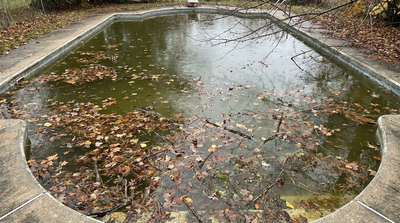
Cutting the cycle takes two changes. The first is switching your primary chlorine source to liquid chlorine or cal-hypo and keeping trichlor for occasional vacation-week stabilization. The second is removing organic debris from the pool weekly so your sanitizer is not overworked. A pool with leaves, biofilm, and dead algae sitting on the floor burns through chlorine fast, and that demand is what tempts owners back into the convenience of stabilized tablets.
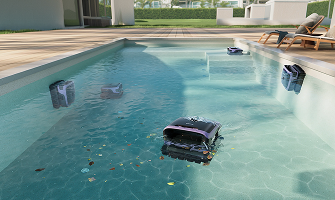
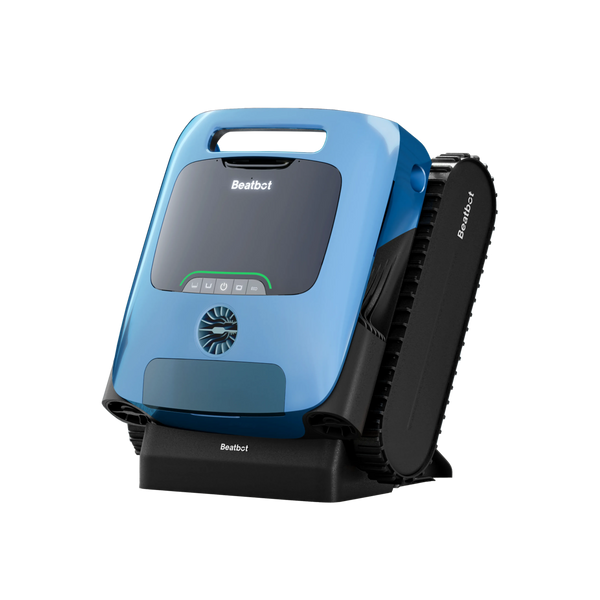
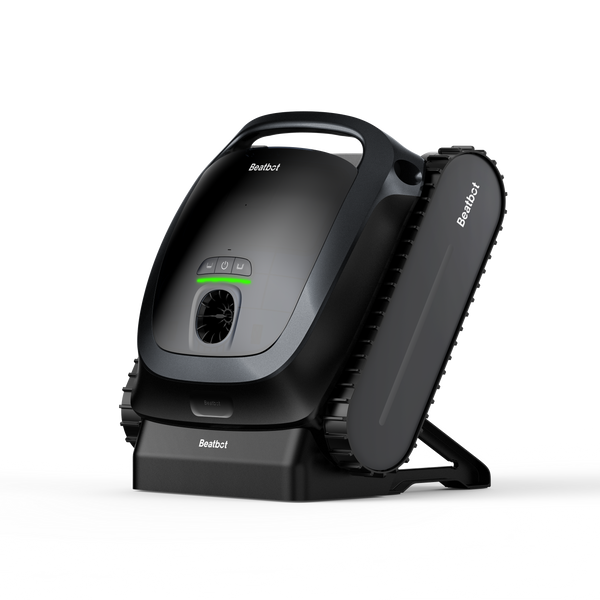
A capable robotic pool cleaner is what makes the second change sustainable. The Beatbot Sora 30 robotic pool cleaner pulls 6,800 GPH of suction through a 5L filter that holds 650+ leaves in a single session, so a heavy autumn debris load gets removed in one cycle instead of accumulating between cleanings. Less standing organic matter means lower oxidizer demand, and lower oxidizer demand is what lets a non-stabilized chlorine routine actually keep up.
For pools where retrieval is the friction point that causes skipped cleanings, the Beatbot Sora 10 cordless pool robot uses Smart Waterline Parking to navigate to the waterline at the end of each cycle and position itself for one-handed pickup within 10 minutes.
The Sora 30 takes a different approach with Smart Surface Parking that floats the unit to the surface and uses its SmartDrain system to release internal water before retrieval. Both share the same 5L filter, 6,800 GPH suction, and 150μm filtration. Choose the Sora 30 for deeper pools and platforms as shallow as 8 inches; the Sora 10 fits pools where waterline parking suits the layout.
What to Test for After Any Non-Drain CYA Treatment
Retest your full water panel within 24 hours of finishing whichever method you used. CYA gets the headline, but alum treatments can leave residual aluminum that needs to be below 0.2 ppm. Enzyme treatments can briefly drop free chlorine while the bioactive culture is working. RO treatments will likely require you to rebalance calcium hardness and alkalinity, since those drop alongside CYA. Partial dilution shifts every parameter at once.
A typical pool water test after treatment covers free chlorine, combined chlorine, pH, total alkalinity, calcium hardness, CYA, and for saltwater pools, salt. If any reading is far outside its target band, fix that parameter before you put bathers back in the pool.
FAQs
Do cyanuric acid reducers actually work?
Yes, when conditions are met. Enzyme-based reducers like Bio-Active reliably bring CYA down by 40 to 60 ppm per dose at water temperatures above 65°F, with no recent algaecide or phosphate treatments in the pool. Below those conditions, results stall or appear inconsistent.
How long does Bio-Active or another enzyme CYA reducer take to work?
Most pool owners see measurable CYA drops between 7 and 21 days after dosing, with full results closer to three weeks. Cold water, recent algaecide use, or freshly shocked chlorine will all stall the process and push that timeline out.
Why did my alum treatment fail to lower CYA?
The most common cause is incorrect water chemistry going into the treatment. If pH is above 7.2, alkalinity is outside the 80 to 120 ppm range, or water temperature is below 70°F, the aluminum hydroxide floc will not form properly and the CYA stays in suspension. Recheck and rebalance before retreating.
Will CYA go down on its own?
Not meaningfully. Cyanuric acid does not evaporate with water and barely degrades through normal sun and chlorine exposure. The only natural way it drops is when fresh water replaces existing water, either through partial drains, rain that overflows the pool, or splashout that the autofill system replenishes from your tap.
Does baking soda lower cyanuric acid?
No. Baking soda (sodium bicarbonate) raises total alkalinity and slightly lifts pH. It has no chemical effect on cyanuric acid concentration. Anyone selling baking soda as a CYA fix is selling a myth.
Is 70 ppm CYA too high?
It depends on the pool type. For a traditional chlorine pool with a target of 30 to 50 ppm, 70 ppm is mildly elevated and will start to reduce chlorine effectiveness. For a saltwater pool with a target of 60 to 80 ppm, 70 ppm sits in the normal range and needs no action.
Is it safe to swim with high cyanuric acid?
Swimming itself is not directly harmful at moderately high CYA, but the water may not be properly sanitized because chlorine cannot kill pathogens efficiently above 100 ppm. The risk is bacterial and algal contamination, not the cyanuric acid itself.
Can rain lower my pool's CYA over time?
Rainwater dilutes CYA only when it overflows the pool and forces fresh water in to replace it. Rain that simply sits in the pool and gets pumped out through the deck drain does not change CYA concentration meaningfully.