Sora Series


 AquaSense Series



 Skimmer & Bundle

 Retail Edition


 Accessories


 Extended Warranty


Vacuuming an above ground pool takes about 30 to 45 minutes once you have the right setup. You need a vacuum head sized for above ground pools, a telescopic pole, a vacuum hose long enough to reach every corner, and a vacuum plate (also called a skim-vac) that fits over your skimmer basket. The rest comes down to priming the hose, connecting to the skimmer, and moving the vacuum head slowly across the pool floor.
Most above ground pools collect fine sand, dust, and organic debris that the filter alone cannot remove from the bottom. Weekly vacuuming keeps the floor clean, protects the vinyl liner from staining, and reduces the chemical demand on your sanitizer.
What Equipment Do You Need to Vacuum an Above Ground Pool?
You need four pieces of equipment. A vacuum head designed for above ground pools has a flat, weighted base with soft brushes or wheels that glide across vinyl liners without scratching. Heads made for in-ground concrete pools are too heavy and too rough for vinyl.
The telescopic pole should extend long enough to reach the center of the pool from the edge. Most above ground pools are 15 to 30 feet across, so a pole that extends to at least 16 feet works for the majority of setups. The vacuum hose needs to be slightly longer than the distance from your skimmer to the farthest point on the pool floor. A hose that is too short will pull loose mid-session.

The vacuum plate, sometimes sold as a skim-vac adapter, sits over your skimmer basket and connects to the vacuum hose. It prevents large debris from bypassing the basket and clogging the pump impeller. Some pool owners plug the hose directly into the suction port at the bottom of the skimmer, but the plate protects the impeller from leaves and twigs that would otherwise require a much more expensive repair.
How to Prime the Vacuum Hose
Priming removes all the air inside the hose so the pump can maintain consistent suction from the first stroke.
The easiest method is to submerge the entire hose underwater. Attach one end to the vacuum head, place the head on the pool floor, then feed the rest of the hose into the water section by section until no more air bubbles rise to the surface. Keep the open end submerged while you walk it over to the skimmer.
If your hose is stiff or floats, hold the open end directly over a return jet and let the water pressure push air out through the vacuum head end. Once the bubbles stop, the hose is fully primed.
How to Vacuum an Above Ground Pool Step by Step

-
Assemble the vacuum head onto the telescopic pole and attach the hose to the vacuum head fitting. Lower the head to the pool floor gently so it does not stir up sediment.
-
With the pump running, place the vacuum plate over the skimmer basket and press the primed hose into the plate. Suction should engage immediately.
-
Move the vacuum head slowly across the floor in long, straight, overlapping strokes. Start at the shallow side if your pool has a slope, and work toward the deeper section.
-
Watch the filter pressure gauge. If pressure rises 8 to 10 PSI above its clean starting point, stop vacuuming, clean or backwash the filter, and resume.
-
When the floor is clean, turn off the pump, disconnect the hose, and remove all equipment from the water. Clean the skimmer basket and check the pump strainer basket.
A lightly soiled pool usually takes one pass. If the pool has not been vacuumed in several weeks, expect two or three passes with a filter cleaning between each one.
After you finish, let the pump and filter run for at least two to four hours to circulate and filter any fine particles that were stirred up during vacuuming. Rinse the vacuum head, hose, and plate with fresh water before storing them to prevent mineral buildup. This is also a good time to test pH and chlorine levels, since vacuuming can stir up organic matter that temporarily increases chlorine demand.
Vacuuming to Waste vs. Through the Filter
For routine weekly vacuuming, set your multiport valve to "filter" so debris passes through the filter media and clean water returns to the pool. This is the standard setting and the right choice for normal amounts of sand, dust, and small debris.
Switch to "waste" when the pool floor is covered in dead algae, heavy silt, or fine powder that would clog the filter media within minutes. Vacuuming to waste sends water straight out of the pool through the drain or backwash line, bypassing the filter entirely.
Keep a garden hose running into the pool to replace the water you are removing, and monitor the water level throughout the session. If the level drops below the skimmer opening, the pump pulls air and loses prime.

Not all above ground pool filter systems have a multiport valve. Many come with a simple cartridge filter that has no waste setting. In that case, you can add an inline waste valve to the return line, or plan to rinse or replace the cartridge more frequently after heavy debris loads.
Common Pool Vacuuming Mistakes That Kill Suction
The most common cause of lost suction is a hose that was not fully primed before connecting to the skimmer. Even a small air pocket breaks the seal and kills suction within a few strokes. If suction drops mid-session, disconnect the hose, reprime it underwater, and reconnect.
Moving the vacuum head too fast is the second biggest mistake. Fast movement pushes debris off the floor and suspends it in the water column, where it drifts for hours before resettling. If the water behind the vacuum head looks cloudy, slow down.

Low water level also causes problems. If the level sits below the halfway point of the skimmer opening, the pump pulls air along with water and suction becomes inconsistent. Top off the pool before you start.
A clogged skimmer basket or pump strainer reduces suction gradually. Halfway through a session, you may notice the vacuum head barely picks anything up. Clear both baskets and continue.
How Often Should You Vacuum an Above Ground Pool?
Once a week is enough for most above ground pools during swim season. Pools surrounded by trees, especially during spring pollen season or fall leaf drop, may need two sessions per week. After a heavy storm, vacuum as soon as the water settles rather than waiting for your regular schedule.
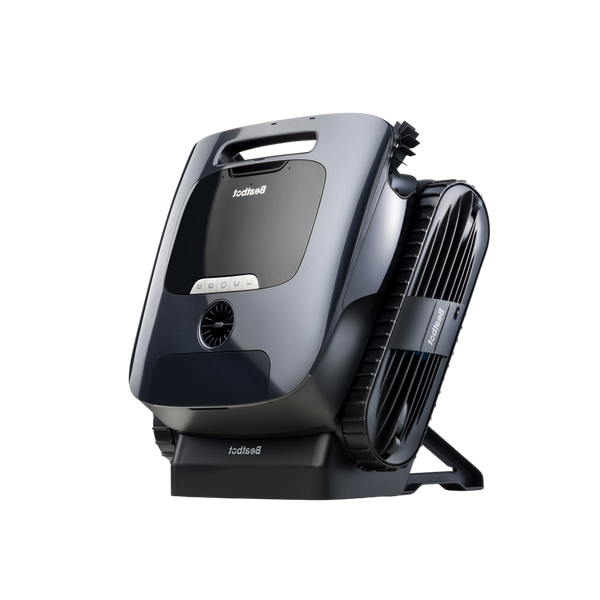
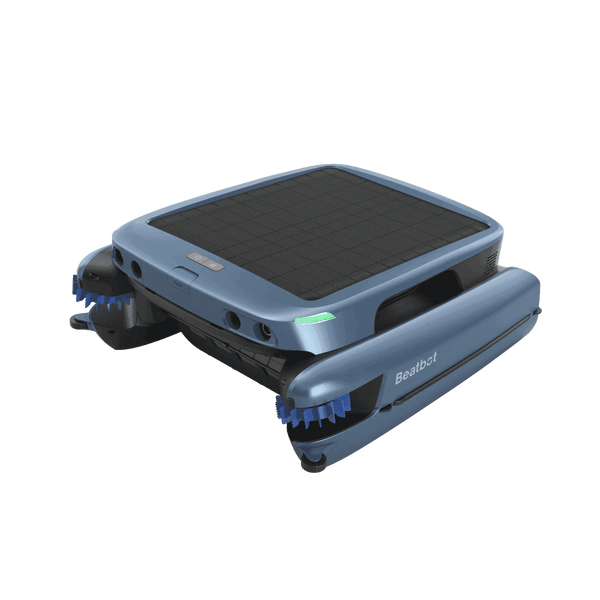
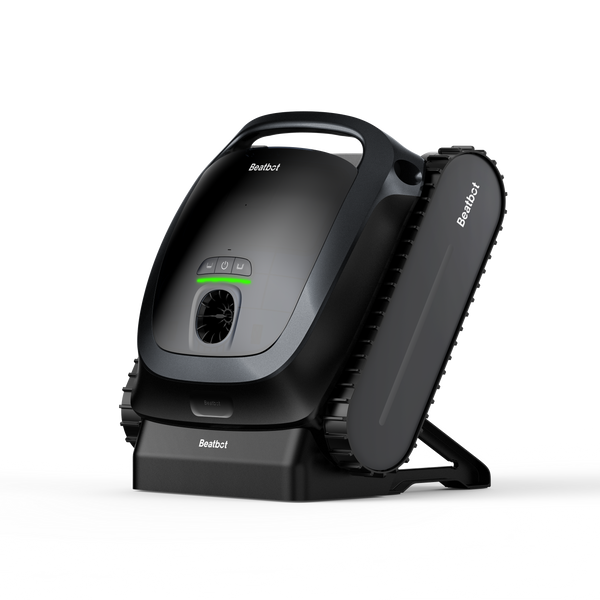
Pool owners who want to cut that frequency can hand the job to a robotic pool cleaner. The Beatbot Sora 70 robotic pool cleaner works in both above ground and in ground pools and delivers 6,800 GPH of suction through an 8-motor system with a 6L filter basket large enough to hold a full session of leaves and sand without clogging. It covers the floor, walls, waterline, and water surface in one cycle, picking up buildup along the walls and waterline that a manual vacuum never reaches.
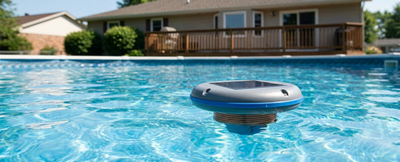
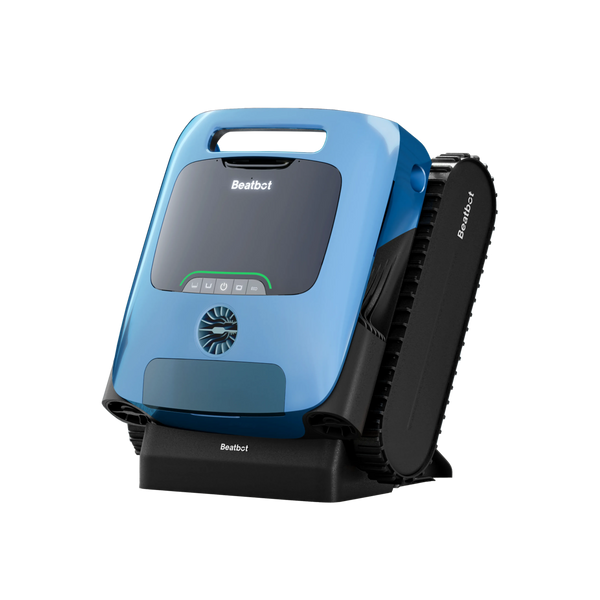
One limitation of manual vacuuming is that it stirs up fine particles that leave the water looking hazy for hours afterward. The Beatbot AquaSense 2 Pro robotic pool cleaner addresses this with its ClearWater™ clarification system, which automatically dispenses a natural clarifier derived from chitosan that binds microscopic particles into larger clumps so the filter can capture them.
Combined with 5-in-1 coverage of the floor, walls, waterline, water surface, and water clarification, it handles both the debris removal and the water clarity that manual vacuuming cannot.
Manual vacuuming still has a role after algae blooms or heavy storms, where vacuuming to waste is the fastest way to remove large volumes of debris without overloading any filter.
FAQs
Does the pool pump need to be running while vacuuming?
Yes. The pump provides the suction that pulls debris through the hose and into the filter or out the waste line. Without the pump running, the vacuum head will not pick anything up.
Can I vacuum my above ground pool without a skimmer?
Some above ground pools have a dedicated suction port instead of a standard skimmer. You can connect the vacuum hose directly to that port. If your pool has neither, a venturi-style vacuum attachment powered by a garden hose can push debris into a mesh bag, though it is far less effective than pump-driven suction.
What speed should a variable-speed pump be set to for vacuuming?
Run the pump at its highest speed. Vacuuming needs maximum flow to maintain strong suction at the vacuum head. After vacuuming, you can return the pump to its normal energy-saving speed.
How long should you backwash after vacuuming?
Backwash for two to three minutes, or until the water in the sight glass runs clear. If you vacuumed a heavy load of algae or silt, you may need to backwash a second time after running the filter for an hour.