

 Flagship

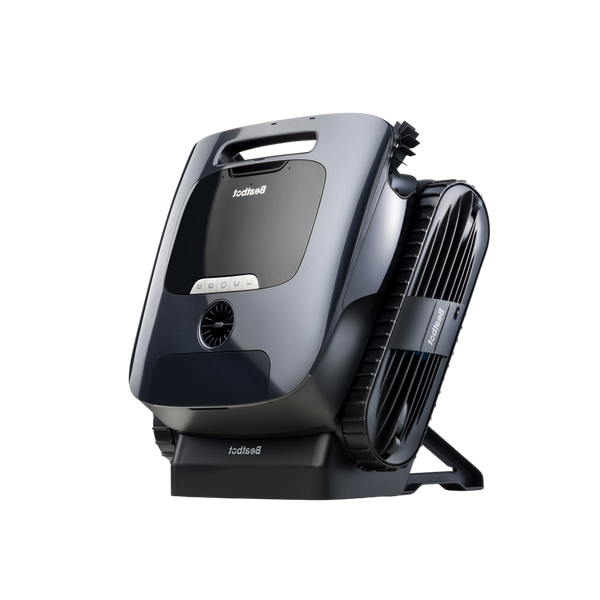

 Sora Series


 AquaSense Series


 Skimmer & Bundle

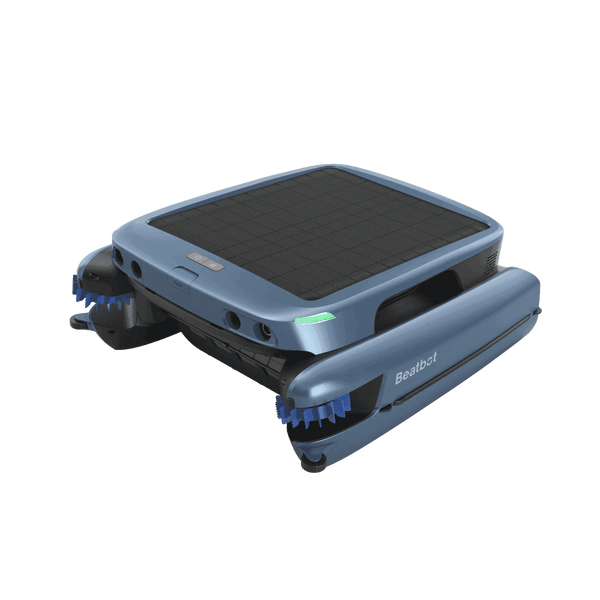
 Retail Edition
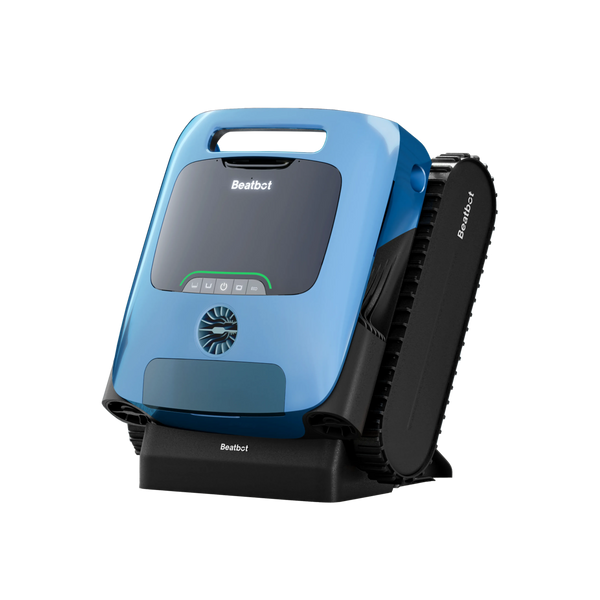


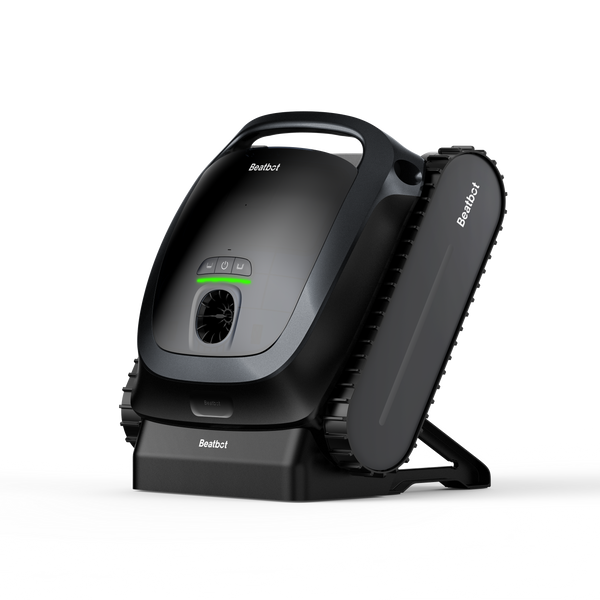
 Accessories
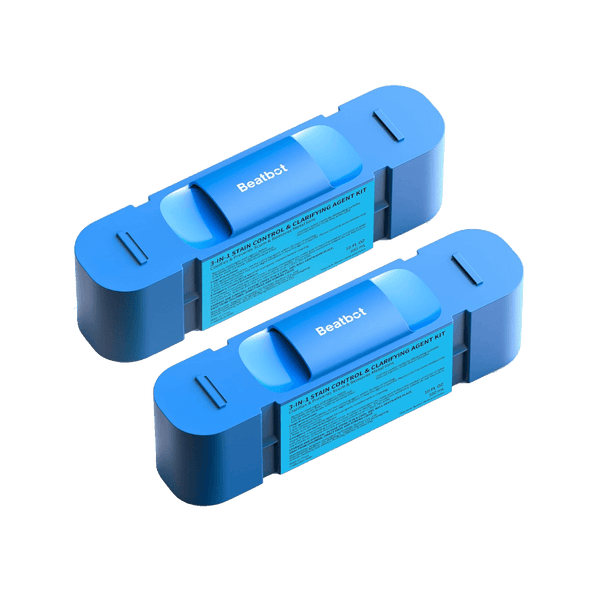


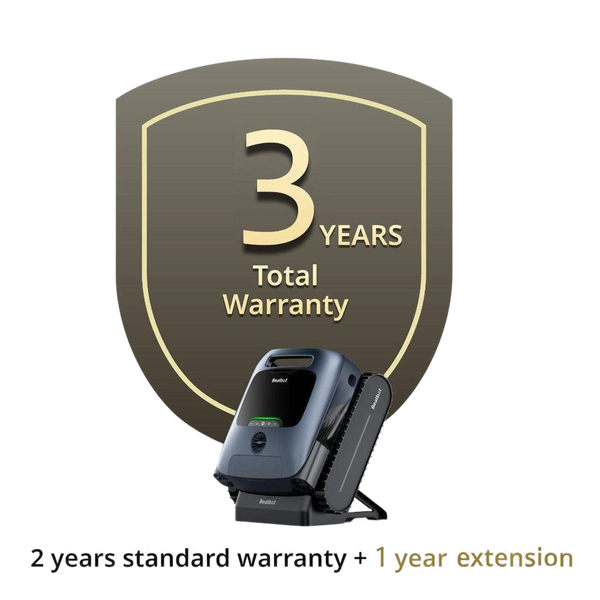
 Extended Warranty
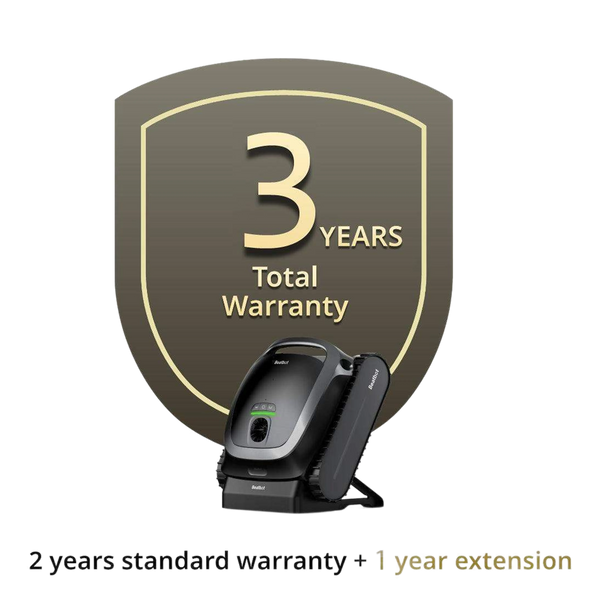


A cordless robotic cleaner with roller brushes, wall-climbing capability, and explicit vinyl support is the type recommended for a vinyl pool. The cleaner must be cordless so no cable drags across the liner. It must use roller brushes rather than stiff bristle strips, so contact pressure stays spread across a wider path.
It must climb walls and clean the waterline, because that is where a vinyl liner shows dirt first. And it must list vinyl as a supported surface, not just concrete or tile. Pressure-side cleaners, suction-side cleaners with hard treads, and corded units with stiff bristle strips are all the wrong type for a vinyl pool, even if the price looks attractive.
Why Does a Vinyl Pool Need a Specific Type of Robot Cleaner?
A vinyl pool puts the cleaner in contact with a membrane between 20 and 30 mil thick, rather than a rigid shell. That single structural difference changes what the cleaner is allowed to do mechanically, and it is why the cleaner type matters before the brand or model does.
On concrete or fiberglass, a cleaner can apply stiff-bristle scrubbing with no consequence to the surface. On vinyl, the same stiff bristles concentrate pressure on a narrow line, and over hundreds of weekly cycles that line polishes or abrades the liner pattern. A liner replacement costs between 2,000 and 4,500 USD installed, which is the price equivalent of multiple cleaner units. Picking the right cleaner type is the single decision that protects that investment.
A second issue is seams and patches. A vinyl liner has welded seams at the floor cove, wall corners, and around skimmers and returns. A cleaner without edge awareness can drive into a seam at speed, which stresses the weld over time. A cleaner built for vinyl uses sensors to slow down at edges and roller brushes that spread contact across a wider path, so neither of those failure modes shows up.
Should I Choose a Cordless or Corded Robot for a Vinyl Pool?
Cordless is the recommended type for a vinyl pool. A corded unit drags a cable across the liner during every cycle, and that cable can snag on a seam, catch on a patch, or simply leave a wear pattern where it crosses the floor over time. A cordless unit eliminates that contact entirely. Every Beatbot Sora model is cordless.
The second reason cordless makes sense for vinyl is retrieval. A corded cleaner has to be pulled back over the pool wall with the cable attached, which means extra weight and a higher chance of the cable catching on the liner at the edge.
A cordless cleaner with automatic surface or waterline parking rises to the top of the pool on its own at cycle end, and the owner lifts a lighter unit with no cable drag. The Beatbot Sora 10 uses smart waterline parking. The Beatbot Sora 30 and Beatbot Sora 70 use SmartDrain surface parking, which releases internal water before lift-out to reduce the weight the owner handles at the pool edge.
Why Are Roller Brushes Better Than Stiff Bristles for Vinyl Pools?
Roller brushes spread contact pressure across a wider path. Stiff bristle strips concentrate it on a single narrow line. On a rigid concrete or tile surface, that difference does not matter. On a vinyl liner, the bristle strip line eventually wears a visible stripe along the brush track, while a roller brush leaves no mark. That is the single most important type distinction for a vinyl pool.
Every Beatbot Sora model uses roller brushes, not stiff bristle strips. The Beatbot Sora 10 uses front dual roller brushes, which is the lightest-touch configuration and keeps the unit at 18.7 lbs. The Beatbot Sora 30 uses a four-roller dual-group brush system, which spreads contact across a wider cleaning path than two rollers and delivers a 100 percent wall-climbing success rate on vinyl, fiberglass, concrete, and ceramic tile.
The Beatbot Sora 70 uses the four-roller system with twin 5-inch brushes on independent left-right control, creating a 10-inch cleaning path that covers 50 percent more surface per pass than a standard layout.

Do I Need Wall-Climbing Capability on a Vinyl Pool?
Yes. Wall-climbing is a required type feature for a vinyl pool, even more than for concrete or tile. The waterline band on a vinyl liner is the single most visible zone of the pool. Oils, sunscreen residue, and pollen build up at the waterline within a week and form a visible ring that shows against the smooth liner pattern.
A floor-only cleaner never touches that zone, so the ring rebuilds cycle after cycle until the owner manually scrubs it. Manual scrubbing with a pole brush is exactly the repeated concentrated-pressure contact that wears vinyl liners over time.
Every Beatbot Sora model scales walls and cleans the waterline as part of the standard cycle. The Beatbot Sora 30 and Beatbot Sora 70 deliver a 100 percent wall-climbing success rate. The Beatbot Sora 70 navigates slopes from 0 to 45 degrees and vertical walls from 45 to 90 degrees, which covers every common vinyl pool shape including pools with a gradual floor-to-deep-end slope.
Wall climbing in a cordless robot removes the need for manual waterline scrubbing entirely, which is a long-term liner-life feature that matters more than any short-term cleaning benchmark.
How Big Should the Filter Be on a Vinyl Pool Robot?
A 5L to 6L filter basket with 150-micron filtration is the recommended size for a residential vinyl pool of any shape up to about 3,300 square feet. That range covers a full floor, walls, and waterline cycle on a single charge without mid-cycle emptying, which is the interruption most owners want to avoid. Larger than 6L is built for commercial or oversized vinyl pools. Smaller than 4L requires emptying the basket twice per cycle during tree-shedding weeks, which is where owners give up on the cleaner.
Micron rating matters too. A 150-micron filter captures standard debris (leaves, insects, sand, most pollen). A 3-micron ultra-fine filter handles microscopic particles and fine silt after heavy debris has been cleared, which keeps a vinyl pool visibly clear through the swim season.
The Beatbot Sora 10 and Beatbot Sora 30 both use 5L filters at 150 microns with an optional 3-micron ultra-fine filter available. The Beatbot Sora 70 uses a 6L filter at 150 microns with the same optional 3-micron upgrade and is the largest filter in the Sora line.
Which Brand and Model Fits These Criteria for a Vinyl Pool?
Every model in the Beatbot Sora line is cordless, uses roller brushes, climbs walls with dedicated vinyl support, and carries a filter in the recommended 5L to 6L range. The three Sora models split by pool complexity, not by whether they are safe on vinyl. Three rows below carry the most decision weight. Pool layout decides whether shallow-area cleaning is needed. Surface debris decides whether water-surface cleaning is needed. Weight decides how one-person retrieval feels on a weekly basis.
|
Feature |
Beatbot Sora 10 |
Beatbot Sora 30 |
Beatbot Sora 70 |
|---|---|---|---|
|
Pool Layout Fit |
Flat-floor vinyl pool |
Pool with bench, step, or shallow ledge |
Pool with tree cover or surface debris |
|
Surface Debris |
No surface cleaning |
No surface cleaning |
Yes, up to 7 hours with JetPulse |
|
Retrieval Weight |
18.7 lbs |
19.6 lbs |
22.9 lbs |
|
Cordless |
Yes |
Yes |
Yes |
|
Roller Brush Type |
Front dual roller |
Four-roller dual-group |
Four-roller dual-group, 10-inch path |
|
Wall-Climbing |
Reliable on all tested surfaces |
100 percent success rate |
100 percent, 0-45° slope, 45-90° wall |
|
Waterline Cleaning |
Yes, single pass |
Yes, single pass |
Yes, intensive waterline scrubbing |
|
Shallow-Area Cleaning |
No |
Down to 8 inches |
Down to 8 inches |
|
Filter |
5L at 150 μm + optional 3 μm |
5L at 150 μm + optional 3 μm |
6L at 150 μm + optional 3 μm |
|
Suction |
6,800 GPH HydroBalance |
6,800 GPH HydroBalance |
6,800 GPH HydroBalance |
|
Battery |
7,800 mAh |
10,000 mAh |
10,000 mAh |
|
Max Pool Size |
3,299 sq ft |
3,200 sq ft |
3,230 sq ft |
|
Guide Wheels |
None listed |
None listed |
4 side guide wheels |
|
Warranty |
2-year |
2-year |
3-year |
Scan pool layout first, then surface debris, then weight. A flat-floor vinyl pool settles on the Beatbot Sora 10. A pool with bench seats or shallow ledges settles on the Beatbot Sora 30. A pool with surface debris or tree cover settles on the Beatbot Sora 70.

When Is a Different Type of Robot a Better Fit for a Vinyl Pool?
The Beatbot Sora line covers most residential vinyl pools up to about 3,300 square feet. Three situations change the recommendation.
When the Vinyl Pool Is Larger Than 3,300 Square Feet
For a vinyl pool that exceeds the Sora line's single-cycle coverage, the Beatbot AquaSense 2 Pro or Beatbot AquaSense 2 Ultra covers pools up to 3,875 square feet. Both still meet every type requirement for a vinyl pool (cordless, roller brushes, wall-climbing, explicit vinyl support), and both add sensor-driven pool mapping that handles the extra square footage without leaving areas uncleaned.
When the Waterline Ring Rebuilds Faster Than Weekly Cycles
Every Beatbot Sora model cleans the waterline once per wall pass. For vinyl pools with high bather load or heavy sunscreen use, single-pass waterline cleaning can fall behind. The Beatbot AquaSense 2 Pro and Beatbot AquaSense 2 Ultra use a dual-pass N-shaped waterline pattern that scrubs the waterline twice per wall pass, which keeps the visible ring from rebuilding between cycles.
When the Vinyl Liner Is Near End of Life
A liner with visible wrinkles, a loose patch, or stressed seams near a main cleaning path is outside the scope of any single cleaner type recommendation. At that point, sensor count and guide wheel count matter more than brush layout alone.
The Beatbot AquaSense 2 Ultra adds 27 smart sensors including an AI camera with dual TOF, two infrared sensors, and four ultrasonic sensors, plus 6 side guide wheels, which is the configuration for an aging vinyl liner where the cleaner needs to navigate around existing imperfections without catching on them.
FAQs
Is a robotic pool cleaner safer for a vinyl pool than a suction-side or pressure-side cleaner?
Yes, as long as the robotic cleaner uses roller brushes and supports vinyl. Most suction-side and pressure-side cleaners were designed around concrete pools and use stiff bristle strips or hard treads that concentrate pressure on a single line. A robotic cleaner with roller brushes spreads contact across a wider path, which is what protects a vinyl liner over hundreds of cycles.
Does a vinyl pool need a robot with a camera or AI sensors?
Not for a new or standard liner. Ultrasonic and IMU sensors are enough for a flat, undamaged vinyl liner, which is what every Beatbot Sora model carries. An AI camera and additional ultrasonic sensors (available on the Beatbot AquaSense 2 Pro and Beatbot AquaSense 2 Ultra) become useful when the liner has visible wrinkles, patches, or shape complexity that a standard sensor set would treat generically.
Can a robotic cleaner damage a vinyl liner even if it is the right type?
A properly specified robotic cleaner (cordless, roller brushes, built for vinyl, wall-climbing) does not damage a healthy liner. Damage cases in the field are tied to stiff bristle strips, cleaners without vinyl support, or running a cleaner on a liner that already has loose patches or lifted seams before the first cycle. Fix liner issues before starting weekly robotic cleaning.
How long should a robot cleaner last on a vinyl pool?
With the correct type of cleaner, lifespan on a vinyl pool matches the cleaner's warranty range. The Beatbot Sora 10 and Beatbot Sora 30 carry a 2-year warranty. The Beatbot Sora 70 carries a 3-year warranty. Most owners see usable life beyond warranty if the cleaner is retrieved after each cycle (rather than stored in the pool between sessions) and the filter basket is emptied after heavy-debris cycles.


