

 Flagship

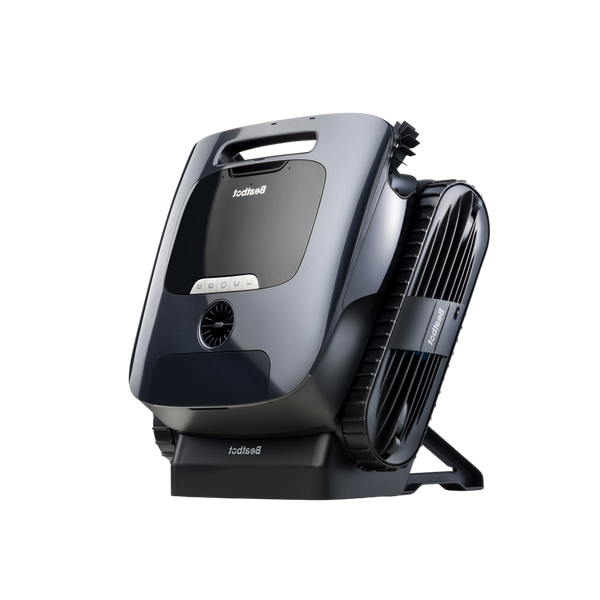

 Sora Series


 AquaSense Series


 Skimmer & Bundle

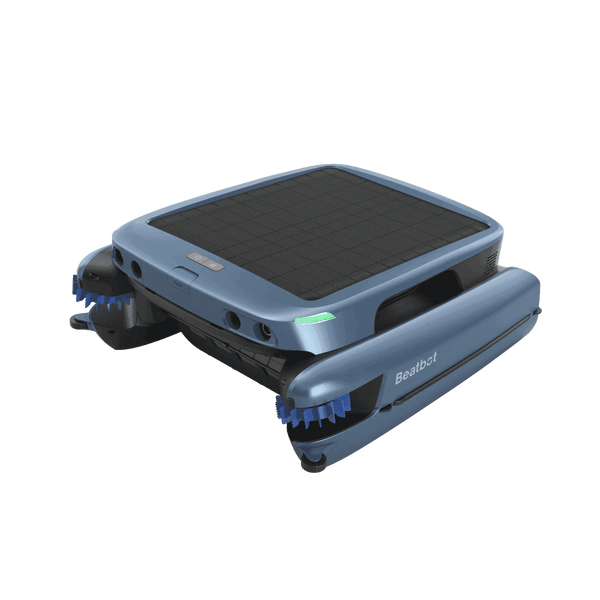
 Retail Edition
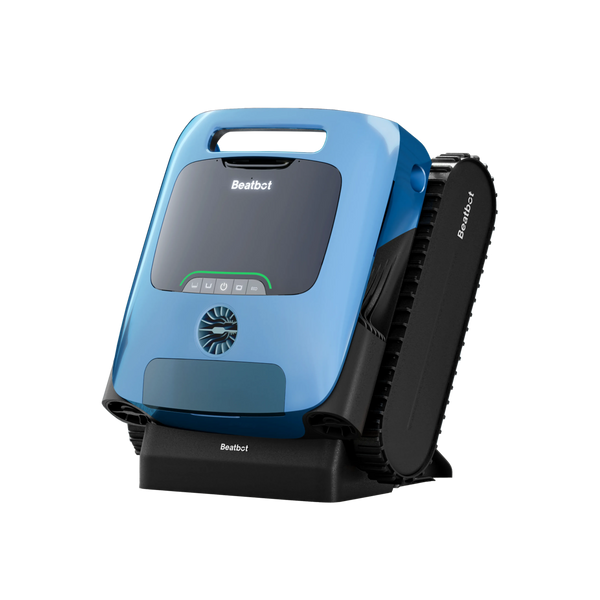


 Accessories



 Extended Warranty


Solar pool ionizers work. They release copper and silver ions into the water to suppress algae growth and reduce bacteria, and in consistently sunny conditions, they can noticeably lower your chlorine demand. But they are not a replacement for pool chemistry. They are a supplemental sanitizer with real limitations.
What Is a Solar Pool Ionizer?
A solar pool ionizer is a floating device that uses solar energy to power a low-voltage electrical current through a metal electrode, typically made primarily of copper and often combined with silver. This current causes the electrode to slowly release positively charged metal ions into the pool water.
Copper ions are the main weapon against algae. Silver ions target bacteria. Together, they create a residual sanitizing effect that continues working in the water even when sunlight is not hitting the device. Unlike chlorine, which degrades quickly, metal ions persist in the water column and keep acting over time.

How Does a Solar Pool Ionizer Work?
Yes, under the right conditions. Solar pool ionizers can meaningfully reduce algae growth and bacterial load in pool water, allowing you to maintain effective sanitation at lower chlorine concentrations, often around 0.5 ppm instead of the standard 1 to 3 ppm. For pool owners in sunny climates who are diligent about maintenance, the reduction in chemical use is real.
Solar ionizers need direct sunlight to generate the electrical current that releases ions. In shaded pools, or during extended cloudy stretches, the device can go largely inactive for days at a time. Users report a wide range of experiences: some see crystal-clear water with dramatically reduced chemical use, while others find the mineral levels difficult to manage or the device too unreliable to depend on.
One firm limitation: a solar ionizer cannot sanitize your pool on its own. Copper and silver ions work slowly and cannot kill bacteria fast enough without a backup oxidizer. You still need chlorine, and you still need to monitor pH and alkalinity.
How Pool Ionizers Target Algae and Bacteria
Copper ions are particularly effective at preventing algae from establishing. Algae blooms thrive when chlorine levels dip and organic matter accumulates, and copper disrupts that process by interfering with algal cell function. Many users find that after adding a solar ionizer, green water problems become rare even at lower chlorine levels.
Silver ions target bacteria, but with an important caveat. When silver is the primary means of bacterial control, some bacterial strains can develop resistance over extended exposure. This is a documented concern with ionizer-treated systems generally, which is a reason to treat the ionizer as a complement to chlorine rather than a replacement for it.
How to Use a Solar Pool Ionizer Correctly
Most pool owners who are frustrated with solar ionizers have the same root problem: they let copper levels get out of control. The copper ion concentration in your pool should stay below 0.5 ppm. Above that level, you risk copper staining, which is blue-green discoloration that appears on pool surfaces, particularly on light-colored plaster, fiberglass, and vinyl liners. Stains caught early can be treated; stains left for weeks become much harder to remove.
To use a solar ionizer effectively:
-
Test copper levels weekly with a dedicated metal test kit. Standard chlorine test strips do not measure copper.
-
Clean the copper anode every two to three weeks. Mineral scale accumulates on the electrode surface over time, insulating it and reducing ion output.
-
Position the device in full sun exposure. Partially shaded areas significantly reduce ionization output.
-
Continue monitoring pH and total alkalinity. Water chemistry out of range affects both ion release rate and the effectiveness of your residual chlorine.

Who Should Use a Solar Pool Ionizer
Solar ionizers are a reasonable choice for pool owners in sun-drenched climates who want to reduce their chemical spend and are willing to add a testing and maintenance routine to their pool care schedule. They work well when conditions cooperate: consistent sun, stable water chemistry, and regular electrode maintenance.
They are a poor fit for pools in frequently overcast or shaded environments, for pool owners who want a truly hands-off system, or for anyone with light-colored pool surfaces who cannot monitor copper levels closely.
Algae feed on organic debris that accumulates on pool surfaces, which means the more debris you let sit, the harder your ionizer has to work. The Beatbot AquaSense 2 Pro robotic pool cleaner runs a 5-in-1 cycle that covers floor, walls, waterline, water surface, and water clarification in a single device.
Its 22-sensor navigation maps the pool for full-coverage path planning, and its ClearWater™ system automatically releases natural clarifiers that flocculate fine suspended particles so they can be captured by the 150 µm filter. The result is less organic load fueling algae growth and less work for your ionizer to keep up with.
Solar Ionizers vs. Electric Inline Ionizers
An electric ionizer connects directly to your pool's plumbing and runs a controlled current through its electrode continuously, regardless of sunlight. Output is consistent, adjustable, and not weather-dependent. Solar ionizers require no plumbing or electrical hookup, which is why they cost far less upfront, typically $100 to $300 versus $700 to $1,500 or more for an electric unit, not counting professional installation.
The cost advantage comes with a reliability tradeoff. In climates with frequent cloud cover or pools with substantial shading, solar output is erratic and hard to manage. For pool owners in consistently sunny regions like the US Southwest or Southeast, a solar unit can perform reliably. For pools in the Pacific Northwest, New England, or areas that see long cloudy seasons, an electric inline system offers more predictable results.
What Maintenance Does a Solar Ionizer Require?
The most important maintenance task is electrode cleaning. Over time, calcium and mineral deposits build up on the copper anode surface, insulating it and cutting ion output. A wire brush and a few minutes of scrubbing every two to three weeks prevents this.
You also need to replace the electrode periodically. Most electrodes last anywhere from several months to a couple of years depending on pool size, usage frequency, and water chemistry. When output noticeably decreases even after cleaning, the electrode is nearing the end of its useful life. Replacement electrodes typically run $30 to $100.
Water testing for copper should be part of your regular pool maintenance routine. Standard test strips for chlorine, pH, and alkalinity do not detect copper. You need a dedicated metal ion test kit, and testing weekly is enough to stay ahead of any buildup.
Solar Pool Ionizer Pros and Cons
The case for solar ionizers: lower chemical cost, no installation required, and silkier-feeling water. Metal ions do not form chloramines, do not evaporate, and do not cause the eye irritation that high chlorine levels can. For pool owners who react sensitively to chemicals, the reduction in chlorine demand alone can make the investment worthwhile.
The case against: solar output is weather-dependent, and electrode maintenance is easy to neglect but consequential when you do. For pool owners who want simplicity, a solar ionizer adds a maintenance obligation rather than removing one.

Are Solar Ionizers Worth It for Above Ground Pools?
Above ground pools are a reasonable use case for solar ionizers. The smaller water volume means ions distribute faster and copper levels are easier to maintain within safe ranges. A solar unit rated for the pool's volume will ionize the water more quickly than it would in a larger inground pool, and the chemical savings can be proportionally significant given how often above ground pool owners need to top up chemical levels.
The same sunlight dependency applies. If the pool sits in full sun for most of the day, a solar ionizer can work reliably. If it is frequently covered or shaded, the device will underperform regardless of pool size.
Above ground pool owners also tend to deal with heavier debris loads from leaves, pollen, and lawn clippings, which raises chemical demand and puts more pressure on the ionizer to compensate.
A pool cleaning robot like the Beatbot Sora 70 robotic pool cleaner is well suited to this scenario: its 6,800 GPH suction handles fine sand through whole leaves without clogging, the 6L filter basket is large enough to manage heavy seasonal debris loads between cleanings, and the cordless design requires no plumbing changes to an above ground pool setup.
It covers floor, walls, waterline, and water surface in a single run, which keeps the organic debris load low and reduces the chemical correction that would otherwise be needed.
FAQs
Are solar pool ionizers worth it?
For pool owners in consistently sunny climates who are willing to test copper weekly and clean the electrode regularly, yes. They can cut chlorine use significantly and reduce skin and eye irritation. For shaded pools, hands-off owners, or anyone unwilling to monitor copper, the staining risk and unreliable output usually outweigh the savings.
How long does it take for a solar pool ionizer to start working?
Ion distribution takes time proportional to pool volume. In a smaller above ground pool, you may notice a difference in water clarity within a week. In a large inground pool, it can take two to three weeks of consistent sun exposure before ion concentrations reach effective levels.
Do I need to shock my pool if I am using an ionizer?
Yes. An ionizer reduces routine chlorine demand, but it does not oxidize organic contaminants like sweat, sunscreen, or body oils, and it cannot break down chloramines. Regular shocking, typically every one to two weeks during heavy use, remains necessary to keep water sanitary and clear.
How do I know if my solar pool ionizer is working?
Test copper levels with a metal test kit. If copper is gradually rising above zero over the first two to three weeks, the device is releasing ions. If copper stays at zero despite sun exposure, the electrode is likely scaled over or worn out. A clean, slightly oxidized copper anode with no thick mineral crust is the visual cue that the device is in working condition.
Will a solar ionizer stain a fiberglass pool?
It can, if copper levels are allowed to exceed 0.5 ppm. Fiberglass surfaces are susceptible to blue-green copper staining when metal ion concentrations get too high. The risk is manageable with regular testing, but it is a real concern.
How often do you need to replace the electrode?
Most electrodes last between several months and two years depending on pool size, water chemistry, and how frequently the device operates. Harder water and higher pH accelerate scale buildup, which can shorten electrode life if the anode is not cleaned regularly. When output noticeably decreases even after cleaning, the electrode is likely near the end of its useful life.


