

 Flagship

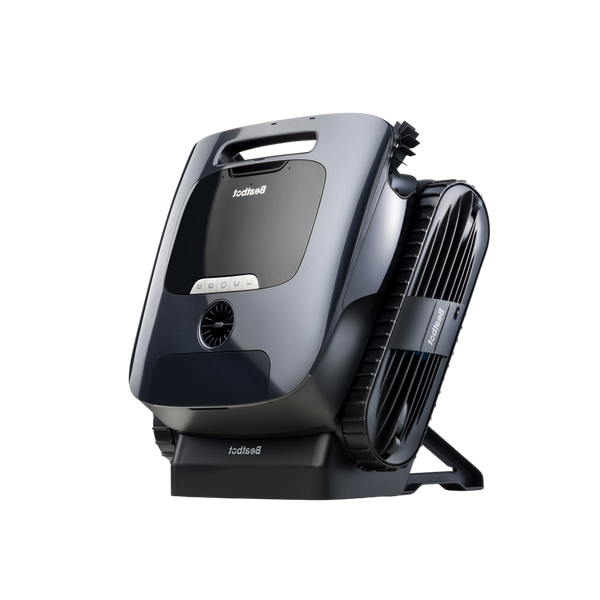

 Sora Series


 AquaSense Series


 Skimmer & Bundle

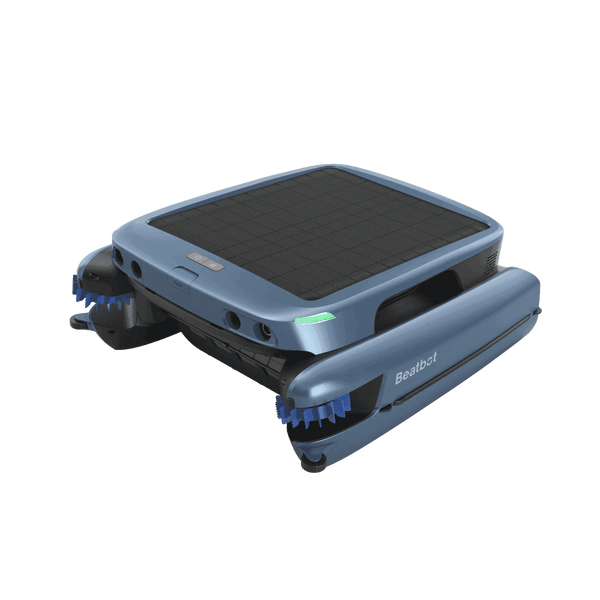
 Retail Edition
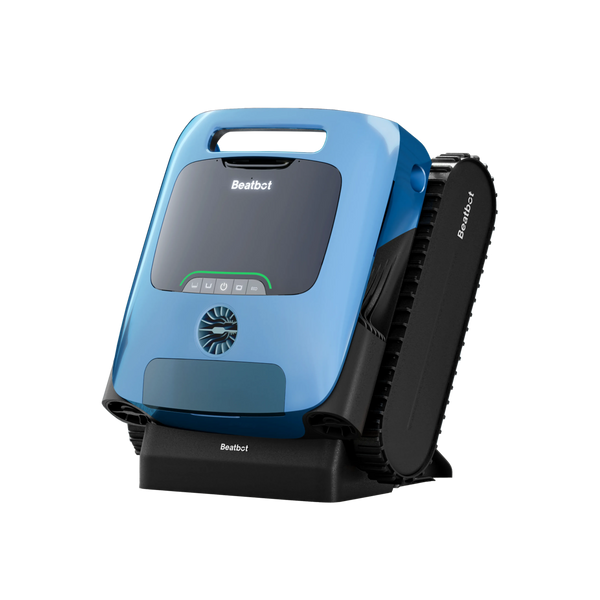


 Accessories


 Extended Warranty


A large pool in a tree-heavy yard is one of the hardest environments for any robotic pool cleaner. The problem is not just volume: a wide floor area, irregular debris loads, and leaves that mat together and clog filters mid-cycle all compound at scale.
What separates a pool robot that can keep up is the combination of a large debris basket, strong suction through a wide intake, and efficient navigation that actually covers the whole floor on one charge — and with surface-parking technology, you do not need a corded machine tethered to an outlet to get that performance.
Our three cordless models built around this combination are the Beatbot Sora 70 robotic pool cleaner, the Beatbot AquaSense 2 Ultra, and the Beatbot AquaSense X, and which one is right for your pool depends on its size, debris load, and how much maintenance you want to do yourself.
Why Large Pools with Heavy Leaves Demand More from a Pool Cleaner
Most pool robots fail in high-debris environments for two predictable reasons: an undersized basket fills before the cycle completes, and without efficient path planning, the robot wastes runtime covering already-clean areas. For pools above 3,000 square feet, both problems are amplified.
Whole leaves and palm fronds also require a large enough suction inlet to enter without jamming. Robots designed for fine sediment use smaller inlets and lighter suction, which translates to clogging, flow reduction, and mid-cycle shutdowns when the debris load is heavy.
What to Look for in a Pool Cleaner for Heavy Leaves and Debris
Not all pool robots are built for heavy debris. Five specs determine whether a robot can actually keep up with a large, leaf-heavy pool, and they interact in ways a single number rarely captures.
Debris Basket Capacity
Basket capacity is the most underappreciated spec in this category. When a basket fills mid-cycle, water flow drops and debris gets pushed around rather than captured. For large pools, look for 4L or above, and if self-emptying is available, the station's total storage capacity matters more than the robot basket alone.
Suction Power and Inlet Size
Suction power below 5,000 GPH struggles with dense leaf loads. Our Sora 70 and AquaSense X both deliver 6,800 GPH, a meaningful step above the category norm that shows most clearly when whole leaves or twigs are involved.
Inlet size determines what actually gets captured: a 6.7-inch opening admits whole leaves and palm fronds, while smaller inlets handle fine sediment well but jam with large organic debris.
Runtime vs. Debris Load
Runtime matters in a way the spec sheet does not always make clear. Our coverage ratings assume typical conditions. During a heavy autumn drop, the basket can fill before the battery does, which is the real limit on whether a single cycle finishes the job. Basket capacity and runtime have to be read together, not separately.
Surface Cleaning
Floating leaves eventually sink and add to the floor load, so a robot that only cleans submerged surfaces means running a separate skimmer in parallel. All three of our models here include active water-surface cleaning.
Weight and Retrieval
A cordless robot has to come out of the water after each cycle, and lifting a heavy unit from the deep end is the part owners complain about most. Surface-parking technology, which floats the robot to the pool edge and drains its internal water before retrieval, changes that experience more than the raw weight number does.
Here is how our three models compare across those factors:
|
Beatbot Sora 70 |
Beatbot AquaSense 2 Ultra |
Beatbot AquaSense X |
|
|
Suction Power |
6,800 GPH |
5,500 GPH |
6,800 GPH |
|
Debris Basket |
6L |
4.0L (outer) |
5L |
|
Surface Cleaning |
Yes (JetPulse™) |
Yes |
Yes |
|
AI Debris Detection |
No |
Yes (40+ types) |
Yes (40+ types) |
|
Pool Coverage |
Up to 3,230 sq ft |
Up to 3,875 sq ft |
Up to 3,875 sq ft |
|
Self-Cleaning Station |
No |
No |
Yes (AstroRinse™) |
|
Water Clarification |
No |
Yes (ClearWater™) |
Yes (ClearWater™) |
|
Robot Weight |
22.9 lbs |
29.1 lbs |
28.9 lbs |
|
Battery |
10,000 mAh |
13,400 mAh |
13,400 mAh |
|
Warranty |
3 years |
3 years |
3 years |
Beatbot Sora 70: Built for High-Debris Volume
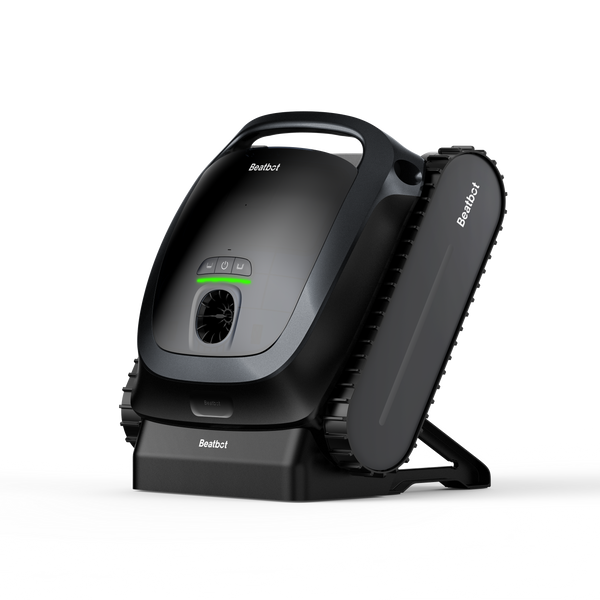
If you want strong debris handling and complete pool coverage without an AI camera system, the Beatbot Sora 70 robotic pool cleaner is the one. Its 6L debris basket is 2 to 3 times larger than most competitors in this category, which means it completes a full cycle through heavy leaf loads without stopping to be emptied.
The Sora 70 delivers 6,800 GPH of suction through a HydroBalance center-mounted pump that keeps water resistance low and flow consistent. The 6.7-inch suction inlet admits whole leaves and twigs without jamming, and the bottom-hugging track design maintains suction contact across any pool floor material.
The standard 150-micron filter handles bulk debris without clogging under seasonal loads. An optional 3-micron ultra-fine filter is available for water-clarity passes between heavy sessions.
The JetPulse surface cleaning system pulls floating leaves inward using converging twin jets, and the dual-group roller brushes scrub algae and stuck debris off walls and waterline surfaces.
The 10,000 mAh battery covers up to 3,230 square feet per charge, with up to 4.5 hours of floor, walls, and waterline cleaning and up to 7 hours of surface-only cleaning. Coverage includes floor, walls, waterline, water surface, platforms, and shallow areas down to 8 inches.
At 22.9 lbs, retrieval is manageable to start with. When a cycle finishes or the battery drops low, smart water-surface parking floats the robot to the pool edge, and SmartDrain releases its internal water before you pick it up. It is a walk-over-and-lift task rather than a fishing job from the deep end.
Beatbot AquaSense 2 Ultra: AI Debris Detection for Pools That Cannot Have Missed Spots
The Beatbot AquaSense 2 Ultra robotic pool cleaner covers pools up to 3,875 square feet and adds an AI camera that catches what path-based cleaning misses.
After two full floor passes, our HybridSense system scans for remaining plant debris and re-targets those specific locations rather than running another full cycle. In laboratory conditions on 50-square-meter pools, AI Quick Mode delivers the same debris removal in approximately 50% less time compared to a standard floor cycle under similar conditions.

Debris detection covers 40 types of organic material on the floor and water surface, including oak, maple, palm, pine, and sycamore leaves, as well as acorns, pine cones, berries, and nuts. Detection accuracy improves over time through OTA updates.
With Night Cleaning, our AI detection system runs at full capability using dual 1500 Lx front LED headlights, extending your available cleaning window to 24 hours. Dual side brushes sweep debris from pool edges into the central intake during surface passes, reaching corners that most robots skip.
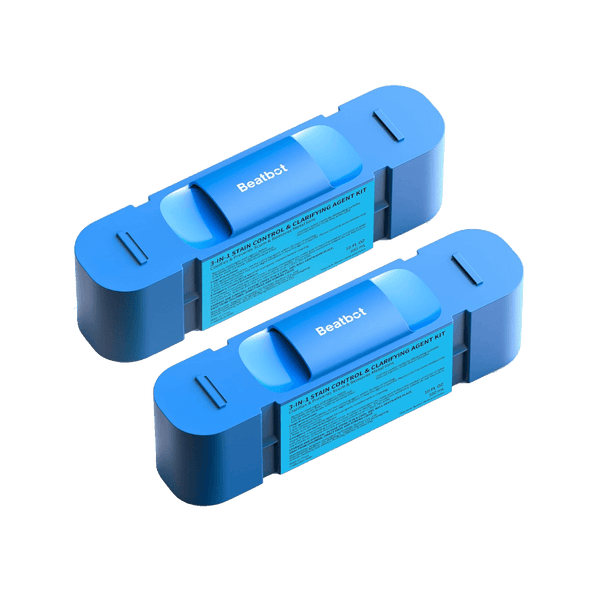
The filter basket holds 4.0L in the outer compartment, which is smaller than the Sora 70's 6L. In very heavy debris environments, expect more frequent emptying. ClearWater clarification removes oils, fine particles, and metal ions from the water during cleaning.
At 29.1 lbs, the retrieval system matters. The AquaSense 2 Ultra parks at the water surface near the pool edge after each cycle, and SmartDrain releases internal water before pickup, so what you actually lift is lower than the spec number alone suggests.
Beatbot AquaSense X: Full Automation for Large Pools Where Manual Maintenance Is Not an Option
If your pool is large, the debris load is heavy and consistent, and you want to intervene as rarely as possible, the Beatbot AquaSense X robotic pool cleaner is built for that.
Our AstroRinse self-cleaning station automatically empties the debris basket and rinses the filter within 3 minutes after every session. The station holds 22L — around 3,000 leaves — and typically needs manual emptying only once every one to two months.
Powering it are 29 sensors — the same AI camera and HybridSense vision as the AquaSense 2 Ultra — with debris detection expanded to 40 or more types across both the pool floor and water surface. Pool coverage is up to 3,875 square feet per charge from a 13,400 mAh battery, with up to 5 hours of floor cleaning and up to 10 hours of surface-only cleaning.
MultiZone mode covers floor, walls, waterline, water surface, large steps, and platforms in a single automated sequence. Platform cleaning reaches areas with as little as 14 inches of water depth. You can also start a cleaning cycle or trigger the station's self-clean by voice through Google Home, Amazon Alexa, or Apple Siri. ClearWater clarification handles oils, fine particles, scale buildup, and metal ions.
When cleaning is done, the AquaSense X returns to its station, which empties and rinses it automatically. The routine of lifting a wet 28.9 lb unit and cleaning a basket is taken out of your weekly schedule almost entirely. For a large tree-surrounded pool, that is a meaningfully different ownership experience, and it is the main reason the AquaSense X sits at the top of the price range among these three.
Which Beatbot Model Fits Your Pool?
For pools up to 3,230 square feet with heavy seasonal leaves, the Beatbot Sora 70 is what we recommend. The 6L basket and 6,800 GPH suction handle peak debris loads without interruption, JetPulse surface cleaning captures leaves before they sink, and it is the most accessible of the three on price.
For larger pools up to 3,875 square feet where debris patterns are irregular — leaves clustering in corners, seeds settling on steps, material drifting back from inlets — the Beatbot AquaSense 2 Ultra catches what path-based cleaning misses. The AI detection layer is the reason it sits above the Sora 70 in price, and the 4.0L basket is the trade-off.
For pools that need low-intervention cleaning year-round, the Beatbot AquaSense X takes basket emptying and retrieval out of your routine almost entirely. It is the most expensive of the three, and the self-cleaning station is what that cost buys.

FAQs
Does a robotic pool cleaner replace my skimmer during fall leaf season?
Yes, if it cleans the water surface. The Sora 70, AquaSense 2 Ultra, and AquaSense X all collect floating leaves before they sink, which reduces or eliminates the need to run a separate skimmer. A robot that only cleans the floor and walls will not do this, since surface leaves keep dropping back down between cycles.
How often do I need to empty the filter basket during heavy leaf season?
With a 4.0L basket (as on the Beatbot AquaSense 2 Ultra), daily or every-other-day emptying is typical at peak season. The Beatbot Sora 70's 6L basket extends that interval. The Beatbot AquaSense X auto-transfers debris into the 22L station bin after every session and typically needs manual emptying only once every one to two months.
How heavy are these Beatbot robots to lift out of the pool?
The Sora 70 is 22.9 lbs, the AquaSense X is 28.9 lbs, and the AquaSense 2 Ultra is 29.1 lbs. All three reduce the effective lifting weight through SmartDrain, which releases internal water before you pick them up, and they park at the pool edge rather than sinking to the deep end. The AquaSense X goes further by returning to its station on its own.
Can a cordless pool robot keep up with a leaf-heavy pool, or do I need a corded model?
A cordless robot handles heavy leaf pools well, provided the basket is large enough and the runtime covers your pool on one charge. The limiting factor in heavy debris conditions is usually basket capacity, not cord versus battery. The Sora 70's 6L basket and the AquaSense X's self-emptying 22L station are both built specifically around that constraint.
What is the difference between surface cleaning and surface parking in pool robots?
Surface cleaning means the robot actively moves across the water and collects floating debris through suction or jets. Surface parking means the robot floats at the pool edge after its cycle for easy retrieval but does not clean the surface. All three Beatbot models here do true surface cleaning, not just surface parking.


