

 Flagship


 Sora Series


 AquaSense Series


 Skimmer & Bundle

 Retail Edition


 Accessories



 Extended Warranty


Pool ionizers are worth it if your main goal is to significantly reduce chlorine use and lower ongoing chemical costs. They work by releasing copper (and sometimes silver) ions into the water, which kill algae and slow bacterial growth.
That said, they are not a stand-alone sanitizer. You still need to maintain a low level of chlorine — around 0.5 ppm — and you need to monitor copper levels consistently to avoid staining. For most homeowners who want softer, less irritating water without abandoning chlorine entirely, a pool ionizer is a practical addition.
How a Pool Ionizer Works
A pool ionizer uses electrolysis to release mineral ions — most commonly copper — into the water. Copper is a natural algaecide. At the right concentration (generally 0.2–0.4 ppm), copper ions disrupt algae cell membranes and prevent regrowth, which means you use far less chlorine to keep the water clean.
The ionizer does not replace chlorine's role as an oxidizer. Chlorine breaks down organic waste — sunscreen, sweat, body oils — that copper ions cannot handle. Running a pool ionizer alongside a reduced chlorine dose, not instead of one, is the correct approach.
There are two main types:
-
Solar floating ionizers: These sit on the water surface and use sunlight to power a small electrode that releases copper ions. They cost roughly $55 to $140 and require no installation.
-
Inline electronic ionizers: Installed directly into your plumbing on the return line, these run continuously and treat the full water volume with adjustable output. They tend to cost $700 to $1,500 or more for professional installation but deliver more consistent, controllable ion levels.

Do Pool Ionizers Work?
Pool ionizers are effective at suppressing algae growth and reducing the amount of chlorine needed to maintain sanitized water. The copper ion mechanism is well-established chemistry, not marketing language.
They do not work as a complete replacement for chlorine. The EPA does not recognize copper ionization alone as a sufficient primary sanitizer for swimming pools. Copper ions do not oxidize organic waste, and without at least some chlorine, bacteria and other pathogens can persist.
Solar ionizer reviews in owner communities generally support effectiveness at reducing chlorine consumption and improving water feel. Complaints cluster around staining when copper levels are not monitored and around poor performance in shaded or overcast conditions.
Benefits of Using a Pool Ionizer
Reduced chlorine use is the most consistently reported outcome. Studies and pool chemistry sources commonly cite 50% to 85% less chlorine compared to a traditional chlorine-only approach, which translates to lower chemical costs, less off-gassing, and water that is gentler on eyes, skin, and swimwear.
Algae control is where copper ions do their most visible work. Copper is an aggressive, long-lasting algaecide, and pool owners who previously dealt with algae blooms after heavy rain or heat waves often report significantly fewer episodes — fewer shock treatments, less algaecide spending.
Water feel improves noticeably as chloramine levels drop. Lower chemical loads produce softer water, which matters most for families with young children or adults with sensitive skin who find heavily chlorinated water irritating.
Pool Ionizer Drawbacks and Side Effects
The most serious risk with pool ionizers is copper staining. If copper levels climb above 0.5 ppm — whether due to electrode degradation, imbalanced pH, or infrequent testing — the excess copper can bind to pool surfaces and turn them green or blue-green. Light-colored plaster and vinyl pools are most vulnerable. This staining is difficult and sometimes expensive to remove.
Hair discoloration is a related concern. Swimmers with blonde or chemically treated hair can experience greenish tinting when copper levels are elevated. It is reversible but annoying, and it is a common complaint in forums and owner reviews.
Solar ionizers are limited by sun exposure. They do not function at night and perform poorly in shaded pools or during extended cloudy periods. If your pool sits under a pergola or has limited southern exposure, a solar unit may simply not provide enough ion output to make a noticeable difference.
Monitoring requirements add ongoing effort. Unlike adding a chlorine tablet and walking away, ionizers require regular copper level testing on top of your usual pH and chlorine checks. A test kit that measures copper, or copper-specific test strips, becomes part of your weekly routine.

Solar vs. Inline Pool Ionizers
Solar ionizers make the most sense for smaller pools in sunny climates where the owner wants a low-cost, low-commitment trial of ionization. They float freely, require no plumbing, and cost under $150. The tradeoff is inconsistency: output varies with sunlight, and they are generally insufficient for pools larger than 25,000 gallons if used as the primary mineral treatment.
Inline ionizers are better suited to larger pools, year-round swimming environments, or owners who want precise, adjustable control over ion output. They are installed on the return line, downstream from the filter and heater, so treated water is distributed evenly through the pool on each circulation cycle.
Setup requires professional installation, and the upfront cost is significantly higher, but the results are more predictable. Plug-in ionizers fall into this category: they connect to your plumbing the same way and function identically, with the electrode powered by a wall outlet rather than a dedicated control unit.
Who Should Use a Pool Ionizer
A pool ionizer is a good fit if you regularly deal with algae, have family members sensitive to chlorine, or want to reduce your chemical spending without overhauling your pool equipment.
One factor that determines how much benefit you actually see: how much organic debris ends up in your water. Leaves, pollen, dust, and decaying matter consume chlorine on contact, which works against the chlorine reduction an ionizer is meant to deliver. The cleaner your water stays physically, the less chlorine you burn through, and the more your ionizer's algae-suppression work translates into real chemical savings.
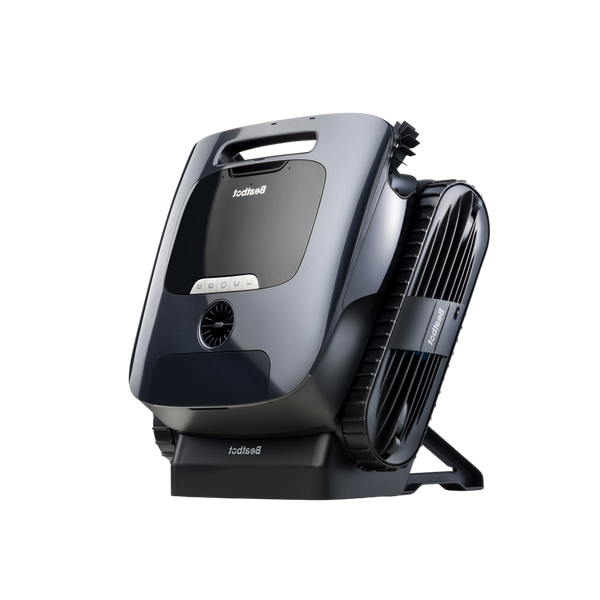
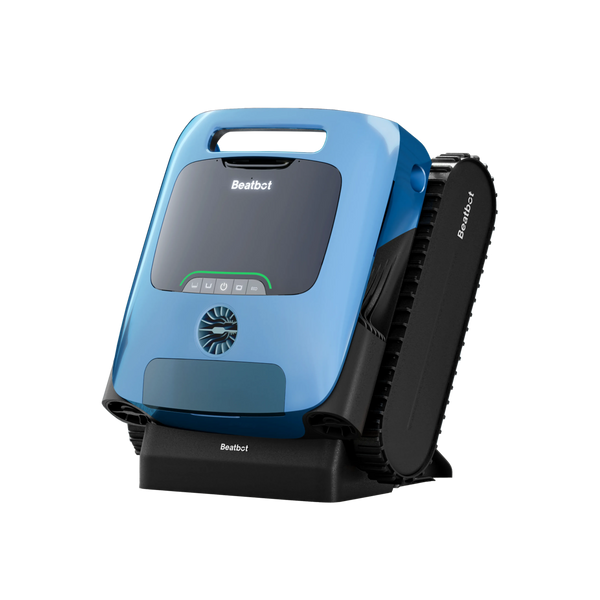
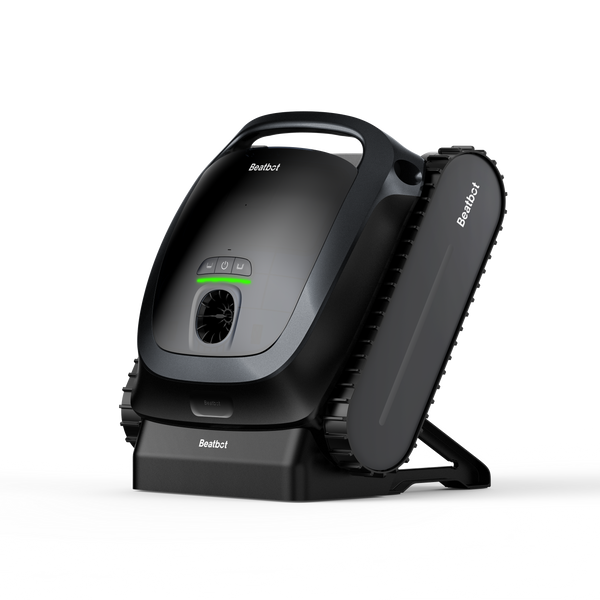
This is where a cordless robotic pool cleaner like the Beatbot Sora 10 fits in. It pulls debris out of the water mechanically with 6,800 GPH suction power and a 5L filter at 150μm filtration, reducing the debris load that would otherwise consume chlorine.
A 7,800mAh battery delivers up to 5 hours of floor-cleaning runtime, with full coverage across floors, walls, and waterlines in pools up to 3,299 sq ft per cycle. That kind of consistent physical cleaning lets ionization do its job without competing demand on chlorine.
For pools with platforms or shallow features that need active coverage, the Beatbot Sora 30 robotic pool cleaner extends the same approach with a 10,000mAh battery and platform-seeking cleaning down to 8 inches deep.
You should skip a pool ionizer if you want a completely hands-off chemistry system, if your pool is heavily shaded (limiting solar ionizer effectiveness), or if your pool surfaces are prone to staining and you are not willing to test copper levels weekly. It is also a poor fit for anyone expecting zero-chlorine operation.
FAQs
Do I need to shock my pool if I'm using an ionizer?
Yes. Shocking serves a different purpose than ionization. Shock treatment oxidizes built-up organic waste and chloramine compounds that copper ions cannot break down. Most pool owners using an ionizer still shock weekly during heavy use or biweekly during off-peak weeks to keep combined chlorine levels under control.
How long does a pool ionizer last?
Solar floating ionizers typically last one to three swimming seasons, with the copper electrode being the first component to wear out. Inline electronic ionizers run for five to ten years, with replacement electrodes needed every one to three years depending on pool size and run schedule.
How often do I need to test copper levels?
You should test copper levels at least once a week alongside your standard pH and chlorine checks. The target range is 0.2 to 0.4 ppm. Copper above 0.5 ppm increases staining risk.
What are the most common pool ionizer problems?
Copper staining on pool surfaces, green tinting in blonde hair, and inconsistent output from solar units in low-sunlight conditions are the most commonly reported problems.
Is a copper pool ionizer safe for all pool surfaces?
Copper ionization is generally safe for concrete, fiberglass, vinyl, and ceramic tile pools when copper levels stay within the recommended range. Light-colored plaster and white vinyl are more susceptible to visible staining if copper levels rise, so they require more attentive monitoring.


