Most Popular


 Sora Series


 AquaSense Series

 Skimmer & Bundle

 Retail Edition


 Accessories


For most pool owners planning to keep their pool for more than a few years, a variable speed pump is usually the better long-term choice. It costs more upfront, but it uses much less electricity over time and offers more control over how the pool runs.
A single speed pump is usually the better fit when the goal is lower upfront cost, a simple replacement, or a smaller setup where long-term savings matter less. Local efficiency rules can also affect what you can install, so it is worth checking current requirements before you buy.
Side-by-Side Comparison
The table below summarizes the key differences between single speed and variable speed pool pumps.
|
Single Speed |
Variable Speed |
|
|
Motor Type |
Induction motor |
Permanent magnet motor |
|
Operating Speed |
Fixed (3,450 RPM) |
Adjustable (600–3,450 RPM) |
|
Energy Use |
Full power whenever running |
Scales with speed setting |
|
Noise Level |
Louder |
Quieter at low speeds |
|
Upfront Cost |
Lower |
Higher |
|
Long-Term Running Cost |
Higher |
Lower |
|
Programmability |
On/off timer only |
Speed schedules, automation |
|
Lifespan |
Shorter on average |
Longer (fan-cooled motor) |
|
U.S. Regulations |
Restricted in many states |
Compliant nationwide |
Which One Is Right for Your Pool?
Choose a single speed pump when lower upfront cost is the main priority and your setup is simple. It is usually the more practical option for short-term ownership, straightforward replacement jobs, and smaller pools where the energy savings of a variable speed model may take longer to recover.
Choose a variable speed pump when lower long-term running cost, quieter operation, and more flexible control matter more than the initial purchase price. It is usually the better fit for new pool builds, long-term ownership, pools with spas or water features, and setups where different tasks require different flow rates.
If you are unsure, think of it this way:
-
Single speed = lower cost now
-
Variable speed = lower cost over time
|
Your Situation |
Better Fit |
Reason |
|
Replacing a pump, staying short-term |
Single speed |
Lower upfront cost, easier swap |
|
New pool or long-term ownership |
Variable speed |
Energy savings compound over seasons |
|
Pool with spa or water features |
Variable speed |
Different speeds for different tasks |
|
State with efficiency regulations |
Variable speed |
Single speed may not be compliant |
|
Budget-constrained, small pool |
Single speed or dual speed |
May not recoup savings fast enough |
Pools with attached spas, heating systems, or water features benefit most from variable speed pumps because each function requires a different flow rate. A variable speed pump can be programmed to ramp up when the heater calls for flow and drop back to a low filtration speed the rest of the time. A single speed pump runs at full power whether it is filtering the pool or running the spa jets, with no ability to distinguish between the two.
How the Two Pumps Work Differently
A single speed pump uses an induction motor that runs at one fixed speed, typically 3,450 RPM, whenever it is switched on. A variable speed pump uses a permanent magnet motor, the same technology found in electric vehicles, that can run anywhere from around 600 RPM to 3,450 RPM depending on what the pool needs at any given time.
The motor type matters because permanent magnet motors are inherently more efficient than induction motors. They convert more of the electrical input into mechanical output and generate less heat in the process. Variable speed pumps are also fan-cooled and fully enclosed, which protects the motor from water intrusion and helps extend its service life.
Why Lower Speed Saves So Much Energy
The reason variable speed pumps save as much energy as they do comes down to one physics principle: pump power scales with the cube of speed. Cut the pump speed in half and energy consumption drops to roughly one-eighth, not one-half. That relationship is called the affinity law, and it is why running a variable speed pump slowly for a longer period costs far less than running a single speed pump at full power for a shorter one.
A single speed pump running at 3,450 RPM for 8 hours uses the same electricity as a variable speed pump running at full speed for the same period. But most pools do not need maximum flow during all 8 hours of filtration.
During routine water circulation, a lower speed is sufficient. The variable speed pump can run those hours at a fraction of the power draw. According to research published by the U.S. Department of Energy, variable speed pumps can deliver comparable water turnover to single speed pumps at significantly lower total energy use when run continuously at reduced speeds.
What Single Speed Pumps Do Well
Single speed pumps are simple, reliable, and inexpensive to purchase and repair. They have fewer components, no electronic controls, and straightforward wiring. When a single speed pump fails, the repair is usually cheaper and faster than fixing a variable speed unit. For pool owners replacing a pump on a short timeline, or for above ground pools where the pump is a seasonal item, a single speed pump is a practical choice.
The main limitation is that full-power operation is inefficient for routine filtration. The pump cannot slow down when high flow is not needed, which means it draws peak electricity regardless of the actual demand. Running it on a timer helps, but it still operates at 3,450 RPM during every minute it is on.
What Variable Speed Pumps Do Well
Variable speed pumps let you match pump output to the actual task. During overnight filtration, a low speed setting moves enough water to complete a turnover cycle while drawing a fraction of the electricity. When you need to run a spa, backwash the filter, or operate a waterfall, you can schedule a higher speed for those specific windows.
Beyond energy savings, lower operating speeds reduce noise, create gentler water movement that improves chemical distribution, and put less mechanical stress on the motor. Variable speed pumps are fan-cooled and run cooler than single speed models, which contributes to a longer service life. They also include digital diagnostics that can flag problems early, which can reduce repair costs over time.
Many U.S. jurisdictions now favor or require more energy-efficient pool pump options for certain new or replacement installations. Because these rules can vary by location and may change over time, it is best to check current local requirements before choosing between a single speed, dual speed, or variable speed pump. In some areas, a single speed pump above certain thresholds may not be the preferred or compliant option.

What Your Pump Handles and What It Does Not
Your pool pump circulates water through the filter and keeps it chemically treated. Debris that settles on the floor, algae on the walls, grime on the waterline, and leaves floating on the surface are not handled by the pump. No matter which pump type you choose, physical cleaning is a separate job.
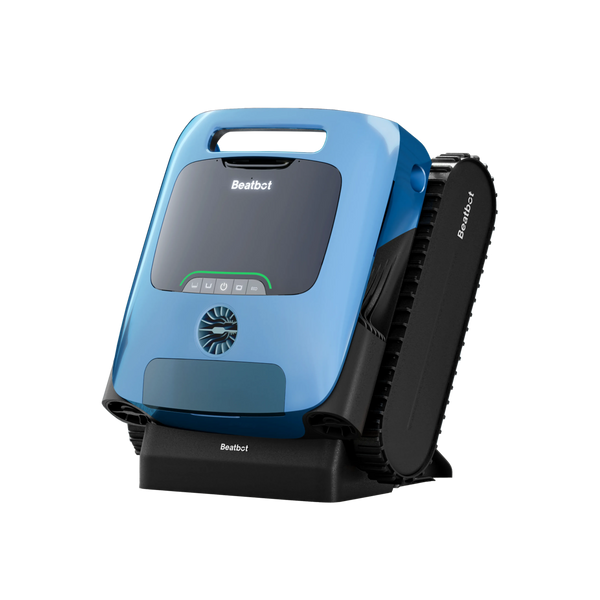
Most pool owners pair their pump with a robotic pool cleaner to cover that side of maintenance. Robotic cleaners run on battery power with no connection to the pump system. They work through their cleaning cycle independently, picking up what the filter never sees: settled sand and debris, wall buildup, waterline stains, and in some cases floating surface debris.
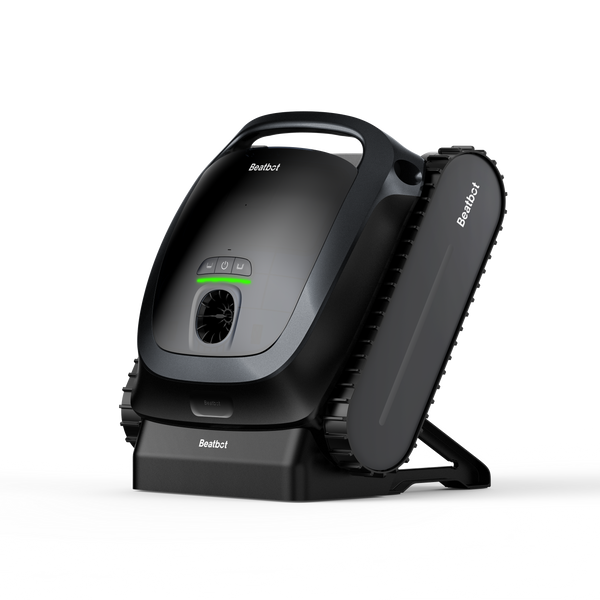
The Beatbot Sora series fits alongside any pump setup. The Beatbot Sora 70 covers the full pool: floor, walls, waterline, shallow platforms down to 8 inches, and the water surface using its JetPulse system. On high-pollen days or after wind, it collects floating debris before it sinks and creates extra filtration load.
The Beatbot Sora 30 handles the same underwater zones without surface cleaning, reaching platforms as shallow as 8 inches. The Beatbot Sora 10 covers floor, walls, waterline, and platforms down to 12 inches, and parks at the waterline automatically when the cycle ends so you do not have to reach into the water to retrieve it.
FAQs
Is a variable speed pump worth the higher upfront cost?
For most pool owners who plan to use their pool for more than two or three seasons, yes. The energy savings from running at lower speeds during routine filtration typically offset the higher purchase cost within a few years. Pools with spas or water features tend to see the payback period shorten because the pump can precisely match speed to each task instead of running at full power all the time.
Can I replace a single speed pump with a variable speed pump?
Yes. Variable speed pumps are available in standard plumbing configurations that match most existing residential pool setups. Check that the replacement pump's flow rate range covers your pool's turnover requirements, and verify voltage compatibility at your equipment pad before purchasing.
How much quieter is a variable speed pump?
At low speeds, a variable speed pump is significantly quieter than a single speed pump running at full power. Single speed pumps operate at a constant 3,450 RPM, which produces noticeable mechanical noise. Variable speed pumps running routine filtration cycles at 1,000 to 1,500 RPM are often nearly inaudible from a short distance.
Do I need a variable speed pump if my pool is small?
Smaller pools need less flow to achieve a full turnover, which means the variable speed pump can run at even lower speeds for longer periods, amplifying the energy savings per cycle. That said, the payback period for a small pool may be longer than for a larger one. Check whether your state requires variable speed for pumps above 1 HP before deciding.
What is a dual speed pump and how does it compare?
A dual speed pump has two fixed settings: high speed and low speed. It uses an induction motor like a single speed pump, so it is less efficient than a variable speed unit at any given output level. It offers more flexibility than a single speed pump and costs less than a variable speed model. It is a reasonable middle option in states that allow dual speed as an alternative to variable speed.