Most Popular


 Sora Series


 AquaSense Series

 Skimmer & Bundle

 Retail Edition


 Accessories


For most in ground pools, a 1.5-inch diameter hose long enough to reach the farthest corner of the pool is the right starting point. For material, spiral-wound reinforced hose is the default choice for any automatic suction cleaner used regularly.
It holds its shape under suction, resists kinking, and handles daily use without cracking. Thin flexible EVA hose works for occasional manual vacuuming but collapses under the continuous pressure of an automatic cleaner.
Getting Hose Diameter Right
The standard diameter for residential in ground pools is 1.5 inches. This matches the inlet size on most suction-side automatic cleaners and the port on standard skimmer boxes. Using a hose that is too narrow for your pump's flow rate creates a bottleneck. The pump strains to pull water through and suction at the cleaner head drops.
Some above ground pools and smaller setups use 1.25-inch hoses. If your cleaner or skimmer specifies a different size, follow that spec. Mixing diameter sizes with adapters works in some cases, but any reduction in diameter between the skimmer and the cleaner head will reduce suction.
Check two things before buying: the diameter of your skimmer inlet and the inlet port on your cleaner or vacuum head. Both need to match the hose diameter you choose.
Choosing the Right Hose Length
Measure the distance from your skimmer box to the farthest corner of your pool along the floor. Add 2 feet for slack. That is the minimum length you need. A hose that is even slightly short forces the cleaner to work against tension, which restricts movement and leaves corners uncleaned.
Too long creates its own problems. Excess hose coils on the pool floor, tangles around the cleaner, and increases the total resistance in the suction line. A rough guide by pool size: pools under 400 square feet typically need 25 to 30 feet of hose, pools in the 400 to 600 square foot range need 30 to 40 feet, and larger pools above 600 square feet may need 40 to 50 feet or more.
Most pool hoses are sold in individual sections, usually around 4 to 5 feet each, that connect end to end. This lets you add or remove sections as needed rather than buying a fixed-length hose that may not fit your pool's layout.

Understanding Pool Hose Materials
Spiral-wound reinforced hose is the right choice for most pool setups. It holds its shape under suction pressure, resists kinking, and holds up to daily UV exposure better than basic flexible hose. Thin-walled EVA hose is fine for manual vacuuming a few times a month, but it collapses or cracks quickly when used with an automatic cleaner running on a regular schedule.
|
Material |
What It Offers |
Best For |
|
Flexible EVA plastic |
Lightweight, basic construction |
Manual vacuuming, occasional use |
|
Spiral-wound reinforced |
Kink-resistant structure, holds shape under suction |
Automatic suction cleaners, regular use |
|
Heavy-duty ribbed |
UV-stable, crush-resistant, longest lifespan |
Permanent setups, high-debris pools |
UV degradation is the most common reason pool hoses fail early. Even UV-resistant hoses last longer when stored out of direct sunlight between uses. A hose left coiled on the deck in full sun through a summer will show cracking and reduced flexibility long before one that is stored in shade or indoors.

Matching Your Hose to Your Pool Cleaner
Not all pool hoses work with all cleaners. Suction-side automatic cleaners require a hose that maintains an airtight seal along its entire length. Any small crack or loose fitting breaks the suction loop and the cleaner stops moving. Before connecting a new hose, submerge the full length to remove trapped air, then check all connection points while the pump is running.
The fittings on each hose section are called cuffs. They must match the inlet on your cleaner and the outlet on the preceding section. Most cleaners specify the cuff size in their manual. If you are replacing a worn hose section rather than the full hose, bring the old section to match the cuff design rather than guessing.
Pressure-side cleaners use a dedicated pressure line rather than the suction side hose and have different hose requirements. If you have a pressure-side cleaner, check the manufacturer's spec for hose diameter and fitting type before purchasing.
Do You Need a Swivel Hose?
If you use a suction-side automatic cleaner, yes. A swivel hose has rotating couplings between sections that let the cleaner change direction without twisting the hose. Without swivel fittings, the hose coils tighter with each direction change until the cleaner either stops moving or pulls the hose into a knot on the pool floor.
For manual vacuuming where you control the hose direction directly, a standard non-swivel hose works fine. If you use a suction-side automatic cleaner and find that the hose regularly ends up in a tight coil by the end of a cycle, switching to swivel connections will solve it.
How to Make Your Pool Hose Last
Store the hose loosely coiled and out of direct sunlight. UV exposure is the most common reason pool hoses fail early. Even UV-resistant hoses crack faster when left coiled on the deck between uses. A hose stored in shade or indoors after each session will outlast one left in the sun by a full season or more.
Inspect the full hose length monthly. Run your hand along it while the pump is running to feel for air leaks. Look for white stress marks, surface cracks, or soft spots. A hose that has started cracking will not improve. Replace it before suction loss affects your cleaner's performance.
Flush the hose with fresh water after vacuuming heavy debris or algae. Debris that sits in the hose between uses can contribute to wall degradation over time, particularly in hoses that see regular chemical exposure from chlorine or saltwater.
Common Hose Problems and How to Fix Them
|
Problem |
Likely Cause |
Fix |
|
Hose floats above water |
Air trapped inside |
Submerge the full hose before connecting to purge air |
|
Weak suction |
Kink, crack, or loose fitting |
Inspect full length; replace damaged section or reseat the fitting |
|
Cleaner stops moving mid-cycle |
Hose too short or tangled |
Add a section or reduce length to remove slack |
|
Hose disconnects at skimmer |
Wrong cuff size or worn fitting |
Match cuff diameter to skimmer inlet; replace worn cuff |
|
Hose collapses under suction |
Wall too thin for pump flow rate |
Upgrade to spiral-wound or heavy-duty ribbed hose |

When Skipping the Hose Makes More Sense
Suction hoses work, but they come with real maintenance overhead: sizing them correctly, purging air before each use, checking for cracks, storing them properly, and replacing sections as they wear. For pool owners who want less hands-on time, cordless robotic pool cleaners eliminate the hose entirely.
A cordless robotic cleaner has its own self-contained suction system, onboard filter basket, and battery. It drops into the pool, cleans on its own, and comes back out without any connection to your skimmer or pump line. There is no hose to size, no air to purge, and no fittings to check.
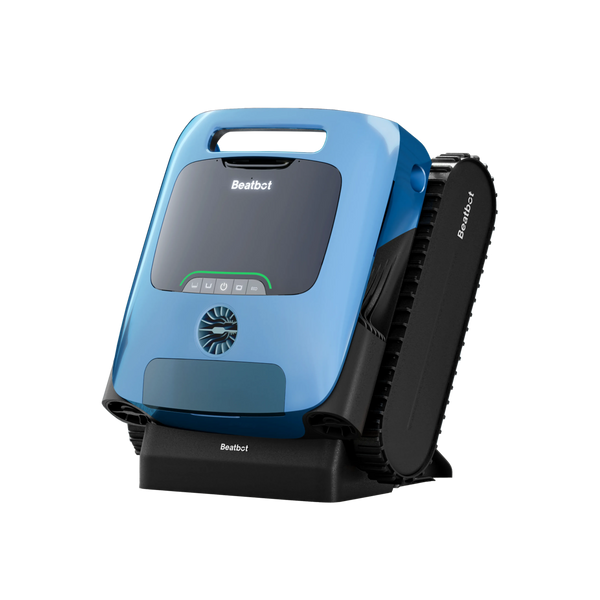
The Beatbot AquaSense 2 Ultra robotic pool cleaner and the Beatbot Sora 70 robotic pool cleaner are both cordless and self-contained. The AquaSense 2 Ultra uses an AI camera and 27 sensors to map the pool and clean the floor, walls, waterline, and water surface. It carries dual-layer filtration in a 4.0L outer basket and 3.7L inner basket, with 5,500 GPH suction.
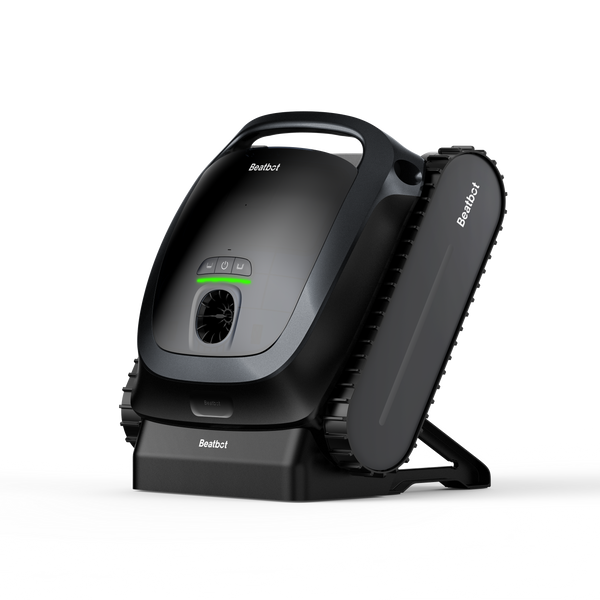
The Sora 70 covers the same five zones with 6,800 GPH suction and a 6L basket, and can run up to 7 hours in surface-cleaning mode. Neither requires a hose, a skimmer connection, or any modification to your existing plumbing.
If hose maintenance is already part of your routine and it works well, stick with it. If it is a recurring source of problems, a cordless robotic cleaner removes that layer of complexity entirely.
FAQs
What diameter pool hose do I need?
Most in ground pools use a 1.5-inch diameter hose. This matches the standard inlet size on suction-side cleaners and residential skimmer boxes. Some above ground pools use 1.25-inch hoses. Check the inlet diameter on your skimmer box and your cleaner before buying.
How long should my pool hose be?
Measure the distance from your skimmer to the farthest point in your pool along the floor and add 2 feet for slack. For most residential pools this falls between 25 and 45 feet. Buy in individual sections so you can adjust the total length as needed.
Why does my pool hose keep collapsing?
The hose wall is too thin for the suction pressure your pump generates. Cheap flexible hoses collapse under higher flow rates. Switch to a spiral-wound or heavy-duty ribbed hose, which has reinforced walls designed to hold their shape under suction.
Why does my automatic cleaner stop moving?
The most common causes are a kinked hose, a cracked fitting letting air into the suction line, or a hose that is too short and pulling the cleaner back before it reaches the far end of the pool. Inspect the full hose length while the pump is running and check every connection point for air leaks.
How do I purge air from a pool hose?
Submerge the entire hose in the pool before connecting it to the skimmer. Hold each end underwater and let bubbles escape fully from both ends. Once no air remains, connect the hose to the cleaner first, then to the skimmer inlet.
How long does a pool hose last?
A quality spiral-wound or heavy-duty hose stored out of direct sunlight typically lasts three to five years. Thin flexible hoses exposed to UV and pool chemicals may need replacement every one to two seasons. Cracks, loss of flexibility, and persistent suction loss are signs the hose needs replacing.