Sora Series


 AquaSense Series



 Skimmer & Bundle

 Retail Edition


 Accessories

 Extended Warranty


Tiny particles on the surface of a pool are usually pollen, dust, fine dirt, ash, or very light organic debris.
The best first move is to skim the surface with a fine-mesh net, check that the skimmer is pulling well, and adjust the return jets so that floating debris moves toward the skimmer rather than drifting past it.
If the particles are too small for normal filtration, a pool clarifier can help the filter trap them. If a large amount has already dropped to the floor, vacuuming to waste is often the cleaner fix.
What Are the Tiny Particles on Top of Pool Water?
Tiny particles floating on top of pool water are usually pollen, dust, fine dirt, ash, dead algae, or mineral residue. In most cases, you can tell what they likely are by looking at their color, texture, timing, and whether they keep coming back.
Pollen
If the particles are yellowish or light green, return quickly after skimming, and the pool water is otherwise clear, they are often pollen. This is especially common during spring and other high-pollen periods.
Dust, Fine Dirt, or Ash
If the particles appear after windy weather, yard work, dry conditions, or nearby fires, they are more likely dust, fine dirt, or ash. These usually look brown, gray, dusty, or slightly gritty and may also collect on steps, corners, or the pool floor.
Dead Algae or Organic Residue
If the pool has had recent algae problems, unstable sanitizer levels, dull water, or light wall buildup, the particles may be dead algae or broken organic residue. This is more likely when the residue keeps returning along with slight cloudiness or poor water clarity.
Plaster Dust or Mineral Particles
If the particles are very pale or white, and the pool is newly plastered or has calcium-related issues, they may be plaster dust or mineral residue. This is especially likely when the material keeps reappearing even though there is not much outdoor debris.
What to Do If You Are Not Sure
If you cannot clearly identify the particles, start by treating the problem as a surface-skimming and circulation issue. If the particles keep coming back, then look more closely at filtration and water chemistry.

Best Ways to Remove Floating Particles Before They Sink
The fastest results usually come from fixing surface removal first, before fine debris has time to spread or settle.
Start with a Fine Mesh Pool Skimmer
A standard leaf net usually misses very small debris. For pollen, fine dust, and light surface dirt, use a fine-mesh pool skimmer or leaf rake. Skim as soon as you notice buildup, especially near corners, steps, and other low-flow areas where small particles tend to collect first.
Check the skimmer basket too. When it is full, the water flow drops and some debris can stay in the pool instead of getting carried out.
Use Skimmer Socks for Ultra-Fine Debris
Skimmer socks help catch material that the basket alone may miss. They work well during pollen season, after windy days, or any time the pool keeps picking up light surface debris.
Clean or replace them often. Once they clog, skimming gets weaker and the surface can start collecting debris again.
Adjust Return Jets to Improve Surface Skimming
Floating debris only reaches the skimmer if the surface current moves it there. Point the return jets to create a slow, steady flow across the top of the pool. That helps guide dust, pollen, and other fine particles toward the skimmer opening.
Do not aim for strong surface chop. Too much turbulence can scatter the debris and keep it moving around instead of letting the skimmer catch it.
Check Whether Your Skimmer Is Working Properly
A skimmer can look normal and still miss fine debris. Start by checking the water level. If the water is too high, the skimmer may not pull enough from the surface. Then check the weir door, suction strength, and valve settings to ensure sufficient flow to the skimmer line.
If you keep seeing tiny particles float right past the skimmer, the problem is often circulation or setup, not skimming time.
Brush the Pool to Lift Fine Dust Back into Circulation
Not all fine debris stays on the surface. Some of it sticks near the waterline, settles on steps, or rests lightly on the floor. Brushing the walls, steps, and waterline helps move that material back into circulation, giving the filter a better chance of catching it. If you skip brushing, fine dust can build up into a heavier cleanup job.
Use a Pool Clarifier When Particles Are Too Fine for the Filter
A pool clarifier helps when the water contains very small suspended particles that the filter is not catching well on its own. It works by grouping tiny particles together so the filter can trap them more easily.
Clarifier is usually the better choice when the pool is still mostly clear. It is a good fit when the debris load is light to moderate and you want the filter to handle the cleanup over time.
Use Flocculant When You Need Particles to Drop Fast
A flocculant causes fine particles to clump together and settle faster. This is more useful after storms, heavy dust events, ash, or any situation where a lot of fine debris enters the pool at once.
Flocculant only makes sense if you are ready to remove the settled material afterward, usually by vacuuming the waste. For a light layer of floating surface debris, it is often more work than you need.
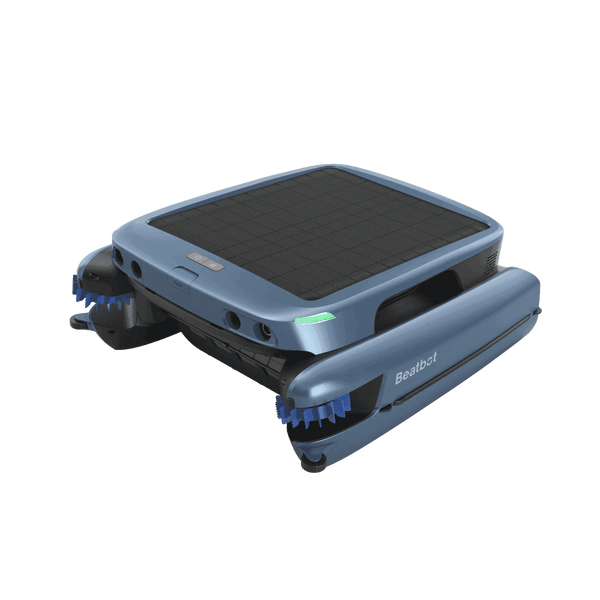
Use a Robotic Pool Skimmer for Ongoing Debris Capture
If your pool collects floating particles almost every day, manual skimming can become a constant chore. A robotic pool skimmer helps remove debris early, before it spreads out or sinks.

How to Prevent Tiny Particles from Building Up Again
Once you remove the current debris, the next step is to reduce how often the same fine particles return.
Use a Pool Cover When Practical
A pool cover will not block all debris, but it can reduce the amount of tiny particles that reach the water. It is most useful during high-pollen periods, windy weather, or any stretch when the pool is not used often.
Less debris entering the pool means less material floating on top, less debris breaking apart, and less sediment sinking to the bottom later.
Manage Nearby Landscaping
A lot of fine pool debris starts outside the water. Trees, shrubs, flowers, mulch, and dry planting beds can all send small particles into the pool, especially in warm, dry, or windy weather. Trim branches that hang over the water and keep nearby planting areas tidy.
You will not remove every source of pollen or dust, but you can reduce the daily load that keeps making the pool look dirty again.
Run Your Pool Longer During Windy or High-Pollen Periods
During windy weather or heavy pollen weeks, your usual circulation schedule may not be enough. Running the pump longer gives the skimmer and filter more time to remove fine material before it settles.
This is often one of the simplest fixes. Extra circulation during heavy debris periods works better than waiting until the buildup becomes obvious.
Keep Water Chemistry Balanced
Balanced water does not remove debris by itself, but it helps the pool stay clear and easier to clean. When the water is out of balance, very fine particles can stay suspended longer or combine with oils and residue into a dull film.
Good water chemistry also helps the filter work better and supports clarifier performance when you need extra help with fine particles.
How Beatbot Sora 70 Cordless Pool Vacuum Robot Helps with Tiny Particles on the Surface of a Pool
The longer fine particles stay on the water, the more likely they are to turn into a floor-cleaning job.
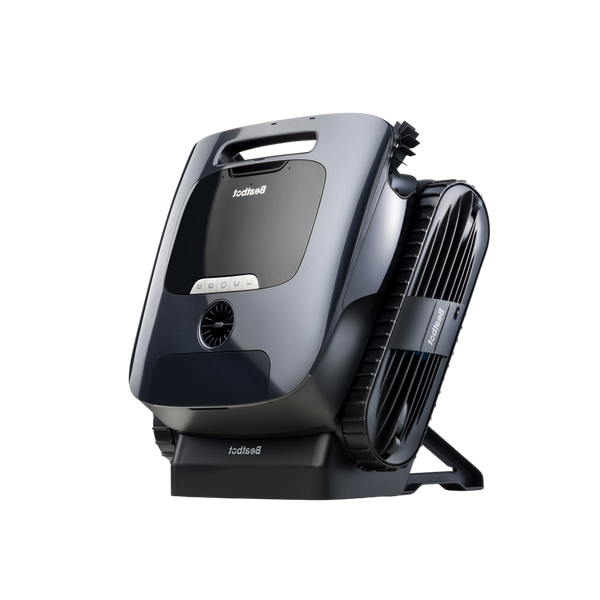
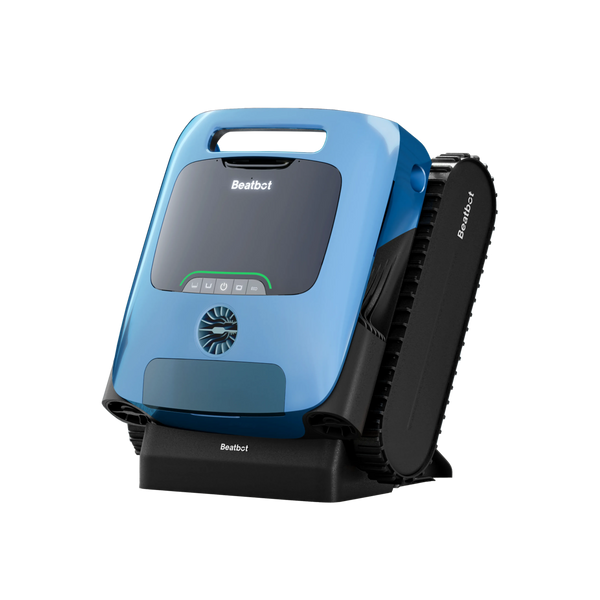
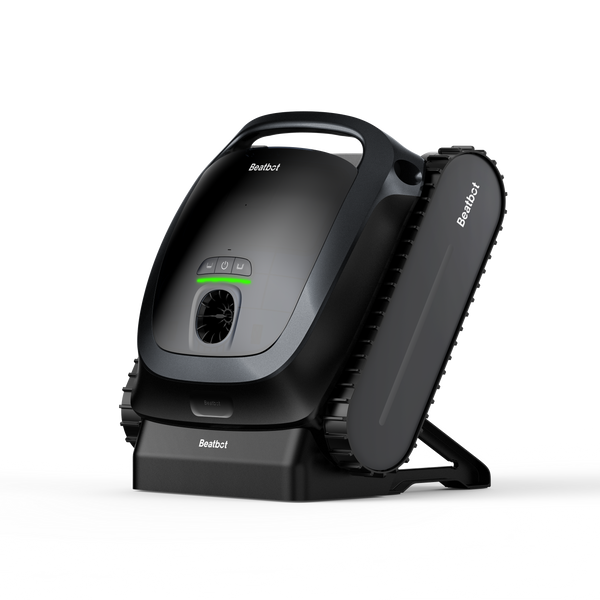
That is where Beatbot Sora 70 cordless pool vacuum robot fits naturally. It has a dedicated water-surface cleaning mode, an industry-first JetPulse™ system, and 6,800 GPH suction power to pull in floating debris before it drifts away or settles. It is also practical for ongoing use.
Sora 70 comes with a 6L debris basket for longer cleaning without constant emptying, and it supports an optional3 μm ultra-fine filter for smaller particles such asdust, sand, pollen, algae spores, and other microscopic debris that many cleaners leave behind.
Final Takeaway
Small floating particles are easier to deal with when you catch them early. A fine-mesh skimmer, improved surface flow, the right filter support, and occasional use of a clarifier or flocculant will usually solve the problem before it becomes a bigger cleanup job.
If you are comparing cleanup options or looking for a simpler long-term routine, you can explore the Beatbot Sora 70 product page or browse the rest of our site for pool cleaning guides and product solutions that fit different pool conditions.
FAQs
Is the fine debris on my pool surface a chemistry problem?
Not always. In many cases, tiny particles on the surface are pollen, dust, fine dirt, or other airborne debris. Still, poor water balance can make the problem look worse by reducing clarity and making very small particles harder to remove.
Why is my pool skimmer not picking up small particles?
The most common reasons are weak surface flow, high water level, low suction, a stuck weir door, or particles that are too fine for the current setup to catch well. A fine-mesh skimmer or skimmer sock can help.
What pool filter removes the smallest particles?
A DE filter usually captures the smallest particles best. Cartridge filters are also effective for fine debris. Sand filters are often less effective with very small particles like pollen or fine dust unless you use extra support such as a clarifier.
Why do tiny particles collect in one corner of the pool first?
Tiny particles often collect in one corner first because surface circulation is uneven. Wind, return jet direction, pool shape, and a weak skimmer pull can all push light debris into low-flow areas, where it gets trapped rather than moving into the skimmer.
Are tiny surface particles more common during certain seasons?
Yes. Tiny surface particles are usually more common in spring, summer, and early fall. Spring often brings pollen, summer adds dust and dry debris, and fall can bring fine plant matter and dirt from wind and yard cleanup.