Most Popular


 Sora Series


 AquaSense Series

 Skimmer & Bundle

 Retail Edition


 Accessories


Pool valves are the control points that direct water through every part of your circulation system. They sit between the pool, the pump, the filter, the heater, and the return lines, and each one determines how much water flows, in which direction, and at what volume. A valve in the wrong position can starve your pump of water, send unfiltered water back to the pool, or shut down suction to your skimmer entirely.
Most residential pools use four types of valves: shut-off valves, 3-way diverter valves, multiport valves, and check valves. Each one sits at a specific point in the plumbing layout and serves a different purpose during everyday filtering, vacuuming, and seasonal maintenance.
Suction-Side vs. Pressure-Side Pool Valves
Pool plumbing splits into two halves at the pump. The suction side pulls water from the pool to the pump, and the pressure side pushes filtered water from the pump back to the pool.
Suction-side valves control where the pump draws water from. They sit between the pool (skimmer, main drain, or cleaner line) and the pump intake. Adjusting these valves changes how much suction goes to each intake point.
Pressure-side valves control where filtered water goes after it leaves the pump and filter. They direct water to return jets, spa spillovers, water features, solar heaters, or in-floor cleaning systems. Closing a pressure-side return valve redirects flow to other returns, which can increase jet pressure in a spa or prioritize flow to a solar heating loop.

Shut-Off Valves (Ball Valves)
A shut-off valve, usually a ball valve in modern pools, does one thing: it stops or starts water flow in a single pipe. A quarter turn of the handle opens or closes it completely. When the handle runs parallel to the pipe, the valve is open. When the handle sits perpendicular to the pipe, the valve is closed.
You will find shut-off valves near the pump, the filter, and individual return lines. Their primary job is isolation. If you need to replace a pump seal, swap out a filter cartridge, or repair a section of plumbing, closing the nearest shut-off valves lets you work on that section without draining the entire system.
3-Way Diverter Valves
A 3-way diverter valve connects three pipes at once and uses a single handle to control flow between them. On the suction side, they typically connect the skimmer line, the main drain line, and the pipe leading to the pump. On the pressure side, they can split flow between the pool returns and a spa or water feature.
The handle position determines which ports are open, closed, or partially restricted. Many pool owners know these as Jandy valves, and most models have the word OFF printed on the handle to show which port is currently blocked.

All Ports Open
This is the standard setting for everyday filtration. Both the skimmer and main drain pull water, and the pump receives full flow. This is where the valve should stay for most of the swimming season.
Skimmer Port Closed
All suction goes to the main drain. This is useful when you need to pull water from the bottom of the pool, such as during a heavy algae treatment or when vacuuming settled debris. It is not a setting for daily use because it stops the skimmer from removing surface leaves and bugs.
Main Drain Closed
All suction goes through the skimmer. Pool owners use this setting to increase skimmer pull during heavy surface debris conditions, like a wind storm dropping leaves across the pool. If your pool has only one main drain, closing it also removes a potential entrapment point, which is a safety consideration in older residential pools.
Pump Port Closed
This stops all flow to the pump. Only use this when the pump is off. It is the correct position when making plumbing repairs, winterizing the lines, or performing equipment swaps.
Partially Closed
This restricts flow from one port without blocking it entirely. Partially closing the main drain and skimmer ports is the standard way to redirect more suction to a dedicated cleaner line.
Multiport Valves
The multiport valve mounts directly on your sand filter or DE filter and controls how water passes through the filter media. It has six or seven labeled positions, each routing water through the filter tank in a different direction.
Filter
This is the normal daily setting. Water enters the tank, passes through the sand or DE media, and returns to the pool clean.
Backwash
Reverses the flow through the filter to flush out trapped dirt. Use this when the filter pressure gauge reads 8 to 10 PSI above the normal clean operating pressure. Run it for about two minutes, or until the water in the sight glass runs clear.
Rinse
Resettles the filter media after backwashing. Run it for 15 to 30 seconds. Skipping this step can push loosened debris from the backwash cycle back into your pool.
Waste
Sends water directly out the waste line, bypassing the filter entirely. Use this when vacuuming heavy algae blooms or large debris loads that would clog the filter. This lowers your pool water level, so you will need to add water afterward.
Recirculate
Moves water through the plumbing without passing it through the filter media. The most common use is circulating pool water after adding flocculant, which requires flow but not filtration.
Closed
Stops all flow through the filter. Use this only during equipment work. Running the pump with the valve in Closed will deadhead the pump and can crack the filter tank or blow out plumbing fittings.
Winterize
Opens all internal ports to let water drain out of the valve body. If your multiport does not have a dedicated Winterize position, place the handle halfway between two settings to keep the ports open. This prevents water from freezing and cracking the valve housing during cold months.

Check Valves
A check valve allows water to flow in only one direction. It opens automatically when the pump creates forward pressure and closes when the pump shuts off, preventing backflow through the system.
You will typically find check valves installed between the filter and a heater (to keep chemically treated water from flowing backward into the heat exchanger), between the pump and a solar heating loop, and on the return line of a connected spa to stop water from draining back to the pool. Some above-ground pool installations also use check valves to maintain pump prime.
Check valves do not require manual adjustment, but they wear out. A failing check valve shows up as water draining back through the system when the pump turns off, a loss of pump prime overnight, or slow backflow from a spa into the pool. Inspect the internal spring or flapper for wear and replace the valve if needed.
How to Identify Which Valve Controls Which Line
If your pool has unlabeled valves, the fastest way to identify them is by testing each one individually while the pump is running. Start with all valves open, then close one suction-side valve at a time. Walk over to the pool and check what stopped working.
When you close a valve and a skimmer stops pulling water, that valve controls the skimmer line. If a suction-side cleaner stops moving, you found the cleaner line valve. If the remaining suction comes from below the surface and no skimmer or cleaner is active, that valve controls the main drain.
Repeat the process on the pressure side. Close one valve at a time and check which return jets, spa features, or water features lose flow.
After identifying each line, label the pipes directly with a permanent marker or waterproof vinyl labels. Mark the pipe itself, not just the valve handle. Handles can be removed or swapped during repairs, but the pipe stays in place.
How to Set Pool Valves for a Suction-Side Cleaner
A suction-side pool cleaner needs dedicated suction to move effectively. If the cleaner is sluggish or barely moves across the floor, the pump is splitting flow across too many open lines, and the cleaner is not getting enough suction to operate.
To fix this, open the cleaner line valve fully and partially close the skimmer and main drain valves to roughly 45 degrees. This redirects a larger share of suction to the cleaner without completely cutting off flow from other lines. If the cleaner still struggles, try fully closing the main drain while leaving the skimmer partially open.
Listen to the pump while you adjust. A hissing or straining sound means the pump is not getting enough total water. Open the other valves back slightly until the pump runs quietly and the cleaner has good movement.
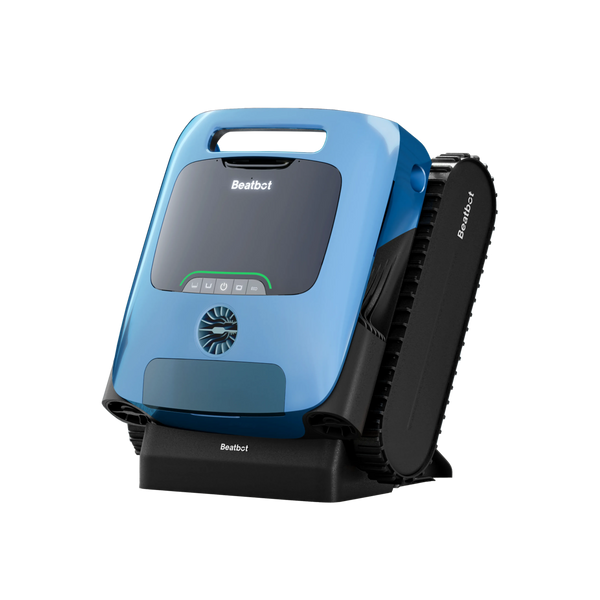
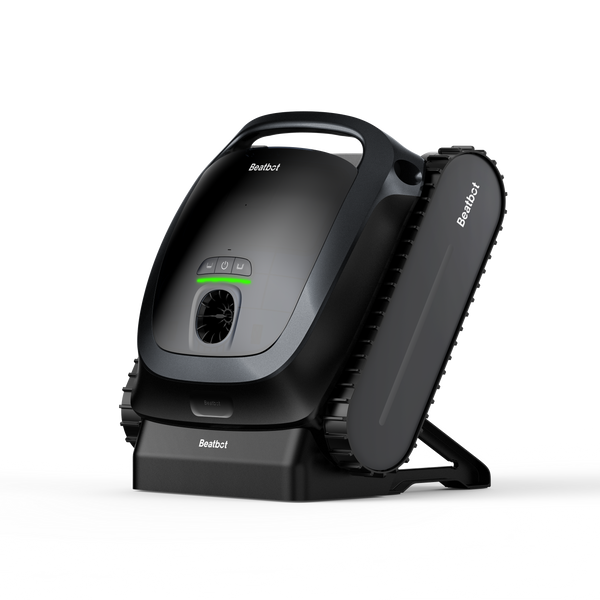
Suction-side cleaners require these valve adjustments every time you run them. Cordless robotic pool cleaners skip this entirely because they run on their own battery and filtration, with no connection to the pool plumbing. The Beatbot Sora 10 robotic pool cleaner handles floors, walls, waterlines, and shallow areas down to 12 inches, with smart waterline parking for easy retrieval.
The Beatbot Sora 30 extends coverage to platforms as shallow as 8 inches and covers up to 3,200 square feet per charge. Your valves stay in the normal filtration position for backwashing, winterizing, and spa or heater routing, but the routine adjustments tied to cleaning stop.
Pool Valve Safety and Maintenance
Never block all suction while the pump is running. If every suction-side valve is closed, the pump pulls air instead of water. Running dry for even a short time can melt the pump seal, warp the volute, and require a full pump replacement.
Turn the pump off before rotating the multiport valve. The spider gasket inside the valve is designed to move without pressure behind it. Switching under load tears the gasket, and replacing it means pulling the entire valve apart.
Lubricate valve O-rings at least once per season. A dry O-ring makes the handle hard to turn and eventually cracks, which causes leaks. Use a silicone-based lubricant designed for pool equipment. Petroleum-based products break down rubber O-rings.
During winterizing, do not leave multiport valves in the Closed position. Trapped water inside the valve body expands when it freezes and can crack the housing. Use the Winterize setting or place the handle between two positions so all ports stay open and water can drain freely.

FAQs
How can you tell if a pool valve is open or closed?
On a ball valve, the handle runs parallel to the pipe when open and perpendicular when closed. On a 3-way diverter valve, look for the word OFF on the handle. The direction OFF points indicates which port is blocked. On a multiport valve, the handle label shows the active setting.
What valves do you shut off to vacuum a pool?
Close the main drain valve so all suction goes to the skimmer where your vacuum hose is connected. Set the multiport valve to Filter for normal debris, or Waste if you are vacuuming heavy algae or fine sediment you do not want passing through the filter.
Can you replace a 3-way diverter valve with two ball valves?
Yes. Two ball valves on separate lines give the same flow control as a single 3-way diverter. The trade-off is that you have two handles to adjust instead of one, which requires more manual steps when changing flow patterns. Some pool owners prefer this setup because individual ball valves are less expensive and easier to replace if one fails.