














Most pools do not have one fixed muriatic acid dose. The right amount brings your water from its current pH into a workable range, usually about 7.2 to 7.8. Many pool owners aim closer to 7.4 to 7.6 for routine control.
The dose depends on five things: pool size, current pH, target pH, total alkalinity, and acid strength.
That is why one pool may need only a small measured dose, while a 25,000 gallon saltwater pool that rises from 7.6 to 8.0 every few days may use about 3/4 to 1 gallon per week and still be within a normal range.
How to Know How Much Acid Your Pool Needs
The amount of acid your pool needs should come from your own test results. Someone else's number can only be a rough reference.
Pool size
Pool volume sets the scale. A larger pool needs more acid for the same pH drop, and a smaller pool needs less. Generic advice falls apart quickly for that reason. A dose that barely changes a 30,000 gallon pool can overshoot a 10,000 gallon pool.
Current Pool pH
Your starting pH shows how large the correction needs to be. A pool at 7.8 may need only a modest adjustment. A pool at 8.2 needs more correction, and that calls for a test based estimate instead of a guess. The higher the starting pH, the more accuracy matters.
Target Pool pH
The goal is to bring pH back into range and keep it stable. Most pool owners are trying to land around 7.4 to 7.6, not push the water lower every time it drifts up. Keep chasing a lower number and a normal correction can turn into an overcorrection cycle.
Total alkalinity
Total alkalinity affects how strongly the water resists pH change. Higher alkalinity means more buffering, so the same acid dose may lower pH less than expected. This is why acid and pool alkalinity should be considered together when pH keeps rebounding. Total alkalinity affects how strongly the water resists pH change. Higher alkalinity means more buffering, so the same acid dose may lower pH less than expected. It can make pH seem stubborn even when the acid amount is reasonable.
In pools where pH rises often, especially saltwater pools, total alkalinity is often easier to manage on the lower end of the normal range. Roughly 60 to 70 is often easier to control than 80 or higher when pH keeps climbing.
Acid strength
Muriatic acid is not always sold at the same strength. A weaker product needs a larger dose to do the same job, so safe muriatic acid use starts with checking the label before pouring. If the product is weaker than what you used before, the same pour will do less. If your usual amount suddenly stops working, check the label before blaming the pool water. The product itself may have changed.

How Much Acid Should You Add?
You should add only the measured amount needed to bring pH back into range.
A pool calculator or acid demand test is the best way to match the dose to your water. That keeps the adjustment tied to real numbers. Pool size, pH, alkalinity, and acid concentration all affect the answer, so there is no useful universal dose.
Small corrections should stay small. If pH is only a little high, most pools need a modest adjustment. If pH is well above range, the dose may need to be larger, but that still calls for a calculated correction, not an estimate. The farther pH sits above range, the less room you have for guessing.
A heavy pour is not a better fix. It can push pH too low and create a new chemistry problem that is harder to correct than the original rise. High pH can reduce chlorine efficiency and make the water harder on swimmers and equipment, so the goal is a controlled correction, not a dramatic drop.
Why Muriatic Acid Doesn't Lower pH Much
If muriatic acid does not seem to lower pH much, something is usually pushing pH back up.
High total alkalinity is one common reason. Water with more buffering resists pH change, so the drop looks smaller and does not hold as well. Strong aeration is another. Waterfalls, spillovers, bubblers, splashy returns, and constant bubbles all push carbon dioxide out of the water, and that drives pH upward.
Saltwater pools often behave this way even when nothing is wrong. Salt chlorine generators tend to make pH rise over time, so regular acid additions are part of normal care in many saltwater pools. New plaster can add to that upward drift. Weaker acid products can do the same by requiring a larger dose than you expect.
When pH stays high after dosing, address the source of the drift. Adding more acid over and over rarely fixes the real cause. Check alkalinity, look for unnecessary aeration, confirm acid strength, and make sure return bubbles are not coming from an air leak on the suction side.

What Not to Do When Adding Muriatic Acid
Do not copy a random dose and assume it fits your pool. Two pools with the same pH can need very different amounts of acid, so a borrowed number can send your water in the wrong direction.
Do not treat one large pour as a shortcut. One heavy dose can push pH too low and leave you fixing a second problem instead of the first one. Bigger is not safer or faster when the dose was never calculated.
Do not ignore total alkalinity when pH keeps rebounding. If alkalinity is too high, acid may lower pH for a short time and then the pool climbs again.
Do not expect a saltwater pool to behave like a non salt pool. Salt systems often need more frequent acid correction, and that alone does not mean the pool is poorly maintained.
Do not judge the result too quickly. Water needs time to circulate before a fresh test shows what the dose actually did.
How Much Muriatic Acid per Week Is Normal?
In a saltwater pool, a noticeable weekly acid demand can still be normal.
A 25,000 gallon saltwater pool that rises from 7.6 to 8.0 in three to four days may need about 3/4 to 1 gallon of muriatic acid per week. That is not automatically excessive. Larger volume, longer salt cell run time, and strong aeration can all push demand higher. Some 15,000 gallon saltwater pools may use around half a gallon per week. Some 12,000 gallon pools may need only a couple of cups every four or five days. Others stay stable with much less.
Non salt pools often use less acid over time, especially when they are sanitized with liquid chlorine and do not have strong water features or constant bubbling. The key question is whether your own pattern stays steady.
If acid demand suddenly jumps, look for a new source of aeration, a change in acid strength, longer generator run time, or water balance that has drifted. If demand stays steady and the water stays in range, routine acid use is simply part of maintaining that pool.

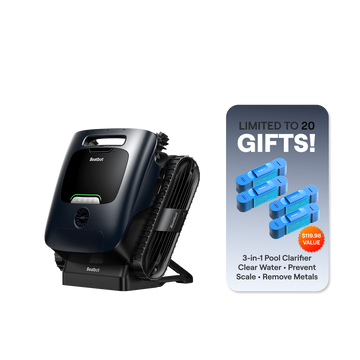
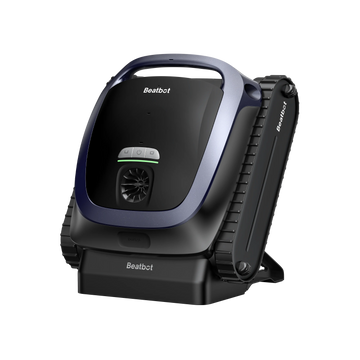
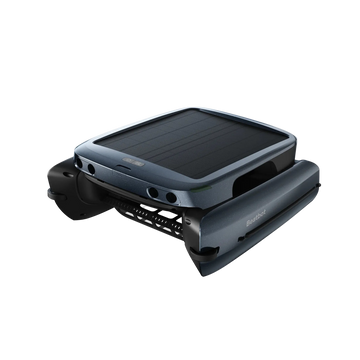
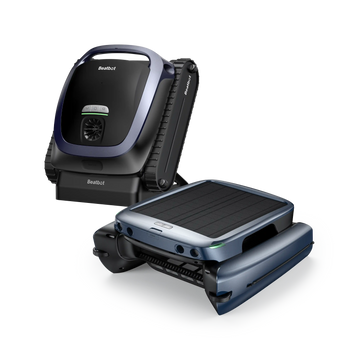
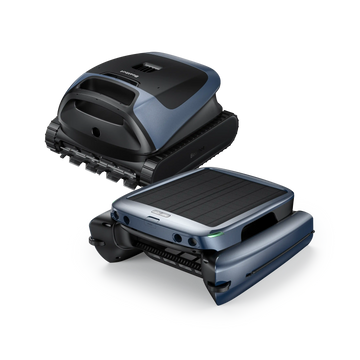
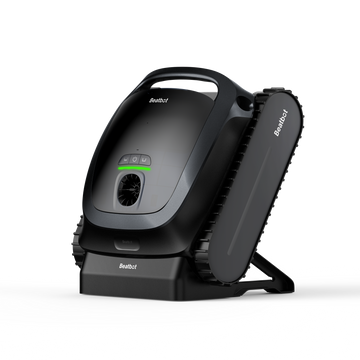
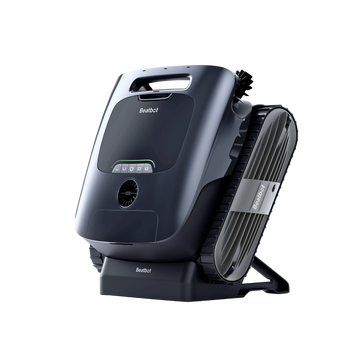
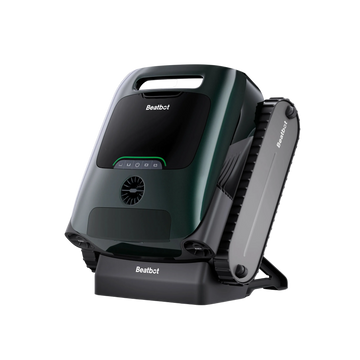
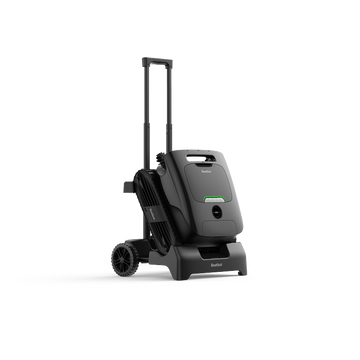
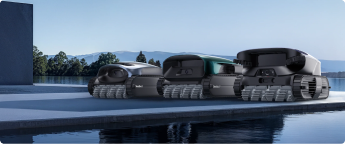
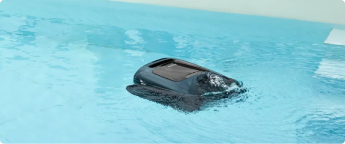
When pH keeps drifting up, the bigger issue is often tracking the pool's condition over time, not reacting to one test result. Beatbot AquaSense X pool robot fits that need better because its in-app water quality monitoring gives you a clearer view between manual tests, and its 29 sensor system adds more context than a single spot check.
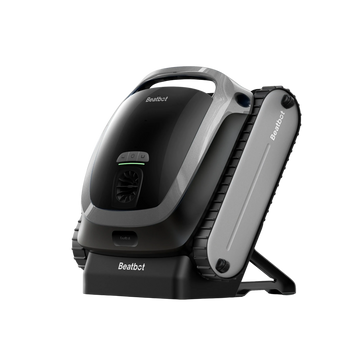
Beatbot AquaSense 2 ultra plays a simpler support role with 5-in-1 cleaning and water clarification support, which helps keep routine cleanup from adding to the rest of your maintenance work. Neither replaces pH testing or acid dosing, but both make it easier to stay on top of the pattern.
Conclusion
There is no single answer to how much muriatic acid lowers pH in a pool. The right dose depends on pool size, current pH, target pH, total alkalinity, and the strength of the acid product.
Saltwater pools often need acid more often, and that can be normal. If acid seems to have little effect, the real issue is often high alkalinity, aeration, salt system operation, or a weak acid product. The best approach is simple: test the water, dose from the numbers, and judge the pool by its pattern over time.
FAQ
How long does muriatic acid take to lower pH in a pool?
Muriatic acid starts affecting pH as it disperses, but the reading is more reliable after the water has circulated well. In most pools, retesting after about 30 minutes to a few hours gives a better picture than testing right away.
How long should you run the pool pump after adding muriatic acid?
Run the pump long enough to fully mix the acid through the pool. For many pools, 30 minutes is a practical minimum, though larger pools or larger doses may need more circulation time before retesting.
Can muriatic acid damage a pool?
Yes, if it is overused or added carelessly. Repeated overcorrection can push pH too low, which may irritate swimmers and damage metal parts, plaster, and other pool surfaces over time.
Do you have to dilute muriatic acid before adding it to the pool?
That depends on the product directions and your pool setup. Many pool owners add it carefully to circulating water without pre-dilution, but the label directions should always come first.
How long after adding muriatic acid can you swim?
You can usually swim after the acid has circulated and the water tests back in range. The safest check is a fresh test result that shows balanced pH, not just time on the clock.