Most Popular


 Sora Series


 AquaSense Series

 Skimmer & Bundle

 Retail Edition


 Accessories


If your pool is green but chlorine is high, the problem usually falls into one of three buckets. The chlorine is not working as well as it should, the filter is not clearing what the chlorine has already killed, or the green color is coming from metals instead of algae.
The solution starts with the right diagnosis. Check your free chlorine, pH, and stabilizer level, look at whether the water is cloudy or clear green, and make sure the filter is doing its job. That tells you what to fix next.
Why Is My Pool Green if Chlorine Is High?
A high chlorine reading does not automatically mean you have enough sanitizer working in the water. Pool tests separate chlorine into free chlorine, combined chlorine, and total chlorine.
Free chlorine is the part that still sanitizes. Combined chlorine has already reacted with contaminants. Total chlorine is both added together. So yes, a pool can test high for chlorine and still have too little working chlorine to stop algae.
Water balance can make that worse. When pH climbs too high, chlorine loses effectiveness. CYA can also interfere when it is too low or too high. That is one reason a pool can stay green even after more tablets or shock.
Sometimes the color is not from algae in the first place. Copper and iron can oxidize after chlorine is added and turn the water green or teal. If the pool changed color right after chlorine, metals deserve a closer look. Before you treat anything, figure out which kind of green water you are dealing with.

How to Tell if Your Green Pool Is Cloudy or Clear
Green, cloudy water usually points to algae, dead algae, or debris that the filter is not removing fast enough. Slick walls, a fast change after rain, and dull, hazy water all push the diagnosis in that direction.
Clear green water points somewhere else. If the water looks tinted instead of murky, metals move much higher on the list.
Copper-based algaecides, well water, and metal corrosion can all contribute. A strong chlorine smell does not rule out algae either. In many pools, that smell comes from combined chlorine, not from freshly sanitized water.
This is where people often get stuck. Treat metal water like an algae bloom and extra chlorine can make the color worse. Treat algae like a metal problem and the bloom keeps building in the background.

How to Fix a Green Pool When Chlorine Is Already High
Order matters here. Test the full water chemistry first, correct any balance issues next, then choose the right treatment path for algae or metals. After that, focus on cleanup and filtration so the pool can actually clear.

Test the Right Numbers First
Start with a full set of readings, not a single strip result. You need free chlorine, total chlorine, pH, total alkalinity, and CYA. If the water is clear green or you see staining, test for metals too.
Pay closest attention to the numbers that change your next move. Free chlorine is the active sanitizer. Combined chlorine above 0.5 ppm usually means chloramines are building up. In routine pool care, free chlorine often sits around 1 to 3 ppm, but that alone will not solve this problem if pH, CYA, or metals are off. For most residential pools, pH around 7.2 to 7.6 and CYA around 30 to 50 ppm are practical targets before you decide whether to shock, dilute, or switch treatment paths.
Correct Chemistry Before You Add More Shock
If pH is high, bring it back into range before you add more shock. If CYA has climbed too high from stabilized products, more chlorine is often the wrong move. Partial water replacement is sometimes the cleaner fix. Think dilution, not a careless full drain.
If It Is Algae, Kill It and Then Clear It
Once the chemistry is back in range, remove debris, brush the walls and floor, and vacuum the pool manually. If your system allows it, use the waste setting so algae-filled water does not cycle back through the filter. Then keep the filter running long enough to clear what the chlorine kills.
Shock can kill the algae, but the cleanup is not over at that point. The filter still has to remove the dead material. If the water turns cloudy blue or gray after treatment, that often means the algae is dead and you are in the cleanup phase. A dirty filter will slow everything down, so cleaning or backwashing it is part of the fix.

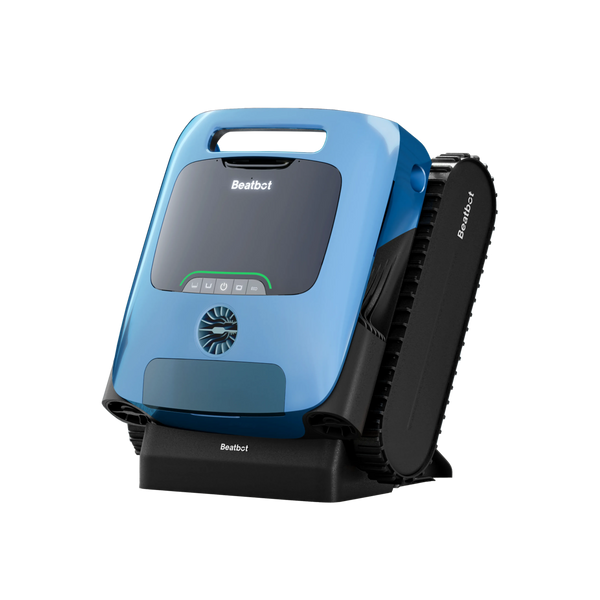
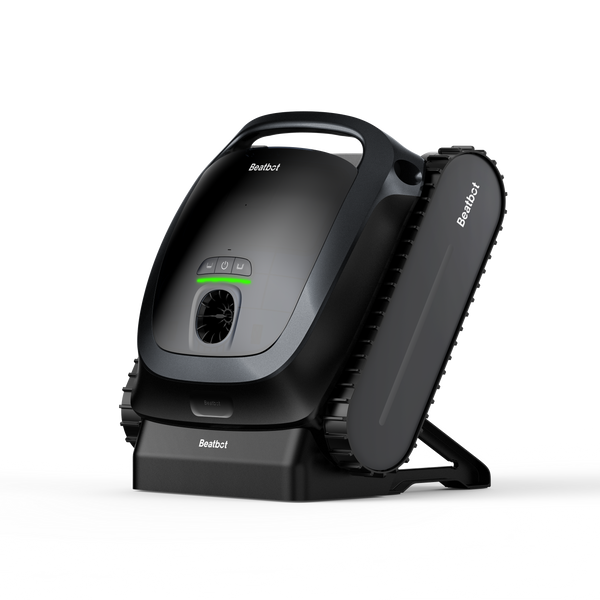
After shock has done its job, the main problem is often the residue left behind: dead algae, debris, and fine material that keep the pool looking dirty even when the bloom is under control. That is where Beatbot AquaSense X fits best. It cleans the floor, walls, waterline, surface, and even elevated platforms in one machine, so cleanup does not stop at one part of the pool.
Its HybridSense AI system uses 29 sensors, including an AI camera, infrared, and ultrasonic sensors, to map the pool, optimize its path, and retarget missed debris areas instead of moving blindly.
It can also identify more than 40 types of debris on the floor and surface for more targeted cleanup. After each cycle, the AstroRinse self-cleaning station automatically rinses the filter and empties the debris bin in about three minutes, which makes repeated recovery cleanups much easier.
If It Is Metals, Stop Treating It Like Algae
If the pool is clear green, or if it turned green right after chlorine, test for metals before you keep pouring in more sanitizer. A metal sequestrant helps keep metals suspended so they are less likely to oxidize and stain. It helps manage metals in the water, but it is not the same as removing a stain that has already formed.
Clarifier Can Help, but It Is Not the Main Fix
Clarifier can help gather fine particles so filtration works better during cleanup. It does not replace pH correction, CYA correction, algae treatment, or metals testing. If the root cause is still active, the water may improve for a short time and then turn again.
How to Keep Your Pool From Turning Green Again
The best prevention plan is simple. Keep free chlorine in the right range for your pool, keep pH steady, watch stabilizer before it gets excessive, brush and vacuum on a routine schedule, and do not let the filter become the bottleneck. Clear water depends on circulation, cleaning, and chemistry. When one slips, the whole system slips with it.
It also helps to watch the inputs that cause repeat problems. Avoid overusing stabilized chlorine if CYA keeps creeping up, stay cautious with copper-based algaecides, and pay closer attention to metals if your fill water comes from a well. The goal is to stop the same trigger from sending you back into recovery mode.
FAQ
Can You Fix a Green Pool With Chlorine?
Yes, if algae is causing the green water. Chlorine-based shock can kill algae, but it works best after pH and CYA are corrected and the filter is left running long enough to remove the dead material. If metals are causing clear green water, chlorine alone will not solve it.
What to Do if Chlorine Is Too High in a Pool?
Stop adding chlorine and retest the water first. Check free chlorine, combined chlorine, pH, and CYA so you can tell whether you are dealing with excess active chlorine, chloramines, or a separate water-balance issue. If the water is clear green, test for metals before adding more shock.
How Long Does It Take for Chlorine to Clear a Green Pool?
Usually not overnight. A lightly green pool may improve within 24 to 48 hours, but a heavier algae problem often takes several days. Chlorine has to kill the algae first, and the filter still has to remove the dead residue.
What Is the Fastest Way to Clear Up a Green Pool?
Do the steps in the right order. Test the water fully, lower pH if needed, brush and vacuum, shock correctly, and keep the pump and filter running until the water clears. Faster results come from better sequencing, not from dumping in extra chlorine.